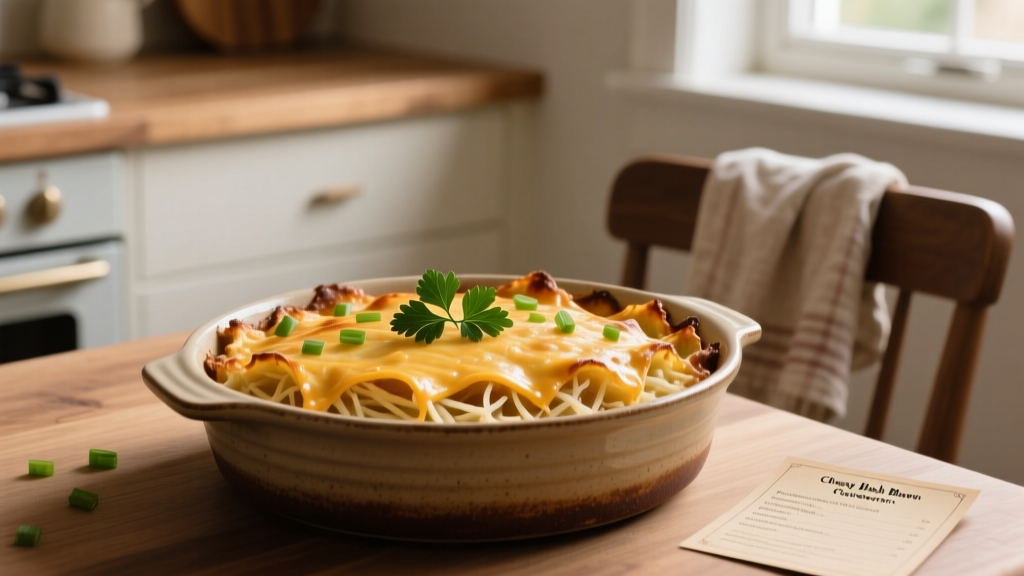
Cheesy Hash Brown Potato Casserole: Foolproof Recipe Guide
Why This Casserole Wins Every Potluck
Let's be real—you've probably encountered a dry, gluey, or bland version of this at some gathering. Honestly, that's why most folks hesitate to make it. But after testing this recipe dozens of times for family dinners and church potlucks, I've cracked the code. The magic isn't fancy ingredients; it's nailing the moisture balance. You know, frozen hash browns get a bad rap, but they're actually your secret weapon for consistent texture without the shredding hassle. Trust me, skipping the squeeze step is the #1 reason casseroles turn into sad, watery puddles.
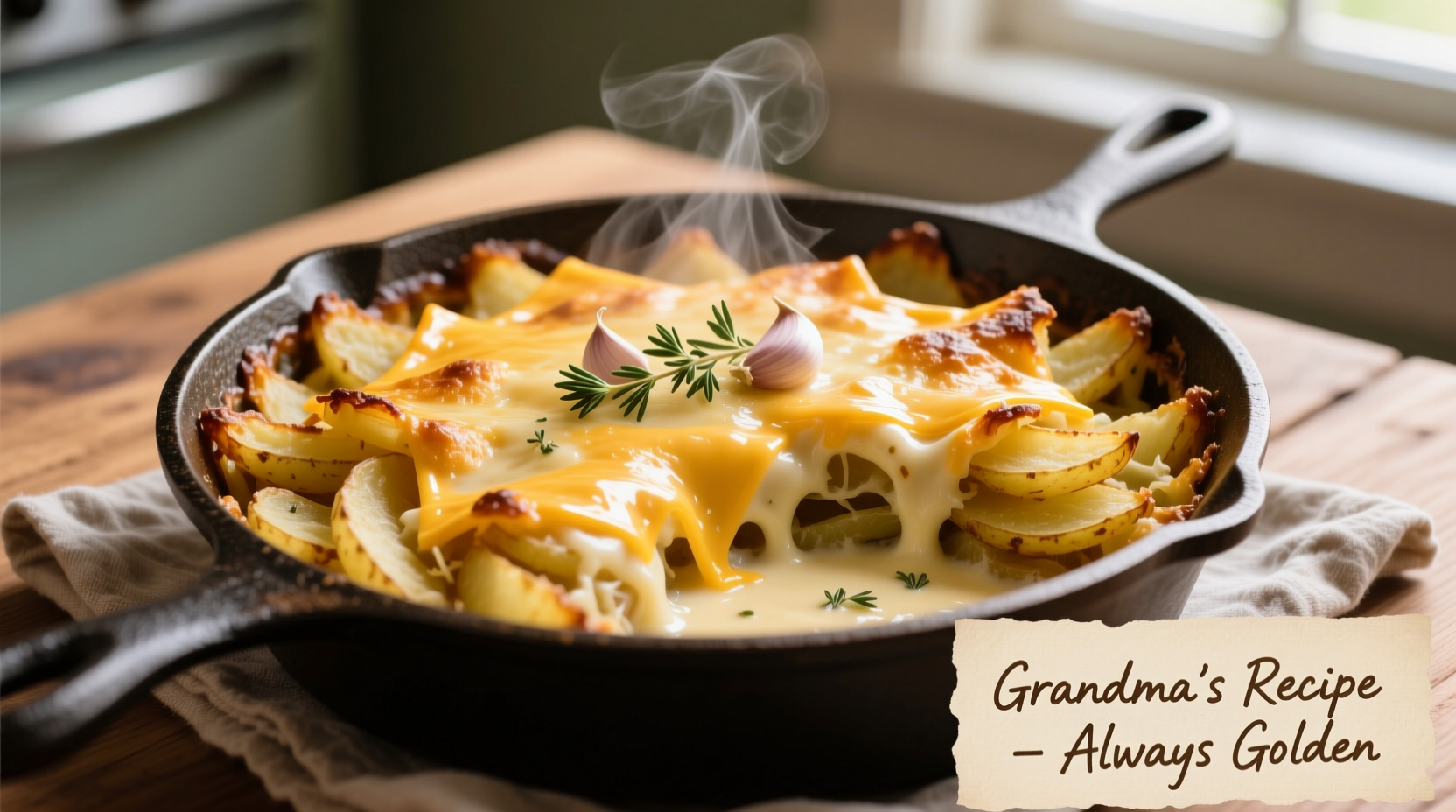
Your No-Fail Ingredient Checklist
Don't overcomplicate this. Here's what actually matters based on what works in real kitchens—not glossy food blogs. First, the potato base: frozen shredded potatoes are fine (seriously, no shame), but if you're using fresh, you must squeeze out every drop of water. I mean it—grab those shreds in a clean towel and wring like your dinner depends on it. For cheese, sharp cheddar melts best without turning rubbery. And here's the pro tip nobody talks about: a splash of whole milk or cream beats sour cream for creaminess without curdling.
| Potato Type | Prep Time | Texture Result | When to Choose |
|---|---|---|---|
| Frozen hash browns | 5 min (thaw/drained) | Crispy edges, uniform bake | Weeknight dinners, potlucks |
| Fresh shredded | 20 min (squeeze time!) | Creamier center, rustic look | Holidays, impressing guests |
| Canned potatoes | 2 min (drained) | Softer, less crispy | Emergency meals only |
Step-by-Step: The 45-Minute Method That Actually Works
Okay, let's get practical. Preheat your oven to 375°F—no fancy adjustments needed. Mix 32oz thawed/drained hash browns with 1.5 cups shredded cheddar, 1/2 cup melted butter, 1/4 cup milk, 1 tsp onion powder, and salt. Seriously, don't skip draining; I've ruined batches ignoring this. Press firmly into a greased 9x13 dish (glass works great for even browning). Top with extra cheese and a sprinkle of paprika for color. Bake 35-40 minutes until edges bubble and top turns golden. Pro move: let it rest 10 minutes before serving—patience prevents soupy slices.
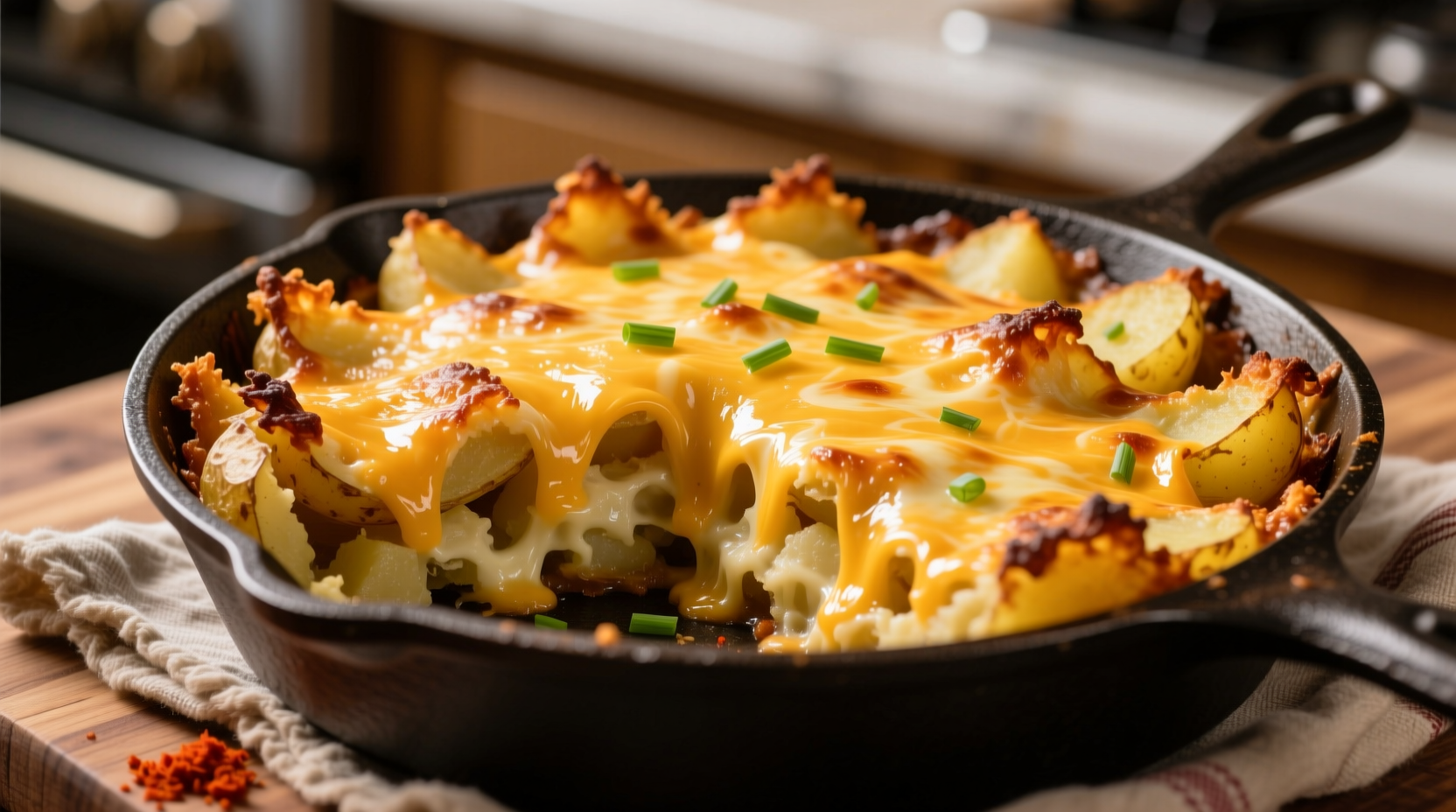
When to Serve (and When to Skip It)
Look, this isn't a salad—it's pure comfort food. Serve it at holiday feasts, game-day gatherings, or when you need a stress-free side that feeds 12. But avoid it if you're hosting keto dieters or aiming for a light summer meal; the carbs and fat are real. Also, don't attempt this with low-moisture cheeses like mozzarella—melting fails happen. And for heaven's sake, skip adding bacon if someone's vegetarian; keep it flexible with optional mix-ins.
Avoid These 3 Costly Mistakes
From years of trial and error: First, overloading cheese seems smart but creates a greasy mess—stick to 1.5 cups total. Second, rushing the cooling step guarantees collapse; that 10-minute rest lets it set. Third, using pre-shredded cheese? Big nope. The anti-caking powder prevents smooth melting. Grate your own cheddar—it takes 2 minutes and changes everything. Honestly, I learned this the hard way at a wedding rehearsal dinner. Awkward.
Storage & Reheating Hacks
Leftovers keep 3-4 days refrigerated in airtight containers. Reheat portions in the oven (350°F for 15 min) for crispiness—microwaves make it soggy. Freeze unbaked casseroles for up to 2 months; thaw overnight before baking. Pro tip: double the recipe and freeze one; future-you will thank present-you during busy weeks.
Everything You Need to Know
Absolutely. Assemble it fully, cover, and refrigerate for up to 24 hours before baking. Add 5-10 minutes to baking time if going straight from cold. For best texture, skip adding cheese topping until right before baking—keeps it from getting soggy.
Thoroughly drain potatoes—frozen or fresh—and squeeze out excess water. Using a glass baking dish helps conduct heat evenly for crispier edges. Also, avoid overmixing; gently fold ingredients to maintain potato structure. I've found adding 2 tbsp breadcrumbs to the base layer absorbs extra moisture without changing flavor.
Yes, when made with plain hash browns and cheese without additives. Always check frozen potato labels for hidden starches or seasonings. For 100% safety, use fresh shredded potatoes and verify cheese ingredients—some pre-shredded varieties contain wheat-based anti-caking agents.
Sharp cheddar is the gold standard for flavor and meltability. Avoid pre-shredded blends—they often include low-moisture cheeses that don't blend smoothly. For extra creaminess, mix in 1/4 cup cream cheese with your cheddar. Gouda or Monterey Jack work as alternatives but lack the tangy depth cheddar provides.
Refrigerated leftovers stay fresh 3-4 days in sealed containers. Reheat in the oven at 350°F for 15 minutes to restore crispiness—microwaving makes it rubbery. Freeze portions for up to 2 months; thaw overnight before reheating. Never leave cooked casserole at room temperature over 2 hours.
More Articles
 Potato Salad Recipes: 3 Styles for Every Occasion
 Grains of Paradise: The Pepper Alternative
 Peppercorn Types: Black, White, Green, Pink
 Saffron Grading: How to Spot Real Quality
 Gordon Ramsay's Authentic French Onion Soup Recipe
 Crispy Roasted Garlic Potatoes Recipe: Simple & Perfect
 Turmeric Storage and Usage Hacks (2026)
 Garlic Chives Substitutes: Best Cooking Alternatives
Asafoetida (Hing): A Beginner's Guide
Garlic Chives Substitutes: Best Cooking Alternatives
Asafoetida (Hing): A Beginner's Guide
 Potato Croquettes: Crispy Outside, Fluffy Inside