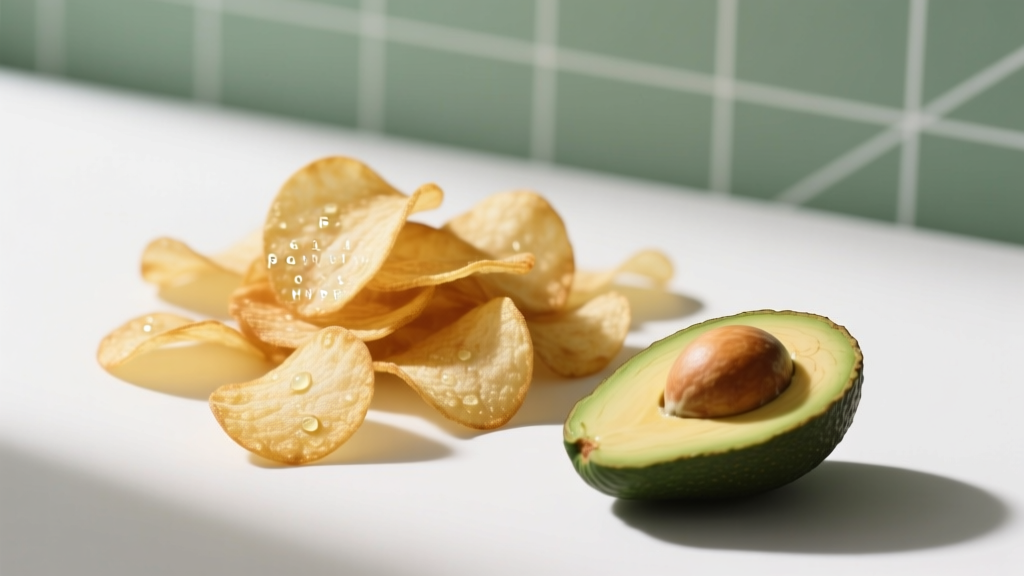
Avocado Oil Potato Chips: Facts vs. Hype
When you reach for a bag of potato chips made with avocado oil, you're choosing a snack with distinct culinary and nutritional properties. Understanding what makes these chips different—and what the science actually says about their benefits—can help you make informed choices without falling for marketing hype. Let's explore the facts behind this popular alternative to traditional fried snacks.
The Science Behind Avocado Oil for Frying Potato Chips
Avocado oil has gained popularity among both home cooks and commercial snack producers for its exceptional heat stability. Unlike many common cooking oils that break down at high temperatures, avocado oil maintains its integrity even during the intense frying process required for perfect potato chips.
According to research published in the Journal of Food Science and Technology, avocado oil's high monounsaturated fat content (approximately 70%) contributes to its remarkable stability at high temperatures. This matters because when oils exceed their smoke point—the temperature at which they begin to break down—they can produce potentially harmful compounds like acrolein and free radicals.
| Frying Oil Type | Smoke Point (°F) | Smoke Point (°C) | Primary Fat Composition | Cost Comparison* |
|---|---|---|---|---|
| Avocado Oil | 520 | 271 | 70% monounsaturated | $$$ (highest) |
| Peanut Oil | 450 | 232 | 48% monounsaturated | $$ |
| Sunflower Oil | 440 | 227 | 65% polyunsaturated | $ |
| Canola Oil | 400 | 204 | 62% monounsaturated | $ |
| Corn Oil | 410 | 210 | 28% monounsaturated | $ |
*Cost comparison based on USDA Economic Research Service data (2023). Higher smoke points generally correlate with more stable frying and potentially fewer harmful compounds formed during cooking.
Health Considerations: What Research Actually Reveals
Many consumers choose potato chips made with avocado oil believing they're making a significantly healthier choice. While there are some advantages, it's crucial to understand the reality behind the claims.
The USDA FoodData Central database confirms that avocado oil contains more monounsaturated fats than many common frying oils—a type of fat associated with cardiovascular benefits when consumed as part of a balanced diet. However, registered dietitians emphasize that potato chips remain a high-calorie, high-sodium food regardless of the oil used.
According to a comprehensive review in Nutrition Reviews, while replacing saturated fats with monounsaturated fats like those in avocado oil may offer cardiovascular benefits, these benefits apply to the oil itself—not to foods fried in it. The high-heat frying process alters the nutritional profile, and the end product still delivers significant calories primarily from fat.
When Avocado Oil Shines: Practical Applications
Avocado oil's advantages become most apparent in specific cooking scenarios. Professional chefs like myself have found it particularly valuable for:
- High-temperature frying: Its exceptional smoke point makes it ideal for achieving that perfect golden crispness without burning
- Batch frying: Unlike many oils that degrade after multiple uses, avocado oil maintains stability through several frying cycles
- Flavor preservation: Its neutral taste profile allows the natural potato flavor to shine through
However, it's important to recognize avocado oil's limitations. The American Heart Association notes that while monounsaturated fats are beneficial, the frying process itself creates acrylamide—a compound formed when starchy foods are cooked at high temperatures—which remains present regardless of oil type.
Creating Perfect Avocado Oil Potato Chips at Home
If you're interested in making your own potato chips with avocado oil, precision matters. Through years of professional kitchen experience, I've refined this approach:
- Select the right potatoes: Russet or Yukon Gold varieties work best for their starch content
- Maintain precise oil temperature: Keep between 350-365°F (177-185°C) using a reliable thermometer
- Slice consistently: Aim for 1/16-inch thickness using a mandoline for even cooking
- Don't overcrowd the pot: Fry in small batches to maintain oil temperature
- Drain properly: Use a wire rack instead of paper towels for optimal crispness
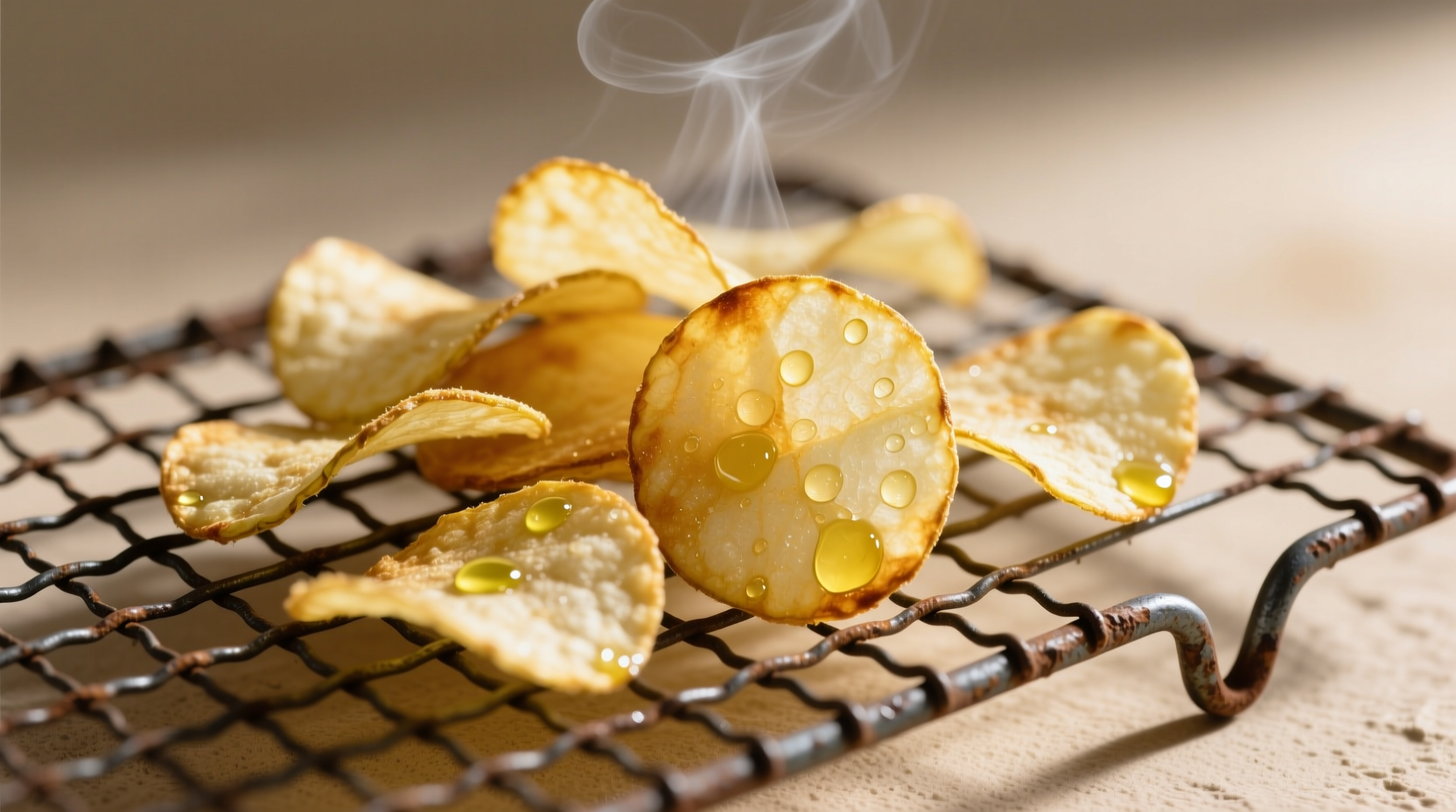
For seasoning, remember that less is more. A light sprinkle of sea salt immediately after frying allows optimal adhesion. If experimenting with flavors, consider adding dried herbs to the oil before frying—this infuses the oil with flavor that penetrates the chips during cooking.
Shopping for Avocado Oil Potato Chips: What to Look For
When selecting store-bought avocado oil potato chips, savvy consumers should examine:
- Ingredient transparency: Look for products listing only potatoes, avocado oil, and salt
- Oil quality indicators: "Refined" avocado oil typically has the highest smoke point needed for frying
- Portion awareness: Check serving sizes as some brands use smaller portions to make nutrition facts appear better
Be cautious of marketing terms like "keto-friendly" or "paleo-approved"—these don't necessarily indicate nutritional superiority. The FDA's food labeling guidelines require that such claims meet specific criteria, but they don't transform a high-calorie snack into a health food.
Setting Realistic Expectations
While potato chips made with avocado oil represent an interesting evolution in snack manufacturing, they shouldn't be viewed as a health food. The timeline of frying oil development shows a progression from animal fats to vegetable oils to today's specialized oils like avocado—but the fundamental nature of fried snacks remains unchanged.
As a professional chef who's worked with countless oils, I recommend viewing avocado oil potato chips as a potentially better option within the category of fried snacks, not as a health food. For genuine nutritional benefits, whole food snacks like fresh vegetables with guacamole deliver the avocado oil benefits without the frying process.
More Articles
 Fennel Seeds for Digestion: A Practical Guide
 Cream Cheese Potato Soup Crock Pot: Foolproof Recipe Guide
Smoked Paprika: Sweet, Bittersweet, Hot
Cream Cheese Potato Soup Crock Pot: Foolproof Recipe Guide
Smoked Paprika: Sweet, Bittersweet, Hot
 Standard Tomato Sauce Can Sizes: Complete Guide
 Cumin vs Coriander: Differences & Pairings
 Cilantro vs Coriander: Same Plant, Different Names Explained
 Garlic Pesto: Simple Recipe and Smart Uses
 Restore Spice Potency: A Practical Repair Guide
 Rolls for Seasoning
 Kitchen Spice Storage Hacks: Save Space