
Perfect Potato Rolls Recipe: Soft Homemade Dinner Rolls
Why Potato Rolls Beat Regular Dinner Rolls Every Time
Look, I get it—you're staring at your mixer wondering if swapping water for potato is worth the hassle. Honestly, I used to skip it too until a Thanksgiving disaster left us with hockey pucks instead of rolls. Here's the scoop: potatoes add natural sugars and starches that yeast loves, plus they trap moisture way better than water alone. The result? Rolls that stay soft for days, not hours. And no, sweet potatoes won't work here—that's a whole different beast (more on that later).
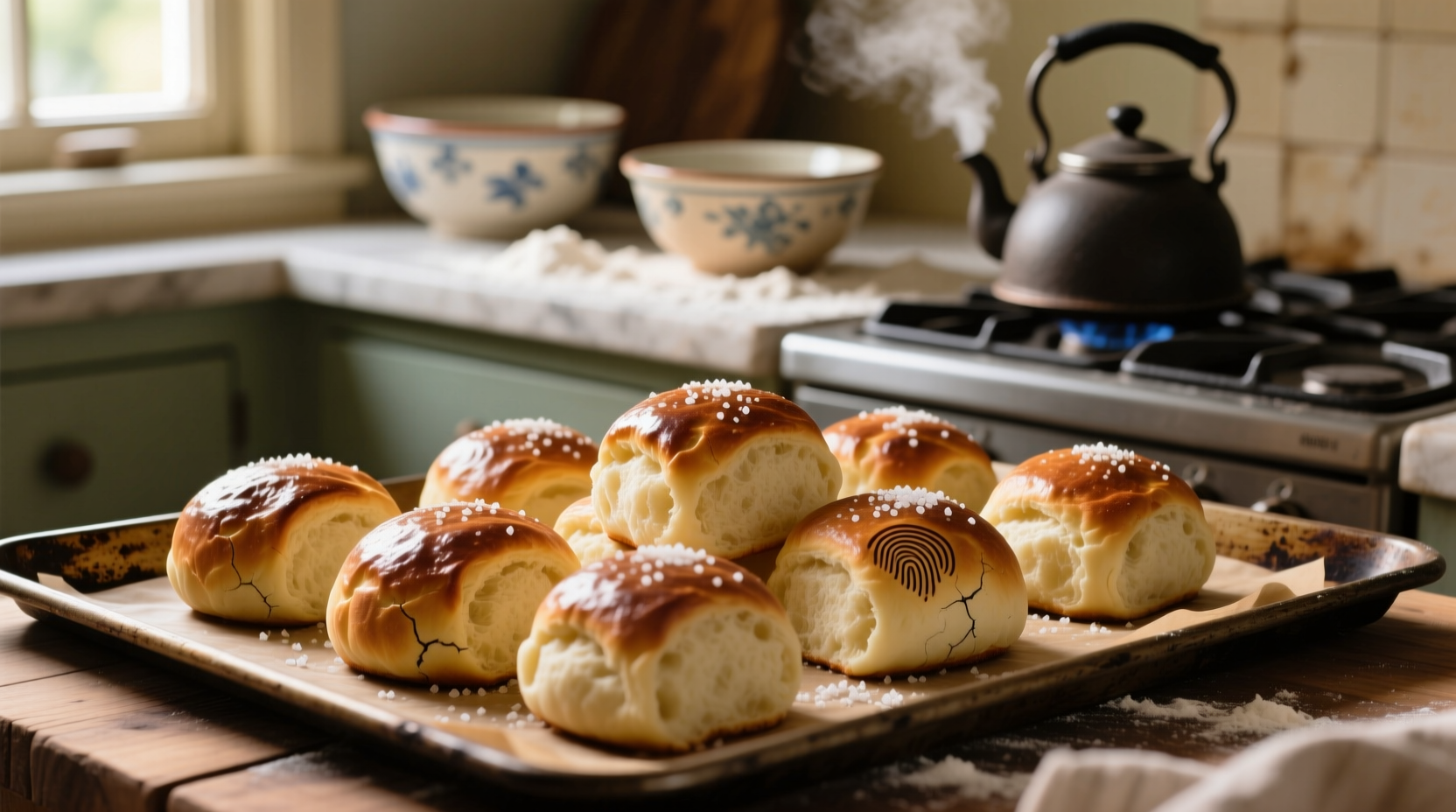
Your No-Stress Ingredient Checklist
Let's keep it real—you don't need a pantry overhaul. I've tested this with grocery store staples for two decades. Pro tip: warm your milk to body temperature (like baby bottle warm), not scalding hot. Kills the yeast every time. Oh, and skip instant yeast—it's finicky with potato moisture.
| Ingredient | Why It Matters | Swap If Needed |
|---|---|---|
| 2 cups mashed russet potatoes (cooled) | Creates airy texture without gumminess | Yukon Gold (denser result) |
| 3½ cups bread flour | Higher gluten = better rise | All-purpose (add 1 tbsp vital wheat gluten) |
| 2¼ tsp active dry yeast | Works reliably with potato moisture | Not instant yeast—trust me on this |
| ¼ cup melted butter | Flavor carrier (don't skip!) | Ghee (for dairy-free) |
Step-by-Step: Where Most People Blow It
Okay, confession time: my first batch failed because I rushed the potato cooling. Warm potatoes = dead yeast. Don't be me. Here's the foolproof sequence:
- Prep potatoes: Boil 2 russets (peeled) until fork-tender. Drain WELL—excess water ruins dough. Mash until smooth (no lumps!). Cool completely (≈1 hour). Seriously, test it with your finger.
- Mix wet stuff: Whisk cooled potatoes, warm milk, melted butter, 1 egg, and yeast. Wait 5 mins—if it foams, you're golden.
- Build dough: Gradually add flour until shaggy ball forms. Knead 8 mins by hand (or 5 mins mixer). Stop when it passes the "windowpane test"—stretch a piece thin enough to see light through without tearing.
- Rise smart: Coat bowl with oil, cover, and let rise in draft-free spot. Not the oven with light on—that dries edges. Perfect temp? 75°F (24°C). Takes 1.5 hours until doubled.
- Shape gently: Punch down, divide into 12 balls. Tuck seams under—no stretching! Place 2 inches apart on parchment-lined sheet.
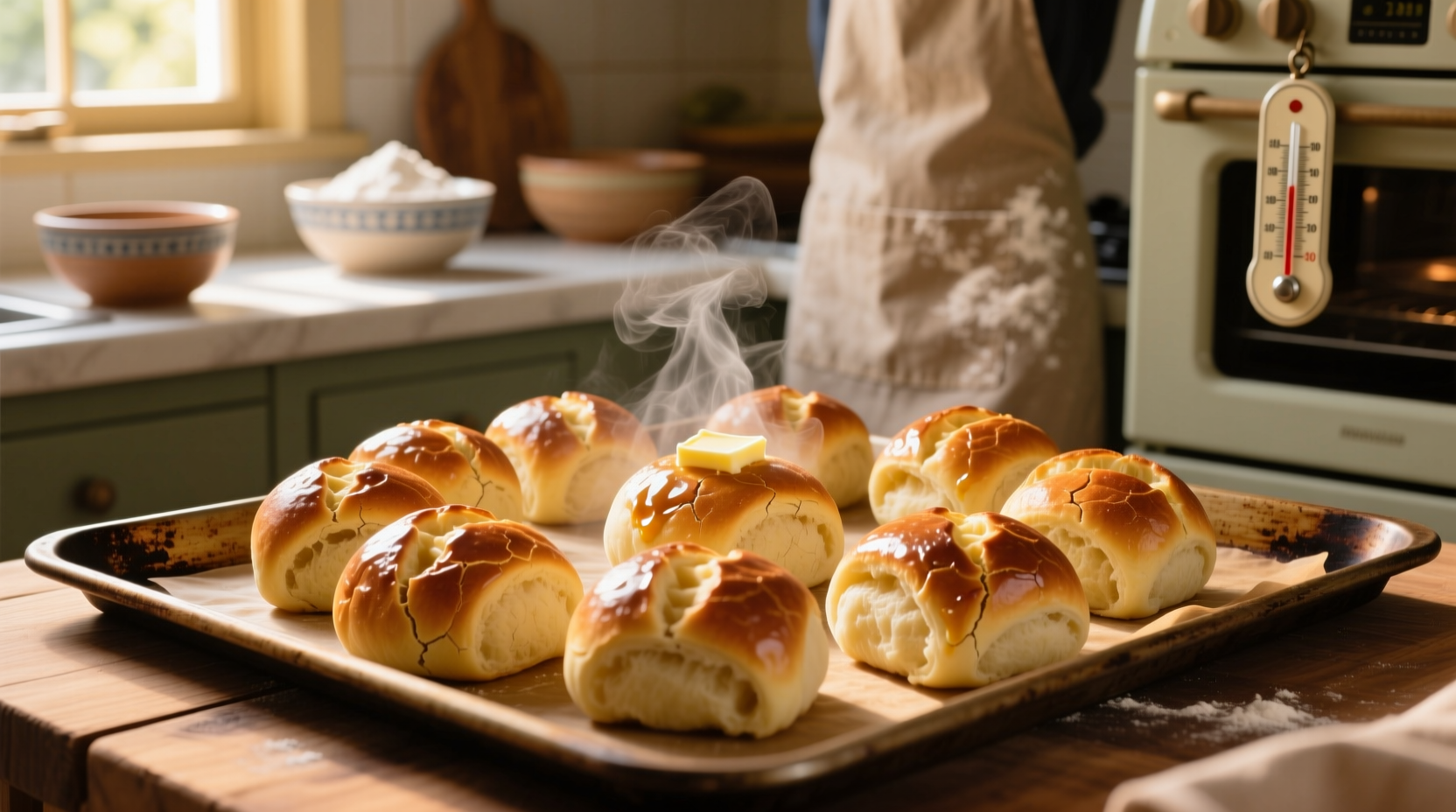
- Bake to perfection: 18-20 mins at 375°F (190°C) until golden. Brush with melted butter IMMEDIATELY after baking. This seals in softness.

When Potato Rolls Shine (and When to Skip 'Em)
After testing these for brunch clubs and holiday catering, here's my real-world cheat sheet:
| Scenario | Use Potato Rolls | Avoid Potato Rolls |
|---|---|---|
| Time available | Yes (3+ hours) | No (under 2 hours) |
| Meal pairing | Thanksgiving, roast beef sandwiches | Light salads (too heavy) |
| Storage need | Yes (stays soft 4 days) | Event same day only |
| Dietary restriction | Gluten-free swaps possible | Strict potato allergy |
3 Mistakes That Turn Rolls Into Doorstops
You know that dense, gummy roll you've probably baked? Yeah, I've thrown out batches too. Here's how to dodge those:
- Over-flouring the dough: Potato adds moisture, so you'll need ¼ cup less flour than recipes say. Stop adding when dough cleans the bowl but still feels tacky.
- Rushing the second rise: Those little balls need 45 mins after shaping. Peek underneath—if the pan looks empty, they're under-risen.
- Skipping the butter bath: That post-bake butter brush isn't optional. It creates a moisture barrier. Olive oil? Nope, changes flavor.
Everything You Need to Know
Nope—sweet potatoes have more sugar and moisture, which throws off yeast balance. I tested this for a client's gluten-free event and got gummy rolls every time. Stick to starchy russets or Yukon Golds for reliable texture. Sweet potato rolls need a completely different recipe structure.
Cool completely, then store in an airtight container with a paper towel (absorbs condensation). They'll stay soft for 4 days at room temperature. Freezing? Wrap tightly in plastic—thaw at room temp for 2 hours. Never refrigerate; it dries them out faster than a desert wind.
Almost always one of three things: 1) Potato wasn't cooled (killed yeast), 2) Too much flour added during kneading, or 3) Under-risen. Check your rise spots—cold kitchens need 25% more time. I keep a thermometer in my proofing drawer; 75°F is the sweet spot.
Nutritionally similar, but potatoes add potassium and vitamin C. The real win is satisfaction—you eat fewer rolls because they're more flavorful. Skip the butter brush if watching calories, but honestly? That 10-second step makes or breaks the texture.
Absolutely—I do this for holiday prep. After first rise, punch down, shape rolls, and refrigerate overnight on the baking sheet. Next morning, let them sit 30 mins while oven preheats. They'll rise perfectly and bake in 20 mins. Game changer for brunch chaos.
More Articles
 Garlic Powder to Clove Ratio: When ⅛ tsp Is Enough
 Avocado Oil Potato Chips: Facts vs. Hype
 How to Make Candied Orange Peels: Simple Homemade Recipe
 Long Pepper: The Forgotten Ancestor of Black Pepper
 Onion Confiture Recipe: French Pantry Staple Made Simple
 Bitter Greens: 25 Types With Cooking Tips
 Nigella Seeds (Black Cumin): Flavor and Uses
 Garlic Parmesan Roasted Carrots: Simple Recipe Guide
 Oats Cooking Ratios & Timing for Perfect Oatmeal
 The Ultimate Essential Guide to Building and Mastering Your Home Spice Pantry