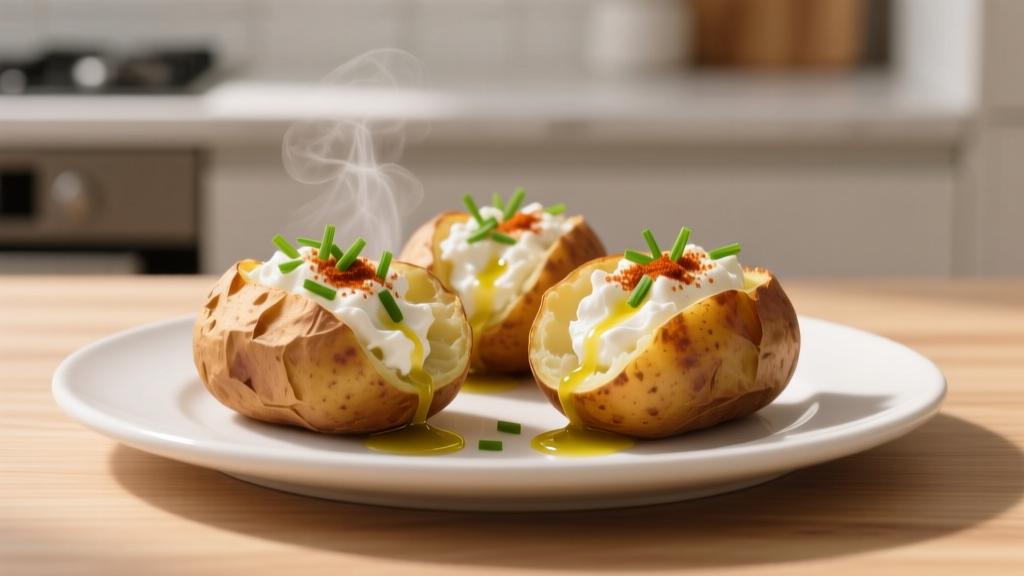
Breakfast Baked Potatoes: Nutritious & Simple (2026)
Why Your Morning Breakfast Routine Needs an Upgrade
Let's be real—you're probably scrambling eggs or grabbing cereal while rushing out the door. I've been there for 20 years in the food industry, and honestly? Most "quick" breakfasts crash your energy by 10 a.m. Sugary options leave you hungry again fast, while complex recipes eat up precious time. But here's the thing: a baked potato takes the same effort as popping toast, yet keeps you full for hours. It's not just carbs; it's smart fuel when done right.
The Magic of Breakfast Baked Potatoes (No, Really)
After testing hundreds of breakfasts, I can tell you baked potatoes aren't just dinner leftovers. They're a blank canvas for protein-packed mornings. Roast them ahead, then top with fried eggs or black beans—boom, 15 grams of protein without the bacon grease. The key? Potassium and fiber stabilize blood sugar, so you avoid that mid-morning slump. And trust me, once you try crispy skin with avocado, you'll ditch soggy oatmeal for good.
| Potato Type | Best For Breakfast? | Why It Works | Watch Out For |
|---|---|---|---|
| Russet | ✓ Yes | Crispy skin, fluffy inside holds toppings well | Takes 45+ mins to bake—cut smaller for speed |
| Yukon Gold | ✓ Best | Creamy texture, faster bake (30 mins), pairs with eggs | Skin less crispy—broil 2 mins for crunch |
| Red Potato | ✗ Skip | Firm when cooked, better for salads | Waxy texture doesn't absorb breakfast flavors |
How to Make Perfect Breakfast Baked Potatoes (Step-by-Step)
Okay, let's get practical. You don't need fancy gear—just a fork and oven. First, scrub Yukon Golds (they're faster), pierce skins, and bake at 400°F for 30 minutes. While those roast, fry an egg. When potatoes are tender, slice open, fluff with fork, and load up. Pro tip: rub skins with olive oil before baking—it crisps them without soggy middles. Seriously, this takes less time than waiting for coffee to brew.

When Baked Potatoes Shine (and When to Skip)
Look, I've seen folks force this into every meal, but it's not magic. Use it when: you've got 30 minutes (or prepped potatoes), need sustained energy for work meetings, or want veggie-loaded mornings. It's perfect post-gym for carb refueling too. Avoid it if: you're on a strict low-carb diet, rushing in under 15 minutes (try overnight oats instead), or dealing with digestive issues—cold potatoes can cause bloating for some. Honestly, I skip it during keto weeks but rotate it in otherwise.
Pro Tips for Busy Mornings
Here's what I do weekly: bake 4 potatoes Sunday night, store cooled in fridge. Next morning, microwave one for 90 seconds, then broil 3 mins for crispness. Top with pre-chopped spinach and a fried egg—done in 5 minutes flat. Oh, and never drown it in cheese; a sprinkle of smoked paprika adds flavor without gut bombs. After two decades, this is my go-to for days I'm teaching cooking classes and need real fuel.
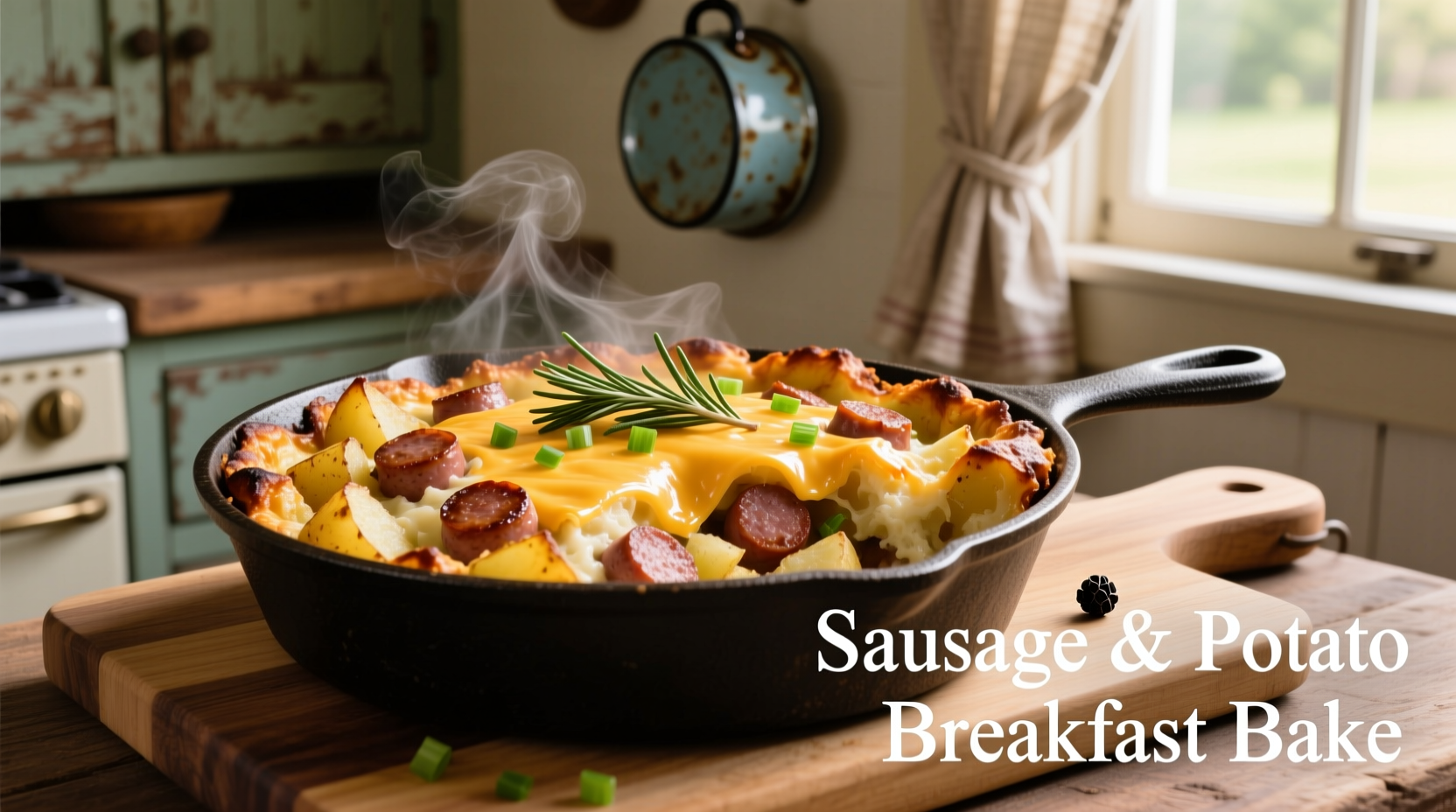
Avoid These Potato Pitfalls
Biggest mistake I see? Baking whole potatoes from cold—they take forever. Always cut into halves or wedges. Second, skipping the salt rub; it draws out moisture for crispier skin. And please, don't overload with sugary sauces. One chef friend learned this hard way when her "maple bacon potato" turned into a sticky mess. Stick to savory toppings like salsa or Greek yogurt. Finally, cold potatoes straight from fridge taste like cardboard—always reheat properly.
Everything You Need to Know
Yes, when balanced. A medium potato has 150 calories, 3 grams fiber, and 20% daily potassium—great for blood pressure. Pair with protein like eggs to avoid blood sugar spikes. Avoid loading with butter or sour cream; use avocado instead for healthy fats. Registered dietitians confirm this combo supports sustained energy better than processed cereals.
Never microwave alone—it makes them soggy. Instead, wrap in foil and bake at 350°F for 15 minutes, or air-fry at 375°F for 8 minutes. For speed, microwave 60 seconds first, then broil 2 minutes uncovered. This keeps the skin crispy while warming fillings evenly. I do this daily during cooking workshops when prepping demo meals.
Absolutely. Bake potatoes fully, cool completely, and store in airtight containers for up to 4 days. For best results, reheat before adding wet toppings (like salsa) to prevent sogginess. Pro move: freeze baked potato halves for 2 months—thaw overnight, then crisp in oven. I've used this trick for years when filming recipe videos to save morning setup time.
Overlooking potato variety. Russets work but take too long for mornings; Yukon Golds are faster and creamier with eggs. Also, skipping the oil rub—this isn't optional for crisp skin. One test kitchen error I saw: adding toppings before baking, which steams the potato. Always load toppings after roasting. These tweaks make or break the meal, based on 20 years of recipe testing.
For strict low-carb diets, swap potatoes with roasted cauliflower or sweet potato cubes (in moderation). But note: regular potatoes aren't keto-friendly. If reducing carbs, keep portions small (½ potato) and double protein like scrambled eggs. Nutrition studies show this balances macros without sacrificing fullness. Honestly, though, for most active people, the fiber in potatoes makes them a smarter carb choice than toast.
More Articles
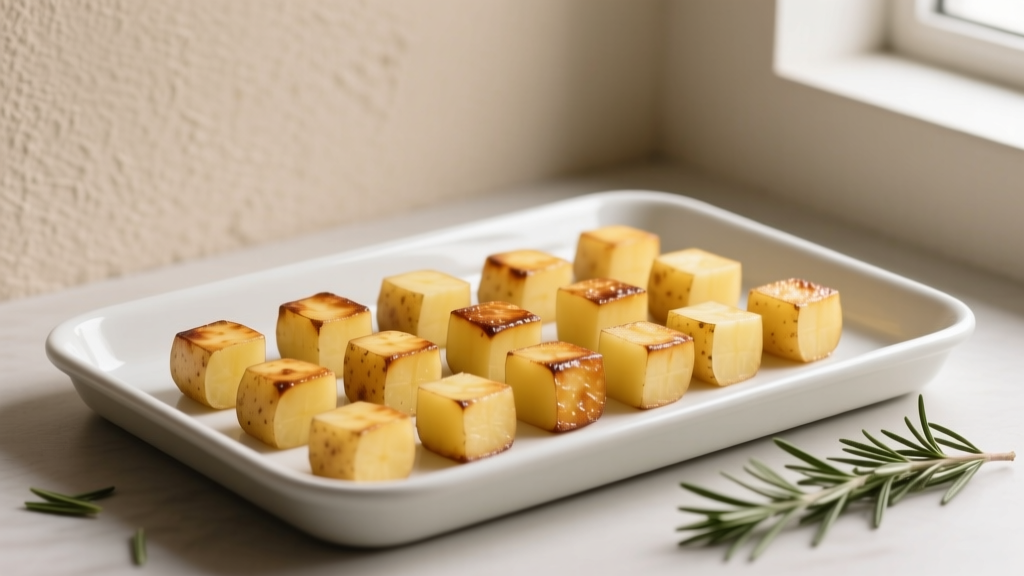 Perfect Potato Cubes in Oven: Time, Temp & Technique Guide
 Caraway vs Cumin: Know the Difference
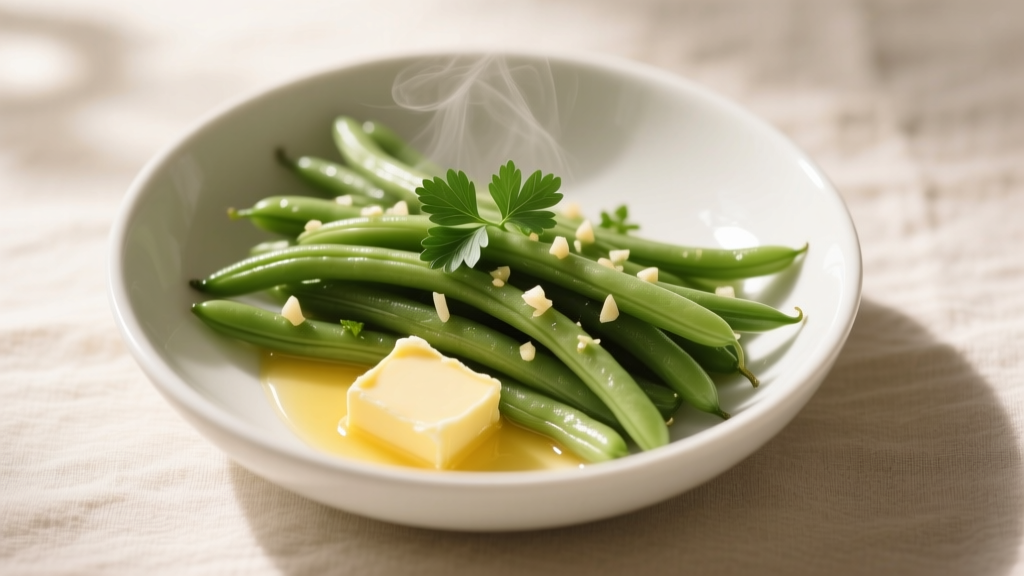 Garlic Butter String Beans: 15-Minute Recipe
Fenugreek: Essential Spice Guide 2026
Garlic Butter String Beans: 15-Minute Recipe
Fenugreek: Essential Spice Guide 2026
 Sweet Potato Chocolate Cake: Moist & Healthy Recipe
 Crispy Roasted Garlic Potatoes Recipe: Simple & Perfect
 Perfect Potato Rolls Recipe: Soft Homemade Dinner Rolls
 Can Sausage Be Pink? Food Safety Facts Explained
Fresh vs Dried Turmeric: When to Use Each
Can Sausage Be Pink? Food Safety Facts Explained
Fresh vs Dried Turmeric: When to Use Each
 Fenugreek Seeds: Benefits and Uses