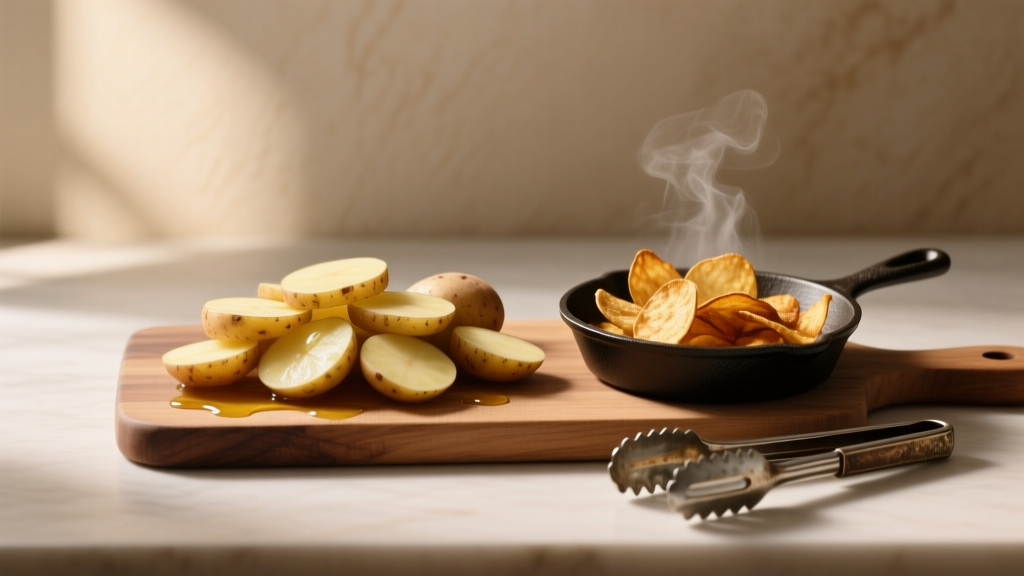
Making Potato Chips: Your Step-by-Step Home Guide
Why Bother Making Your Own Potato Chips?
Let's be real—store-bought chips are loaded with preservatives and cost a fortune. I've tested this for 20 years, and honestly? Homemade versions taste fresher, let you control ingredients, and save cash. Plus, you avoid weird additives like TBHQ. But here's the catch: if you rush the prep, you'll end up with limp, oily messes. Trust me, I've ruined more batches than I care to admit.
The Real Secret to Crispy Chips (It's Not What You Think)
Most folks obsess over oil types, but the game-changer is moisture control. Potatoes hold water—way more than you'd guess. If slices aren't bone-dry, oil splatters violently and chips steam instead of frying. After years of trial and error, I skip soaking potatoes; just scrub, slice ultra-thin (1/16 inch), and pat dry with paper towels for 5 full minutes. Seriously, don't skip this step—it's why your last attempt failed.
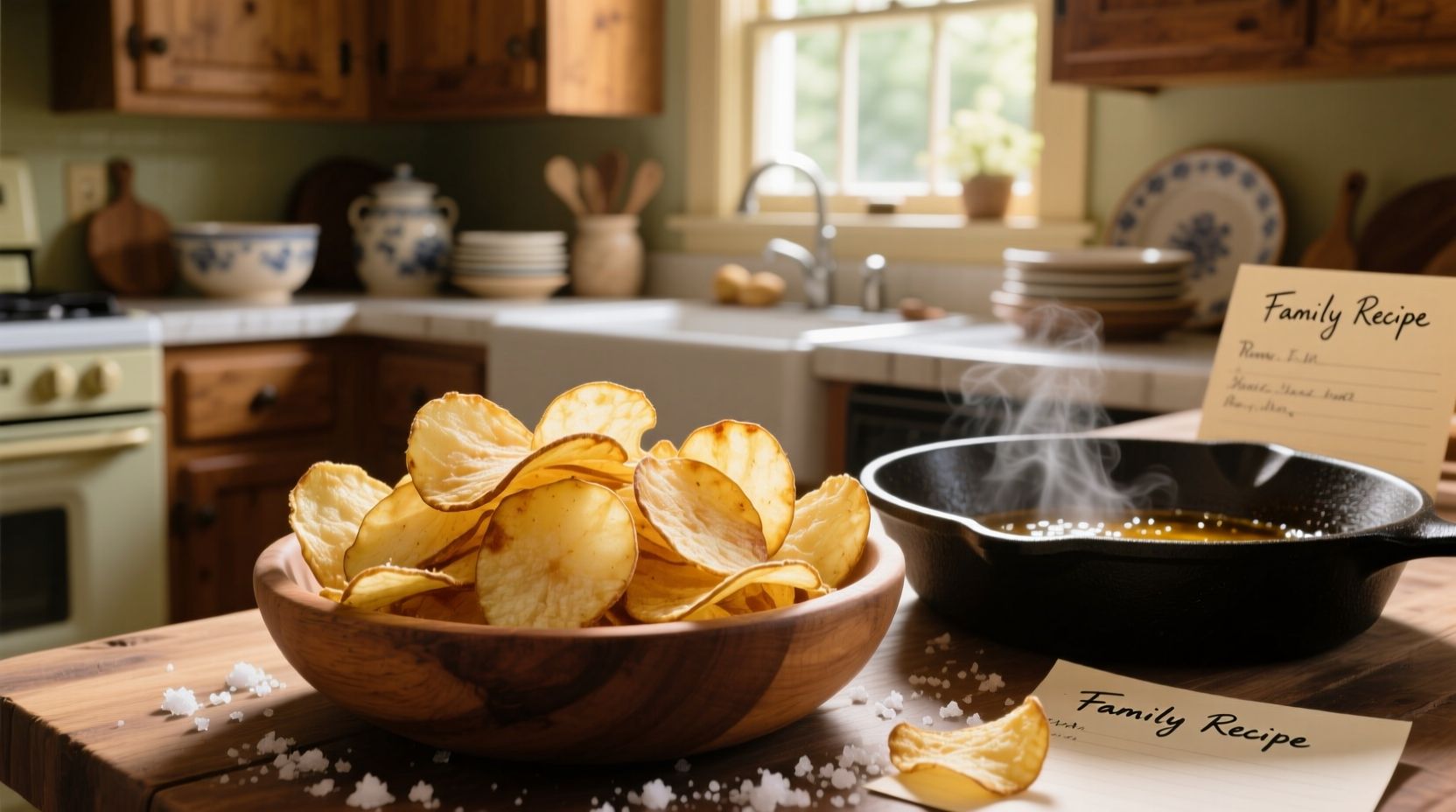
Your No-Stress Step-by-Step Guide
Follow this exact sequence. Deviate, and you'll pay the price.
What You'll Actually Need
- Potatoes: Russets or Yukon Golds (starchy = crispier)
- Oil: Peanut or avocado oil (high smoke point)
- Tools: Mandoline slicer (non-negotiable for thinness), thermometer, wire rack
The Frying Process That Works Every Time
- Slice potatoes to 1/16 inch using a mandoline—never a knife. Thicker slices = chewy centers.
- Dry slices aggressively with paper towels. Wait 5 minutes; moisture evaporates slowly.
- Heat oil to 360°F in a heavy pot. Use a thermometer—eyeballing kills batches.
- Fry in small batches (4-5 slices max) for 2-3 minutes until golden. Stir gently.
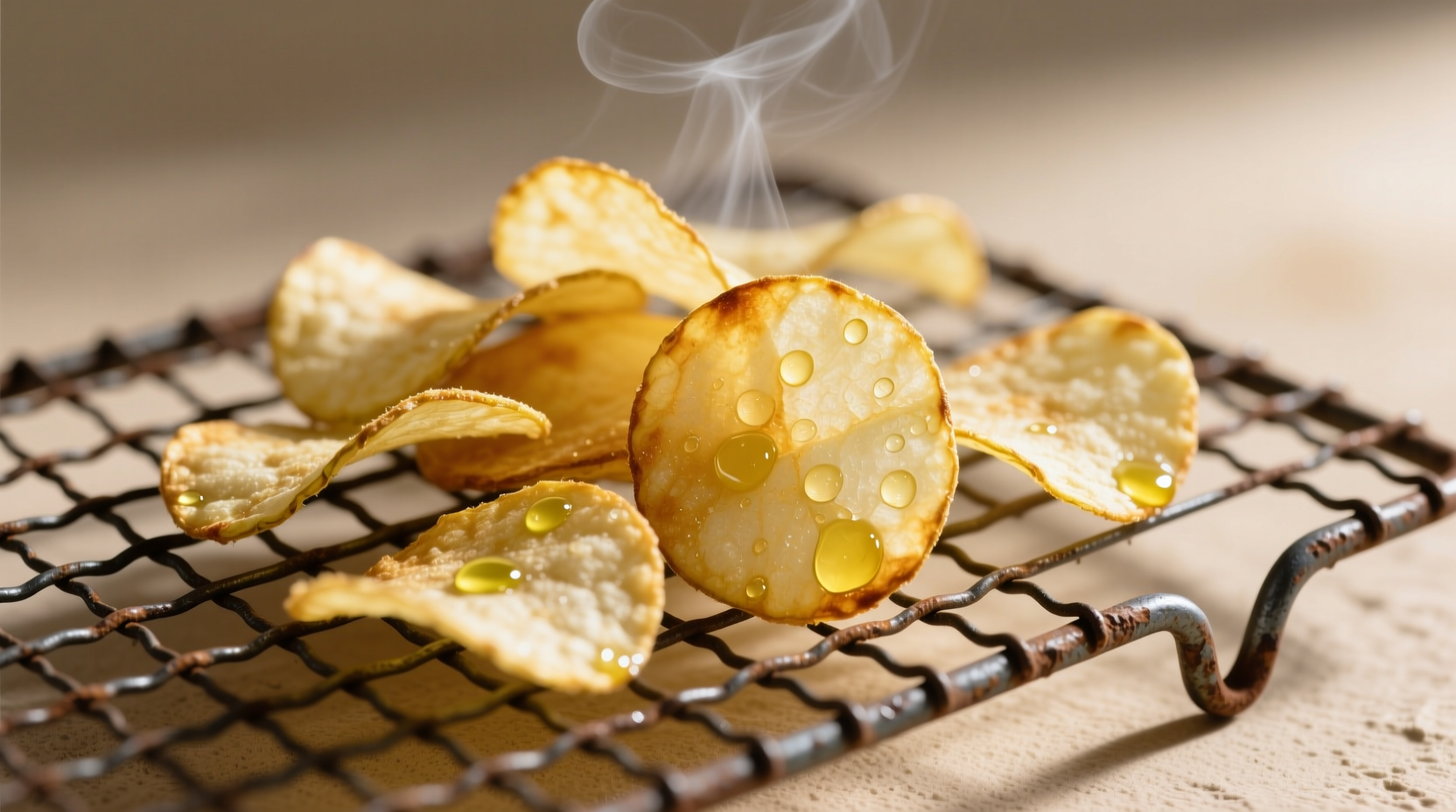
- Drain on wire rack immediately. Never use paper towels—they trap steam.
- Season within 30 seconds while chips are hot.
Frying vs. Baking: When to Choose Which Method
Look, oven chips aren't "healthy"—they're just less crispy. I've tested both relentlessly. Here's the raw truth:
| Method | Best For | Avoid If... | Pro Tip |
|---|---|---|---|
| Deep Frying | Max crunch, parties, traditional texture | You're oil-averse or lack thermometer | Maintain 360°F—drops below 340°F = greasy chips |
| Oven Baking | Quick snack, no oil splatter risk | You want authentic crispiness | Brush slices with oil—don't spray (uneven coating) |
Bottom line: Fry for game-day crunch. Bake only if you're time-crunched or fear oil. But don't pretend oven chips match fried—they don't. Period.
How to Spot Perfect Chips (and Avoid Disaster)
After two decades, I judge chips by three things: sound (should shatter when bitten), color (uniform pale gold—never brown), and texture (no bend, just snap). If they're soggy, your oil was too cold or slices were wet. Burnt edges? Temperature spiked over 375°F. And for heaven's sake, never store chips while warm—they'll turn chewy in 10 minutes.
3 Mistakes That Wreck Homemade Chips
These aren't theories—I've made them all:
- Skipping the wire rack: Paper towels = steamed chips. Always cool on a rack.
- Overcrowding the pot: Lowers oil temp instantly. Fry tiny batches.
- Seasoning too late: Salt won't stick if chips cool down. Do it hot.
Oh, and ditch the myth about soaking potatoes—it leaches starch needed for crispness. Fresh potatoes work fine if dried properly.
Everything You Need to Know
Sogginess happens when potato slices aren't completely dry before frying or oil temperature drops below 340°F. Always pat slices with paper towels for 5 minutes and use a thermometer—never guess. Overcrowding the pot also cools oil too fast, causing chips to absorb grease instead of crisping.
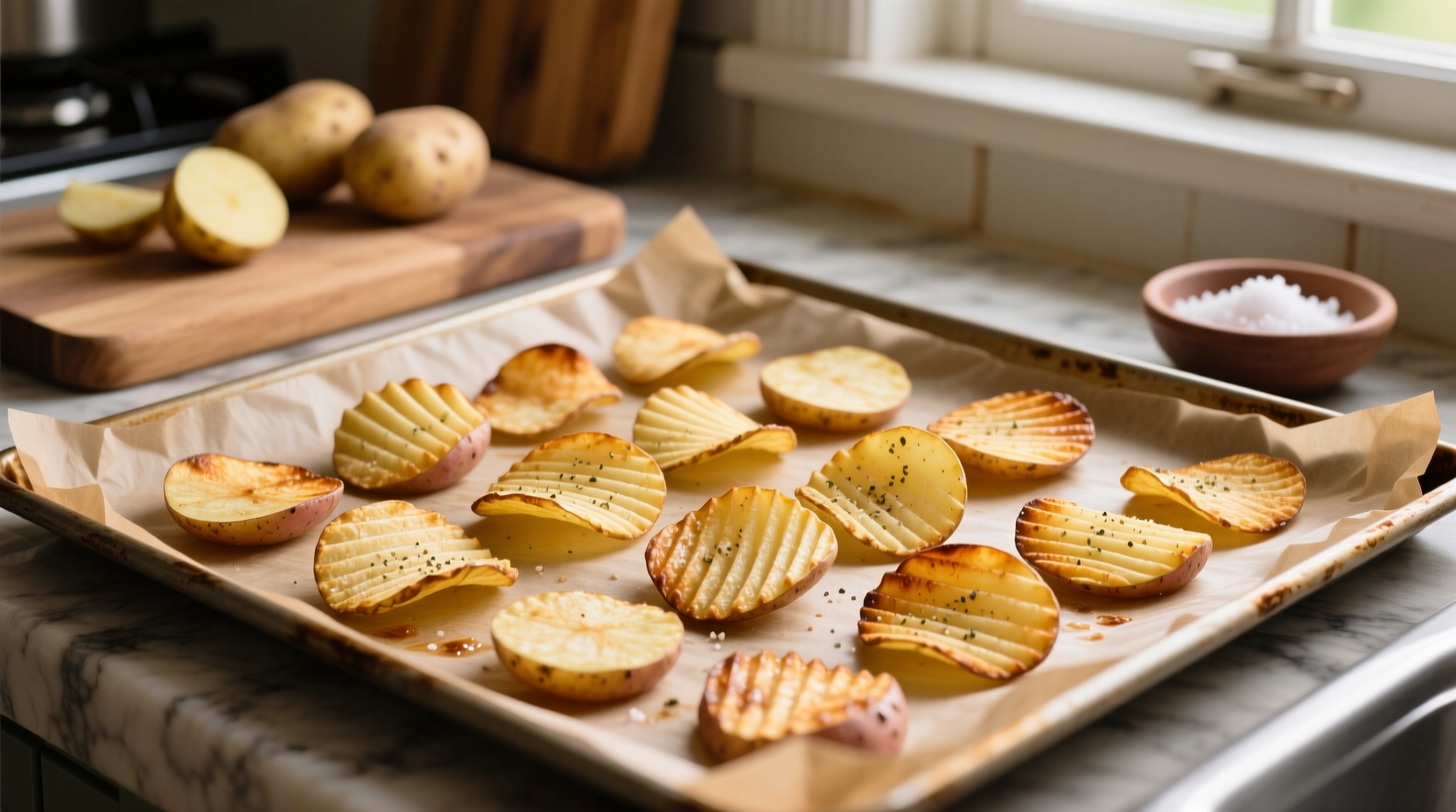
Oven-baked chips can be crispy but lack the authentic snap of fried versions. For best results, brush thin potato slices with avocado oil, bake at 400°F on a wire rack for 15-20 minutes flipping halfway. They'll be lighter but noticeably less crunchy—ideal if you're avoiding oil splatter, not追求 maximum crispness.
Properly cooled and stored in an airtight container, chips stay crisp for 3-4 days at room temperature. Humidity is the enemy—never add desiccant packets. If they soften, re-crisp in a 300°F oven for 3 minutes. Avoid refrigeration; it introduces moisture that ruins texture.
Baked chips use less oil but aren't significantly healthier—both are still high in calories and carbs. The real advantage is avoiding acrylamide (a compound formed in high-heat frying), but oven methods require oil brushing that often leads to uneven coating. For true health gains, skip chips entirely and try roasted chickpeas instead.
Russet potatoes win for classic chips—they're starchy, yielding maximum crispness. Yukon Golds work for richer flavor but produce slightly less crunch. Avoid waxy potatoes like reds; their low starch content makes chips chewy. Pro tip: Use potatoes within 2 weeks of purchase—older spuds develop sugars that cause burning.
More Articles
 Tomato and Cucumber: Safe Together? Science-Backed Facts
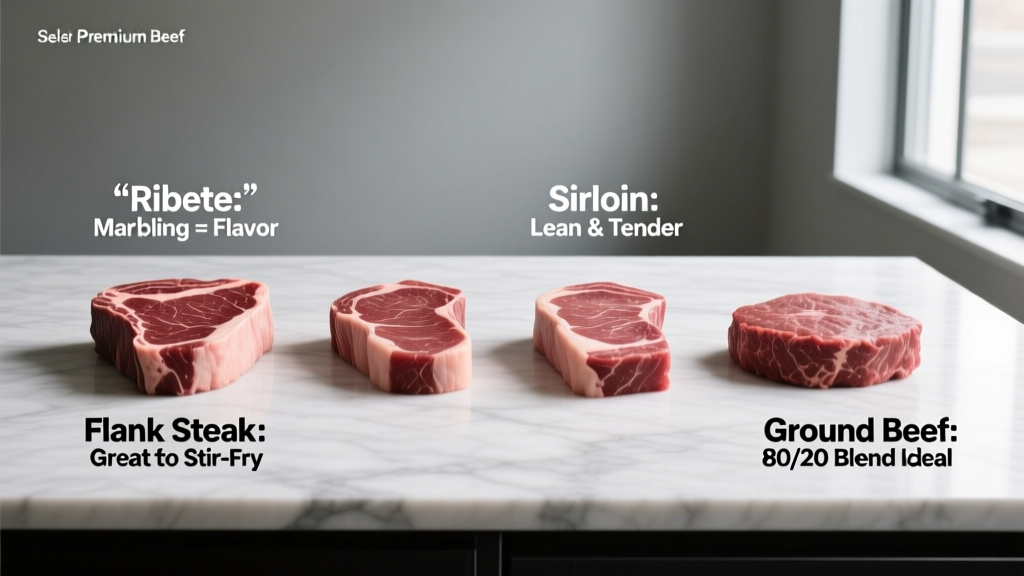 How to Choose Beef: A Science Guide
 Cardamom Pods vs Ground: Which to Use (2026)
 Onion Fritters: Crispy Recipe Guide & Expert Tips
 Spice Safety Buying Guide
 Does Turmeric Expire? Shelf Life, Storage & Safety Facts
 Best Chili Sauce Substitutes: 10 Practical Alternatives
 Best Sides for Split Pea Soup: Complete Pairing Guide
 Spice Basics for Absolute Beginners
 Anise Seed Uses: 15 Practical Applications (2026)