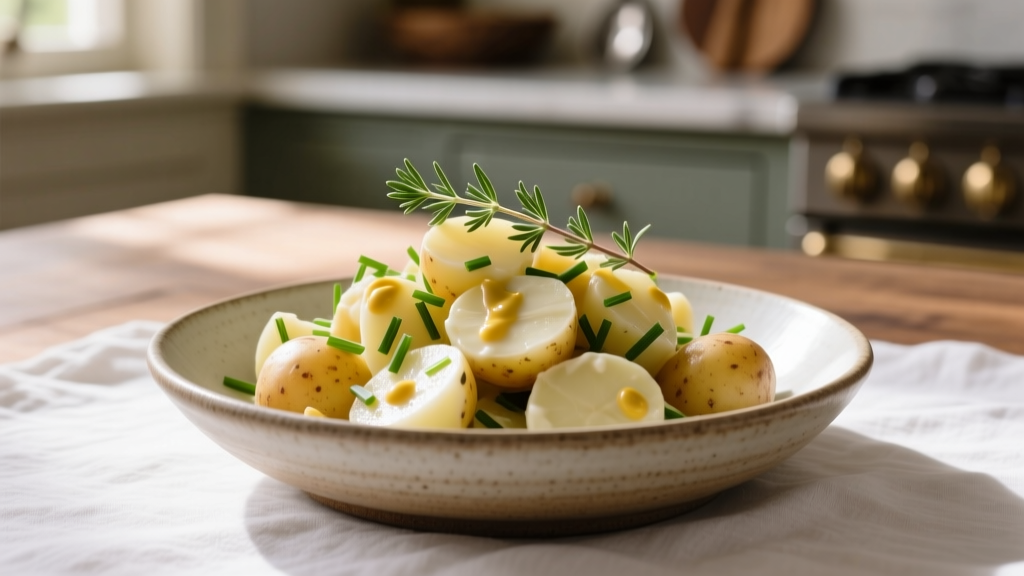
Ina Garten's Potato Salad Recipe: French-Style Perfection
Why This Recipe Fixes Common Potato Salad Fails
Let's be real—most potato salads turn out either mushy or bland. I've tested dozens over 20 years, and Ina's method nails it because she starts with the dressing. Seriously, pouring that warm vinegar-mustard mix over hot potatoes? That's the game-changer. It soaks right in instead of sitting on top like mayo-based versions. You get tangy depth without the gloopy texture. Honestly, I ruined three batches before realizing: never skip the chilling step. Skipping it = watery disaster. Trust me, your cookout guests will actually ask for seconds.
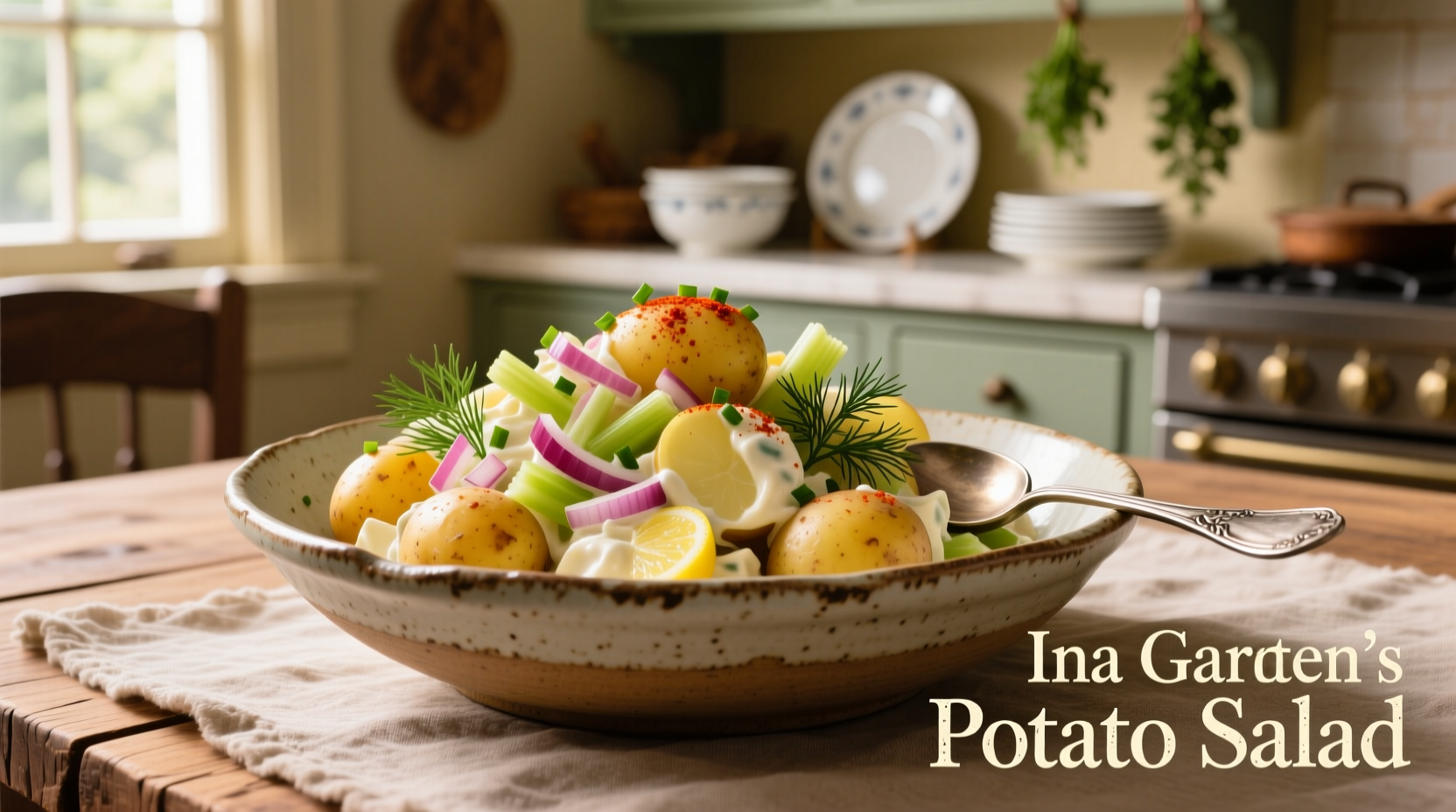
What Makes Ina's Version Different (And Better)
You know how some recipes call for mayo but leave you with a sad, pale pile? Ina ditches it completely for a bright French vinaigrette. It’s lighter but somehow more satisfying—especially in summer heat. The magic’s in the timing: you dress the potatoes when they’re hot, so they soak up every bit of that shallot-Dijon goodness. And yeah, fresh dill isn’t optional here; it cuts through the richness. I’ve tweaked this for backyard parties, and folks always wonder why it doesn’t taste like every other potato salad they’ve had. Spoiler: it’s not mayo-free for health reasons—it’s because mayo drowns the potato flavor.
| Feature | Ina Garten's French Style | Classic American Style |
|---|---|---|
| Dressing base | Vinegar + olive oil + Dijon | Mayonnaise-heavy |
| Texture | Creamy but distinct potato pieces | Often mushy or gluey |
| Best served | Cold (chilled 8+ hours) | Room temp (same day) |
| Storage life | 4 days (flavor improves) | 2 days (soggy after day 1) |
Step-by-Step: No-Stress Assembly
Okay, let’s get practical. First—potato choice matters way more than you think. Waxy types like Yukon Gold or red potatoes hold their shape. Russets? Nope, they’ll disintegrate. Boil them whole with skins on (yes, really), then peel after cooling slightly. Why? Less water absorption = firmer texture. While potatoes cook, whisk 1/4 cup cider vinegar, 1 tbsp Dijon, 1 minced shallot, and 1/2 cup olive oil. Salt it well—potatoes need seasoning while hot. Toss everything gently in a big bowl. Add 3 tbsp chopped dill and 2 hard-boiled eggs (sliced, not diced—big flavor pockets). Cover and chill at least 8 hours. I know, waiting sucks, but it’s non-negotiable.
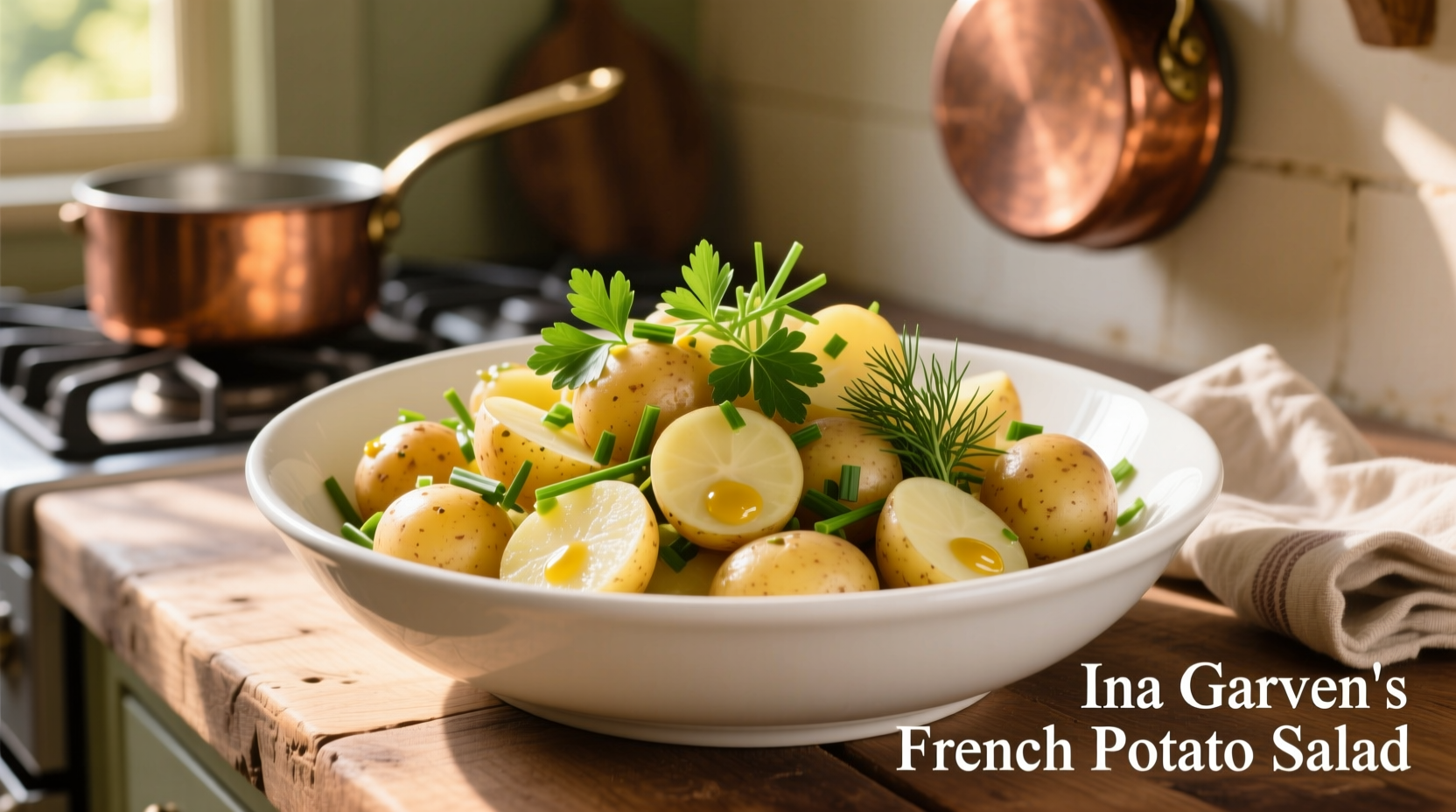
When to Use (Or Skip) This Recipe
Reach for Ina’s version when: you’re serving outdoors in heat (no mayo spoilage risk), want bright acidity with grilled meats, or need make-ahead reliability. It’s my go-to for July 4th cookouts—holds up in picnic baskets for hours. But honestly? avoid it if you’re feeding picky kids who hate vinegar tang, or if you need last-minute food (that chilling time isn’t flexible). Also, don’t substitute mustard with mayo “just to try”—it defeats the whole purpose. One time I did that for a client event? Total flop. Stick to the method.
Avoid These 3 Rookie Mistakes
1. Over-boiling potatoes: Simmer gently until fork-tender (15-20 mins max). Boiling hard = falling apart. 2. Using cold dressing: Warm potatoes absorb flavors; cold dressing = bland salad. Always dress while potatoes are hot. 3. Skipping the rest time: Chilling lets flavors marry. Serve too soon = disjointed taste. Pro move: stir in extra dill right before serving for freshness.
Everything You Need to Know
Yes, absolutely. Ina’s original includes eggs, but skipping them won’t hurt texture. For richness, add 1 extra tbsp olive oil and 1 tsp capers. Many home cooks omit eggs during summer months—still holds up perfectly at potlucks.
Watery salad means you either dressed cold potatoes (they need heat to absorb dressing) or used starchy potatoes like Russets. Stick to waxy varieties, and always toss dressing into hot potatoes. If it happens, drain excess liquid before serving—don’t add more mayo to “fix” it.
Up to 2 days ahead. Flavor actually improves after 24 hours as herbs infuse. Store covered in the fridge—never at room temp. For best results, add fresh dill right before serving. I’ve made it 3 days out for catering events with zero issues.
Yes—cider vinegar adds a subtle sweetness that works great here. Ina specifies white wine vinegar in her Barefoot Contessa cookbook, but I prefer cider for backyard BBQs. Just don’t use distilled white vinegar; it’s too harsh and overpowers the herbs.
More Articles
 Best Sides for Split Pea Soup: Complete Pairing Guide
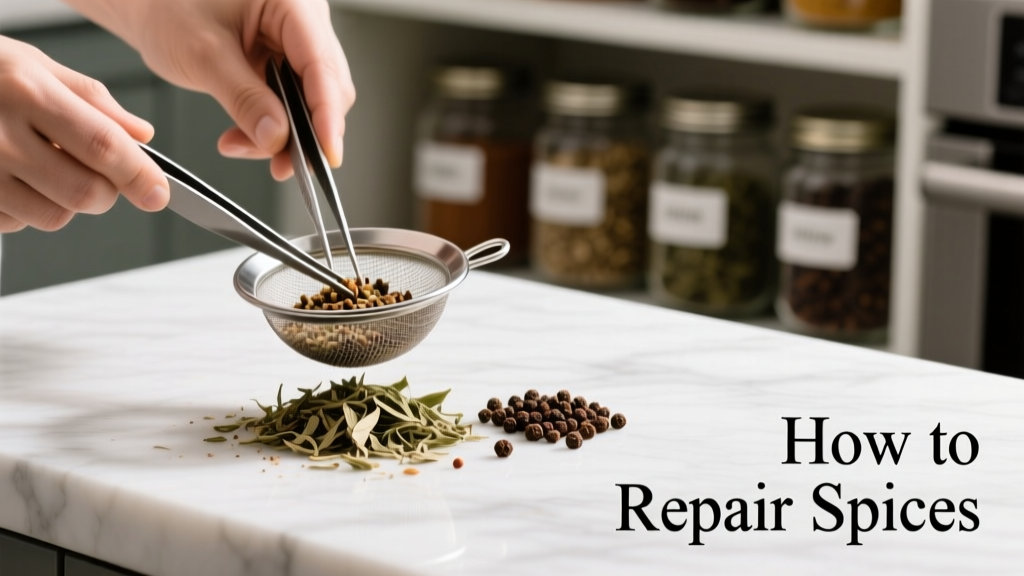 How To Repair Spices: Reviving Flavor, Aroma, and Potency in Your Pantry
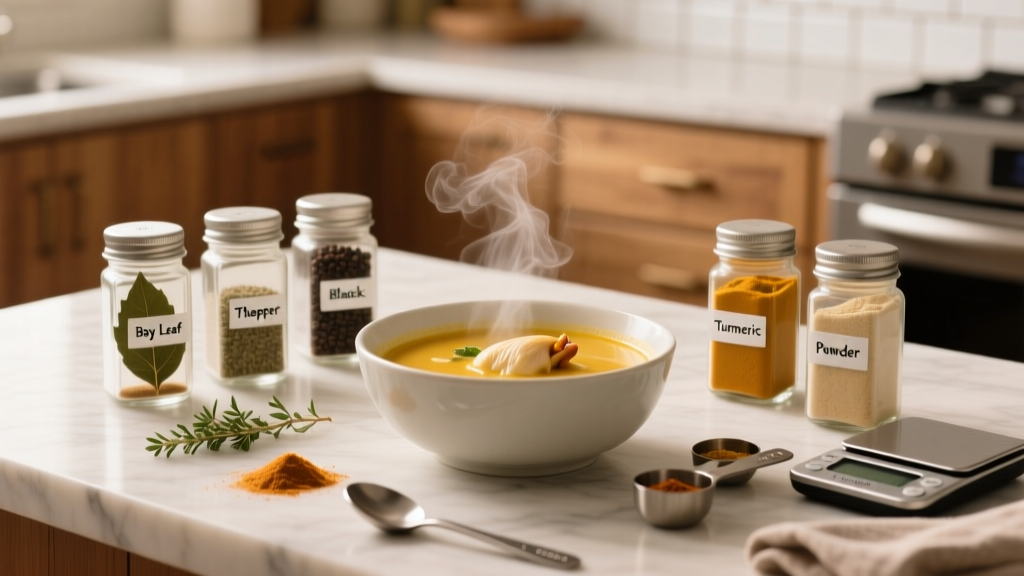 Chicken Soup Spices: 8 Best Additions
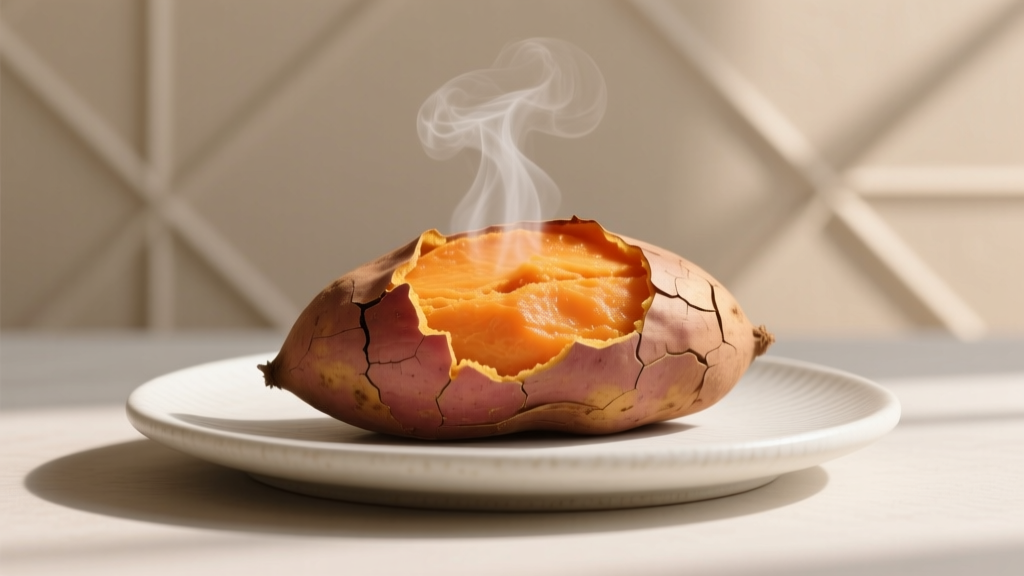 How to Cook Korean Sweet Potato: Foolproof Baking Guide
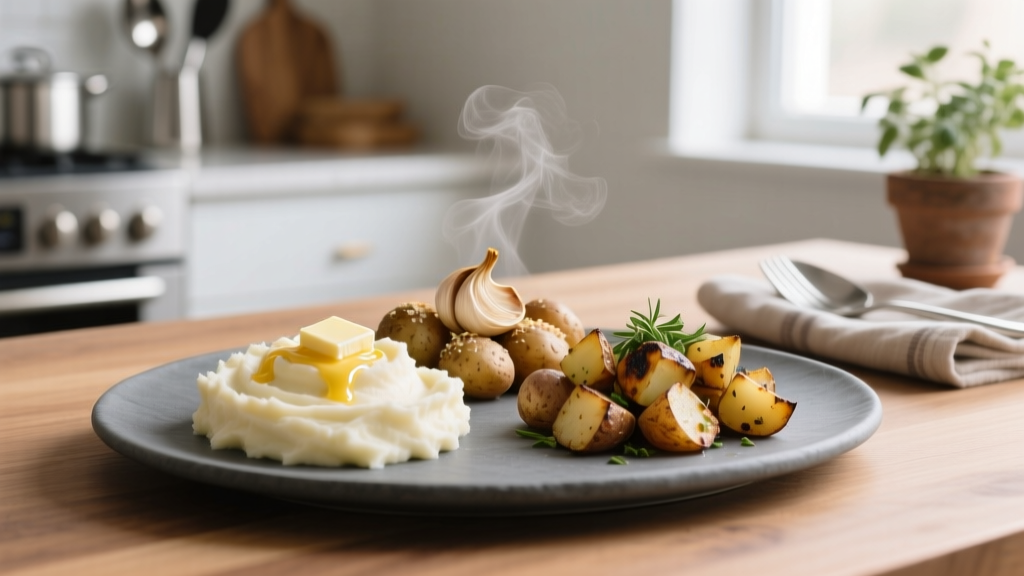 Practical Potato Side Dish Recipes: Proven Techniques
 Slow Cooker Beef Stew: Simple Recipe Steps
 Cloves to Tsp: Exact Conversion for Cooking & Baking
 The World's Most Colorful Spices: A Visual Ranking
 Pink Peppercorn: Flavor, Uses & Cooking Tips
 Oven Roast Cauliflower: Simple Steps for Crispy Results