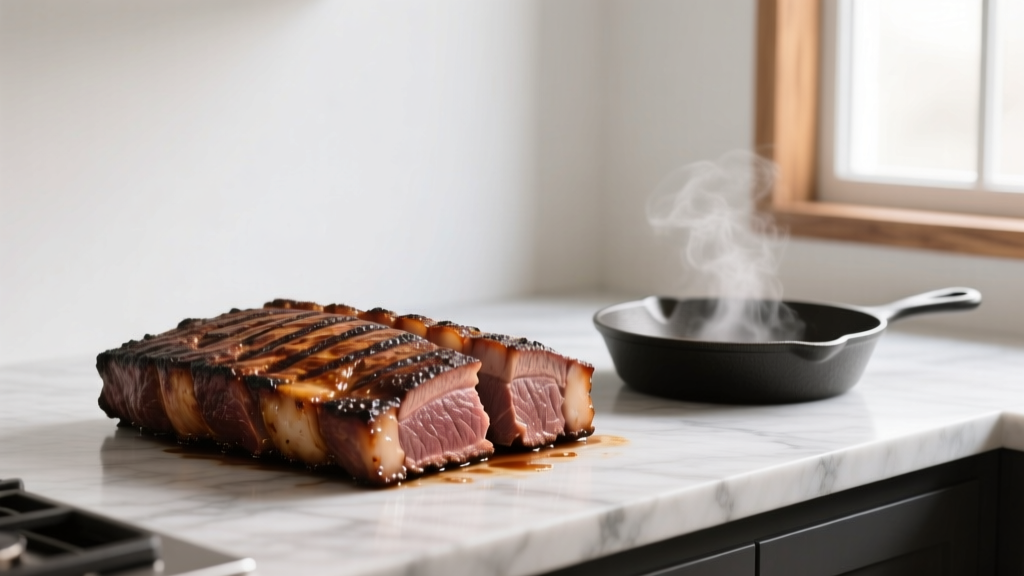
Oven Beef Brisket Guide: Tender Results Every Time
Why Oven Cooking Beats the Guesswork
Look, I've seen so many folks wreck a beautiful brisket by rushing it. You know that tough, dry meat horror story? Yeah, it usually happens because they treat it like a steak. Brisket’s packed with collagen—it needs gentle, moist heat to transform. Oven braising? Honestly, it’s my go-to when I want control without babysitting a smoker. No fancy gear, just your trusty oven and a Dutch oven. Plus, you avoid the slow cooker’s mushy texture trap. Trust me, after 20 years of testing, this method nails that fall-apart tenderness every single time.
What You’ll Actually Need (No Fluff)
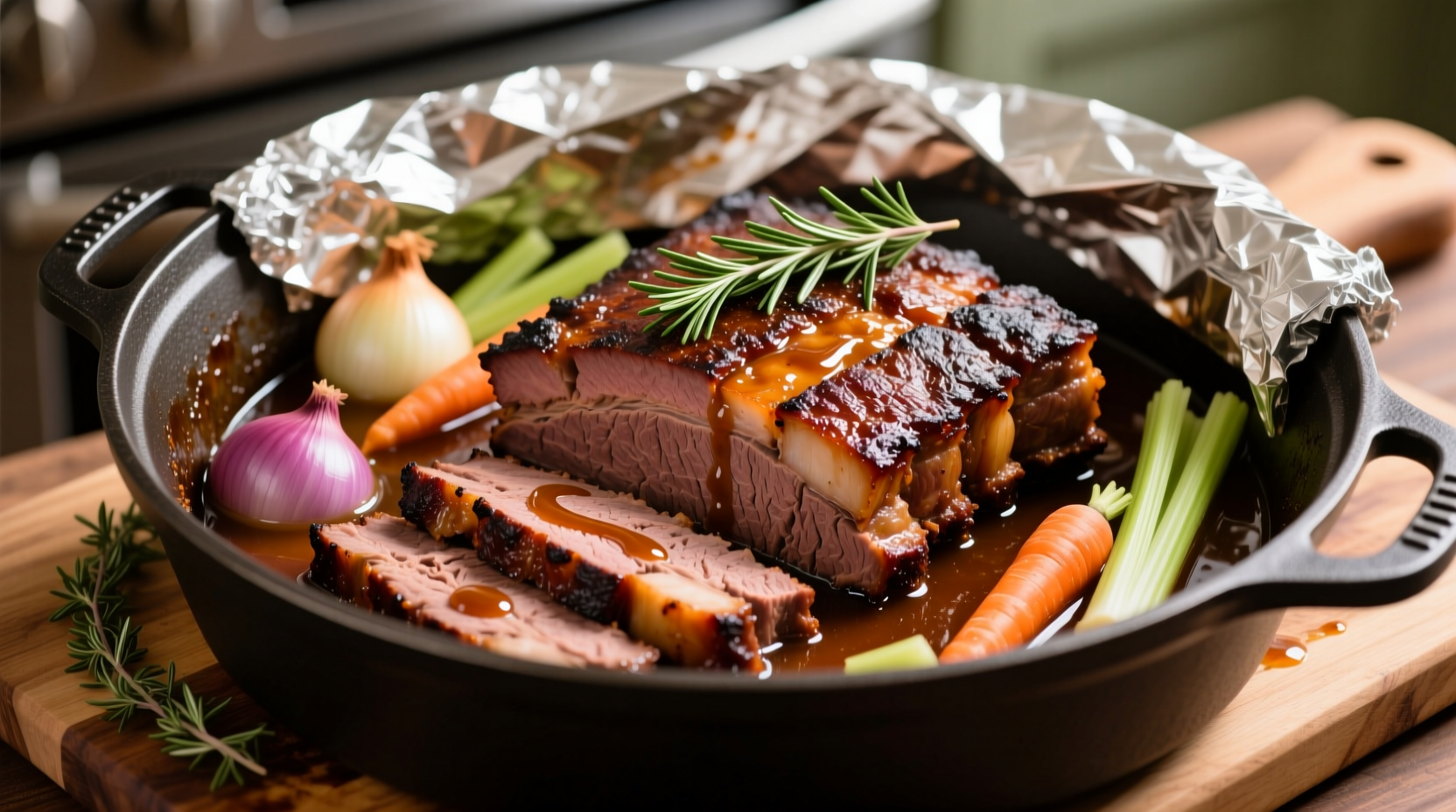
Keep it simple. A 3-4 lb flat-cut brisket (point cuts get greasy), kosher salt, black pepper, onion powder, and a splash of beef broth or coffee. Why coffee? It deepens flavor without tasting like java—just ask any Texas pitmaster. Oh, and a heavy Dutch oven. Skillet-searing first? Non-negotiable. It locks in juices and builds that gorgeous crust. Skip this step, and you’ll regret it later—promise.
Step-by-Step: From Fridge to Fork-Tender
First, dry-brine the brisket overnight. Rub salt and pepper all over—it pulls moisture to the surface, then reabsorbs for better seasoning. Next, sear on all sides over medium-high heat until deeply browned. Don’t crowd the pan; patience pays off. Then, nestle it fat-side up in your Dutch oven with aromatics (onions, garlic), pour in 1 cup liquid (broth or coffee), cover tightly, and slide into the 300°F oven.
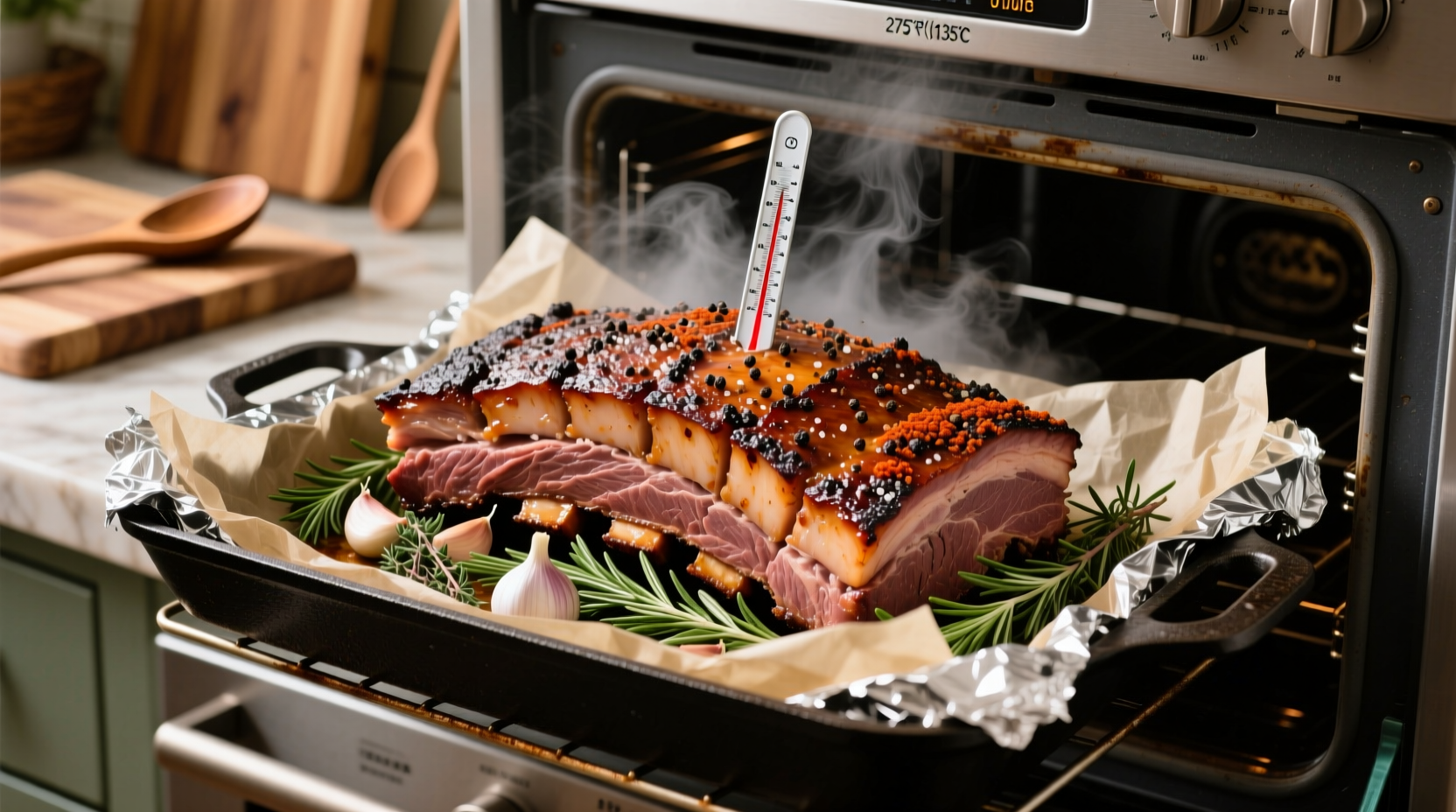
Cook covered for 3-4 hours. Check tenderness with a fork—no thermometer needed. If it resists, give it more time. Seriously, I’ve pulled mine at 195°F only to find it still chewy; collagen breakdown is the real indicator. Rest covered for 30 minutes. Slicing against the grain? Crucial. Cut with it, and you’ll get rubber-band strips.
| Cooking Method | Time Required | Texture Result | Best For |
|---|---|---|---|
| Oven Braising | 3-4 hours | Moist, shreddable | Weekend cooking; precise temp control |
| Slow Cooker | 8-10 hours | Can turn mushy | Hands-off weeknights (but risks overcooking) |
| Smoker | 10-12 hours | Smoky bark, tender | Special occasions; requires monitoring |
When to Use (or Ditch) the Oven Method
Choose oven braising when you want reliable results without special equipment. It’s perfect for holiday meals or meal prep—consistent and forgiving. But avoid it if you’re in a hurry; rushing leads to chewy meat. Also, skip if your oven runs hot (calibrate it first!). Honestly, I’ve seen folks try this with a thin-cut brisket and wonder why it shreds into nothing. Stick to thick cuts (at least 2 inches). And never, ever skip the rest time—slicing too soon = dry brisket city.
Avoid These Rookie Mistakes (Learned the Hard Way)
Overseasoning with salt pre-sear? Big nope—it draws out moisture and prevents browning. Another trap: peeking too often. Every time you lift that lid, you lose heat and steam, extending cook time. Oh, and using water instead of broth? Flat flavors, guaranteed. I once did that for a potluck... never again. Pro tip: Add a splash of apple cider vinegar at the end—it brightens the richness without tasting sour.
Everything You Need to Know
Nope—searing creates the Maillard reaction, locking in juices and building complex flavors. Skip it, and you’ll get boiled meat texture. I tested this repeatedly; unseared brisket lacks depth and often turns gray.
Cool brisket within 2 hours, then refrigerate in airtight containers for up to 4 days. For longer storage, freeze sliced portions with broth in zip-top bags—it thaws faster and stays moist. Never leave it at room temperature overnight; USDA guidelines warn of bacterial growth after 2 hours.
Collagen needs time to melt into gelatin—often longer than recipes claim. Oven temps vary, so check tenderness with a fork, not just time. If it resists, return it to the oven in 30-minute increments. Thick cuts or older ovens may need 5+ hours. Patience isn’t optional here.
Chuck roast works but has more marbling—reduce cook time by 30 minutes to avoid greasiness. Brisket’s leaner flat cut is ideal for clean slicing. Subbing cuts changes texture; I’ve found chuck better for pulled sandwiches, while brisket shines sliced thin for tacos or platters.
Not at all—smoke is optional. For depth, add 1 tsp smoked paprika to your rub or use coffee in the braising liquid. True Texas-style uses smoke, but oven brisket relies on slow moisture. Skip liquid smoke; it tastes artificial. I prefer keeping it pure with herbs like rosemary.
More Articles
 Cooking Methods vs Flavor Compared
 What Is a Clove of Garlic? Simple Cooking Guide
 How to Make Clove Tea: Simple Step-by-Step Guide
 How to Make Crispy Curly Potato Fries at Home
 Dates Food: What They Are & How to Use Them
 How to Cook Okra Without Slime: Practical Methods
 Crispy Roast Potatoes Recipe: Foolproof Method Inside
 Sweet Potato Casserole: Simple Recipe & Pro Tips
 7 Lucky New Year's Food Traditions for Prosperity
 Star Anise vs Anise Seed: Key Differences