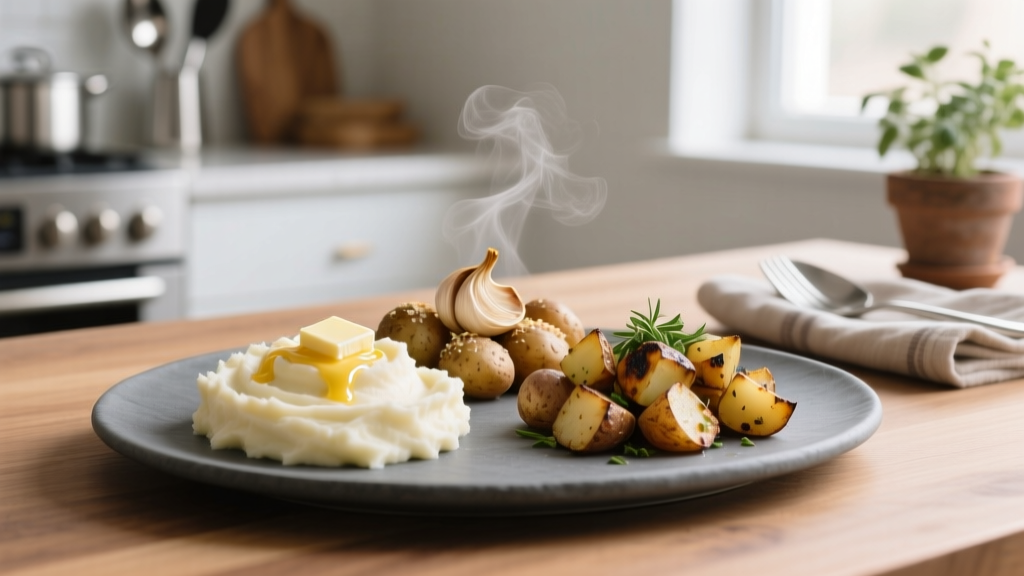
Practical Potato Side Dish Recipes: Proven Techniques
Why Your Potato Side Dishes Keep Failing (And How to Fix It)
Let’s be real—you’ve probably ended up with gluey mashed potatoes or burnt roasted wedges more times than you’d admit. I’ve been there too, testing hundreds of recipes over 20 years. The issue? Most guides skip the why behind potato behavior. Potatoes aren’t interchangeable; their starch content dictates everything. Get this wrong, and you’re fighting texture battles all night. But nail it? You’ll have creamy, golden sides that steal the show without last-minute panic.
The Potato Variety Cheat Sheet You Need
See, russets and red potatoes play totally different roles. I used to toss any bag into recipes—big mistake. Russets (high starch) break down beautifully for mashing but turn mushy in salads. Waxy potatoes (like Yukon Golds or reds) keep their shape when boiled or roasted. Skip this step, and your “crispy” roasted potatoes end up waterlogged. Pro tip: Check starch levels by rubbing two raw slices together. If they stick, it’s high-starch; if they slide, it’s waxy. Simple, right?
| Potato Type | Best For | Avoid For | Texture Result |
|---|---|---|---|
| Russet (Idaho) | Mashed potatoes, baked potatoes | Cold salads, gratins | Fluffy, light |
| Yukon Gold | Roasting, soups, creamy dishes | Long-cooked stews | Buttery, smooth |
| Red Potatoes | Salads, roasted wedges, boiling | Mashed potatoes | Firm, waxy |
Okay, so you’ve picked your potatoes. Now, timing matters way more than recipes admit. Parboiling isn’t optional—it jumpstarts cooking so roasting finishes evenly. Boil chunks for 5–7 minutes until fork-tender at the edges but firm in the center. Drain well (moisture = soggy disaster), then toss with oil and seasonings. Trust me, I’ve learned this the hard way after too many rubbery batches.
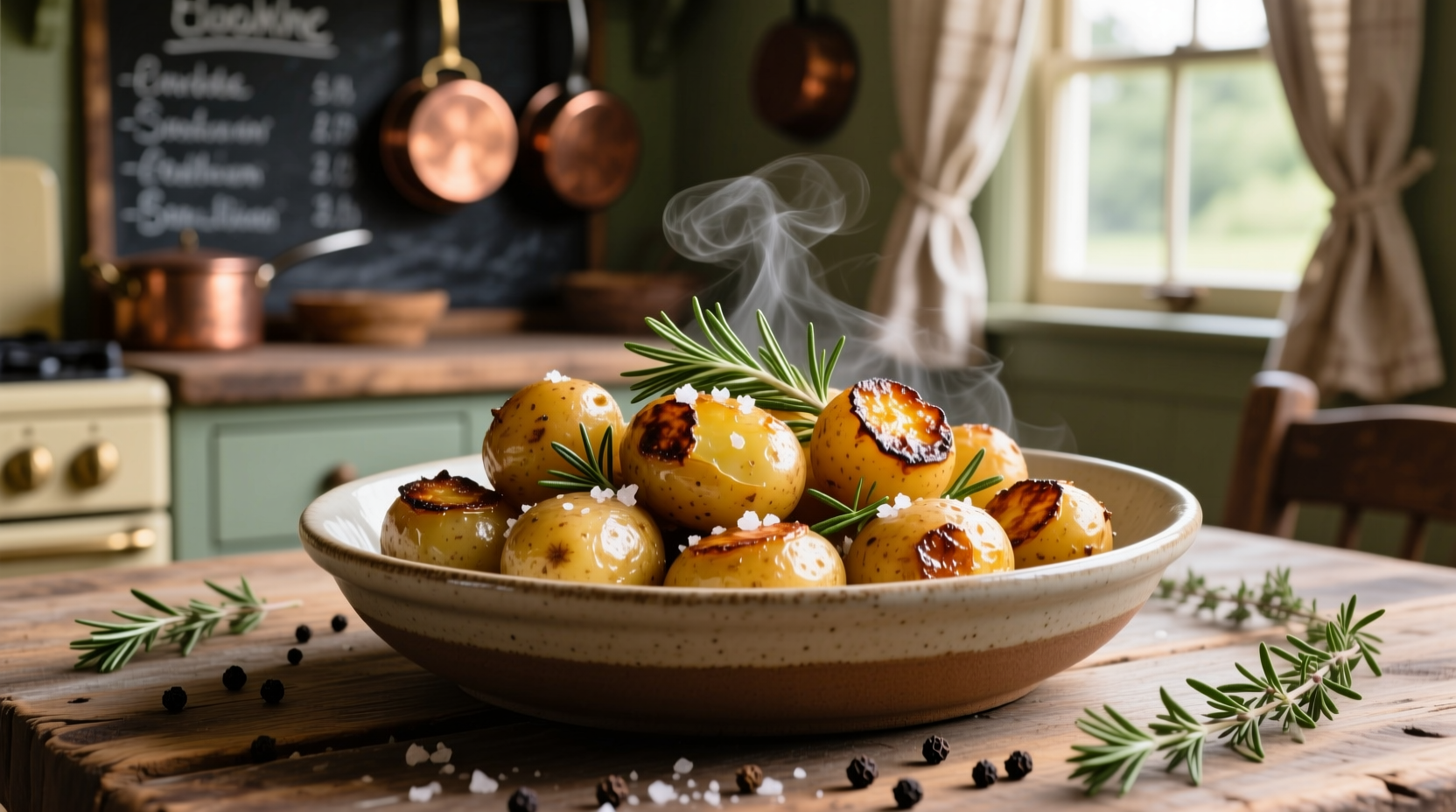
When to Use (Or Skip) These Recipes
You know those fancy truffle mashed potatoes? Amazing for holidays—but total overkill for Tuesday night tacos. Context changes everything. Here’s my real-world breakdown:
- Use roasted wedges for casual dinners or BBQs—they’re hands-off and pair with grilled meats. Skip if you’re serving delicate fish; the strong char clashes.
- Choose creamy mashed for holiday feasts or cold-weather comfort. Avoid for vegan guests unless you sub butter with olive oil (and honestly, it’s not the same).
- Go for potato salad at picnics or potlucks. But never make it ahead more than 4 hours—waxy potatoes turn grainy as they cool.
And hey, don’t believe the “healthy swap” hype. Baking代替frying cuts fat, but removing all fat makes potatoes taste like cardboard. A light oil spray? Perfect. Skipping it? Dry, sad potatoes. I’ve tested this with home cooks—texture suffers every time.
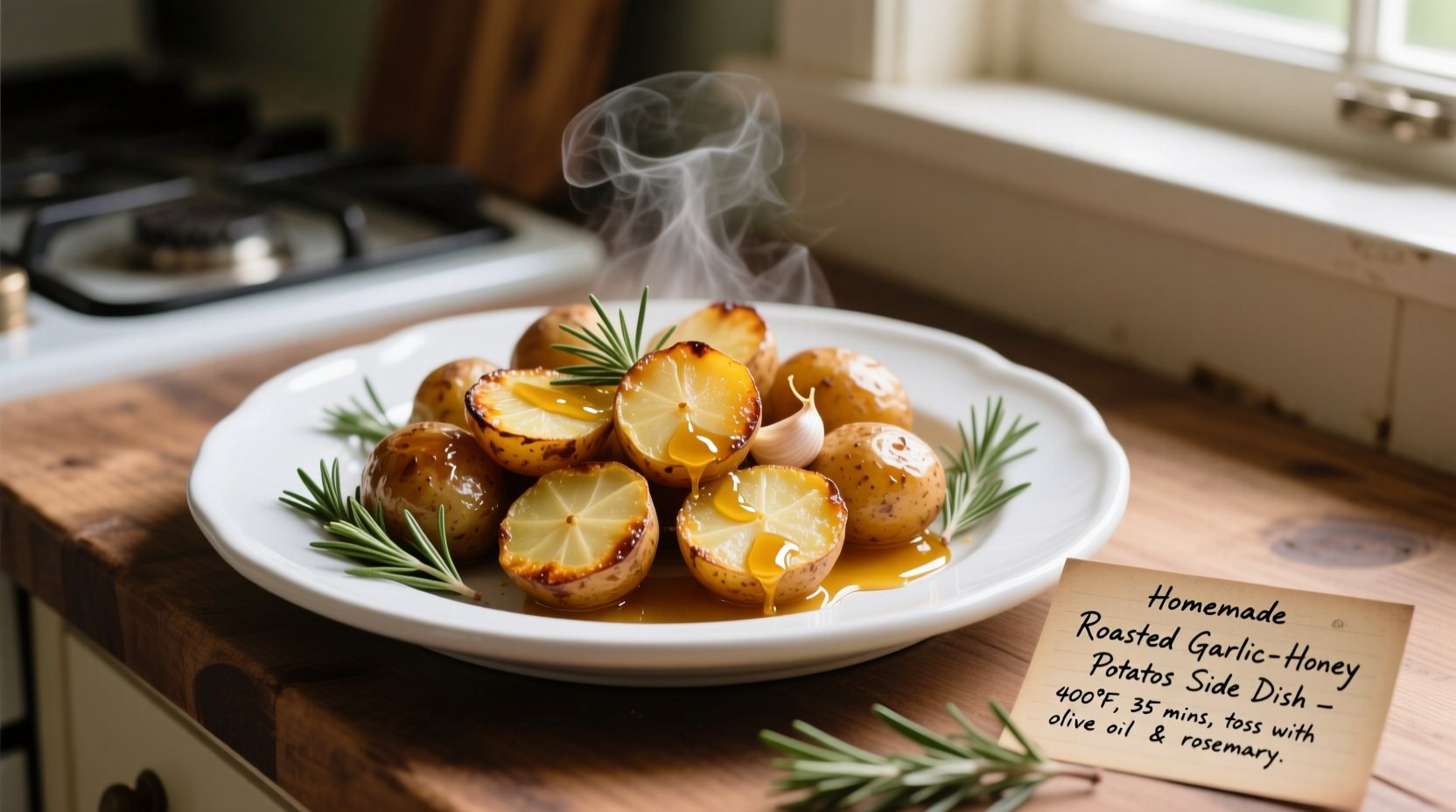
Your Foolproof Weeknight Roasted Potato Recipe
This isn’t some complicated chef trick—it’s what I actually make after work. Takes 35 minutes, uses one pan, and works with whatever potatoes you have.
- Cut 1.5 lbs Yukon Golds into 1-inch chunks. Parboil 6 minutes; drain thoroughly.
- Toss with 1.5 tbsp olive oil, 3 minced garlic cloves, 1 tsp rosemary, salt, and pepper.
- Roast at 425°F (220°C) for 25 minutes, flipping once, until golden and crisp.
Secret? Adding garlic halfway through roasting. Burnt garlic ruins everything—I’ve tossed more batches than I care to count. Serve immediately; they lose crispness fast.
3 Mistakes Even Good Cooks Make
- Overcrowding the pan: Leads to steamed, not roasted, potatoes. Use two trays if needed—trust your oven space.
- Seasoning only at the end: Salt potatoes during parboiling and before roasting. Skimp here, and you’ll taste blandness no gravy can fix.
- Ignoring potato age: Old potatoes (sprouting or green spots) turn bitter. Always check for firmness and smooth skin—no soft spots.
Everything You Need to Know
Sweet potatoes work in roasting or mashing, but their higher sugar content burns faster. Reduce oven temp by 25°F and check 10 minutes early. They’re not ideal for potato salad—texture turns gummy when cooled.
Glueiness comes from overworking starch. Use a ricer or food mill—not a blender. Warm your dairy (milk/butter) first so you don’t overmix trying to melt cold chunks. And russets are your friend here; waxy potatoes resist breaking down.
Yes, in moderation. Potatoes offer potassium and vitamin C, but portion size matters. Stick to 1/2 cup servings as a side. Roasting with olive oil adds healthy fats, but skip heavy cream in mash. The American Heart Association notes balanced preparation keeps them nutritious.
Store in airtight containers within 2 hours. Roasted potatoes keep 3–4 days refrigerated but lose crispness when reheated—revive in a 400°F oven for 10 minutes. Mashed potatoes last 3 days; add a splash of milk when reheating to restore creaminess.
Parboil and roast potatoes 1 day ahead—store cooled in the fridge. Reheat uncovered at 375°F for 15 minutes. Never fully mash ahead; they absorb moisture and turn gummy. For salads, chop and boil potatoes but mix dressing only 2 hours pre-serving.
More Articles
 Chili Selection Guide: Heat and Varietal Tips
 Chili vs Cayenne Pepper: Heat & Substitution
 Peppercorn Types: Black, White, Green, Pink
 Spice Trends 2026: Heritage and Ethics
Fenugreek: Seeds vs Leaves Differences
Spice Trends 2026: Heritage and Ethics
Fenugreek: Seeds vs Leaves Differences
 What Is Fenugreek? Uses and Benefits
 Cardamom vs Cloves: Key Differences, Uses & Substitutions
Annatto Seeds: Natural Color and Flavor
Cardamom vs Cloves: Key Differences, Uses & Substitutions
Annatto Seeds: Natural Color and Flavor
 How to Make Ginger Beer: Safe Homemade Recipe Guide