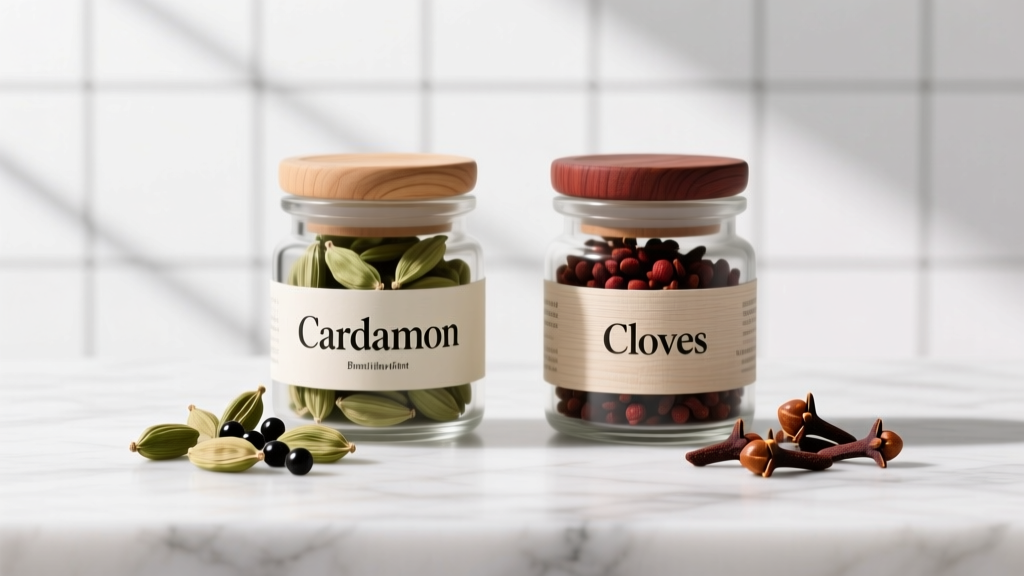
Cardamom vs Cloves: Key Differences, Uses & Substitutions
Pain Points: Why Confusion Happens
Home cooks often mistake cardamom for cloves due to similar warm profiles in spice blends like garam masala. But using cloves in a cardamom-heavy biryani creates overpowering bitterness, while cardamom in clove-reliant ham glazes lacks depth. This stems from misidentifying their core characteristics: cardamom’s bright complexity versus cloves’ medicinal intensity. Understanding their scientific and culinary boundaries prevents recipe disasters.
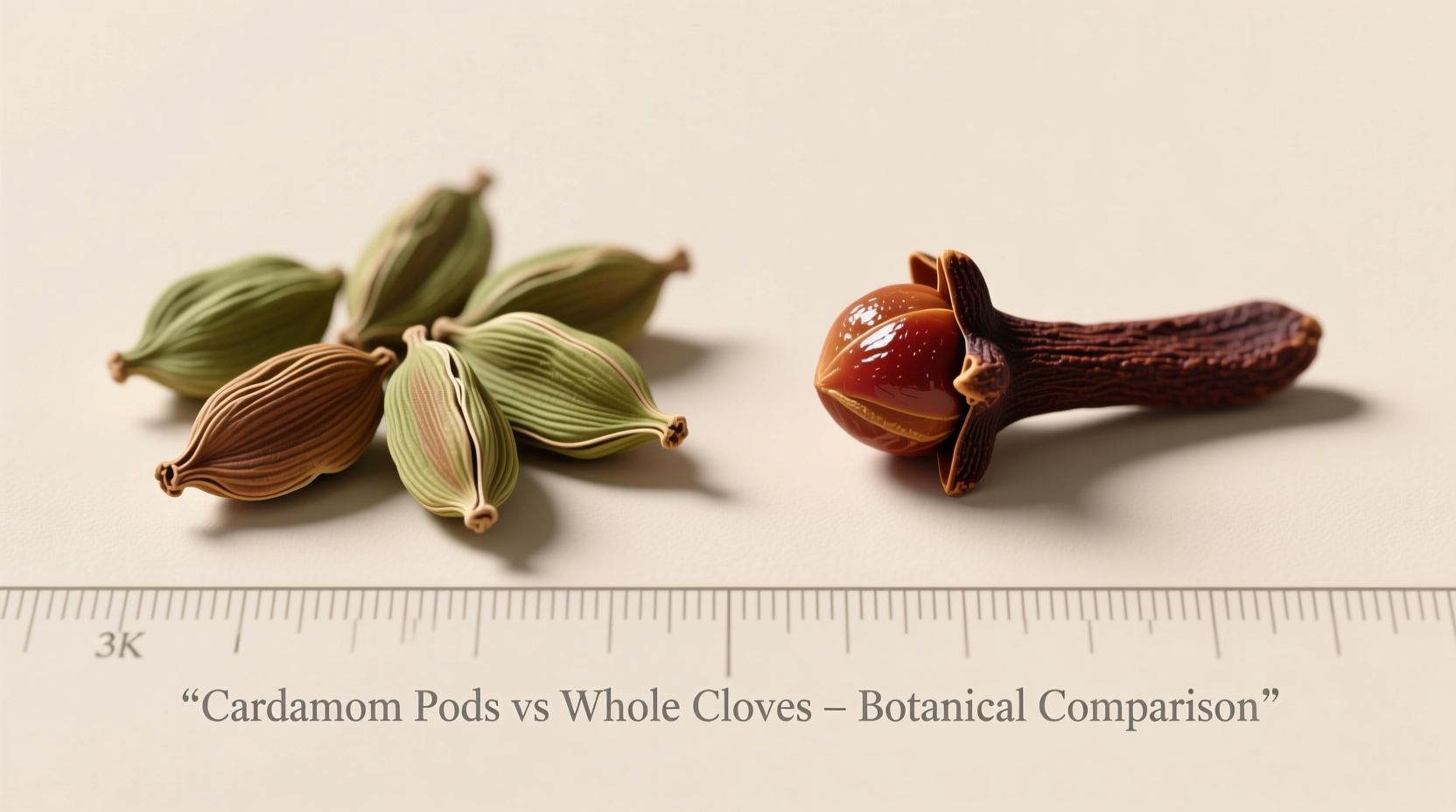
Core Differences: Beyond Flavor
| Characteristic | Cardamom | Cloves |
|---|---|---|
| Botanical Origin | Seeds from ginger-family plant pods (Zingiberaceae) | Dried flower buds of Myrtaceae tree |
| Flavor Profile | Citrusy, minty, floral with subtle sweetness | Intensely warm, pungent, earthy with bitter finish |
| Global Production | Guatemala (60%), India (15%) | Indonesia (73%, 133,000 MT), Madagascar (24,000 MT) |
| Key Health Findings | Superior weight management; reduces CRP/TNF inflammation markers (PMC12672068) | Moderate weight impact; traditional dental pain relief |
| Nutrition (1 tsp) | 6 kcal, 0.6g fiber (FatSecret) | 6 kcal, 1.7g fiber (USDA) |
When to Use & When to Avoid
Choosing incorrectly transforms dishes. Follow these evidence-based guidelines:
Cardamom Applications
- Use in: Scandinavian baked goods (e.g., kardemummabullar), Indian chai, rice pilafs, fruit compotes. Excels where floral notes complement sweetness.
- Avoid in: Long-simmered tomato sauces (citrus notes turn sour) or delicate fish dishes (overpowers subtle flavors). Never substitute for cloves in pickling brines.
Clove Applications
- Use in: Ham/pork glazes, mulled wine, Chinese five-spice blends, pickling. Ideal for high-fat meats where bitterness cuts richness.
- Avoid in: Desserts requiring subtle spice (e.g., vanilla custards) or quick-cooked vegetables (bitterness dominates). Never use whole cloves in smoothies—they’re undigestible.
Quality & Market Insights
Professional chefs increasingly prioritize traceable grading systems. Cardamom’s value hinges on size and color:
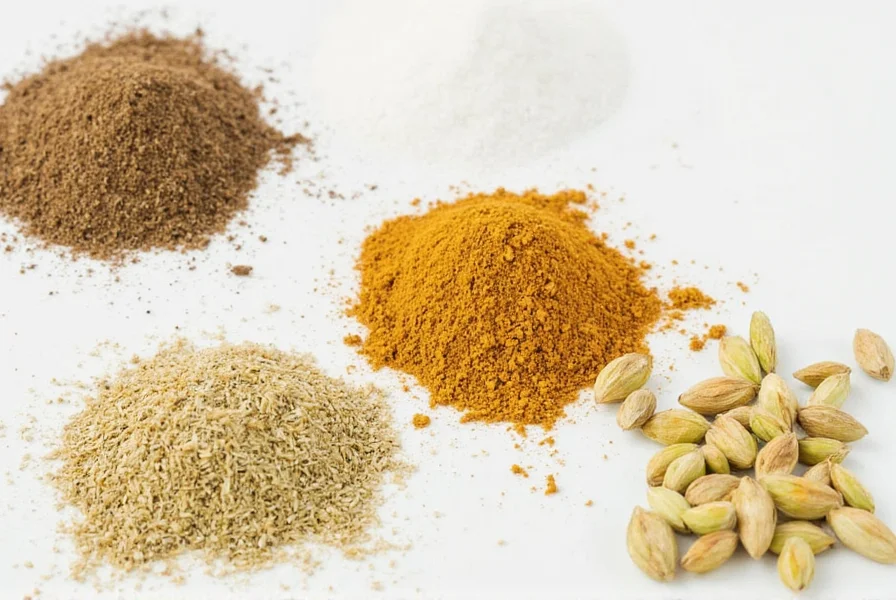
- Premium cardamom: Pods ≥8mm diameter ("Purple Grade"), vibrant green without splits (Emperor Akbar). Avoid brownish pods—sign of age or poor storage.
- Top-grade cloves: CG1 (hand-picked, 15% moisture), plump buds with unbroken caps (Monchy Natural Products). Steer clear of dusty packages—indicates filler or old stock.
Market trap: "Cardamom powder" blends often contain 30% coriander (per SpiceCardamom.com). Always buy whole pods for authenticity.
Expert Misconceptions Debunked
- Misconception: “Cloves are stronger, so use less.” Reality: Cardamom’s volatile oils dissipate faster; use 1.5x more cardamom than cloves in dry rubs for equivalent impact.
- Misconception: “They’re interchangeable in garam masala.” Reality: Authentic blends use cardamom for top notes and cloves for base warmth—swapping alters chemical balance (iSpiceYou).
Everything You Need to Know
No. Cardamom lacks cloves’ earthy warmth essential to pumpkin spice. Substituting creates a one-dimensional, citrus-dominant blend. For authenticity, use the standard ratio: 5 parts cinnamon, 2 parts ginger, 2 parts cloves, 1 part nutmeg.
Cardamom demonstrates superior anti-inflammatory effects. Clinical studies show it significantly reduces CRP and TNF markers (Medical News Today), while cloves primarily offer localized dental relief. For systemic inflammation, cardamom is the evidence-backed choice.
Store whole cardamom pods in airtight glass containers away from light—they retain flavor for 2 years. Cloves last longer (up to 4 years) but require moisture control; add silica packets to containers. Never freeze either, as condensation degrades volatile oils.
Cardamom’s delicate oils oxidize rapidly when ground—always crush pods just before use. Cloves’ robust compounds withstand grinding, but whole cloves infuse soups more evenly. Critical rule: Never substitute ground cardamom for whole cloves 1:1; use 1/4 teaspoon ground cloves per whole clove.
Cloves contain eugenol, which may interact with blood thinners at high doses (>2g daily). Cardamom is safer but can trigger gallstone issues in sensitive individuals. Both are pregnancy-safe in culinary amounts per ScienceDirect research.
More Articles
 Cayenne Pepper vs Chili Pepper: Key Differences Explained
 Japanese Sweet Potato Nutrition Facts: Complete Guide
 Easy Meatloaf Recipe with Lipton Onion Soup Mix
What Is Cardamom? A Quick Guide (2026)
Easy Meatloaf Recipe with Lipton Onion Soup Mix
What Is Cardamom? A Quick Guide (2026)
 Air Fryer Potatoes: When Technique Beats the Hype
 Smoked Paprika Types and Best Uses
 Perejil: Meaning, Uses, and Storage Tips for Spanish Cuisine
 Making Potato Chips: Your Step-by-Step Home Guide
 Vanilla Bean Grades: What to Buy
 Fried Cabbage and Bacon with Onion: Simple Skillet Guide