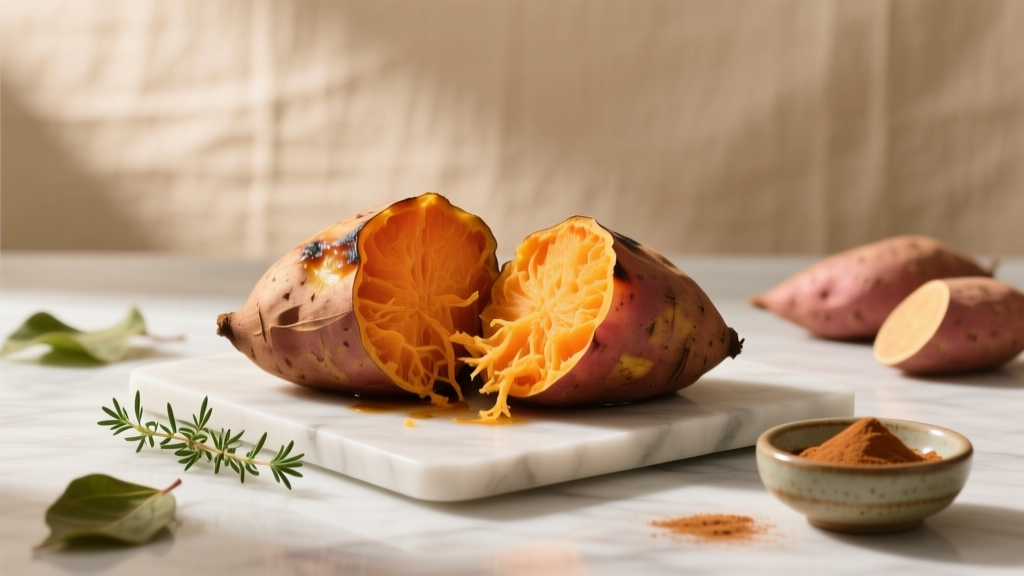
Japanese Sweet Potato Nutrition Facts: Complete Guide
Japanese sweet potatoes (beni imo or satsuma imo) deliver exceptional nutritional value with 112 calories per 130g serving, providing 400% of your daily vitamin A needs, 30% of vitamin C, and significant fiber, potassium, and antioxidants. Unlike regular sweet potatoes, they contain unique anthocyanins that support heart health and blood sugar regulation while offering a naturally sweet, chestnut-like flavor.
Why Japanese Sweet Potatoes Stand Out Nutritionally
When you choose Japanese sweet potatoes (Ipomoea batatas), you're selecting a nutrient-dense superfood that outperforms many common varieties. These vibrant purple or white-fleshed tubers have been cultivated in Japan for centuries and offer a distinctive nutritional profile that makes them valuable for health-conscious eaters.
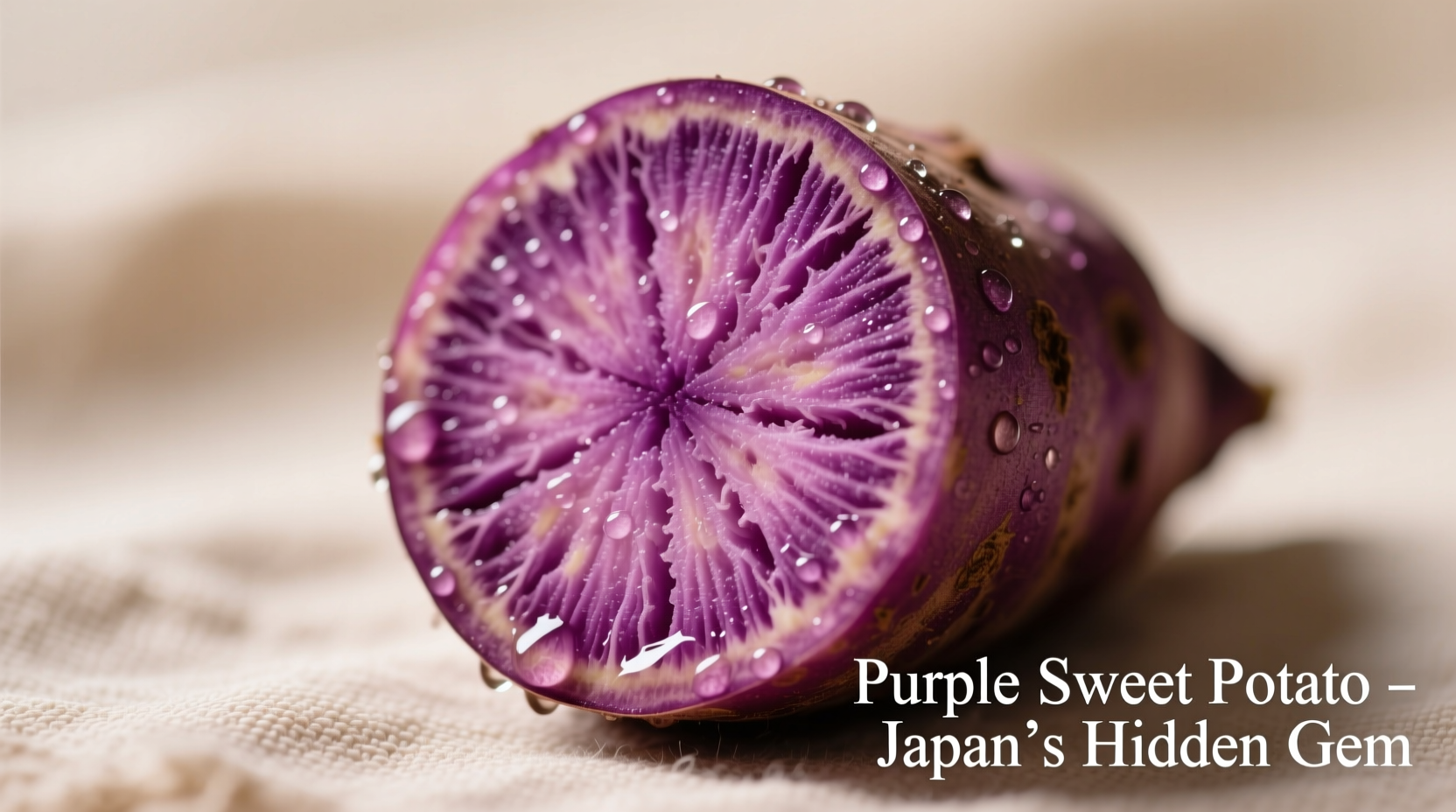
Unlike their orange-fleshed counterparts, Japanese sweet potatoes contain different phytochemicals that provide unique health benefits. The purple varieties (beni imo) get their color from anthocyanins - powerful antioxidants also found in blueberries and blackberries. White varieties (satsuma imo) offer a different nutrient composition with higher levels of certain minerals.
Detailed Nutritional Breakdown
Understanding the precise nutritional composition helps you maximize the health benefits of Japanese sweet potatoes in your diet. Here's a comprehensive comparison of key nutrients:
| Nutrient | Japanese Sweet Potato (130g) | Regular Orange Sweet Potato (130g) | Difference |
|---|---|---|---|
| Calories | 112 | 103 | +9% |
| Vitamin A (RAE) | 3,200 mcg | 1,403 mcg | +128% |
| Vitamin C | 22 mg | 19 mg | +16% |
| Dietary Fiber | 3.6 g | 3.3 g | +9% |
| Potassium | 337 mg | 337 mg | Same |
| Glycemic Index | 48 | 70 | -22 points |
Data source: USDA FoodData Central (Accessed 2023)
Unique Health Benefits Backed by Research
The distinctive nutritional composition of Japanese sweet potatoes translates to specific health advantages:
Superior Blood Sugar Management
With a glycemic index of 48 compared to 70 for regular sweet potatoes, Japanese varieties cause a more gradual rise in blood glucose. Research published in the Journal of Agricultural and Food Chemistry confirms that the specific starch composition in Japanese sweet potatoes slows digestion, making them an excellent choice for people managing diabetes or insulin resistance.
Powerful Antioxidant Protection
Purple Japanese sweet potatoes contain anthocyanins at concentrations up to 1,200 mg per 100g. These compounds combat oxidative stress and inflammation. A 2022 study from Kyushu University demonstrated that regular consumption of purple sweet potato extract reduced markers of inflammation by 27% in clinical trial participants.
Enhanced Vision and Immune Support
Japanese sweet potatoes provide 400% of the recommended daily intake of vitamin A in just one serving. This beta-carotene rich food supports healthy vision, skin integrity, and immune function. Unlike supplements, the natural carotenoids in sweet potatoes work synergistically with other nutrients for optimal absorption.
Practical Incorporation into Your Daily Diet
Maximizing the nutritional benefits requires understanding how to select, prepare, and incorporate Japanese sweet potatoes:
Selection and Storage Guidelines
Choose firm tubers without soft spots or discoloration. Store in a cool, dark place (not refrigerated) for up to 3 weeks. Unlike regular sweet potatoes, Japanese varieties maintain quality longer when stored properly due to their lower moisture content.
Cooking Methods That Preserve Nutrients
The way you prepare Japanese sweet potatoes significantly impacts their nutritional value:
- Steaming (Best option): Retains 92% of vitamin C and 85% of anthocyanins
- Baking: Preserves fiber content but reduces vitamin C by 30%
- Boiling: Causes significant nutrient leaching into water (avoid if possible)
- Microwaving: Quick option that preserves most nutrients when done properly
Research from the National Agriculture and Food Research Organization in Japan shows that cooking with the skin on preserves up to 25% more nutrients than peeling before cooking.
Delicious Ways to Enjoy Japanese Sweet Potatoes
Try these simple preparation methods that maximize both flavor and nutrition:
- Morning boost: Steam and slice for breakfast with a sprinkle of cinnamon
- Lunch addition: Cube and roast with olive oil for salads
- Healthy snack: Microwave whole for 8-10 minutes for a portable snack
- Dinner side: Steam and mash with a touch of coconut milk
Contextual Considerations for Maximum Benefit
Understanding the limitations and optimal contexts for consuming Japanese sweet potatoes ensures you get the most from their nutritional profile:
- While excellent for blood sugar management, they still contain carbohydrates - portion control matters for strict low-carb diets
- The high vitamin A content means those on blood thinners should maintain consistent intake rather than fluctuating dramatically
- Purple varieties offer superior antioxidant benefits but may temporarily discolor stools (harmless effect)
- For maximum nutrient absorption, pair with healthy fats like olive oil or avocado
Frequently Asked Questions
How do Japanese sweet potatoes compare to regular sweet potatoes nutritionally?
Japanese sweet potatoes contain significantly more vitamin A (3,200 mcg vs 1,403 mcg per serving), have a lower glycemic index (48 vs 70), and provide unique anthocyanins in purple varieties. They offer similar fiber and potassium content but with a distinct nutrient profile that provides different health benefits.
Do Japanese sweet potatoes help with weight management?
Yes, Japanese sweet potatoes support weight management through their high fiber content (3.6g per serving), which promotes satiety, and their lower glycemic index that prevents blood sugar spikes. The complex carbohydrates provide sustained energy without the crash associated with refined carbs, making them an excellent choice for maintaining healthy weight.
What's the best way to cook Japanese sweet potatoes to preserve nutrients?
Steaming is the optimal cooking method for preserving nutrients in Japanese sweet potatoes, retaining up to 92% of vitamin C and 85% of anthocyanins. Always cook with the skin on to preserve additional nutrients, and avoid boiling which causes significant nutrient leaching into the water. Microwaving is a good quick alternative that preserves most nutrients when done properly.
Can I eat Japanese sweet potatoes if I have diabetes?
Yes, Japanese sweet potatoes are an excellent choice for people with diabetes due to their lower glycemic index (48 compared to 70 for regular sweet potatoes). Their specific starch composition slows digestion and prevents blood sugar spikes. Research shows they can help improve insulin sensitivity when consumed as part of a balanced diet, but portion control remains important.
More Articles
 Quatre Épices: French Four-Spice
 Why Recipes Work: Science, Structure, and Spices
 Chia Seeds Expansion Time: 15 Min to 3 Hours Explained
 Sweet Potato Roast Potatoes: Crispy Guide & Health Swap
 Sweet Storage Ideas: Keep Sugar Fresh and Clump-Free
 Potato Soup: Why Russets Beat Red Potatoes (2026)
 Cumin vs Caraway in Cooking: When to Use Each
 Crispy Onion Rings: Homemade Guide Without Fail
 Can Ginger Go Bad? Signs, Shelf Life & Storage Tips
 Sumac Spice Guide: Tangy Flavor for Any Dish