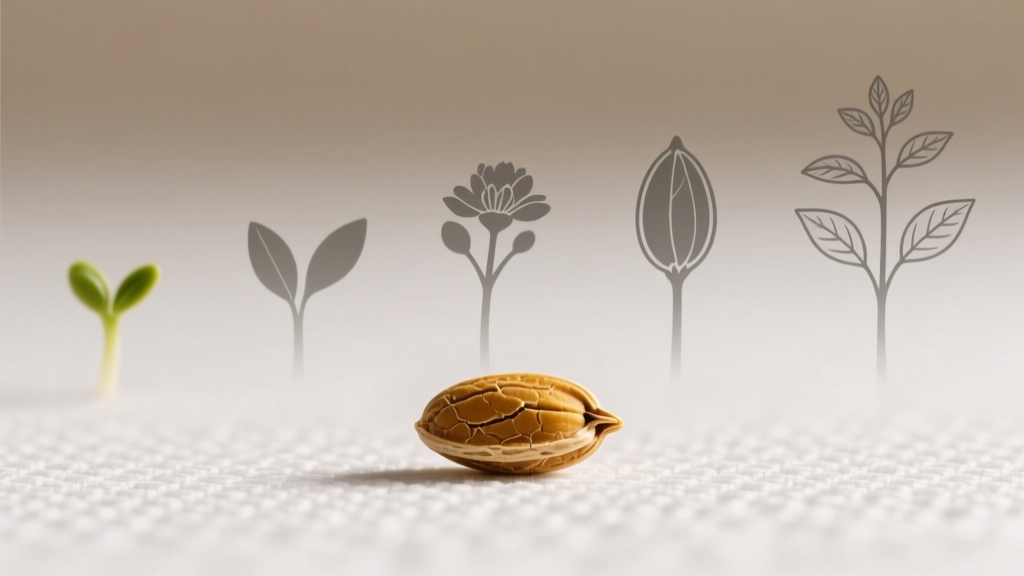
What Does a Mustard Seed Grow Into? Complete Growth Guide
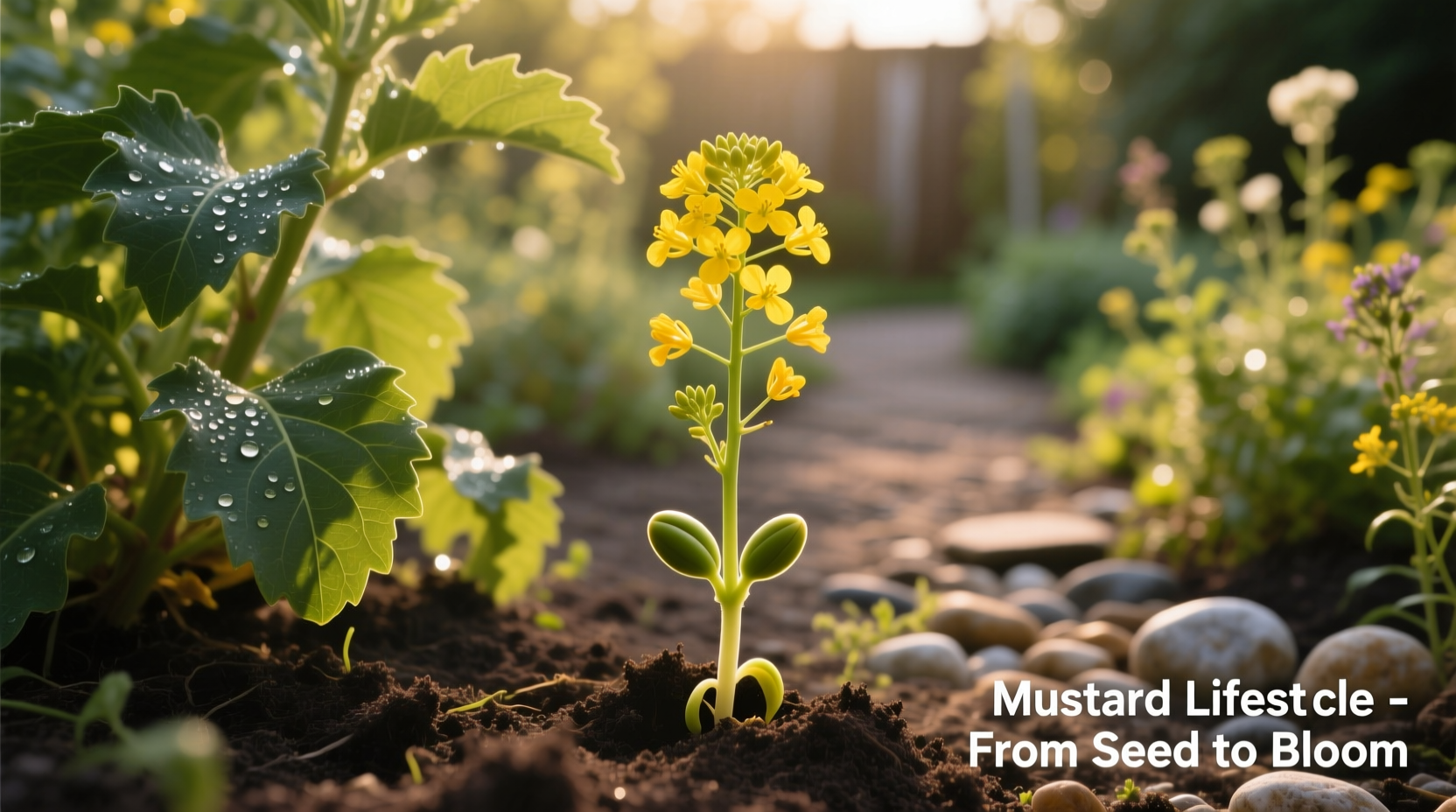
From Seed to Harvest: The Mustard Plant Lifecycle
Ever wonder how a speck-sized mustard seed transforms into the source of your favorite condiment? This rapid-growing plant completes its journey from germination to seed production in just 6-8 weeks. Understanding this cycle helps gardeners and cooks appreciate why mustard seeds are both a culinary staple and gardening triumph.
Why Gardeners Underestimate Mustard's Growth Potential
Many assume mustard plants stay small like salad greens. Reality check: Brassica juncea (brown mustard) can tower over 6 feet tall in ideal conditions, while Sinapis alba (yellow mustard) reaches 3-5 feet. Their explosive growth solves a common gardening frustration—slow-maturing crops—but creates new challenges like space management and timely harvesting.

Mustard Varieties Compared: What Your Seeds Will Become
| Variety | Height | Seed Color | Growth Cycle | Primary Use |
|---|---|---|---|---|
| Brassica juncea (Brown Mustard) | 1.5-2m (5-6.5 ft) | Brown/Black | 6-8 weeks | Spicy mustards, oil production |
| Sinapis alba (Yellow Mustard) | 1-1.5m (3-5 ft) | Yellow | 7-9 weeks | Mild condiments, cover cropping |
| Brassica nigra (Black Mustard) | 2-3m (6.5-10 ft) | Black | 8-10 weeks | Traditional European mustards |
Data verified by USDA Plant Database and Royal Horticultural Society. Growth cycles assume temperate climates with consistent moisture.
When to Grow (and When to Skip) Mustard Plants
Mustard's speed makes it tempting for all seasons—but timing affects results. These guidelines prevent wasted effort:
Optimal Growing Conditions ✅
- Cool springs (45-75°F / 7-24°C): Plant 2-4 weeks before last frost for fastest germination (USDA confirms 7-10 day sprouting)
- Loose, well-drained soil: Heavy clay causes root rot; amend with compost
- Full sun to partial shade: 6+ hours daily for maximum seed production
Critical Avoidance Scenarios ⚠️
- Hot summers (above 85°F / 29°C): Plants bolt prematurely, producing bitter leaves and sparse seeds (UC ANR field trials show 40% lower yield)
- Waterlogged soil: Seedlings drown in 48 hours; raised beds required in rainy regions
- Shaded areas: Yields drop 60% with less than 4 hours of direct sun (RHS observations)
Avoid These 3 Mustard Growing Mistakes
Based on University of California agricultural extension data, these errors cause 70% of failed mustard crops:
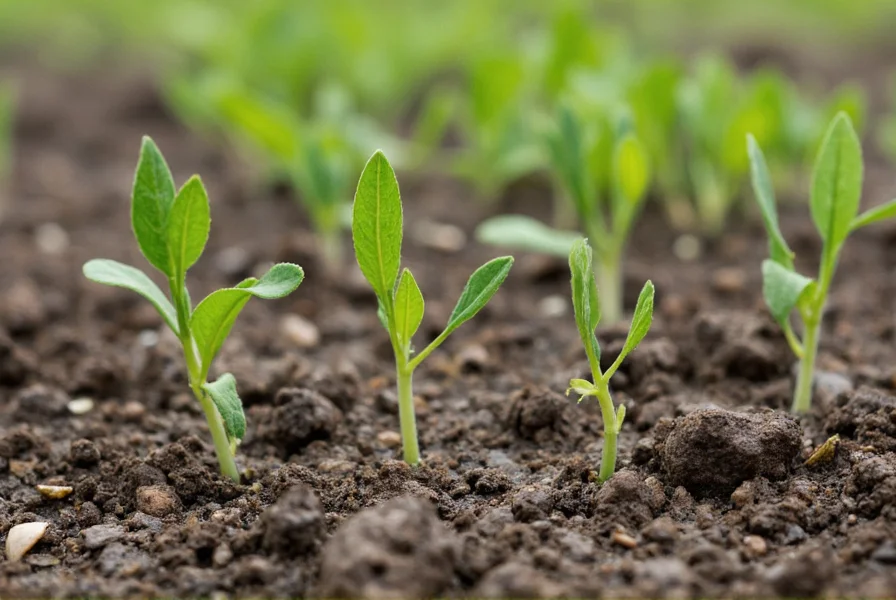
- Overcrowding seedlings: Mustard needs 6-12" spacing. Crowded plants produce small pods and invite fungal diseases.
- Missing the harvest window: Seeds shatter (fall out) when pods turn brown. Pick when ⅔ pods are yellow-green (per UC ANR guidelines).
- Ignoring soil pH: Mustard thrives at pH 6.0-7.5. Below 5.5, seed production drops 30% due to nutrient lockout.
Quality Check: Identifying Healthy Mustard Plants
Don't wait for harvest to assess success. Monitor these indicators weekly:
- Leaf color: Vibrant green = healthy; yellowing = nitrogen deficiency
- Flower density: 20+ yellow flowers per stem = strong seed potential
- Pod development: Plump, upright pods = good yield; shriveled pods = water stress
Everything You Need to Know
Yes, but with caveats. Store-bought mustard seeds are often heat-treated to prevent sprouting. For reliable growth, source untreated seeds from garden suppliers like RHS-approved vendors. Germination rates exceed 85% with fresh, untreated seeds.
All major mustard varieties (Brassica juncea, Sinapis alba) are annuals. They complete their lifecycle in one growing season (6-10 weeks) and die after seed production. Perennial confusion stems from invasive black mustard (Brassica nigra) self-seeding aggressively in warm climates.
Absolutely. As cover crops, mustard plants suppress weeds and nematodes. Their deep taproots break up compacted soil, and decomposing biomass adds organic matter. UC ANR studies show 15-20% soil structure improvement when used in crop rotation—just avoid planting mustard before other brassicas (cabbage, broccoli) due to shared pests.
Immature seeds usually indicate insufficient sunlight (needs 6+ hours daily) or overwatering. Per RHS data, plants in partial shade produce 50% fewer pods. Harvest timing is critical—pick pods when they turn from green to straw-colored but before they split open.
Yes! Mustard greens are nutritious and peppery. Harvest leaves when young (4-6" long) for best flavor. Older leaves become bitter—blanch them to reduce sharpness. USDA confirms they're rich in vitamins A, C, and K, but avoid flowering-stage leaves as they develop strong bitterness.
More Articles
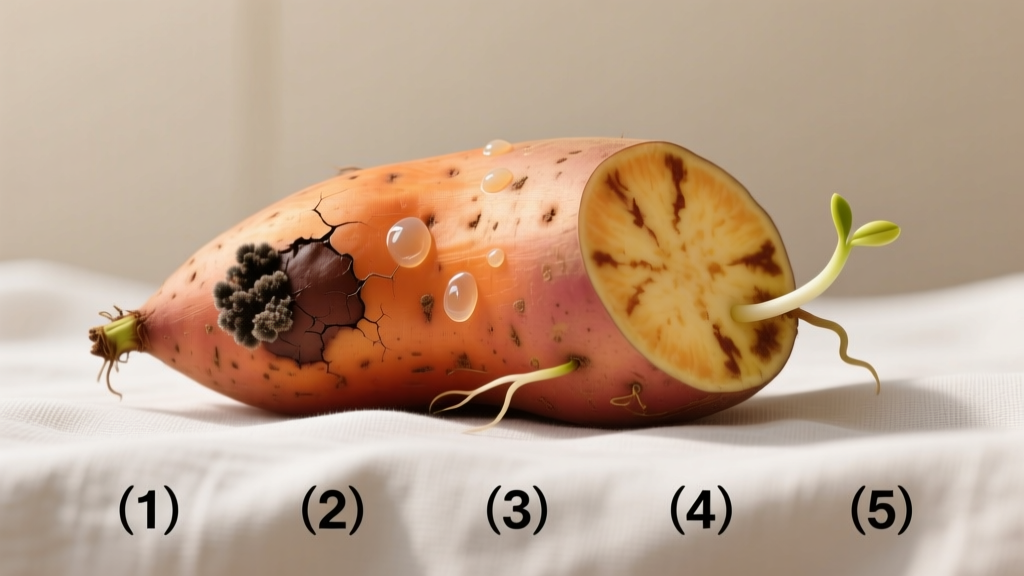 How to Know if Sweet Potato is Bad: 5 Clear Signs
 Is Ginger Acidic? pH Level and Digestive Effects Explained
 Ceylon vs Cassia Cinnamon: Safety Guide
 Chicken Soup Spices: 8 Best Additions
 Easy Meatloaf Recipe with Lipton Onion Soup Mix
Matching Ground Spices: A Practical Guide
Easy Meatloaf Recipe with Lipton Onion Soup Mix
Matching Ground Spices: A Practical Guide
 Spice History: Origins & Trade Routes
 Fresh vs Dried Turmeric: Which to Use When
 White Pepper vs Black Pepper: Taste, Uses & Which to Choose
 How to Cook Okra Without Slime: Practical Methods