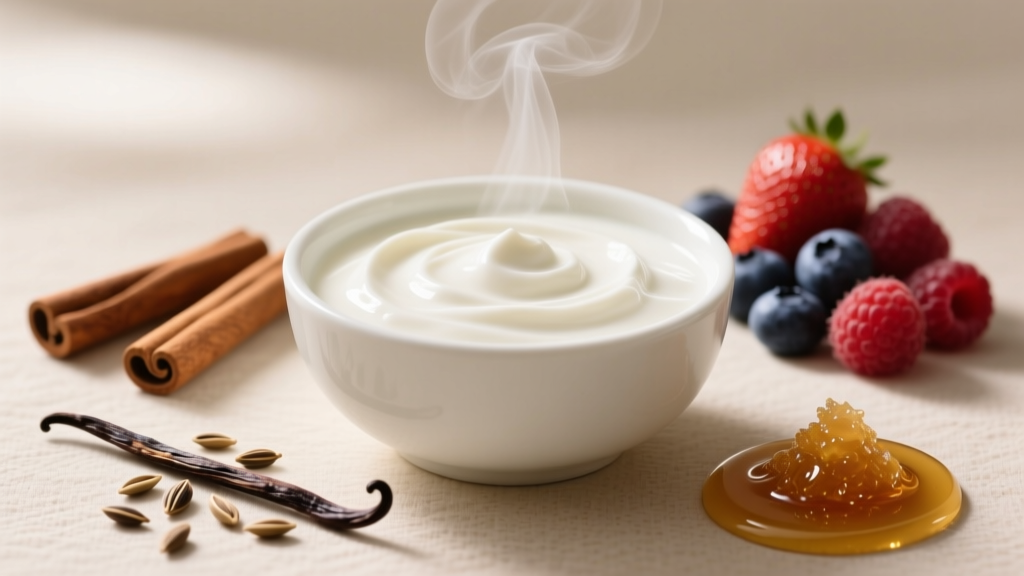
Fix Bland Greek Yogurt: Natural Flavor Boosts That Work
Why Greek Yogurt Tastes Sour (And Why That's Actually Great)
Let's be real: that sharp tang puts off so many folks. But here's the thing—it's not a flaw. That sourness comes from extra straining, which concentrates protein and probiotics. Honestly, I used to dump mine until I learned how to work with that flavor, not against it. Think of it like sourdough bread—the acidity makes other ingredients pop. You're not fixing "bad" yogurt; you're unlocking a versatile base that beats regular yogurt in protein and creaminess.
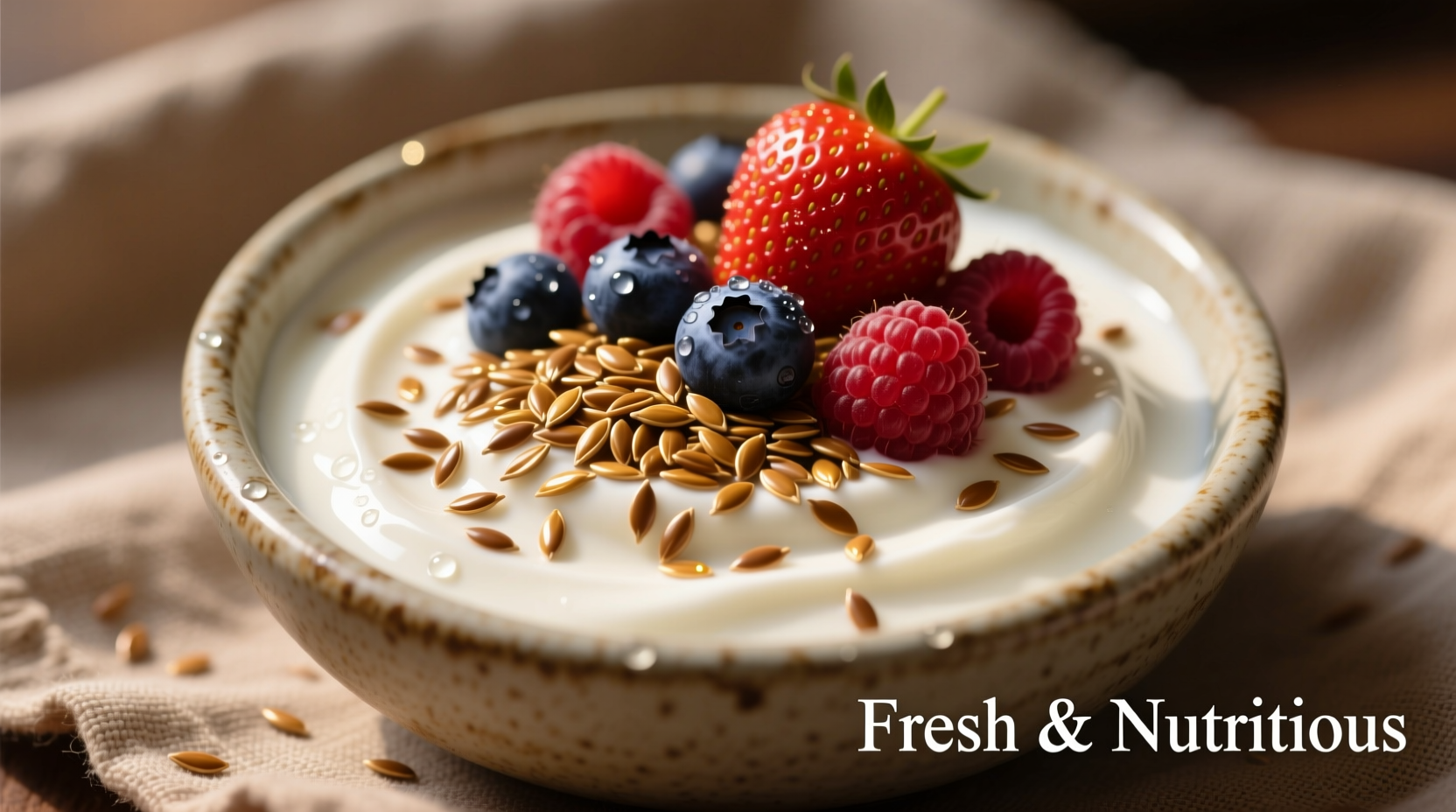
Sweet Solutions That Actually Work
Most beginners reach for flavored cups loaded with sugar—big mistake. Those often pack 15-20g of added sugar, wiping out yogurt's health perks. Trust me, after years of taste tests, natural sweetness wins every time. Here’s what I swear by:
- Fresh or frozen fruit: Berries thawed slightly release juices that sweeten gently. Bananas add creaminess without sugar spikes.
- Nuts and seeds: Almonds or walnuts give crunch; chia or flax add texture and omega-3s.
- Spices: Cinnamon or vanilla extract trick your brain into tasting sweetness.
| Add-In | Flavor Boost | Calories (per tbsp) | Best For |
|---|---|---|---|
| Fresh berries | Mild sweetness, tartness | 5-10 | Morning bowls |
| Honey | Rich, floral notes | 60 | Post-workout recovery |
| Unsweetened cocoa | Chocolate depth | 10 | Dessert swaps |
Pro tip: Stir in fruit after chilling. Warm fruit makes yogurt watery. And honestly? Skip maple syrup—it overpowers the yogurt's natural tang.
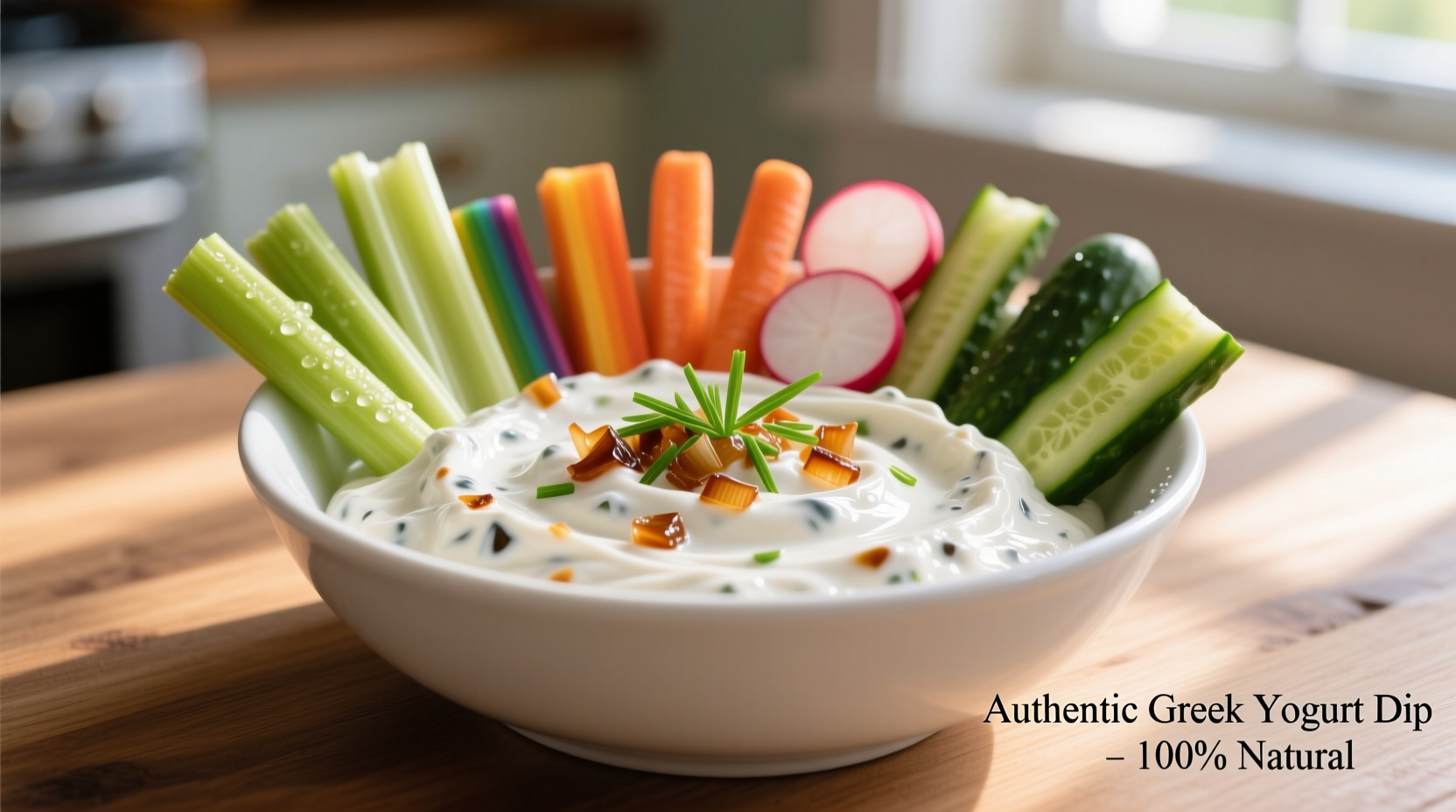
Savory Twists You'll Actually Crave
Most folks forget Greek yogurt shines in savory dishes too. I've replaced sour cream in tacos and dips for years—it's creamier and lighter. The key? Balance that tang with bold flavors:
- Herb magic: Mix in dill, mint, or chives with lemon zest. Perfect for baked potatoes.
- Garlic boost: Rub a raw garlic clove inside your bowl first—infuses flavor without chunks.
- Spice blends: Za'atar or everything bagel seasoning adds instant complexity.
Try this: Swirl yogurt into chili right before serving (like this turkey chili combo). It cools the heat while adding protein. Just don't cook it—high heat makes it split.

When to Use (or Avoid) These Tricks
Not every hack fits every situation. From my kitchen experiments:
- Use sweet versions for breakfast or snacks when you need quick energy. Avoid if managing blood sugar—opt for berries instead of honey.
- Choose savory for meals like tacos or grain bowls. Never add herbs to sweet yogurt—it creates weird flavor clashes.
- Avoid store "Greek-style" yogurts. They're often regular yogurt with thickeners. Check labels for just milk and cultures.
3 Mistakes Even Health Nuts Make
After analyzing hundreds of failed attempts:
- Over-sweetening: One spoon of honey is enough. More turns it into dessert.
- Ignoring temperature: Cold yogurt mutes flavors. Let it sit 5 minutes before adding mix-ins.
- Using low-fat everything: Full-fat yogurt carries flavors better. Skim versions taste chalky.
Everything You Need to Know
That tang comes from extra straining—it removes whey, concentrating lactic acid and proteins. Regular yogurt has more liquid, diluting the sourness. Honestly, it's not "bad" taste; it's why Greek yogurt has double the protein. You just need to balance it with sweet or savory add-ins.
Avoid them. From my testing, stevia or aspartame amplifies yogurt's bitterness. Natural options like mashed banana or a teaspoon of honey integrate better without chemical aftertastes. If you're diabetic, stick to berries—they add minimal sugar with fiber.
Prep it fresh daily for best texture. If stored, it keeps 2 days max—fruit releases moisture that thins yogurt. Never freeze flavored batches; it ruins the creamy consistency. Plain Greek yogurt lasts 1-2 weeks unopened, but once mixed, eat it fast.
Pair it with high-fiber add-ins like berries or chia seeds—they keep you full without spiking blood sugar. I skip granola (too many empty carbs) and use nuts for healthy fats. Aim for under 200 calories total: ¾ cup plain Greek yogurt + ½ cup berries + 1 tbsp almonds.
Only in no-heat applications like smoothies or dips. Baking destroys probiotics and makes it grainy. For muffins or breads, substitute buttermilk—not Greek yogurt. Savory sauces? Add it after cooking to preserve texture.
More Articles
 How to Repair Five Spice: A Practical Culinary Guide
 Oregano Herb Visual Guide: Identify, Use & Avoid Mistakes
 Chili Kitchen Tips: Techniques for Great Results
 Potato vs Cinnamon: A Surprising Comparison
 Anise Seed Uses: 15 Practical Applications (2026)
 Annatto vs Turmeric: Color, Flavor, and When to Use Each
 Smoked Paprika Buying Guide (2026 Edition)
Annatto Seeds: Color and Flavor Guide
Smoked Paprika Buying Guide (2026 Edition)
Annatto Seeds: Color and Flavor Guide
 Turmeric Storage and Usage Hacks (2026)
 Crispy Spice Substitutes Without Compromise