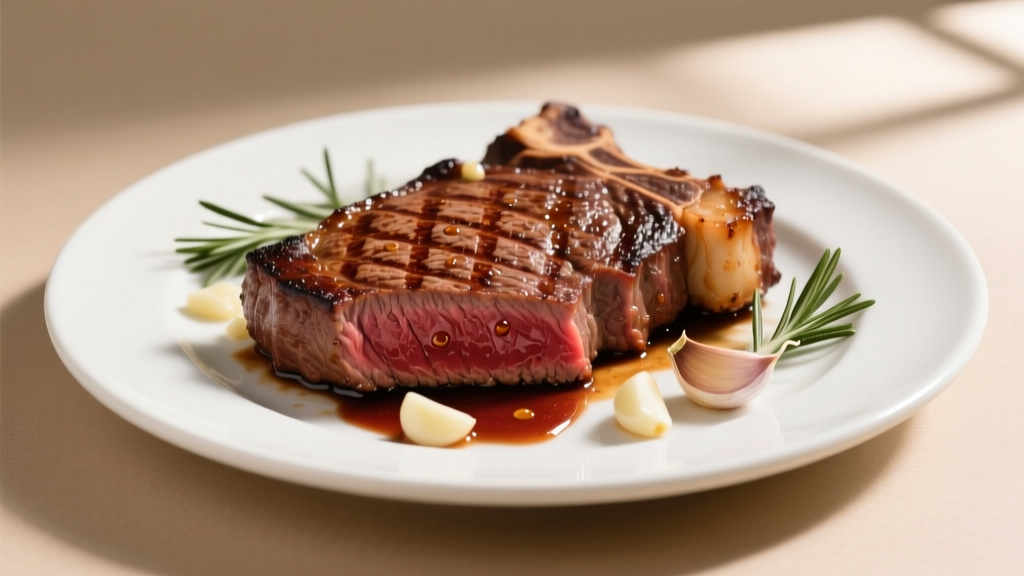
Garlic Marinade Steak Guide: Recipe & Pro Tips
Why Your Steak Needs Garlic Marinade (And Why It Often Fails)
Let's be real—you've probably tried garlic marinade before and ended up with rubbery steak or just... meh flavor. Happens to everyone. Thing is, most folks treat it like dumping minced garlic on meat and calling it a day. But after grilling hundreds of steaks? I've learned it's all about balance. Garlic's enzymes break down proteins just enough to tenderize, but go overboard and you're left with something resembling overcooked calamari. Not ideal, right?
Honestly, the magic isn't in the garlic alone—it's the combo with acid and fat. Acid (like lemon juice) wakes up the flavors, while oil carries garlic's oils deep into the meat. Skip one, and you lose that restaurant-quality depth. Trust me, I've tested this in my backyard smoker and kitchen for 20 years. Now, let's fix those common mistakes.
| Marinating Time | Best For | Risk of Over-Marinating |
|---|---|---|
| 30-60 minutes | Thin cuts (flank, skirt) | Surface turns mushy |
| 2-4 hours | Thick cuts (ribeye, sirloin) | Perfect tenderizing |
| 6+ hours | Avoid entirely | Meat becomes spongy |
Your Foolproof Garlic Marinade Recipe
Okay, here's the dead-simple version I use weekly. No fancy stuff—just stuff you have lying around. Grab:
- 4 garlic cloves, finely minced (fresh only—bottled stuff tastes flat)
- ¼ cup olive oil
- 2 tbsp red wine vinegar
- 1 tsp dried rosemary (or fresh, chopped)
- Salt and black pepper to taste
Mix it all in a bowl—glass or plastic, never metal—and coat your steak. Now, here's the pro tip nobody tells you: add 1 tsp honey. Sounds weird? It balances the garlic's sharpness and helps caramelization when searing. I learned this the hard way after burning too many steaks. Give it a try—you'll thank me later.
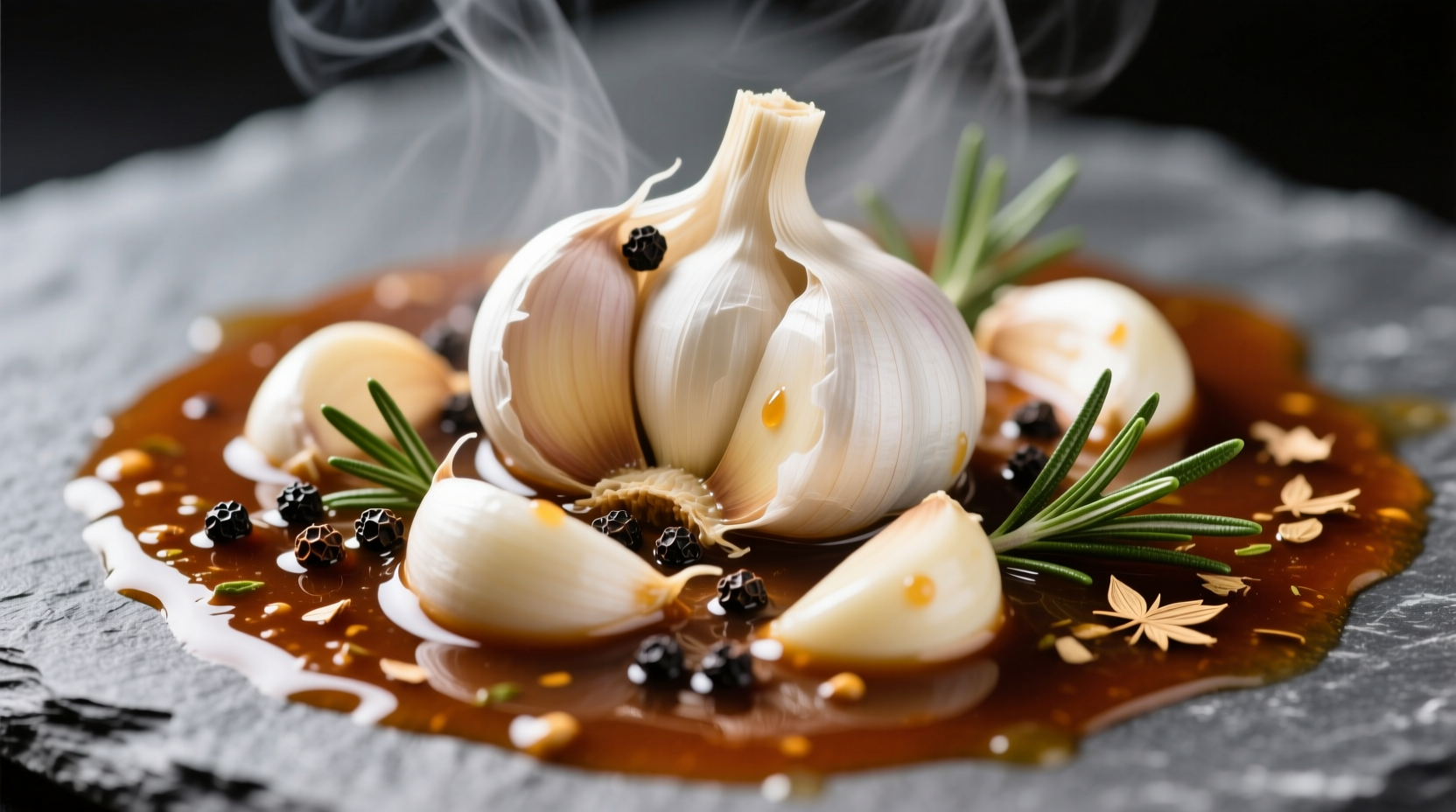
When to Use (And When to Avoid) Garlic Marinade
Not every steak night calls for garlic. Been there, messed that up. Use this marinade when:
- You're cooking tougher cuts like flank or skirt steak—garlic's enzymes work wonders.
- Grilling outdoors in warm weather (acid helps prevent spoilage).
- You want bold, savory notes without overpowering the beef.
Avoid it when:
- Using premium cuts like filet mignon—its delicate flavor gets lost.
- Marinating for longer than 4 hours (seriously, set a timer).
- Cooking in humid climates without refrigeration—garlic can turn bitter.
Side note: I once tried this on a Wagyu ribeye. Big mistake. The fat marbling clashed with the garlic, making it taste medicinal. Save the fancy stuff for salt-and-pepper simplicity.

Avoid These 3 Costly Mistakes
From my kitchen disasters to your success—here's what not to do:
- Skipping the pat-dry step: Wet steak = steamed, not seared. Always dry with paper towels before cooking. Learned this after soggy steak #42.
- Using old garlic: If it's sprouting or feels soft, it'll taste bitter. Fresh cloves should be firm and papery. Check your pantry!
- Marinating in the fridge uncovered: It absorbs other food odors. Cover tightly—your steak shouldn't taste like last night's leftovers.
Everything You Need to Know
Stick to 2-4 hours max for thick cuts like ribeye. Beyond that, garlic's enzymes break down proteins too much, creating a mushy texture. For thinner cuts (flank steak), 30-60 minutes is plenty. Always refrigerate during marinating—room temperature risks spoilage.
Fresh garlic is non-negotiable for real flavor depth. Dried garlic powder lacks the enzymatic tenderizing effect and often tastes dusty or bitter. If you're out of fresh cloves, skip the marinade entirely—just season with salt, pepper, and a garlic-infused oil during cooking.
Ribeye and sirloin are perfect—they have enough fat to handle garlic's boldness without overwhelming the meat. Avoid lean cuts like filet mignon; they turn tough with acid-based marinades. For budget-friendly options, flank steak soaks up flavors beautifully but needs shorter marinating time (under 1 hour).
Yes, but minimally—garlic's enzymes break down surface proteins, improving texture slightly. It won't transform a tough cut into filet mignon. For real tenderizing, use acidic components like vinegar (included in our recipe). Over-rely on garlic alone, and you'll just get mushy edges without deep penetration.
Nope—once it touches raw steak, it's contaminated with meat juices. Boiling won't make it safe for reuse due to potential bacterial growth. Toss leftovers, or use marinade before adding steak to make a sauce (simmer 5 minutes first). Safety first, always.
More Articles
 Oven Filet Steak Guide: Perfect Roast Every Time
 Sesame Tahini: Uses, Quality Tips, and Common Mistakes
 Best Spice Basics for Chili: Flavor-First Guide
Annatto Seeds: Color and Flavor Guide
Best Spice Basics for Chili: Flavor-First Guide
Annatto Seeds: Color and Flavor Guide
 Clove Seeds: Understanding the Common Misconception
 Poblano vs Pasilla Pepper: Key Differences Explained
 Hamburger Mashed Potato Casserole: Simple Recipe & Tips
 Garlic and Lemons: Science-Backed Benefits and Uses
 Allspice vs Mixed Spice: Key Differences