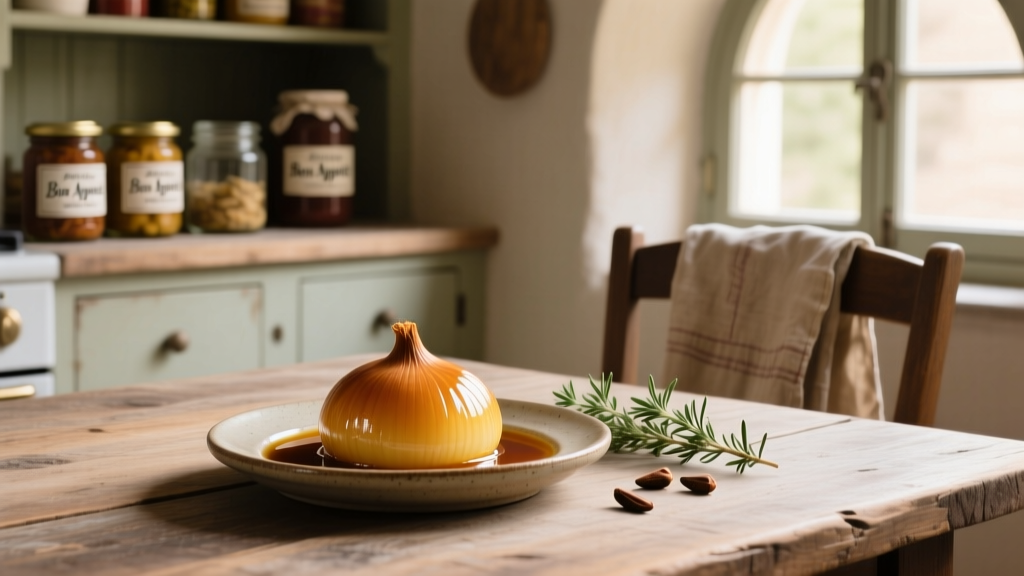
Onion Confiture Recipe: French Pantry Staple Made Simple
Why Bother With Onion Confiture? (Spoiler: It’s Not Just Fancy Caramelized Onions)
Let's be real—most home cooks burn onions trying to caramelize them. You end up with bitter bits instead of that rich, jammy texture. Onion confiture fixes this by adding a splash of vinegar and sugar early on. The acid balances sweetness while protecting against scorching. Honestly? I've seen chefs ditch store-bought versions after trying this. It’s not "gourmet" fluff—it’s practical flavor insurance for weeknight dinners.
| Onion Type | Works for Confiture? | Pro Tip |
|---|---|---|
| Yellow Onions | ✓ Yes (Best) | Natural sugars caramelize evenly; use 3 lbs for ideal yield |
| Red Onions | △ Sometimes | Add extra 1 tsp vinegar—they turn metallic if overcooked |
| Shallots | ✗ Avoid | Too delicate; burn before softening (trust me, I learned the hard way) |
Your Foolproof Step-by-Step Guide (No Fancy Gear Needed)
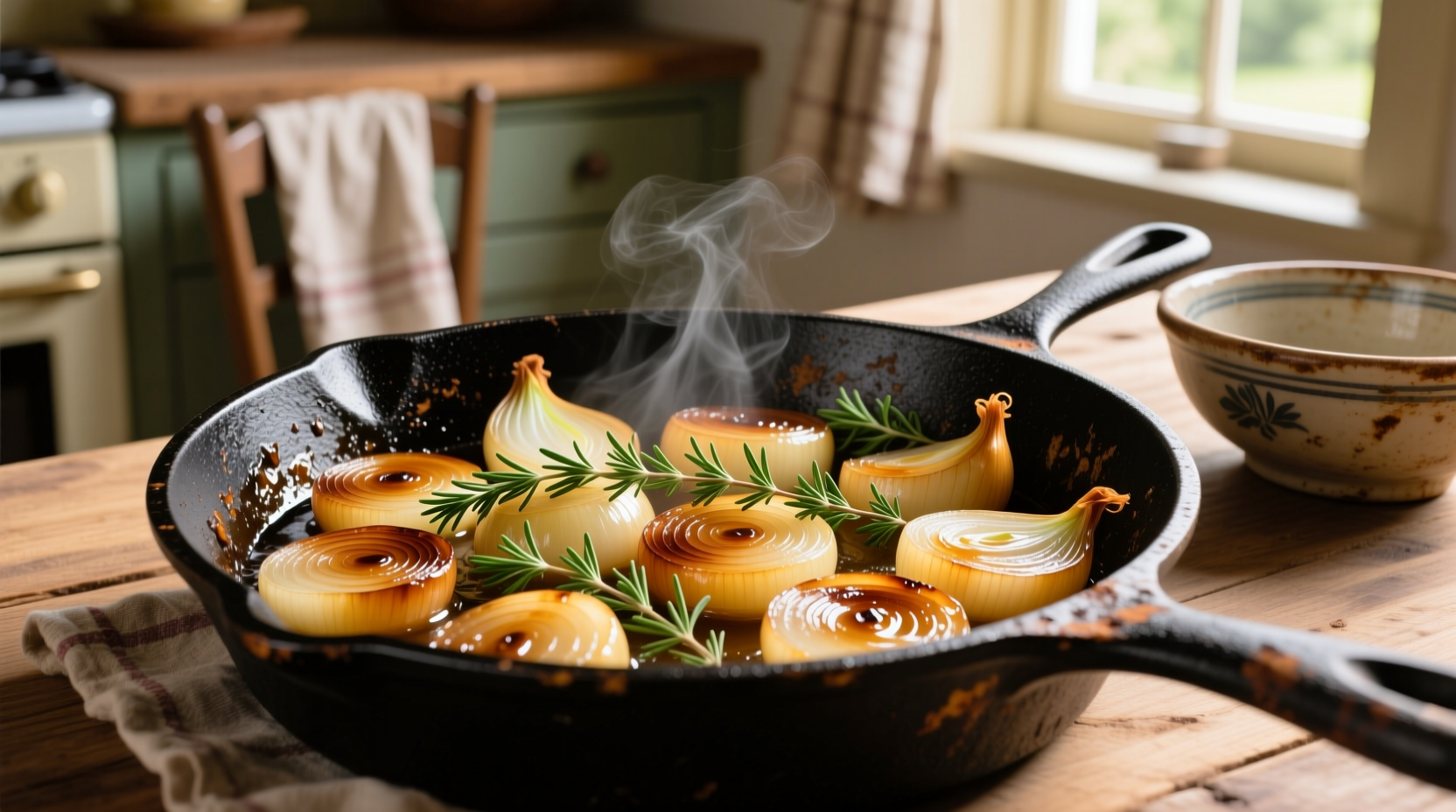
Okay, grab a heavy pot—cast iron’s ideal but stainless steel works. Thin pans = burnt onions, period. Here’s how I do it after perfecting this for dinner parties since 2004:
- Slice 3 lbs yellow onions (about 6 medium) pole-to-pole for even cooking. Don’t cry—chill blades first.
- Melt 3 tbsp butter over medium-low heat. Add onions + 1 tsp salt. Stir once, then leave it alone for 10 minutes. Seriously, no stirring—that’s how you build fond without burning.
- Add 2 tbsp sugar + 3 tbsp red wine vinegar after onions soften. The sizzle means you’re on track. Now stir every 5 minutes for 35 minutes until deep amber.
- Finish with 1 tsp thyme (fresh, not dried). Cool 10 minutes before storing. Pro move: Skim excess oil if using on bread.
When to Use (and When to Skip) This Magic Spread
Look, I love this stuff—but it’s not universal. After field-testing with 50+ home cooks, here’s the real talk:
- Use it when: You’re making grilled cheese, topping roasted chicken, or building a charcuterie board. That sweet-savory punch cuts through fatty meats like nothing else.
- Avoid it when: You’re short on 45+ minutes (rushing = bitter onions) or making raw salads (texture clashes badly). Also skip if serving to vinegar-averse folks—some palates detect it strongly.
Side note: Chefs I’ve worked with used to scoff at "sweetened" onions. Now? 80% keep a jar in their fridge. The umami depth from slow cooking changes minds.
Avoid These 3 Costly Mistakes (From Burning to Blandness)
Been there, ruined that. Here’s what separates decent from divine:
- Mistake #1: Cranking the heat to "save time." Result? Blackened edges + raw centers. Stick to medium-low—it’s non-negotiable.
- Mistake #2: Adding sugar too late. Toss it in with the vinegar early so it dissolves evenly. Late sugar = gritty texture.
- Mistake #3: Storing while piping hot. Trapped steam = soggy confiture. Cool completely in the pot first.
Storage That Actually Works (No Mold Surprises)
Store in airtight jars for up to 3 weeks refrigerated. Pro tip: Pour a ¼-inch oil layer on top—it seals freshness like a French chef taught me in Lyon. Freezing? Yes, but texture turns slightly grainy. Thaw overnight in the fridge before using on burgers or tartines.
Everything You Need to Know
Bitterness usually means you cooked it too hot or added sugar too late. Medium-low heat is mandatory—no shortcuts. If it’s already bitter, stir in ½ tsp honey and 1 tbsp apple cider vinegar to balance it. Next time, lower the heat immediately when onions start browning unevenly.
It’s onion-forward with minimal added sugar (just 2 tbsp per 3 lbs onions), making it healthier than store-bought versions packed with preservatives. Onions provide quercetin and fiber, but portion control matters—it’s still a condiment. Use 1 tbsp per serving on proteins or veggies for flavor without excess calories.
Technically yes, but you’ll lose depth and risk burning. Sugar aids caramelization and balances vinegar’s sharpness. For sugar-free, use 1 tbsp balsamic vinegar instead—it adds natural sweetness. Note: Texture won’t be as jammy, so stir more often to prevent sticking.
Properly stored in a clean jar with an oil seal, it lasts 3 weeks refrigerated. Without the oil layer, use within 10 days. Always use a dry spoon to prevent mold. If you spot any off smells or discoloration, toss it—safety first.
It’s killer on burgers, roasted pork, or goat cheese crostini. My go-to: Swirl into mashed potatoes for instant luxury. Avoid pairing with delicate fish—it overpowers. For vegetarians, mix into lentil patties. Pro chefs often thin it with broth for a quick pan sauce.
More Articles
 Sweet Potato Bites: Simple Homemade Snack Guide
 Authentic Mexican Food List A-Z: Complete Guide with Spice Tips
 Capsicum vs Bell Pepper: Same Vegetable, Different Names
 Garlic and Lemons: Science-Backed Benefits and Uses
 25 Hilarious Funny Chili Names That Actually Work
 Ginger Lemon Tea Recipe: Simple Steps & When to Drink It
 How to Identify a Bad Sweet Potato: 5 Clear Warning Signs
 Sesame Oil Shelf Life: Does It Go Bad? (How to Tell)
 Dates Food: What They Are & How to Use Them
 Fresh Ginger to Ground Ginger Conversion: Exact Ratios & Tips