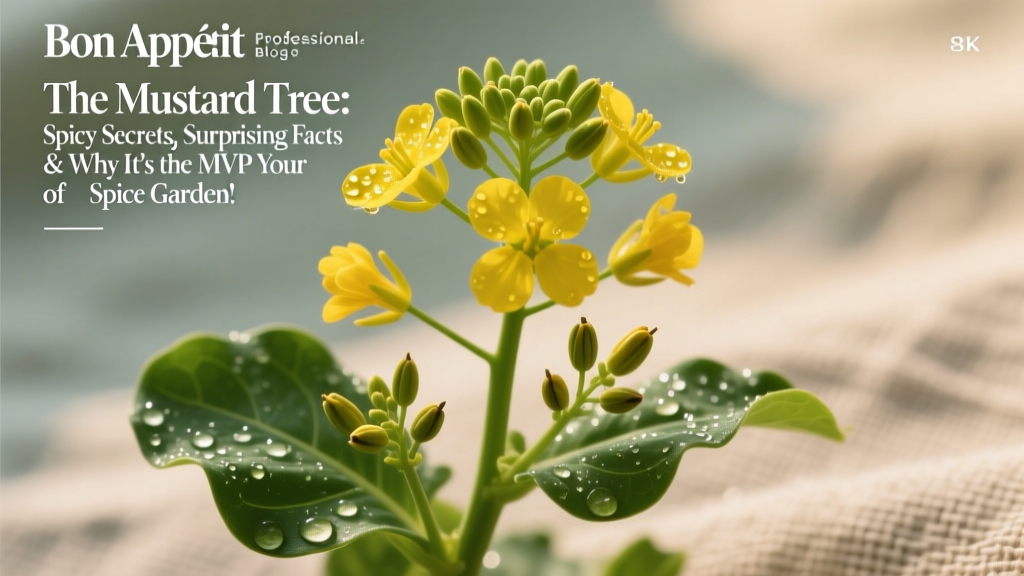
Mustard Tree: Spicy Secrets & Surprising Facts (2026)
Pain Point: Why the Confusion?
Many search "what is a mustard tree" after encountering biblical passages like Matthew 13:31–32 describing a "mustard seed" growing into a tree where birds nest. This creates persistent confusion. Gardeners plant mustard expecting a tree, only to find short-lived herbs. Chefs confuse it with woody spices, wasting time seeking non-existent timber. The myth persists because historical translations used "tree" metaphorically for plants that seem tree-like in arid climates—but botanically, mustard is never arboreal.
Cognitive Refresh: The Scientific Reality
Botanical authorities unanimously classify mustard as herbaceous annuals. The Herb Society of America clarifies: "Mustard plants are not trees; they are herbaceous annuals" in the Brassicaceae family. Similarly, the USDA states mustard is an "annual, cool-season specialty cash crop" grown for seeds and greens—not timber. Three key species dominate global use:
| Species | Common Names | Height Range | Primary Uses |
|---|---|---|---|
| Brassica nigra | Black mustard | 6-8 ft | Hot mustard condiments, oil |
| Brassica juncea | Brown/Indian mustard | 4-6 ft | Mustard greens, seeds for Dijon-style mustard |
| Sinapis alba | Yellow mustard | 2-4 ft | Mild condiments, commercial mustard powder |
As Wikipedia's Brassica juncea entry confirms, these are "annual herbs" native to India and China. Their rapid growth (up to 8 feet in one season) in dry soils explains the "tree-like" appearance in ancient Near Eastern gardens—but they die after seeding, lacking perennial woody structure.
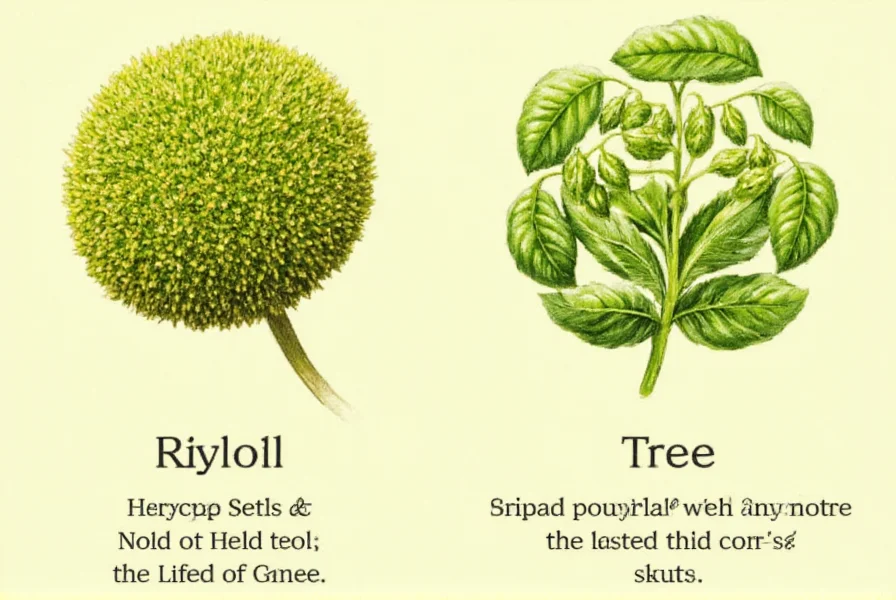
Scene Application: Practical Uses Today
Understanding mustard's true nature unlocks its culinary and agricultural value. Chefs use black mustard seeds for pungent Indian curries and yellow mustard seeds for mild American-style condiments. Gardeners harvest mustard greens (Brassica juncea) as nutrient-dense leafy vegetables in cool seasons. Farmers rotate mustard crops to suppress soil pathogens—a practice validated by USDA studies on mustard's biofumigant properties.
For home growers: Plant seeds ¼-inch deep in early spring. Mustard thrives in full sun with moderate water, maturing in 30-90 days. Harvest leaves when young for salads; collect seeds when pods dry. Avoid planting near tomatoes—mustard attracts aphids that spread viruses.
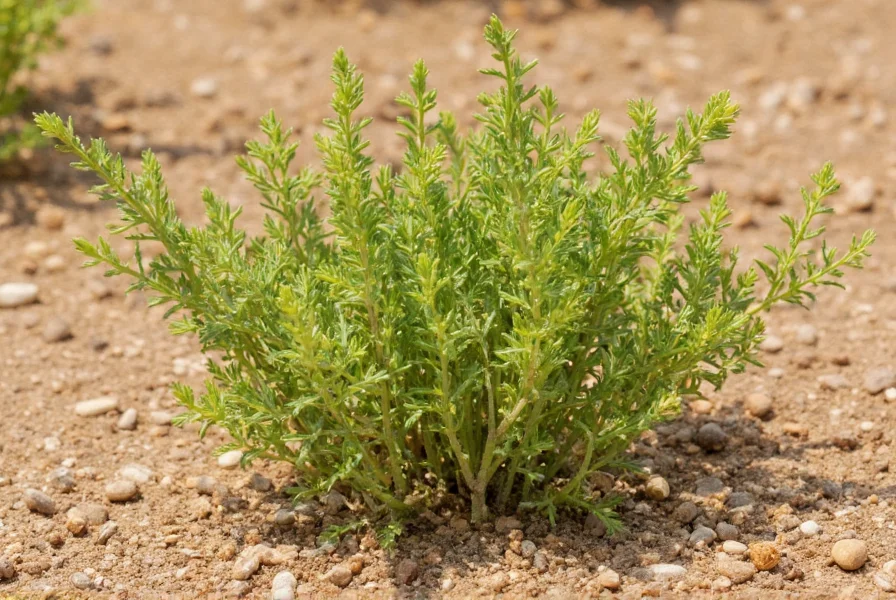
Decision Boundary: When to Use or Avoid
Use mustard plants when:
- You need fast-growing cover crops (mustard for soil remediation in 60-90 days)
- Seeking pungent condiment bases (black mustard seeds for Bengali cuisine)
- Adding nutrient-rich greens to diets (Brassica juncea leaves contain 300% DV vitamin K per cup)
Avoid mustard plants when:
- Expecting perennial wood (they die after one season)
- Planting in hot climates (they bolt above 75°F/24°C)
- Using seeds for long-term storage without drying (moisture causes mold)
Final Recommendation
Embrace mustard as a versatile annual—not a tree. For culinary use, select Brassica juncea for robust greens or Sinapis alba for mild condiments. Gardeners should rotate mustard crops annually to maximize soil benefits. When encountering "mustard tree" references, recognize they describe metaphorical growth in religious texts—not botany. Nepal's dominance in production (208,542 tonnes in 2023 per Jagran Josh data) confirms its status as a field crop.
Common Misconceptions
Misconception: "Mustard trees exist in the Middle East."
Fact: The plant referenced in Matthew 13 is likely Salvadora persica (toothbrush tree), a shrub with mustard-sized seeds. True mustard species never grow tree-like.
Misconception: "All mustard seeds are interchangeable."
Fact: Black mustard (B. nigra) is hotter than yellow (S. alba). Substituting them alters flavor profiles—e.g., using yellow seeds in bengali shorshe ilish yields bland results.
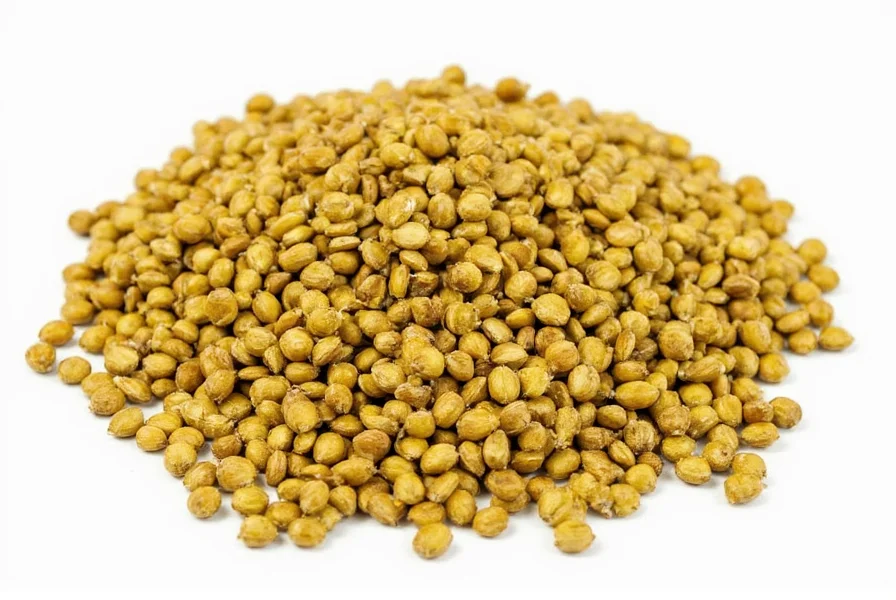
Everything You Need to Know
Historical translations used "tree" metaphorically for Salvadora persica—a shrub with mustard-sized seeds common in ancient Palestine. True mustard plants (Brassica species) were known in the region but never called trees. As the Herb Society of America notes, mustard is herbaceous; the reference reflects cultural context, not botany.
No. Mustard species reach 2-8 feet in one growing season but lack woody tissue. Wikipedia's mustard plant entry confirms they are "herbaceous annuals" that die after seeding. Their rapid growth in arid soils may create a tree-like appearance temporarily, but they never develop perennial trunks.
Store seeds in airtight containers away from light and moisture. Whole seeds last 2-3 years; ground mustard loses potency in 6 months. Avoid humidity—USDA guidelines note moisture causes mold. For culinary use, refrigerate after opening. Never store near heat sources like ovens, as this degrades volatile compounds essential for mustard seed flavor in curries.
Yes, but with caveats. Young Brassica juncea leaves are edible raw in salads, offering high vitamin C. However, mature leaves contain glucosinolates that may cause stomach upset if consumed excessively. Cooking reduces bitterness and potential digestive issues. The Herb Society advises harvesting before flowering for optimal tenderness in mustard green stir-fries.
Nepal leads global production with 208,542 tonnes in 2023, followed by Russia (171,600 tonnes) and Canada (170,700 tonnes), per Jagran Josh agricultural data. Production focuses on cool-season annual farming—not tree cultivation. Canada dominates yellow mustard for commercial condiments, while India specializes in brown mustard seeds.
More Articles
 How Spice Origin Shapes Real Flavor
 Lemon Garlic Marinade Chicken: Simple Recipe & Pro Tips
 Ina Garten's Potato Salad Recipe: French-Style Perfection
 Air Fryer Steak: Simple Perfect Results
 Are Cinnamon Sticks Edible? Safety Facts
 Crispy Smashed Potatoes: Perfect Recipe & Pro Tips
 Simple Meat and Potato Recipes for Busy Nights
Asafoetida (Hing): A Beginner's Guide
Simple Meat and Potato Recipes for Busy Nights
Asafoetida (Hing): A Beginner's Guide
 Essential vs. Spice
 Global Spice Traditions: A Practical Field Guide