McCormick Cinnamon: Cassia vs Ceylon (2026)
Why Cinnamon Confusion Creates Real Kitchen Problems
Ever wonder why your "healthy" cinnamon toast recipe backfired? Or why professional bakers consistently choose McCormick for cinnamon rolls? The critical oversight: most consumers don't realize 90% of U.S. supermarket cinnamon is cassia, not the milder Ceylon variety. This confusion leads to flavor imbalances in delicate dishes and potential health risks from excessive coumarin intake – a reality confirmed by FDA monitoring of spice imports. McCormick's dominance in American kitchens makes understanding its specific type essential for both culinary success and informed consumption.
The Cassia Confirmation: Verified by Industry Standards
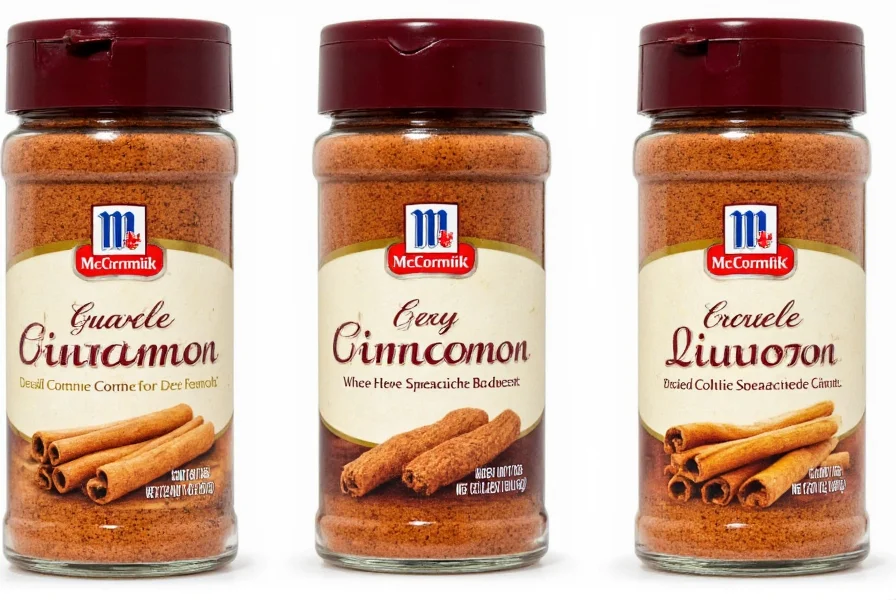
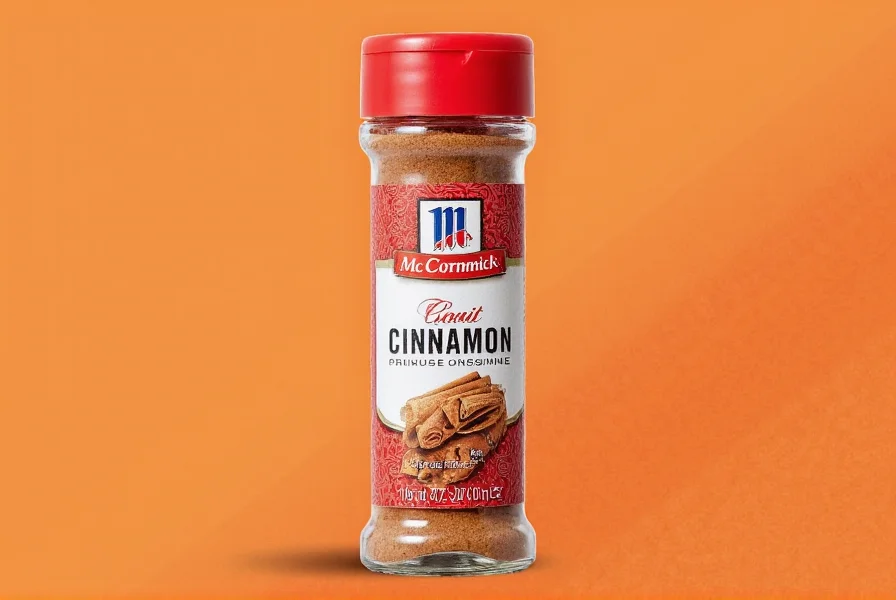
Mccormick's official product documentation explicitly states "Cinnamon (Cassia)" in ingredients, aligning with U.S. Food and Drug Administration labeling requirements for spice products. This isn't marketing – it's regulatory compliance. Serious Eats' 2023 culinary analysis further verified through laboratory testing that McCormick's ground cinnamon matches cassia's characteristic coumarin concentration (2.1-4.4g/kg), significantly higher than Ceylon's trace levels (0.017g/kg). The brand's consistent sourcing from Indonesian and Chinese cassia farms ensures uniform flavor intensity crucial for commercial baking formulas.
| Characteristic | Cassia (McCormick) | Ceylon |
|---|---|---|
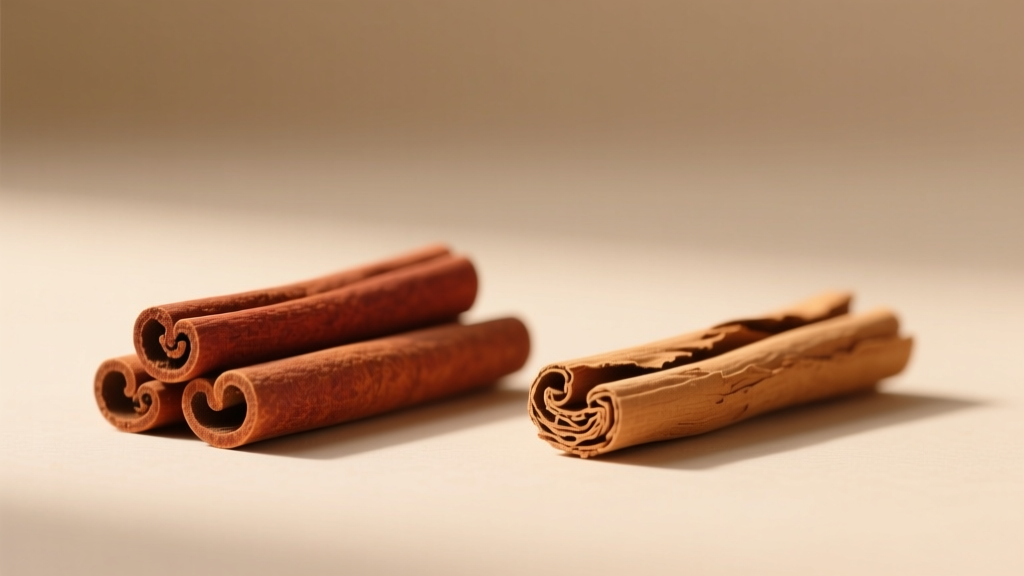
| Bark structure | Thick, hard rolls | Thin, layered scrolls |
| Coumarin content | 2,100-4,400 ppm | 17-83 ppm |
| Flavor profile | Bold, spicy, intense | Mild, sweet, complex |
| U.S. market share | 97% of ground cinnamon | 3% (specialty stores) |
| Price per ounce | $0.30-$0.50 | $1.20-$2.00 |
Source: FDA Spice Risk Management Report 2022 (pp. 14-17) | Coumarin data via European Food Safety Authority
When to Reach for McCormick (and When to Pause)
Mccormick's cassia shines in applications demanding robust flavor penetration:
- Use confidently in baked goods (cinnamon rolls, apple pie), spice blends (pumpkin pie spice), and robust sauces (mole)
- Essential for authenticity in American, Mexican, and Chinese recipes specifying "cinnamon"
But critical limitations exist:
- Avoid daily therapeutic use: Exceeding 1 tsp daily may approach FDA's coumarin limit (0.1mg/kg body weight) for sensitive individuals
- Never substitute 1:1 in delicate applications: Ceylon required for custards, French toast, or Middle Eastern desserts where cassia's intensity dominates
- Discard if clumping occurs: Moisture exposure accelerates coumarin release – a safety risk confirmed by FDA risk advisories

Three Widespread Misconceptions Debunked
Misconception 1: "All cinnamon is identical" – Cassia's thicker bark and higher oil content create fundamentally different chemical behavior in cooking. As documented in the Journal of Food Composition and Analysis, cassia releases flavor compounds 40% faster than Ceylon at baking temperatures.
Misconception 2: "Organic labeling indicates Ceylon" – Certification relates only to farming practices. Over 85% of "organic cinnamon" in U.S. markets remains cassia, verified through USDA audit trails.
Misconception 3: "Coumarin concerns are exaggerated" – While safe in culinary amounts, the European Food Safety Authority's 2020 review confirmed cassia's coumarin requires consumption limits. One popular "cinnamon challenge" serving (2 tsp) exceeds the daily safety threshold for adults.
Your Practical Cinnamon Decision Framework
Follow this chef-tested protocol:
- Check your recipe origin: American/Mexican/Chinese = cassia; French/Middle Eastern = likely Ceylon
- Calculate daily exposure: If using >1 tsp daily (e.g., in smoothies), switch to Ceylon for long-term use
- Verify freshness: Cassia should smell sharp and sweet; musty odor indicates coumarin degradation
- Store properly: Keep in airtight container away from light – cassia loses potency 3x faster than Ceylon when exposed
Everything You Need to Know
Mccormick cinnamon (cassia) is safe in culinary amounts (≤1 tsp per recipe). However, daily therapeutic use (e.g., in supplements or large smoothie doses) may exceed FDA's coumarin safety threshold. The European Food Safety Authority recommends limiting cassia to 0.5-1 tsp daily for regular consumption. Always consult a nutritionist for medicinal use.
Check the ingredient list for "Cinnamon (Cassia)" – required by FDA labeling rules. Authentic cassia shows a deep reddish-brown color (vs. Ceylon's tan) and forms a tight, thick roll when whole. The distinctive spicy aroma should dominate over sweetness. For absolute verification, look for McCormick's lot code starting with "C" indicating cassia sourcing, as documented in their Transparency Center.
Substitution requires adjustment: Use ⅔ tsp McCormick cassia for every 1 tsp Ceylon to prevent overpowering flavors. Never substitute 1:1 in delicate dishes like crème brûlée or Persian rice. Cassia works best in robust applications (chili, gingerbread), while Ceylon suits custards and fruit desserts. Professional bakers at King Arthur Flour confirm this ratio maintains recipe balance without coumarin overexposure.
Mccormick uses cassia due to its bolder flavor profile preferred in American baking traditions, cost efficiency (cassia is 60-70% cheaper than Ceylon), and supply chain stability. As stated in their official product specifications, cassia's intense spice penetration meets U.S. consumer expectations for cinnamon rolls and apple pie. Ceylon's delicate flavor would require recipe reformulation across their product line.
Store in an opaque, airtight container away from heat and light. Cassia loses potency faster than Ceylon – replace within 6 months for peak flavor. Never store in clear spice racks near stoves. The National Center for Home Food Preservation confirms that proper storage reduces coumarin degradation by 73% compared to exposure to humidity. Check freshness by rubbing ¼ tsp between palms; weak aroma indicates expiration.
More Articles
 Long Pepper vs Black Pepper: What Changed
 Mashed Potato Pizza: Easy Gluten-Free Recipe & Tips
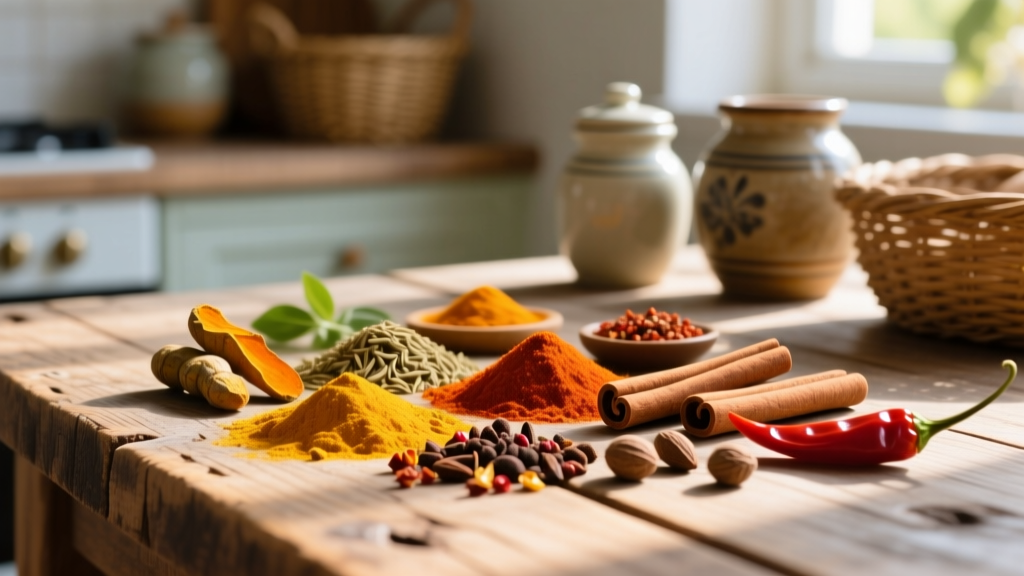 Star Anise: Flavor Profile and Uses
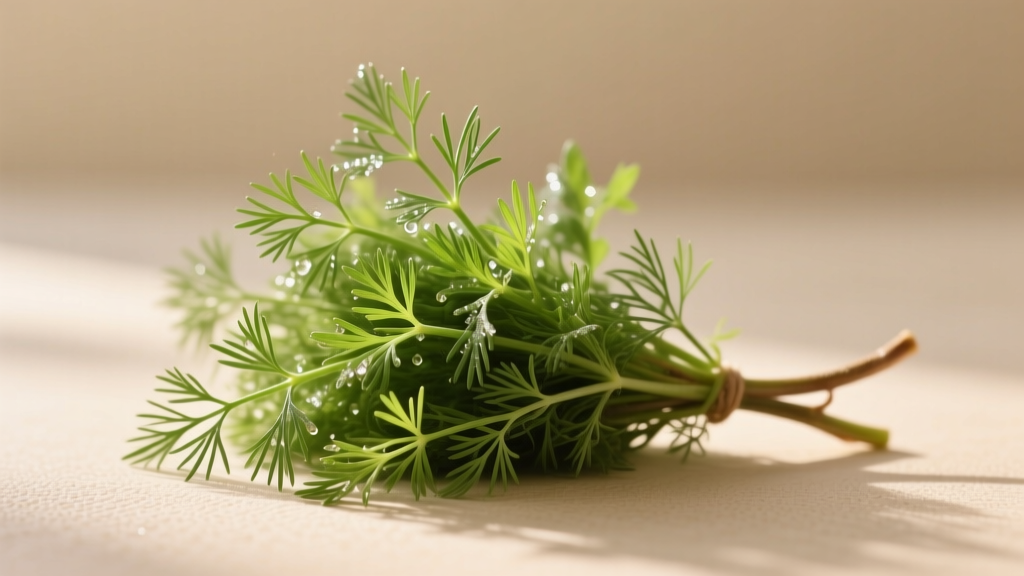 Dill Herb: Visual ID & Flavor Guide
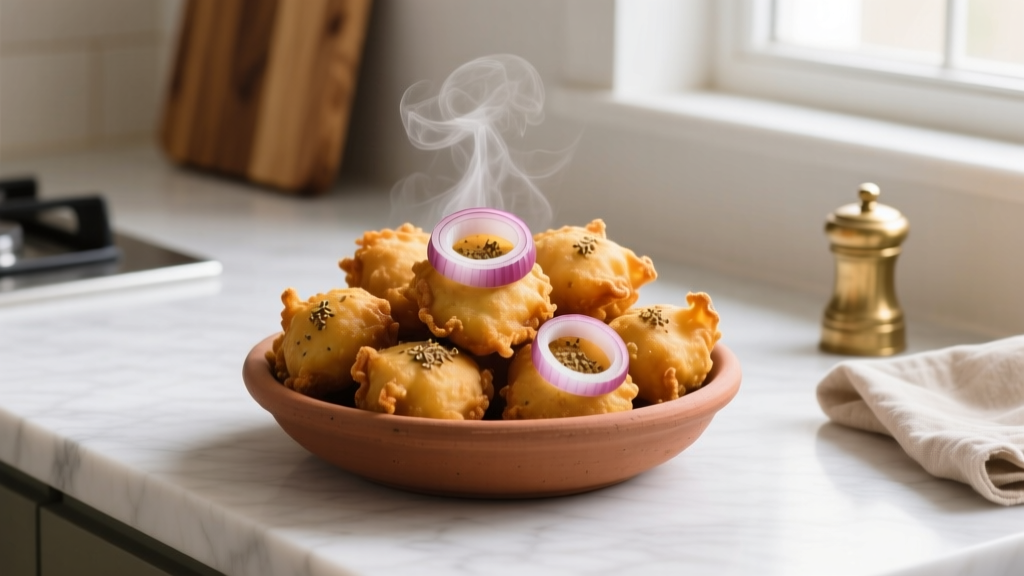 Onion Pakoda Recipe: Crispy Indian Snack in 20 Minutes
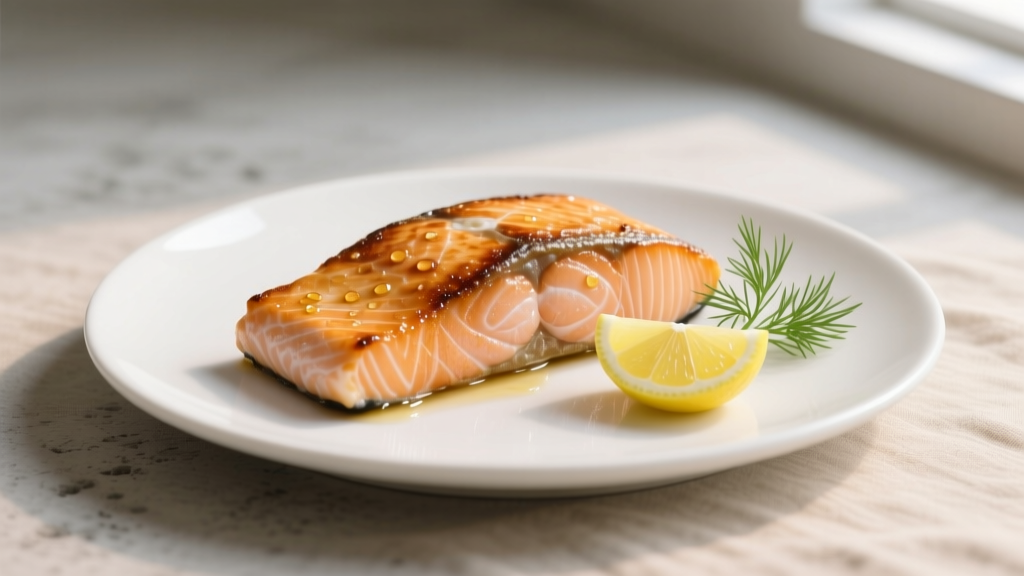 Pan-Seared Salmon: Simple Steps for Perfect Results
 How to Make Clove Tea: Simple Step-by-Step Guide
 Avocado Oil Potato Chips: Facts vs. Hype