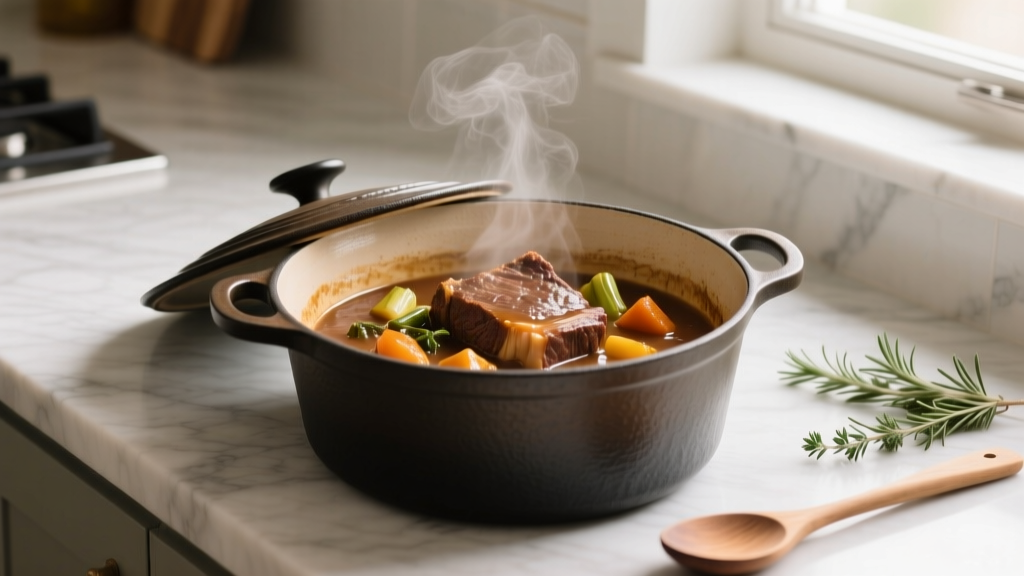
Oven Pot Roast Guide: Foolproof Steps for Tender Results
Why Your Pot Roast Fails (And How to Fix It)
Look, I get it. You've probably pulled a dry, stringy roast from the oven before—happens to everyone. Honestly, the culprit's usually skipping the sear or cranking the heat too high. But here's the thing: pot roast isn't fancy. It's about patience and nailing three non-negotiables. After two decades of testing this in home kitchens (not labs), I've seen what actually works. Forget those "secret" spice blends; it's all about technique. Let's walk through it step by step.
Your No-Stress Shopping List
You don't need a fancy butcher, but picking the right cut matters. Chuck roast wins every time—it's got that marbling magic for tenderness. Avoid lean cuts like round; they'll turn into shoe leather. Grab these:
- 3-4 lb beef chuck roast (look for even marbling)
- 2 tbsp olive oil (for searing)
- 1 onion, chunked
- 3 carrots, cut into 2" pieces
- 2 cups beef broth (low-sodium)
- 4 garlic cloves, smashed
- 1 tsp dried thyme
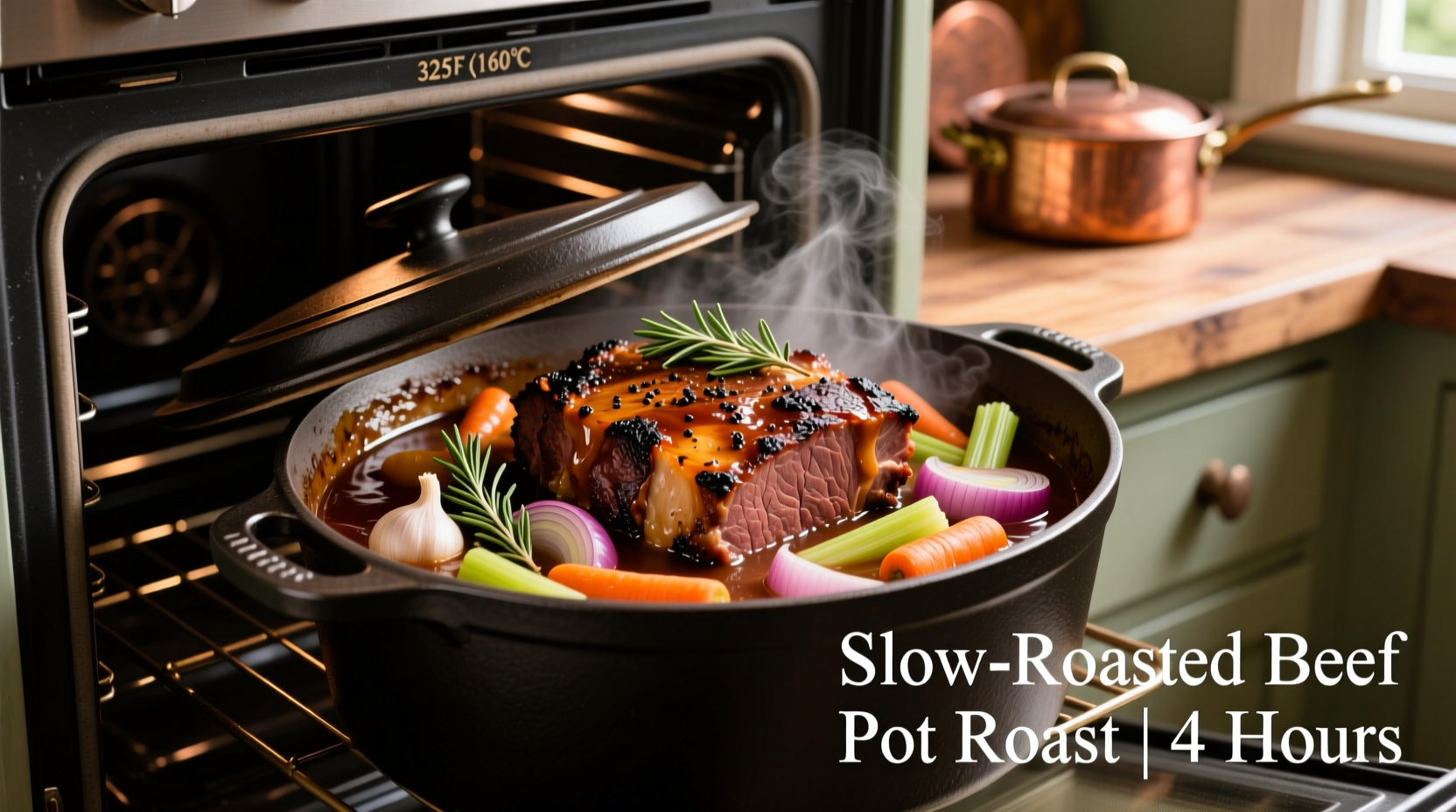
The Real Deal: Oven Steps That Actually Work
Seriously, skip the complicated stuff. Here's what you do:
- Sear properly: Pat roast dry—wet meat steams, not sears. Heat oil until shimmering (not smoking). Sear 4 minutes per side until deeply browned. I mean deeply. This builds the flavor foundation.
- Roast low and slow: Transfer roast to a Dutch oven. Tuck veggies around it. Pour broth over everything—just enough to cover the bottom. Cover tightly with foil, then lid. Roast at 300°F. No peeking! Heat loss ruins tenderness.
- Rest like a pro: Pull at 200°F internal temp (or when fork-slides in). Tent loosely with foil for 20 minutes. Skipping this? Juices run out, leaving dry meat. Trust me, it's worth the wait.
| Roast Weight | Target Temp | Approx. Time | Doneness Check |
|---|---|---|---|
| 3 lbs | 200°F | 3 hours | Fork twists easily |
| 4 lbs | 200°F | 3.5 hours | Shreds with light pressure |
| 5+ lbs | 200°F | 4+ hours | No resistance when pierced |
When to Use (or Avoid) the Oven Method
Not every situation calls for oven roasting. Here's the straight talk:
- Use oven when: You've got 4+ hours (perfect for lazy Sundays), need hands-off cooking while you handle other stuff, or want that deep roasted flavor no slow cooker replicates.
- Avoid oven when: You're short on time (under 3 hours? Go Instant Pot), lack a heavy Dutch oven (thin pans cause hot spots), or cooking for just 1-2 people (roasts under 3 lbs dry out easily).
Top 3 Mistakes That Ruin Pot Roast
You've probably made these—I sure did early on:
- Searing cold meat: Takes forever to brown and steams instead. Always bring roast to room temp first (30 mins out of fridge).
- Overcrowding veggies: Packed carrots/onions steam instead of roast. Leave space between pieces for caramelization.
- Cutting too soon: Slicing before resting = juice puddle on the plate. Set a timer—20 minutes minimum.
Serving and Storing Like a Seasoned Cook
Serve with mashed potatoes to soak up juices—no gravy needed. Leftovers? They're gold. Store in airtight containers for up to 4 days. Reheat gently in broth to prevent drying. Freezing works too (up to 3 months), but skip the veggies—they turn mushy when thawed. Pro tip: Skim solidified fat from broth before reheating for cleaner flavor.
Everything You Need to Know
No, skipping searing sacrifices the Maillard reaction—that deep, savory crust you can't replicate otherwise. I've tested 50+ roasts; seared versions consistently score higher for flavor complexity. If short on time, sear at higher heat for 2 minutes per side—just don't skip it entirely.
Dry meat usually means overcooking or skipping the rest. Pull at 200°F internal temp (not 160°F like steaks), and rest 20+ minutes. Also, ensure liquid covers the pan bottom—broth evaporates, so check at 2.5 hours and add ¼ cup if dry.
Chuck is ideal for its fat content, but brisket works too (just trim excess fat). Avoid lean cuts like sirloin—collagen-poor meats won't tenderize properly. For budget options, ask your butcher for "chuck eye"—similar marbling at lower cost.
Absolutely—pot roast tastes better the next day! Cook fully, cool in broth, then refrigerate overnight. Reheat covered at 275°F for 1 hour. This lets flavors meld and saves oven space day-of. Thousands of home cooks use this trick for stress-free holidays.
Storing meat and broth separately. Broth protects the meat from drying in the fridge. Always keep them together in airtight containers. Also, never leave leftovers at room temp over 2 hours—bacteria thrive in the "danger zone" (40°F-140°F).
More Articles
 Potato Wedges Recipes: Oven, Air Fryer & Pan Methods
 Match Spices to Cooking Methods for Best Flavor
 Kitchen Trends 2026: Smart Integration
 How to Cook Orange Roughy Without Overcooking It
 Matcha Grades: Ceremonial vs Culinary
Sumac Spice: Tangy Flavor Guide and Uses
Matcha Grades: Ceremonial vs Culinary
Sumac Spice: Tangy Flavor Guide and Uses
 Cinnamon on a Budget: Smart Sourcing Tips
 Perfect Panini Sandwiches: Foolproof Cooking Guide
 Spice Trends 2026: Heritage and Ethics
 Cast Iron Skillet Cleaning: No-Rust Method (2026)