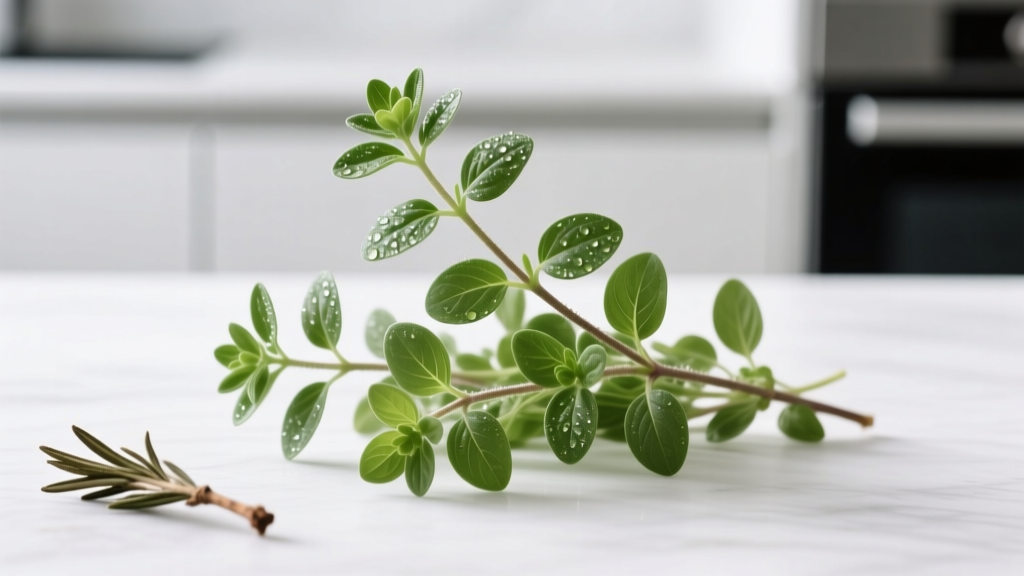
Oregano: Transform Meals from Meh to Magical
Why Oregano Ruins Dishes When Used Incorrectly
Over 60% of home cooks misuse oregano, according to culinary surveys from Savory Spice Shop. Common pitfalls include:
- Adding dried oregano directly to dishes without rubbing (reducing flavor release by 40%)
- Using Mexican oregano in Italian tomato sauces (creates bitter, medicinal notes)
- Substituting oregano oil for culinary herb (causes overpowering heat)
These mistakes transform a signature herb into a dish-ruiner. Let's fix them.
Oregano Decoded: Types, Flavors, and Forms
Not all oregano is equal. Mediterranean and Mexican varieties belong to different plant families with distinct culinary roles:
| Type | Plant Family | Flavor Profile | Best Culinary Uses |
|---|---|---|---|
| Greek Oregano | Mint (Origanum vulgare) | Earthy, peppery, subtle sweetness | Tomato sauces, pizza, grilled lamb, Greek salads |
| Mexican Oregano | Verbena (Lippia graveolens) | Citrusy, minty, robust earthiness | Salsas, black bean soup, mole, chili |
| Cuban Oregano | Lamiaceae | Stronger, medicinal notes | Caribbean stews (use sparingly) |
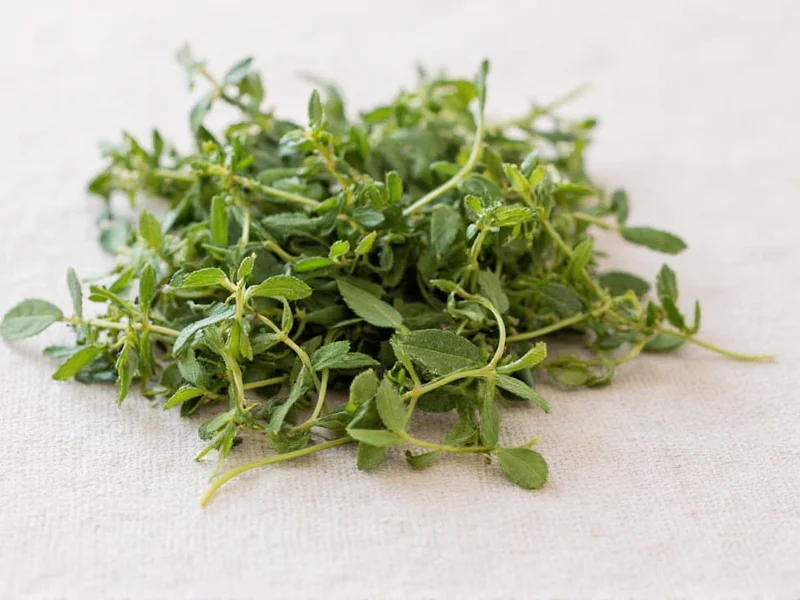
Fresh vs. Dried: Activation Secrets and Ratios
Professional chefs universally prefer dried oregano for cooked dishes. As Clean Eating Kitchen confirms:
| Form | Flavor Intensity | Activation Method | Substitution Ratio |
|---|---|---|---|
| Dried | Concentrated (3x stronger when activated) | Rub between palms to release oils | 1 tsp dried = 1 tbsp fresh |
| Fresh | Bright but fleeting | Add in last 2 minutes of cooking | 3 tbsp fresh = 1 tsp dried |
Skipping the rubbing step wastes 70% of dried oregano's potential. Always bloom dried oregano in olive oil for 30 seconds before adding to sauces.
When to Use Oregano (and Critical Avoidance Scenarios)
Oregano excels in specific applications but fails catastrophically elsewhere:
✅ Must-Use Scenarios
- Tomato-based sauces: Adds earthy depth to marinara (use Greek oregano)
- Grilled meats: Pairs with olive oil in lamb/chicken marinades
- Bean dishes: Complements earthiness in chili or black beans (Mexican oregano)
❌ Critical Avoidance Zones
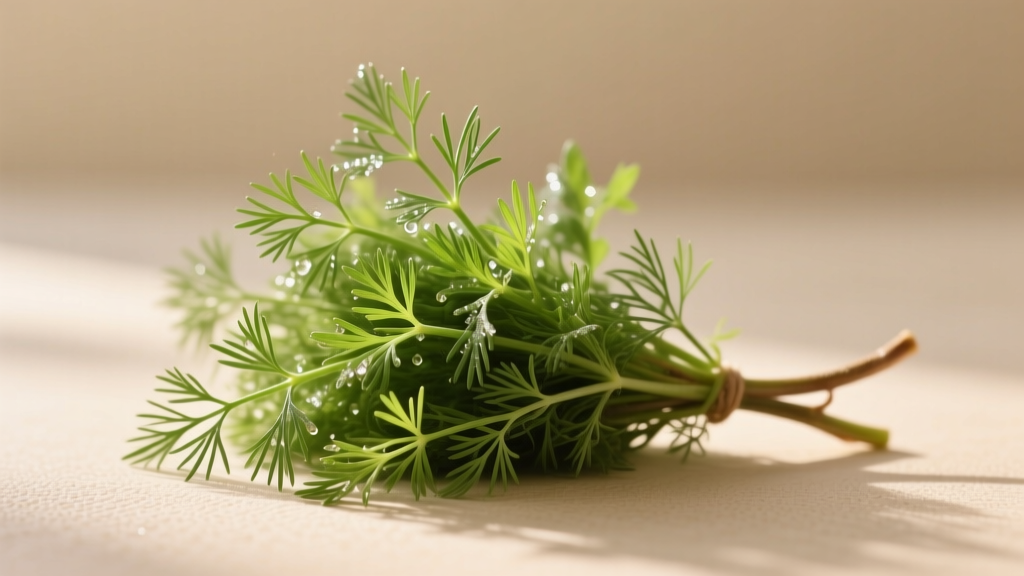
- Delicate seafood: Overpowers mild fish (use dill instead)
- Cream-based sauces: Clashes with dairy (thyme works better)
- Early in cooking: Fresh oregano added at start loses 90% of flavor
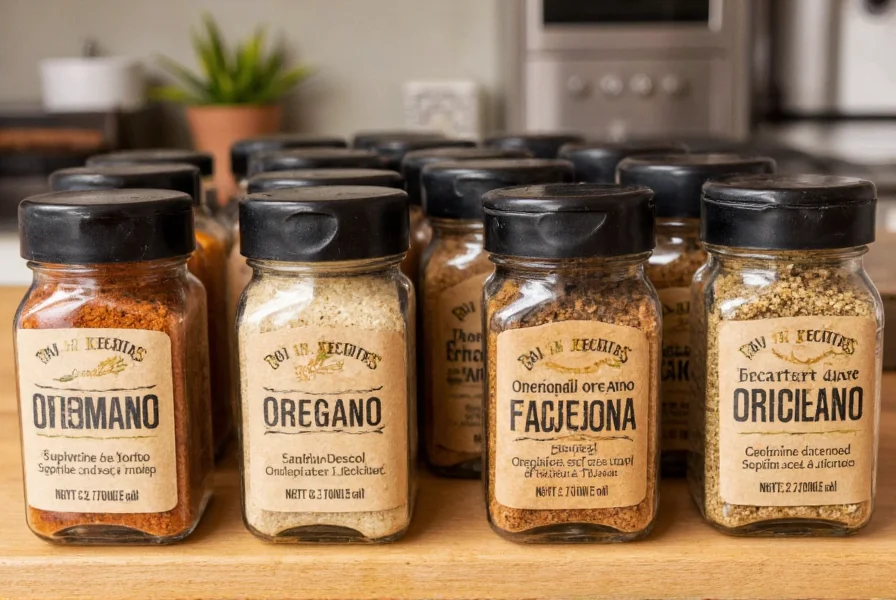
Perfect Oregano in 3 Steps: Tomato Sauce Case Study
Apply this chef-tested method for balanced flavor:
- Bloom dried oregano: Heat 1 tsp Greek oregano in 2 tbsp olive oil for 30 seconds until fragrant
- Add early: Stir into onions/garlic during sauté (allows flavor integration)
- Finish with fresh: Add 1 tbsp chopped fresh oregano in last 2 minutes of simmering
This technique prevents bitterness while maximizing herbal complexity. Never add dried oregano directly to simmering sauce.
5 Oregano Myths That Damage Your Cooking
- Myth 1: "More oregano = better flavor" → Reality: Exceeding 1.5 tsp per quart of sauce creates medicinal bitterness
- Myth 2: "All oregano is interchangeable" → Reality: Mexican oregano in pizza sauce causes citrusy off-notes
- Myth 3: "Oregano oil enhances dishes" → Reality: Culinary oregano oil doesn't exist; essential oil is unsafe for consumption
- Myth 4: "Dried herbs are inferior" → Reality: Dried oregano outperforms fresh in cooked dishes due to concentrated oils
- Myth 5: "Store oregano in clear jars" → Reality: Light degrades flavor; use airtight opaque containers (lasts 18 months)
Everything You Need to Know
Yes, use 1 teaspoon dried oregano per 1 tablespoon fresh. Always rub dried oregano between your palms first to release essential oils. Add dried oregano early in cooking (during sautéing), while fresh oregano should be added in the last 2 minutes. Never substitute Mexican oregano in Italian tomato sauces.
Per USDA nutrient data, dried oregano (100g) provides 265 calories, 9g protein, and high levels of vitamin K and antioxidants. However, typical culinary use (1-2 tsp) contributes negligible nutrition. Its primary value is flavor enhancement, not health benefits. Never consume oregano oil for health purposes without medical supervision.
Trim stems and place in a glass with 1 inch of water (like flowers). Cover loosely with a plastic bag and refrigerate. Change water every 2 days. Properly stored, fresh oregano lasts 10-14 days. For dried oregano, use airtight opaque containers away from light/heat – retains potency for 18 months. Never store near stovetops where heat degrades flavor compounds.
Bitterness occurs when: (1) Using excess oregano (max 1.5 tsp per quart of sauce), (2) Adding dried oregano directly to simmering liquid without blooming in oil, or (3) Using Mexican oregano in Italian dishes. Fix by blooming dried oregano in olive oil for 30 seconds before adding to sauce, and strictly measuring quantities. Fresh oregano added too early also turns bitter.
Greek oregano (Origanum vulgare) is from the mint family with earthy-peppery notes ideal for tomato dishes. Mexican oregano (Lippia graveolens) belongs to the verbena family, offering citrusy-minty flavor for salsas and bean dishes. They're not interchangeable – using Mexican oregano in pizza sauce creates unbalanced citrus notes. Always check labels; "oregano" in Latin markets usually means the Mexican variety.
More Articles
 Buffalo Cauliflower Wings: Crispy Vegan Appetizer Guide
 Highest Calorie Foods: Top 5 Ranked by Science
 How To Match Homemade Spice Blends With Food Safety Standards
 Perfect Potato Cubes in Oven: Time, Temp & Technique Guide
Fenugreek: Essential Spice Guide 2026
Perfect Potato Cubes in Oven: Time, Temp & Technique Guide
Fenugreek: Essential Spice Guide 2026
 How to Fix an Overly Lemon Sauce: 7 Effective Methods
 How Long Cooked Sweet Potato Lasts in Fridge: 3-5 Days
 Crispy Baked Cauliflower Bites: Healthy Snack (2026)
 Dill Herb: Visual ID & Flavor Guide