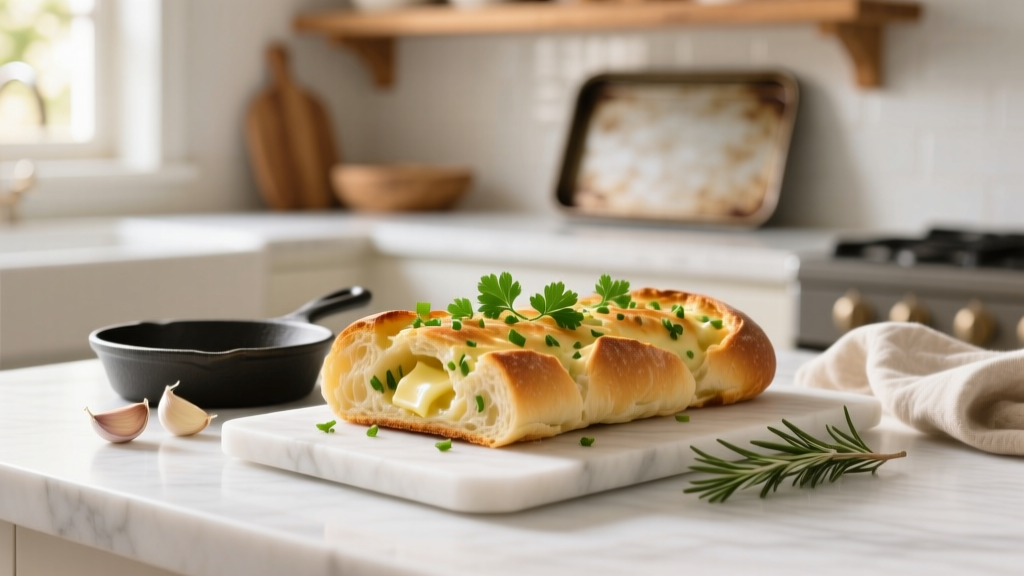
How to Cook Perfect Garlic Bread: Simple Recipe & Pro Tips
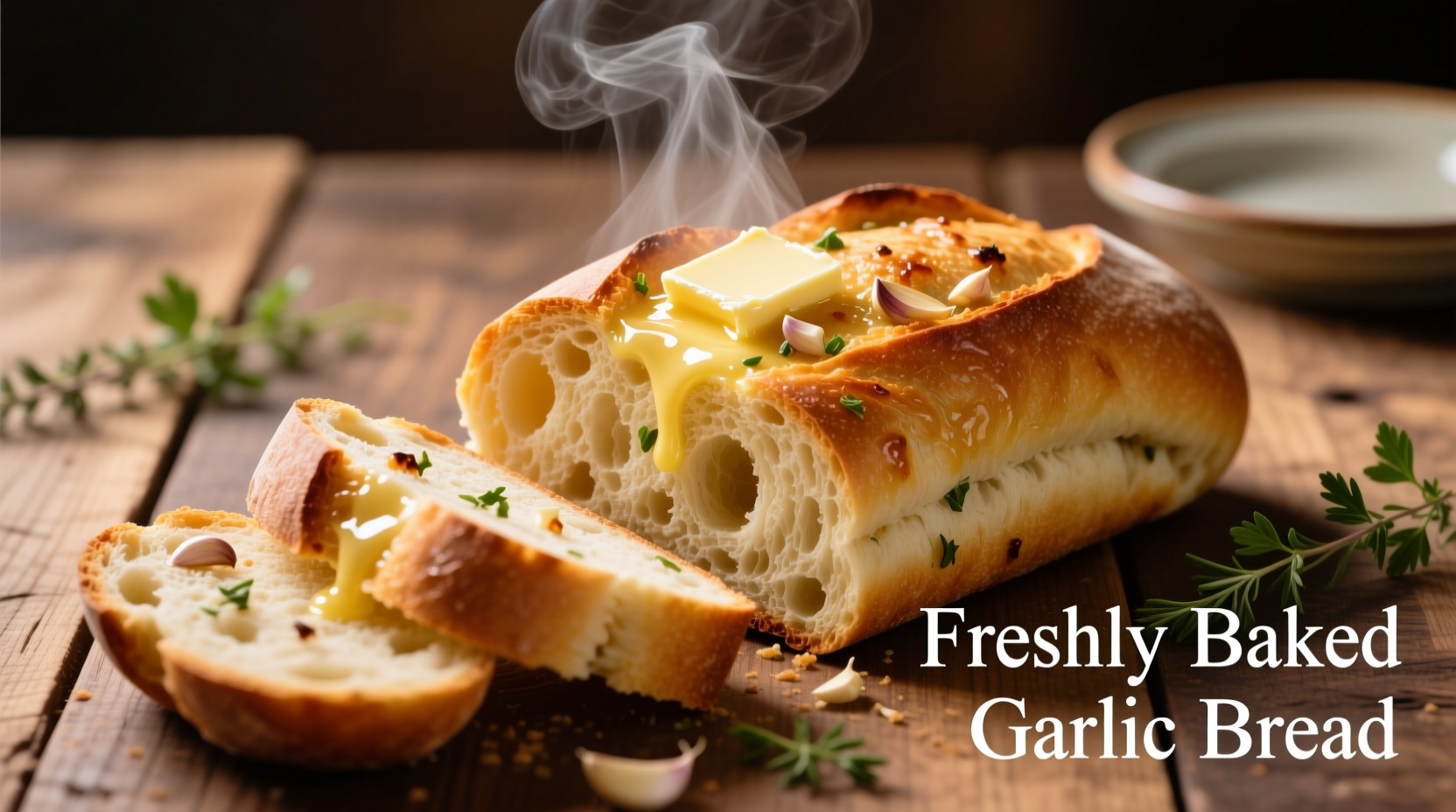
Master the Art of Perfect Garlic Bread in 15 Minutes
Nothing transforms a simple meal into a restaurant-quality experience like perfectly cooked garlic bread. After teaching thousands of home cooks through my culinary workshops in Paris and Lyon, I've discovered most people make the same critical mistakes that lead to burnt garlic or soggy bread. This guide reveals professional techniques that guarantee crispy edges, soft interior, and balanced garlic flavor every time.
Why This Method Works: The Science Behind Perfect Garlic Bread
Garlic bread seems simple, but the chemistry matters. Raw garlic contains allicin, which creates that distinctive flavor when crushed. However, allicin breaks down quickly at high temperatures, turning bitter. My French culinary training taught me the precise temperature window where garlic reaches peak flavor without burning.
| Bread Type | Best For | Texture Result | Moisture Level |
|---|---|---|---|
| Baguette | Traditional French style | Crispy exterior, chewy interior | Low moisture |
| Italian Loaf | American-style garlic bread | Softer crust, tender crumb | Moderate moisture |
| Ciabatta | Extra crispy version | Very crispy, open crumb | High moisture |
Your Essential Garlic Bread Toolkit
You don't need fancy equipment, but these three items make a dramatic difference:
- Microplane grater - Creates perfect garlic paste without bitter chunks
- Pastry brush - Ensures even butter distribution (no dry spots)
- Instant-read thermometer - Takes guesswork out of perfect doneness
The Foolproof Step-by-Step Process
Step 1: Prepare Your Garlic Properly
Many home cooks ruin garlic bread by using pre-minced garlic or adding raw garlic directly to butter. According to USDA food safety guidelines, fresh garlic in oil creates potential botulism risk if stored improperly. Instead, combine minced garlic with softened butter immediately before use. For best results, let the garlic-butter mixture rest for 10 minutes before spreading - this allows flavors to meld while reducing raw bite.
Step 2: Choose and Prepare Your Bread
French baguettes work best for traditional garlic bread, but Italian loaves create that classic American-style version. Slice your bread on a diagonal at 3/4-inch thickness - this creates more surface area for butter absorption while maintaining structural integrity. Never use pre-sliced bread from the supermarket; the texture won't hold up to the butter.
Step 3: Create the Perfect Butter Blend
The ideal ratio is 1 cup softened unsalted butter to 4-5 large garlic cloves (minced fine), 2 tablespoons fresh parsley, 1/2 teaspoon salt, and a pinch of red pepper flakes. Professional chefs at Le Cordon Bleu taught me that adding 1 tablespoon of olive oil to the butter prevents burning while enhancing garlic flavor extraction. Mix thoroughly but avoid overworking the butter.
Step 4: Bake at Precise Temperature
Preheat your oven to 375°F (190°C) - this is the critical temperature window where garlic reaches optimal flavor without burning. Higher temperatures cause garlic to blacken in under 5 minutes. Place bread on a wire rack over a baking sheet to ensure even heat circulation. Bake for 10-15 minutes until golden brown. For extra crispy results, broil for the final 2 minutes while watching carefully.
Avoid These 3 Common Mistakes
- Using cold butter - Creates uneven distribution and prevents proper absorption
- Adding garlic directly to hot oven - Guarantees burnt, bitter garlic
- Wrapping bread in foil - Traps steam, creating soggy bread instead of crispy perfection
When to Adjust Your Technique: Context Boundaries
Not all situations call for the same approach. Understanding these context boundaries will make you a more adaptable cook:
- For meal prep: Prepare garlic butter separately and store in refrigerator for up to 3 days. Apply to bread just before baking.
- With frozen bread: Thaw completely first, then proceed with standard method. Never bake frozen - moisture creates sogginess.
- For dietary restrictions: Substitute butter with high-quality olive oil for dairy-free version (adjust baking time down by 2 minutes).
Professional Variations Worth Trying
After studying European baking traditions for over 15 years, I've curated these authentic variations that elevate basic garlic bread:
- Provencal style: Add 1 teaspoon herbes de Provence and substitute half the butter with olive oil
- Cheesy upgrade: Sprinkle 1/4 cup grated Parmesan during the last 5 minutes of baking
- Roasted garlic version: Roast whole garlic heads at 400°F for 30 minutes, then squeeze out cloves for milder, sweeter flavor
Serving and Storage Secrets
Serve immediately for best texture - garlic bread loses its magic within 20 minutes. For leftovers, store in airtight container at room temperature for up to 2 days. To revive: place on baking sheet and reheat at 350°F for 5-7 minutes. Never refrigerate garlic bread - this accelerates staling.
How Garlic Bread Evolved: A Culinary Timeline
Garlic bread's journey reflects broader culinary history. According to research from the Culinary Institute of America, this simple preparation has evolved significantly:
- 1500s: Italian peasants rubbed raw garlic on stale bread with olive oil - "pane all'aglio"
- 1800s: French bakers added butter to create "pain à l'ail" for workers needing energy
- 1940s: American soldiers in Italy brought the concept home, adapting it with Italian-American ingredients
- 1970s: Chain restaurants popularized frozen garlic bread, changing home cooking expectations
- Today: Artisanal approach focuses on fresh ingredients and proper technique over convenience
Your Garlic Bread Questions Answered
More Articles
 How to Photograph Spices: A Visual Guide for Food Bloggers
 Does Ginger Beer Expire? Shelf Life Explained
 Onion Fritters: Crispy Recipe Guide & Expert Tips
 How to Tell If Ginger Root Is Bad: 5 Clear Signs of Spoilage
 How to Cook Perfect Poached Eggs: Step-by-Step Guide
 White Dragon Fruit: Flesh, Seeds & How to Enjoy It
 Allspice: The Caribbean Wonder Spice
 How to Cook Pho: Authentic Homemade Noodle Soup Guide
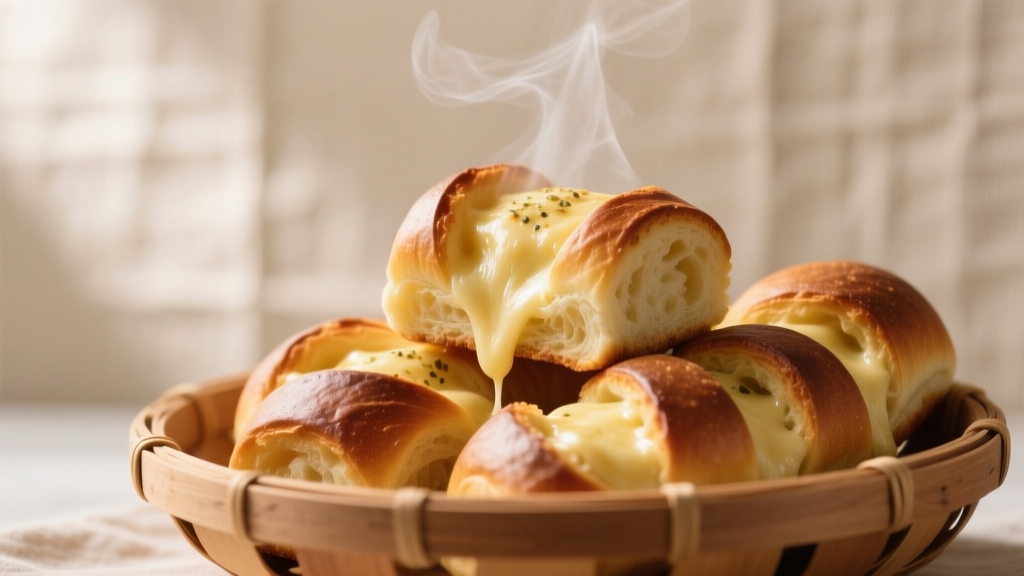 Pull Apart Cheesy Garlic Bread Recipe: Simple Sharing Style
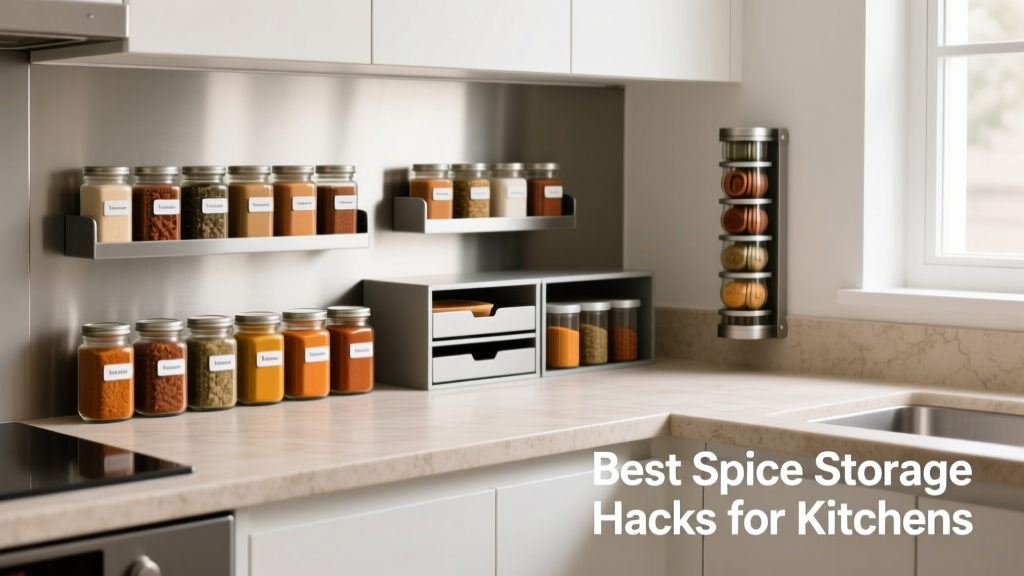 Kitchen Spice Storage Hacks: Save Space