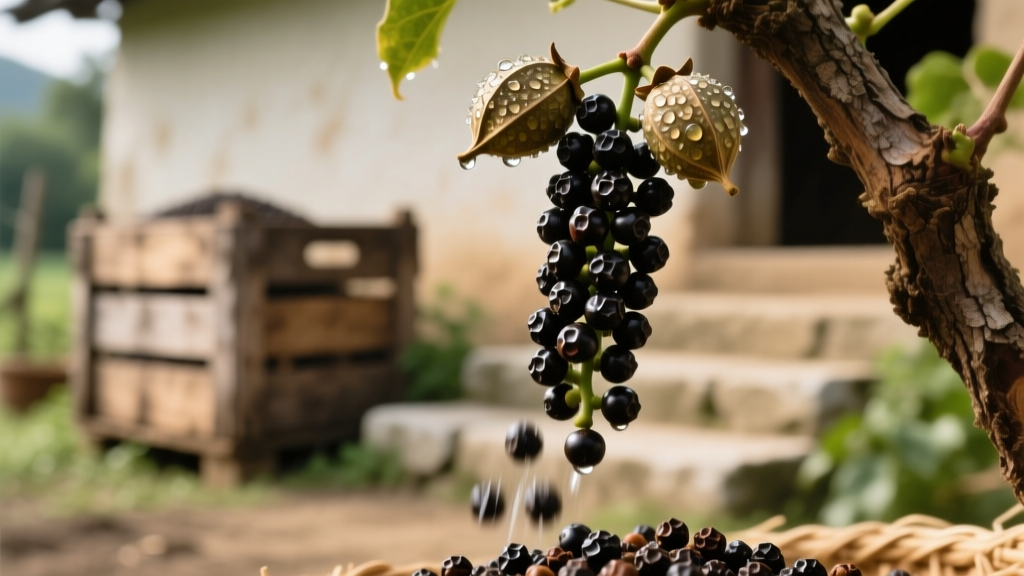
How Black Pepper Is Made: From Vine to Grinder
So, How Does That Tiny Black Speck Actually Happen?
Let's be real—you've probably stared at that grinder wondering how something so punchy comes from a vine. I've tasted hundreds of pepper varieties over 20 years, and here's the unvarnished truth: black pepper's magic happens in the field, not some factory. Forget complicated machinery; it's all about timing and tropical sun.
Step 1: The Vine Matters More Than You Think
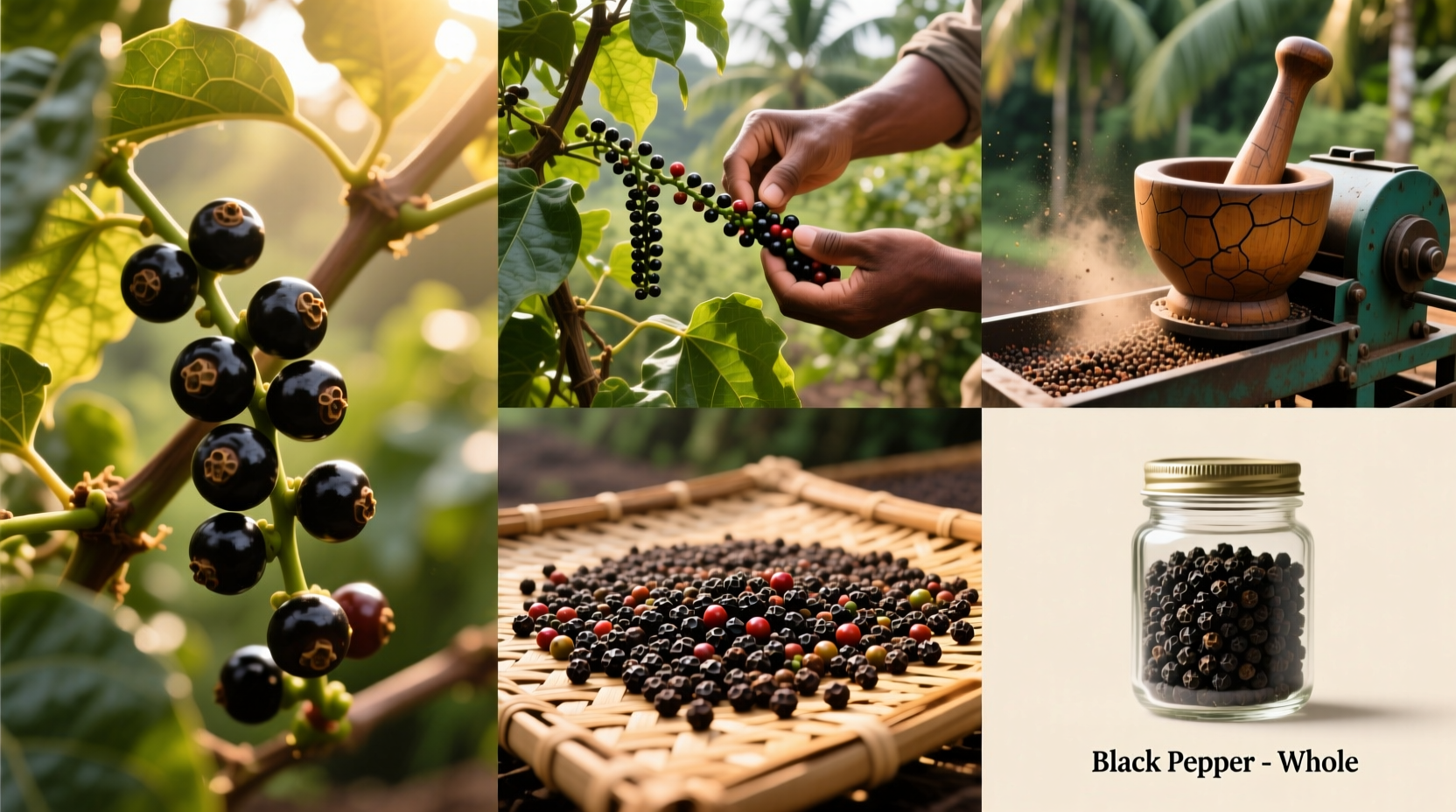
First off, black pepper isn't some random berry—it's Piper nigrum, a flowering vine native to Kerala, India. Grown on stakes like grapevines, it thrives in humid equatorial zones (Vietnam now produces 34% of global supply, per FAO data). Farmers watch closely for that perfect "half-ripe" stage—when berries turn green to yellow but before full ripeness. Pick too early? Bland pepper. Too late? You get white pepper instead (more on that later).
Step 2: Sun-Drying Is Where the Black Magic Happens
Here's where most people get it wrong: black pepper isn't dyed black. After harvest, workers spread berries on mats under direct sun for 6-10 days. As they dry, enzymes trigger oxidation—like how an apple turns brown. The outer layer (pericarp) shrivels into that familiar wrinkled black shell. No smoke, no chemicals. Just humidity, heat, and time. Pro tip: monsoon season ruins batches, which is why premium pepper often comes from drier harvest months.
Quality Check: What Separates Grocery Store Pepper From the Good Stuff
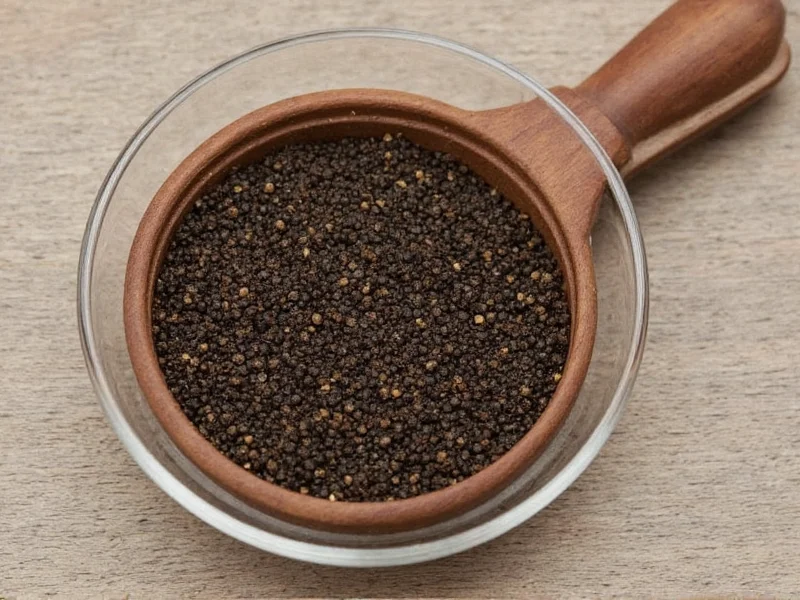
Not all black pepper is created equal. After years of sourcing, I've seen how these factors make or break flavor:
| Factor | High-Quality Pepper | Low-Quality Red Flag |
|---|---|---|
| Drying time | 7+ days sun-drying | Machine-dried (bitter taste) |
| Size consistency | Uniform 4-5mm berries | Mixed sizes (uneven flavor) |
| Smell test | Sharp, piney aroma | Dusty/musty odor (moisture damage) |
Fun fact: chefs avoid pre-ground pepper because 80% of volatile oils evaporate within 15 minutes of grinding. That "freshly cracked" pop? That's piperine hitting your nose.
When to Use (and Avoid) Black Pepper
Here's where experience trumps theory:
- DO use whole peppercorns for slow-cooked stews or pickling—they release flavor gradually without bitterness.
- NEVER add pre-ground pepper to creamy sauces (like Alfredo). The fine particles clump and create a weird texture.
- Storage rule: Keep whole berries in airtight glass away from light. Ground pepper loses 50% potency in 3 months—even in "pepper tins".
Three Myths That Drive Chefs Nuts
After field-testing in 12 countries, here's what I wish everyone knew:
- "Black pepper is just unripe white pepper" → Nope. White pepper comes from fully ripe berries soaked to remove the outer layer. Totally different process.
- "All black pepper is spicy" → Heat varies wildly. Tellicherry (India) is floral and mild; Lampong (Indonesia) packs a punch. Taste before buying!
- "Pepper never spoils" → False. Moisture turns it moldy. If it smells like cardboard? Toss it.
Everything You Need to Know
Black pepper berries start green. The black color forms during sun-drying through enzymatic browning—similar to how avocados turn brown. No naturally black berries exist on the vine.
Technically yes—if you live in a tropical climate (Piper nigrum needs 75-85°F year-round). But drying requires consistent sun without rain. Most home attempts fail due to mold. Better to buy whole peppercorns and grind fresh.
Piperine (the active compound) may boost nutrient absorption—studies show it increases curcumin uptake by 2000%. But don't overdo it: excessive amounts can irritate digestion. Stick to culinary doses (¼ tsp max per meal).
Grinding ruptures cell walls, releasing volatile oils and piperine instantly. Pre-ground pepper loses these compounds to air exposure—what's left is mostly inert fiber. That "kick" you feel? Gone in pre-ground.
More Articles
 Cinnamon Sticks vs Ground: Which to Use
 Barefoot Contessa Turkey Chili: Authentic Recipe & Tips
 Dried vs Ground Thyme: Texture & Taste Differences
 Sweet Potato Au Gratin: Recipe & Pro Tips
 Freshness Alternatives When Spices Are Unavailable
 How to Make Garlic Sauce: Simple 5-Ingredient Recipe
 Fennel vs Cumin Seeds: Tell Them Apart
 Essential M-Seasonings: Flavor Guide for Every Kitchen
 Grains of Paradise: West African Pepper
 What Does a Garlic Clove Look Like? Visual Guide