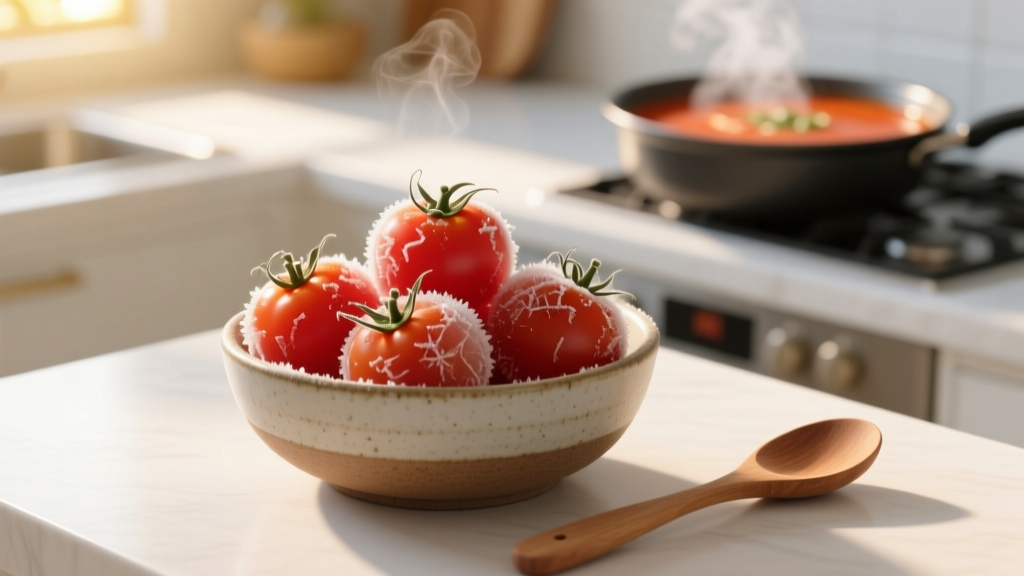
Frozen Tomatoes Perfect Tomato Soup Recipes
Why Frozen Whole Tomatoes Outperform Fresh for Soup
Home cooks often waste time peeling fresh tomatoes or settle for bland canned versions. Frozen whole tomatoes solve both problems: they're flash-frozen at peak ripeness (preserving nutrients better than vine-ripened alternatives shipped long distances) and their cell structure breaks down perfectly for smooth soups. As Homestead and Chill confirms, "whole tomatoes with skins on are less susceptible to freezer burn" and "exceptionally easy to peel later."
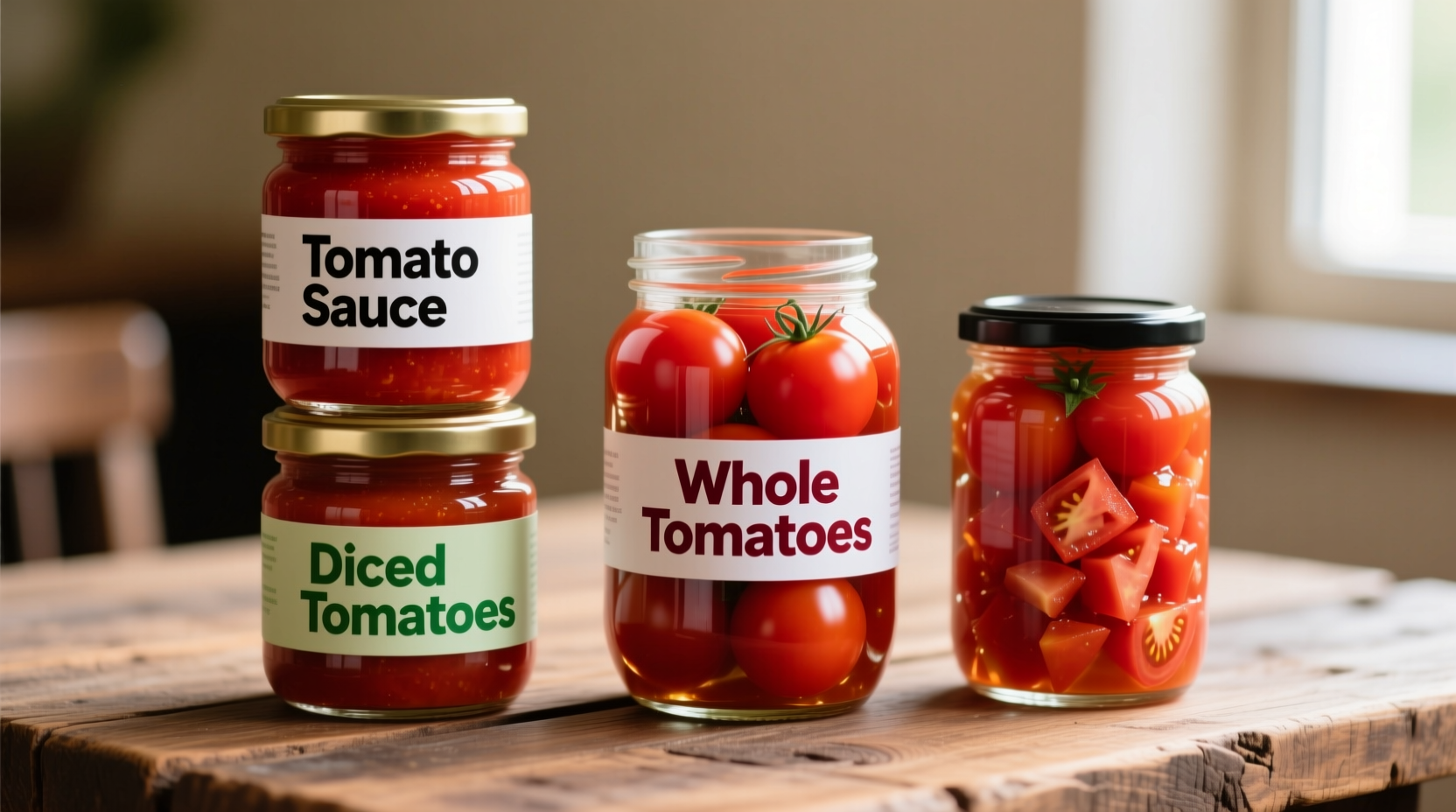
Fresh vs. Frozen: Soup Performance Breakdown
| Factor | Fresh Tomatoes | Frozen Whole Tomatoes |
|---|---|---|
| Flavor Concentration | Variable (depends on season) | Consistently high (frozen at peak) |
| Prep Time | 20+ mins (blanching/peeling) | 5 mins (skins slip off) |
| Nutrient Retention | Declines during transport | Higher vitamin C (per Healthline study) |
| Soup Texture | Requires long simmering | Naturally breaks down in 30 mins |
3 Proven Tomato Soup Recipes Using Frozen Whole Tomatoes
Based on Bunny's Warm Oven and Serendipity Farmhouse methods, these recipes eliminate common pitfalls.
Creamy Heirloom Soup (20 mins active)
- 2 lbs thawed frozen tomatoes
- ¼ cup butter + ¼ cup flour (roux)
- 1¼ cups whole milk
- 1 tsp garlic powder, paprika, oregano
- Thaw tomatoes overnight in fridge
- Peel skins (they'll slip off easily)
- Cook roux 1 minute, add milk until boiling
- Add tomatoes and spices, simmer 35 minutes
Critical Usage Boundaries: When to Choose (or Skip) Frozen Tomatoes
Frozen whole tomatoes excel in cooked applications but fail in specific scenarios:
✅ Use Frozen Whole Tomatoes When:
- Making soups, sauces, or stews requiring smooth texture
- Off-season (winter months when fresh tomatoes lack flavor)
- Preserving garden surplus (no blanching needed per Homestead and Chill)
❌ Avoid Frozen Whole Tomatoes When:
- Making salads or bruschetta (texture becomes too soft)
- Recipes requiring precise liquid control (they release 15-20% more water)
- Using in slow cookers (extended cooking makes soup overly acidic)
Avoid These 3 Costly Mistakes
Mistake #1: Skipping the simmer – Fresh tomatoes need 20 mins, but frozen require 30-40 minutes to evaporate excess liquid and concentrate flavor (Serendipity Farmhouse notes this prevents "watery, bland results").
Mistake #2: Thawing improperly – Never microwave. Place in refrigerator overnight or run under cool water for 2 minutes max. Hot water makes skins stick.
Mistake #3: Overprocessing – For rustic soups, hand-crush thawed tomatoes instead of using blenders. This prevents bitter pectin release from seeds.
Everything You Need to Know
No peeling required before freezing. After thawing (refrigerator overnight or cool water bath), skins slip off effortlessly by hand. As Homestead and Chill verifies, "frozen tomatoes are exceptionally easy to peel later" – a key advantage over fresh tomatoes requiring blanching.
Often more nutritious. According to Healthline, frozen produce is "typically picked at peak ripeness" and processed within hours, preserving nutrients better than fresh tomatoes shipped long distances. Vitamin C levels remain higher in properly frozen tomatoes.
30-40 minutes minimum. Thawed frozen tomatoes release more liquid than fresh. Serendipity Farmhouse emphasizes this extended simmering "evaporates excess liquid, resulting in thicker, more concentrated soup" – critical for depth of flavor.
Not recommended. Adding frozen tomatoes directly lowers soup temperature, causing uneven cooking and potential curdling in dairy-based recipes. Bunny's Warm Oven specifies: "For frozen tomatoes: thaw first" to ensure proper texture development.
Using non-freezer bags. Standard plastic bags cause freezer burn. As Homestead and Chill warns, whole tomatoes "with skins on are less susceptible to freezer burn," but still require airtight containers. Always use labeled freezer bags with air squeezed out, stored for ≤12 months.
More Articles
 Pasta Sauce with Tomato Sauce: Quick Guide & Tips
 Why Coriander Tastes Like Soap: Science & Solutions
 Bell Pepper Colors: Nutrition, Taste & Uses (2026)
 Chia Seeds in Coffee: Benefits & Science-Backed Methods
 Sumac Spice: A Complete Beginner Guide
 How Spice Origin Shapes Real Flavor
 Large Baked Potato Nutrition Facts: Complete Breakdown
 Cook Dry Black Beans Perfectly: Soak & Cook Guide
 How to Repair Five Spice: A Practical Culinary Guide
 Cilantro Coriander