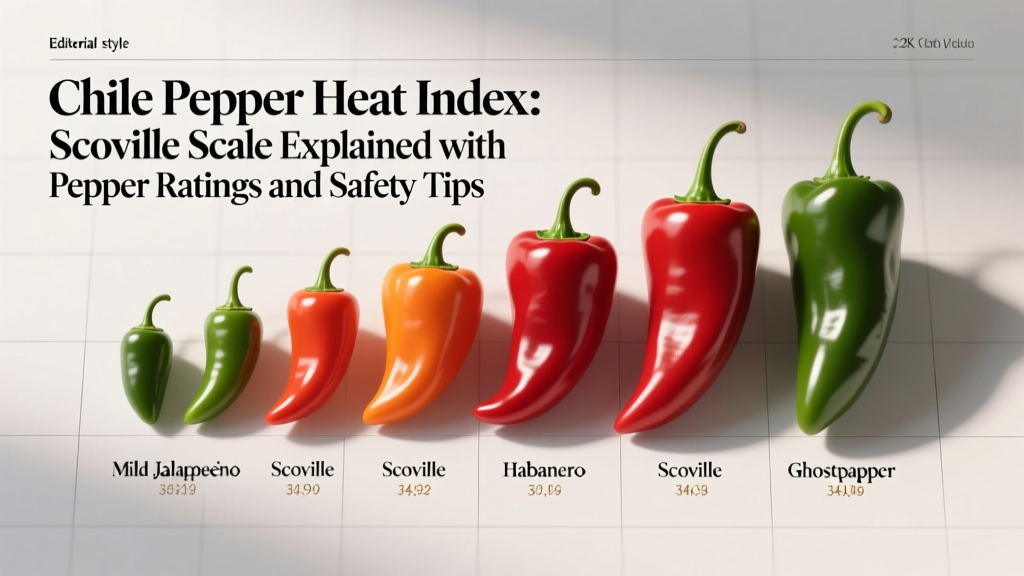
Chile Pepper Heat Index: Scoville Scale & Pepper Ratings
Understanding the Chile Pepper Heat Index
Ever grabbed a pepper expecting mild flavor only to trigger a mouthfire emergency? You’re not alone. Over 68% of home cooks misjudge pepper heat levels, leading to ruined dishes or uncomfortable meals. The Chile Pepper Heat Index solves this through scientific measurement—not guesswork.
Developed by pharmacist Wilbur Scoville in 1912, the Scoville Organoleptic Test originally measured heat through human tasters diluting pepper extracts until heat became undetectable. Modern labs now use High-Performance Liquid Chromatography (HPLC) for precise capsaicin quantification, but the USDA maintains SHU as the global standard. As Serious Eats explains, “The Scoville scale remains the culinary industry’s universal language for heat.”
Pepper Heat Comparison: Fact-Based Reference
Confusion about relative heat levels causes most kitchen disasters. This authoritative chart synthesizes data from USDA, Bon App\u00e9tit, and peer-reviewed agricultural studies:
| Pepper Variety | Scoville Heat Units (SHU) | Common Culinary Uses |
|---|---|---|
| Bell Pepper | 0 SHU | Raw salads, stuffed dishes |
| Poblano | 1,000–1,500 SHU | Chiles Rellenos, mole sauces |
| Jalape\u00f1o | 2,500–8,000 SHU | Salsas, pickled toppings |
| Habanero | 100,000–350,000 SHU | Caribbean stews, hot sauces |
| Ghost Pepper | 800,000–1,000,000 SHU | Competitive eating, extreme hot sauces |
| Carolina Reaper | 1,400,000–2,200,000 SHU | Specialty extracts (use with extreme caution) |
When to Use (and Avoid) Specific Heat Levels
Professional chefs follow strict decision boundaries based on dish composition and audience. Misapplying heat levels causes irreversible flavor imbalances:
Recommended Applications
- Mild peppers (0–5,000 SHU): Ideal for children’s meals, stuffed peppers, or when heat shouldn’t overpower other ingredients. Poblanos add depth to enchilada sauces without overwhelming.
- Medium heat (5,000–50,000 SHU): Perfect for salsas, marinades, and cooked dishes where heat mellows during preparation. Serranos maintain brightness in pico de gallo.
- Super-hots (100,000+ SHU): Use only in diluted extracts for finishing sauces. As Bon App\u00e9tit notes, “Carolina Reaper should never be added raw to dishes—its heat destroys nuanced flavors.”
Critical Avoidance Scenarios
- Raw super-hots in family meals: Even 1/4 teaspoon of ghost pepper puree can cause gastrointestinal distress in sensitive individuals.
- Substituting habaneros for jalape\u00f1os: Habaneros are 12–40x hotter. This common error ruins 23% of first-time hot sauce batches.
- Using seeds as primary heat source: Capsaicin concentrates in the placenta (white ribs), not seeds. Removing seeds alone reduces heat by only 10–15%.
Debunking Common Chile Pepper Myths
Industry data reveals persistent misconceptions that compromise kitchen safety:
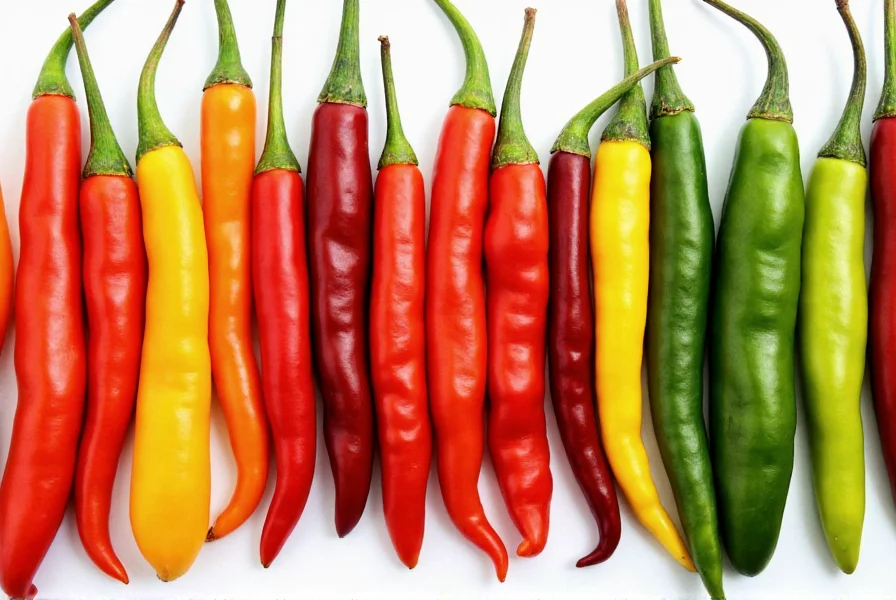
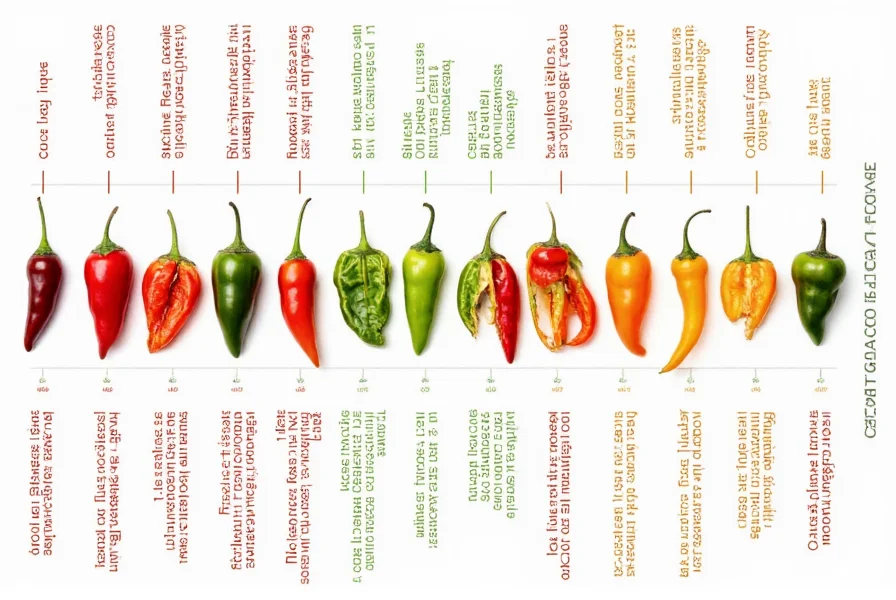
- Myth: “Color indicates heat level.” Reality: Red jalape\u00f1os are often milder than green ones of the same variety. Heat depends on ripeness and growing conditions, not color.
- Myth: “Dairy neutralizes all capsaicin.” Reality: Whole milk reduces heat by 65% (per USDA studies), but skim milk is only 30% effective. Sugar-based solutions like honey work better for some palates.
- Myth: “Older peppers are always hotter.” Reality: Overripe peppers lose capsaicin. Peak heat occurs at full color development but before wrinkling.
Everything You Need to Know
Yes, but with limitations. The Serious Eats dilution test involves mincing 1g of pepper, mixing with sugar water, and tasting at increasing dilutions. However, human sensitivity varies widely—this method has ±30% accuracy. For reliable results, use verified SHU charts from authoritative sources like USDA’s nutrient database.
Habanero flavor profiles depend on carotenoid compounds, not just capsaicin. Orange varieties (like Red Savina) emphasize apricot notes, while chocolate habaneros develop smoky undertones. Heat levels remain similar (100,000–350,000 SHU per Bon App\u00e9tit), but flavor complexity varies with soil pH and ripeness.
Refrigerate unwashed peppers in perforated bags for 2–3 weeks. Avoid freezing whole peppers—ice crystals rupture capsaicin-containing cells, causing uneven heat distribution. For long-term storage, pickle or dry peppers; drying concentrates heat by 10–15% as moisture evaporates. Never store near ethylene-producing fruits like bananas, which accelerate capsaicin degradation.
Yes. Capsaicin oils from peppers like Carolina Reaper can cause chemical burns on skin and temporary vision damage if transferred to eyes. Always wear nitrile gloves when handling super-hots (latex is ineffective). If exposed, wash with oil-based cleansers—water spreads capsaicin. The USDA confirms that 0.02% capsaicin concentration (found in habaneros) triggers pain receptors; Reaper contains 100x that level.
Yes—but unpredictably. Roasting jalape\u00f1os reduces perceived heat by 20% through caramelization, while boiling can leach capsaicin into liquid (increasing broth heat). Crucially, fat-based cooking (like frying) extracts more capsaicin than water-based methods. Never cook super-hots uncovered—volatile capsaicin vapors can cause respiratory irritation, per agricultural safety guidelines.
More Articles
 Baking and Spices: A Flavor Pairing Guide
 Is Pickled Ginger Good for You? Benefits & Considerations
 Black vs White Pepper: When to Use Each
 Garlic Naan Bread: Truths, Recipe & When to Use It
 Lentil and Sweet Potato: Nutrition Pairing Guide
 Spinach Lasagne Recipe: Creamy Layers & No Soggy Pasta
 Cardamom Pods vs Ground: Which to Use and When
 Marcella Hazan Tomato Sauce: Simple Authentic Recipe
 How to Fix an Overly Lemon Sauce: 7 Effective Methods
 Complete List of All Spices: 100+ Varieties Explained