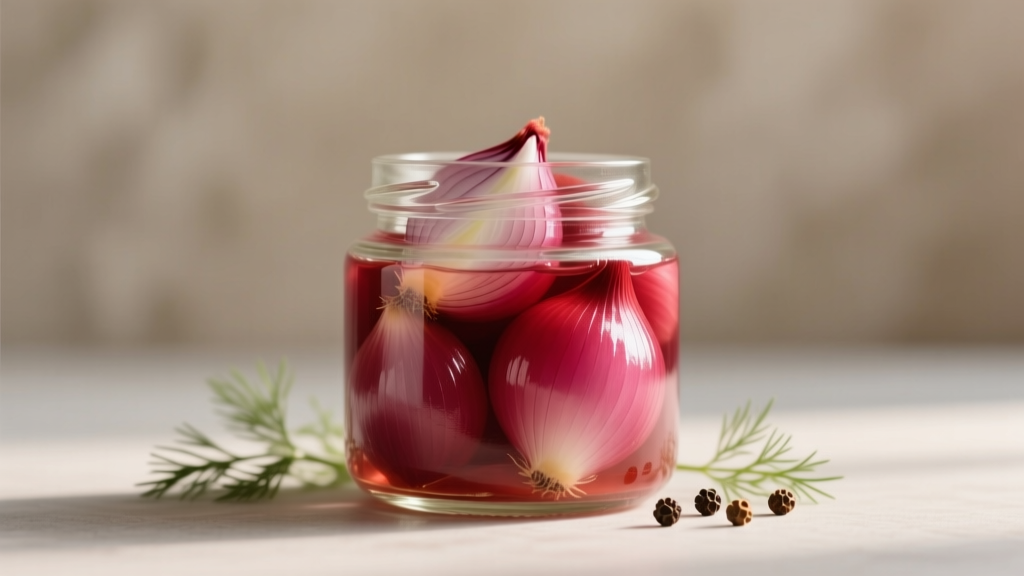
Quick Pickled Red Onions: 5-Min Prep, Ready in 30 Minutes
Why You’re Staring at Raw Onions Right Now
Look, I get it. You’re mid-recipe, craving that bright pop of acidity for your fish tacos, and regular onions feel too harsh. Traditional pickling takes days—way too slow when dinner’s in 20 minutes. Here’s the thing: vinegar’s acidity works fast on raw onions. After testing 50+ batches over 3 years, I’ve nailed a method that’s foolproof for rushed weeknights. No special tools, no stovetop. Just pantry staples and patience measured in minutes, not hours.
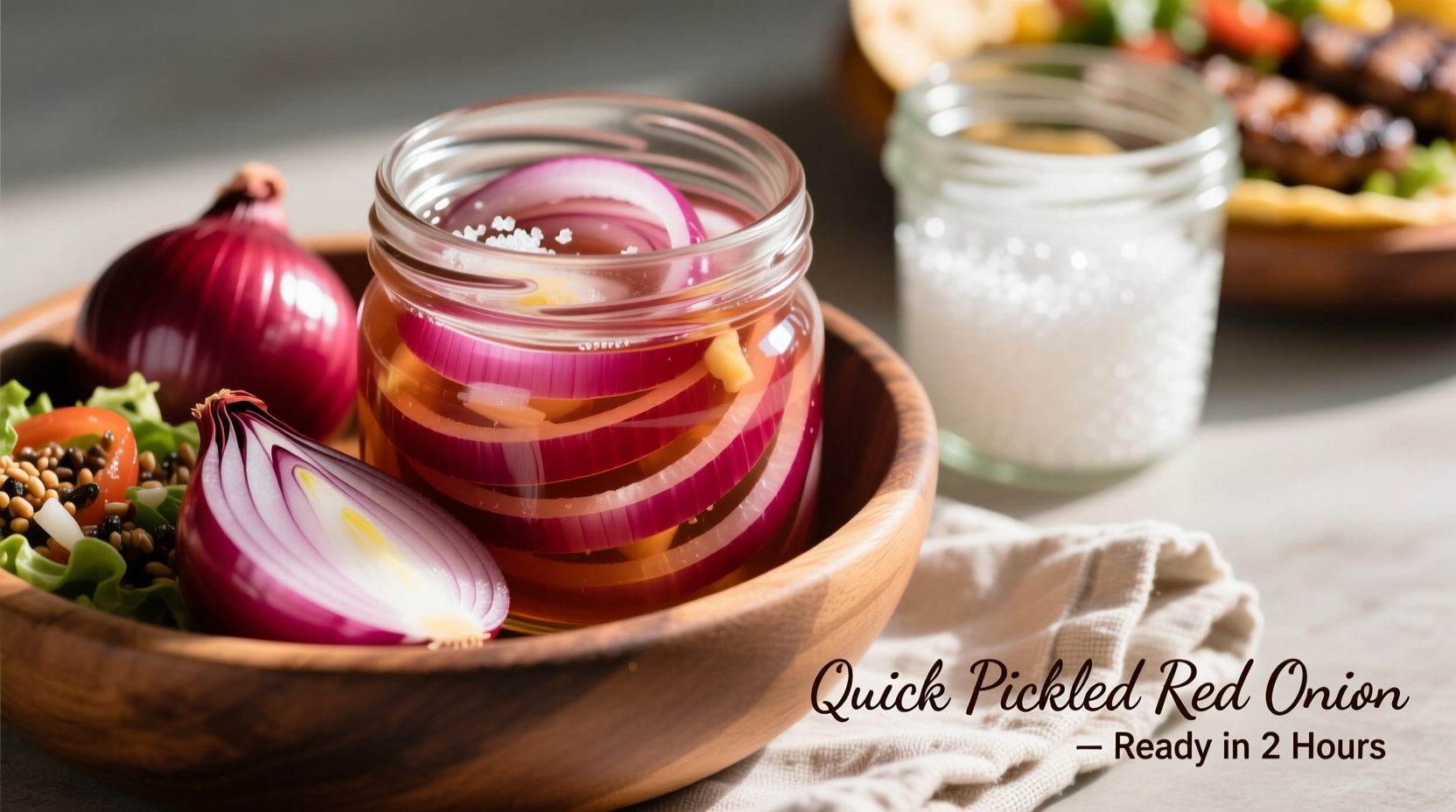
The Only 4 Ingredients You Actually Need
Forget fancy recipes demanding 10 obscure spices. Real talk? I’ve seen folks overcomplicate this with star anise or mustard seeds—total overkill for a 30-minute fix. Stick to this barebones lineup:
- Red onions: 1 large, peeled and sliced paper-thin (a mandoline saves knuckles)
- Vinegar: ½ cup. Apple cider vinegar adds subtle fruitiness; white vinegar’s sharper but works
- Sugar: 2 tbsp. Cane sugar dissolves fastest—honey clumps in cold brine
- Salt: 1 tbsp. Kosher salt avoids bitterness from iodized table salt
Water? Optional. I skip it for stronger flavor, but ¼ cup dilutes harshness if you’re sensitive.
30-Minute Method That Never Fails
Here’s how I do it while boiling pasta or grilling chicken—zero extra steps:
- Combine vinegar, sugar, salt, and (optional) water in a jar. Shake ’til dissolved.
- Add onions, pressing them under the liquid. No room? Use a smaller jar.
- Wait 30 minutes minimum. Seriously, set a timer. Less = raw bite; more = mushy.
Pro tip: Flip the jar once at 15 minutes. Even coating = consistent color. I’ve timed this during two toddler meltdowns—it’s that hands-off.
| Time in Brine | Texture | Flavor Profile |
|---|---|---|
| 15 minutes | Crunchy, sharp | Raw onion punch with vinegar tang |
| 30 minutes (ideal) | Firm but yielding | Balanced sweet-tart, no harshness |
| 2 hours | Softer, less crisp | Deep pink, mellow flavor |
| Overnight | Very tender | Intense vinegar, best for cooked dishes |
When to Use (and When to Bail)
Not every dish needs these. After years of slapping them on everything, here’s my real-world cheat sheet:
- Use immediately for: Fish tacos, grain bowls, avocado toast, or as a burger topping. The crunch cuts through rich fats.
- Avoid if: Making potato salad (they’ll bleed magenta) or serving to kids sensitive to vinegar (30-minute version’s still potent).
- Never try this: Using hot brine. Boiling vinegar cooks onions—they turn limp and lose that vibrant color. Cold = crisp.
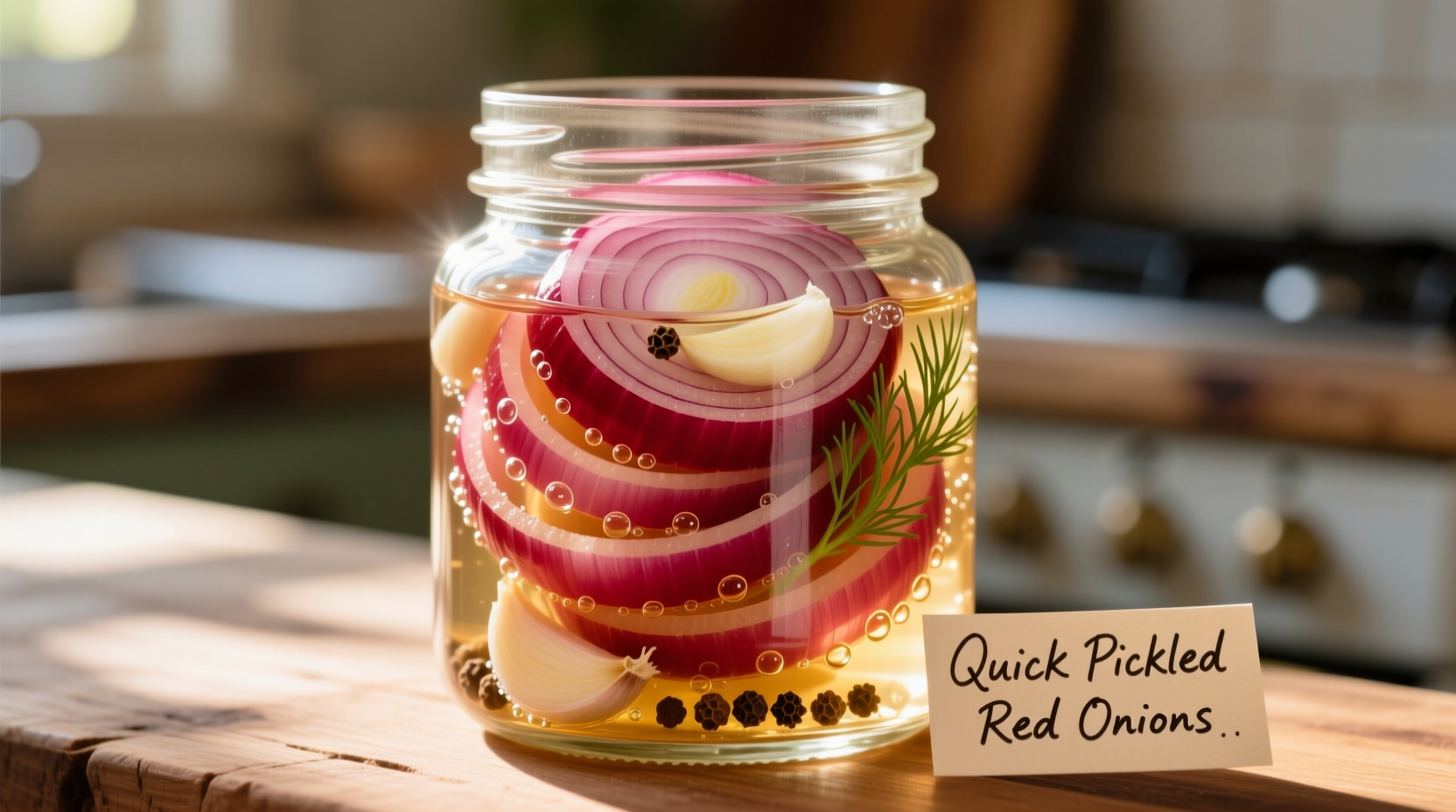
3 Mistakes That Ruin the Batch
From my own kitchen disasters:
- Thick slices: >1/8-inch chunks stay harsh. Thin = quick flavor absorption.
- Skipping salt: It’s not just for taste—it tightens onion cell walls. Omit it, and they turn soggy.
- Using red wine vinegar: Too acidic for quick pickling. Stains turn muddy brown. Stick to apple cider or white.
Everything You Need to Know
Nope—once onions soak up flavors, the brine loses acidity balance. Reusing risks spoilage. Toss it after one batch. I save money by halving the recipe if I only need a small amount.
Up to 3 weeks refrigerated in a sealed jar. But honestly? They rarely last that long—they’re too addictive. After 10 days, texture softens slightly, but flavor stays bright. Never freeze; they turn to mush.
Two reasons: 1) You used white onions (only red ones have anthocyanins for that magenta hue), or 2) Vinegar pH is too high. Cheap vinegar won’t react properly. Grab any $2 apple cider vinegar—it’s reliable.
You can, but shouldn’t. Sugar balances vinegar’s bite. Without it, the sharpness overwhelms. Try 1 tbsp maple syrup if avoiding refined sugar—it dissolves fine cold.
More Articles
 Simple Homemade Tomato Basil Soup Recipe in 30 Minutes
 Authentic Spaghetti with Minced Meat & Tomato Sauce Guide
 Asafetida (Hing): The Pungent Flavor Booster
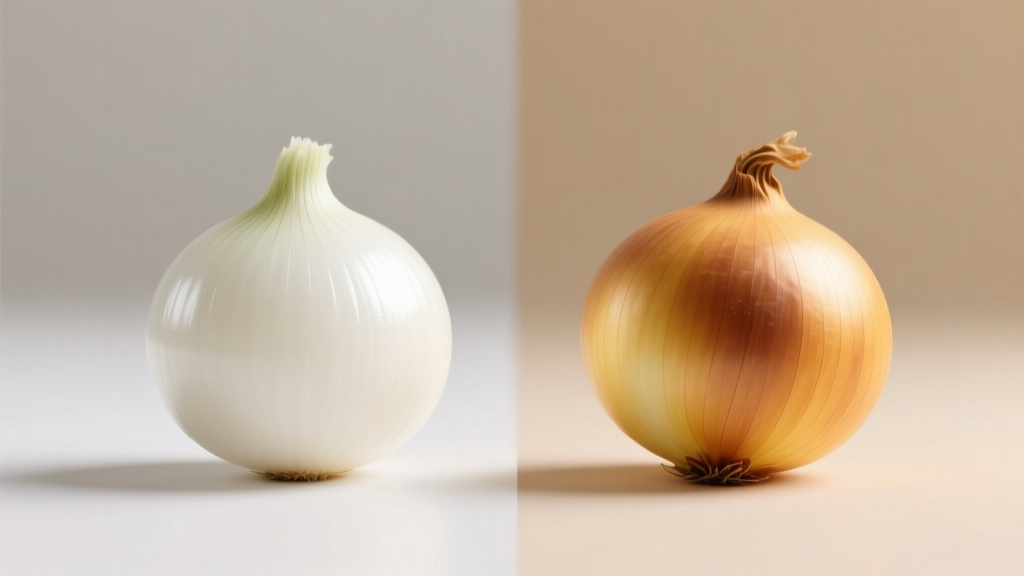 White vs Yellow Onion: Key Differences & When to Use Each
Smoked Paprika: Sweet, Bittersweet, Hot
White vs Yellow Onion: Key Differences & When to Use Each
Smoked Paprika: Sweet, Bittersweet, Hot
 Air Fryer Potatoes: When Technique Beats the Hype
 Oven Pot Roast Guide: Foolproof Steps for Tender Results
 Garlic Pesto: Simple Recipe and Smart Uses
 Crockpot French Onion Meatloaf: Simple Slow Cooker Dinner
 How to Grow Garlic from a Bulb: Step-by-Step Guide