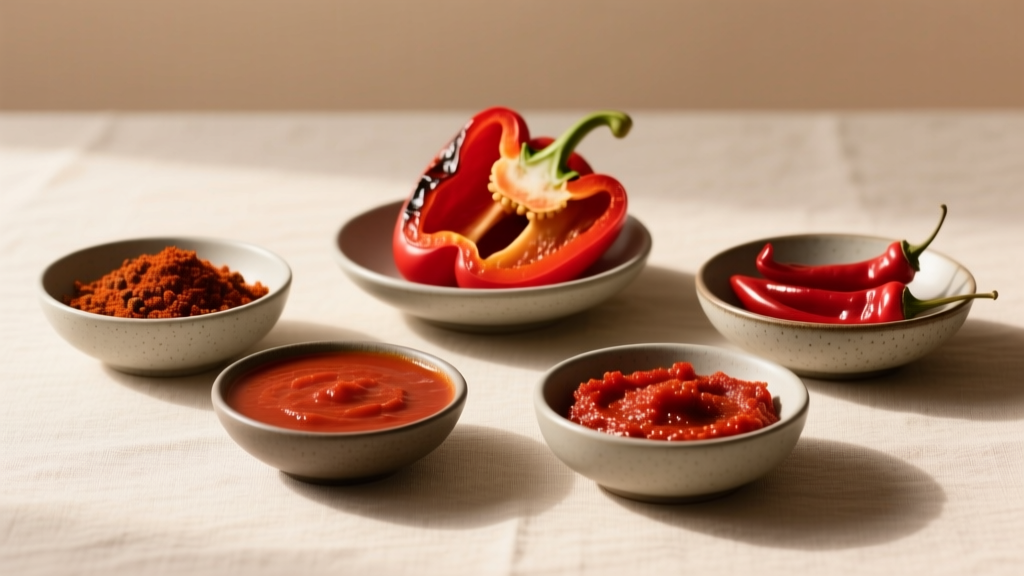
Turkish Red Pepper Paste: 7 Substitutes
Turkish Red Pepper Paste Alternatives Aren’t Substitutes—They’re Context Switches
Most people assume biber salçası is just ‘spicy tomato paste’ or ‘concentrated paprika.’ That misunderstanding starts in supermarket aisles, where jars of Hungarian sweet paprika paste, Korean gochujang, or even sundried-tomato purée sit beside imported Turkish brands. The label ‘red pepper paste’ sounds generic—like ketchup or mustard. But in practice, that label hides a functional pivot: biber salçası isn’t added for heat or color alone. It’s used to anchor moisture, bind texture, and modulate acidity *during cooking*, not after. In many homes, using a substitute without adjusting technique leads to split stews, grainy dolma fillings, or sauces that separate under gentle simmer—problems rarely blamed on the paste itself, but on ‘the recipe being fussy’ or ‘my pan not heating evenly.’
The core judgment isn’t whether alternatives ‘work’—they do. It’s that biber salçası matters only when the dish relies on its specific water-fat balance *during thermal transformation*. When you’re stirring a slow-cooked kıymalı börek filling or reducing a lentil soup until it clings to a spoon, the paste’s low moisture content and high oil solubility let it emulsify gradually, thickening without scorching. In those moments, no alternative behaves the same—not because they’re inferior, but because they weren’t built for that thermal choreography. Outside those moments—say, brushing roasted vegetables or mixing into a quick dip—the distinction collapses entirely. You won’t taste the difference. You won’t see it. You won’t even notice the substitution was made.
Two common fixations are functionally irrelevant. First: ‘Is it made from Aleppo peppers?’ No—Turkish biber salçası is usually made from local Şahin or Demre peppers, not Aleppo. Second: ‘Does it contain vinegar or citric acid?’ Not traditionally; acidity comes from natural fermentation, not additives. Neither detail affects real-world performance in home cooking. What matters is how the paste interacts with your stove’s heat curve, your pot’s bottom thickness, and how long you plan to hold the mixture at 85–95°C. Obsessing over origin or preservatives distracts from the actual constraint: whether your kitchen can sustain controlled, low-heat reduction without constant stirring—a condition many modern electric stoves and thin-bottomed pans simply can’t meet.
The real constraint isn’t flavor fidelity—it’s equipment-limited thermal control. Most home cooks don’t own heavy enameled Dutch ovens or induction cooktops with fine-grained low-heat settings. They use medium-weight stainless or nonstick pans on gas or coil burners. Under those conditions, substitutes with higher water content (like gochujang or fresh roasted-pepper purée) boil off too fast or stick before emulsifying. Meanwhile, overly dried alternatives (like dehydrated paprika powder mixed with oil) never hydrate fully, leaving gritty pockets in fillings. This isn’t about skill—it’s physics meeting hardware. You can’t compensate with technique alone when your pan’s hot spots exceed 120°C while the rest hovers near 60°C. That gap forces trade-offs no ingredient label prepares you for.
Here’s how the call shifts across three typical situations:
• If you’re making stuffed grape leaves (dolma) and plan to simmer them for 45 minutes in broth, skip the search for ‘authentic’ paste—use any thick, oil-rich red paste *and reduce the broth volume by 20%*.
• If you’re whipping up a quick yogurt dip for tonight’s mezze, Turkish paste adds nothing unique—swap freely with smoked paprika + olive oil (1:2 ratio), no adjustment needed.
• If you’re batch-cooking and freezing portions of spicy bean stew, avoid gochujang: its sugar content promotes ice-crystal formation during freeze-thaw cycles, leading to mushy texture later—stick to sun-dried tomato paste or plain tomato concentrate.
In a home kitchen, biber salçası is rarely the thing that ruins a dish—unless you’re counting on it to behave like something it isn’t. Its value isn’t in ‘being Turkish,’ but in being calibrated for a narrow band of time-temperature-fat interaction. Once you stop asking ‘What’s the closest match?’ and start asking ‘What does this step *need to do right now?*’, the choice simplifies. You don’t need a replacement. You need a functional match for the phase of cooking—not the label on the jar.
| What people fixate on | What it affects | When it matters | When it doesn't |
|---|---|---|---|
| Pepper variety (e.g., Aleppo vs. Urfa) | Subtle aromatic nuance | When serving raw or minimally heated (e.g., drizzled on labneh) | In slow-simmered stews or baked fillings |
| Presence of vinegar or citric acid | pH stability during long storage | If storing opened paste >3 weeks unrefrigerated | In any dish cooked within 48 hours of opening |
| Oil-to-paste ratio (‘extra virgin’ claims) | Emulsion stability during reduction | When thickening soups or sauces over 20+ minutes | In marinades, dressings, or cold dips |
| Organic certification | Pesticide residue profile | If feeding infants or immunocompromised household members | In standard adult meals with balanced diet diversity |
Quick verdicts for home cooks
- For baked börek with meat-and-pine-nut filling: Use any thick red paste—but add 1 tsp extra olive oil to compensate for lower fat content.
- For quick tomato-based pasta sauce: Skip biber salçası entirely; smoked paprika + canned tomato purée works more predictably.
- For vegan ‘cheese’ spreads: Gochujang adds unwanted sweetness—opt for sun-dried tomato paste thinned with walnut oil instead.
- For freezing dolma filling ahead: Avoid pastes with added sugar or vinegar—they accelerate texture breakdown during thawing.
- For grilling marinades: Biber salçası burns easily—substitute with roasted red pepper purée mixed with garlic and lemon zest.
- For children’s meals: Mild paprika paste + a pinch of cumin gives warmth without heat—no need to hunt for ‘kid-safe’ branded versions.
Frequently asked questions
Why do people think Turkish red pepper paste must be replaced one-to-one?
Because recipes list it as an ingredient—not a process node. Its role emerges only mid-cook, not on the shopping list.
Is it actually necessary to source authentic Turkish biber salçası for home use?
No—unless you’re replicating traditional slow-simmered regional stews where its emulsifying behavior defines texture.
What happens if you ignore the oil content difference between pastes?
Sauces may split, fillings turn crumbly, or roasted dishes develop uneven char—none of which look like ‘paste failure’ on first glance.
Why does ‘no added sugar’ matter so little in most cases?
Biber salçası is traditionally unsweetened, but sugar-free alternatives rarely affect savory dishes unless reduced for >15 minutes at high heat.
Can you dilute a thicker paste to mimic a thinner one?
Yes—but adding water breaks its natural oil suspension, causing separation. Use olive oil instead, drop by drop, while warming gently.
More Articles
 Sweet Potato Casserole with Condensed Milk (2026)
 Perfect Beef Chuck Roast: Oven & Slow Cooker Guide
 Allspice Beyond Desserts: Savory Uses & Tips
 Honey Pearl Grapes: Sweet Specialty Variety (2026)
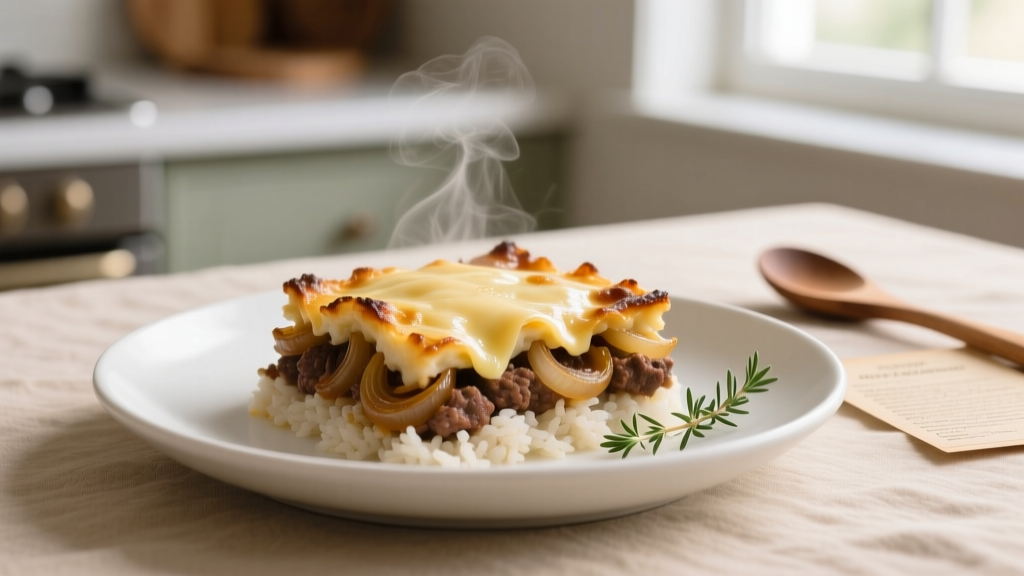 French Onion Ground Beef Rice Casserole Recipe
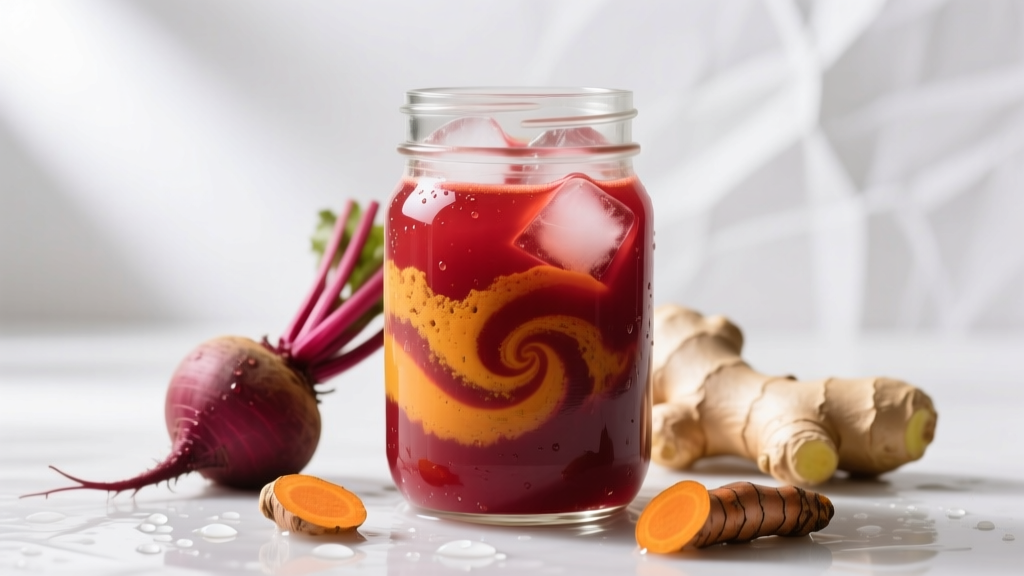 Beet Ginger Turmeric Juice: Benefits, Recipe & Science
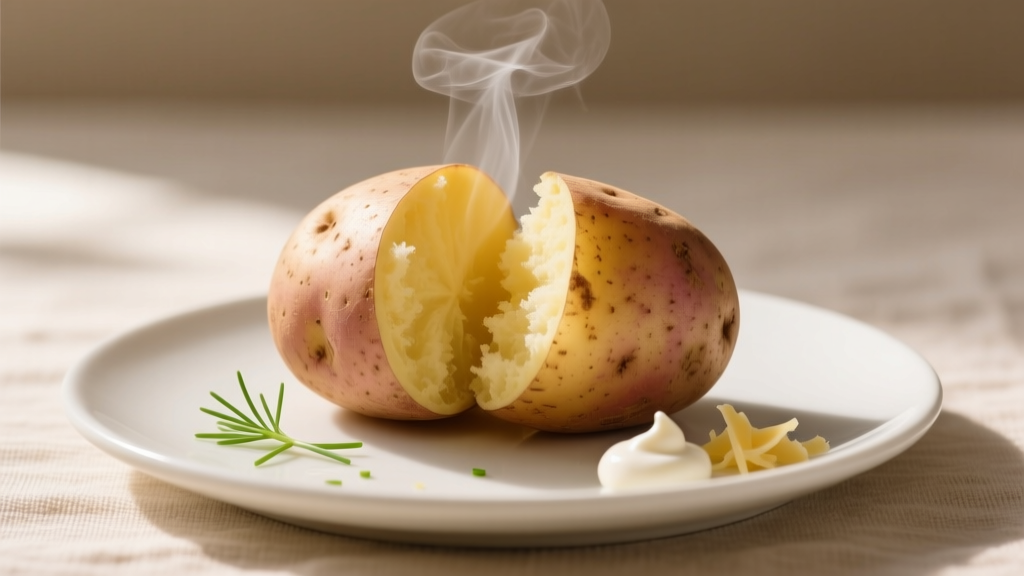 Large Baked Potato Nutrition Facts: Complete Breakdown
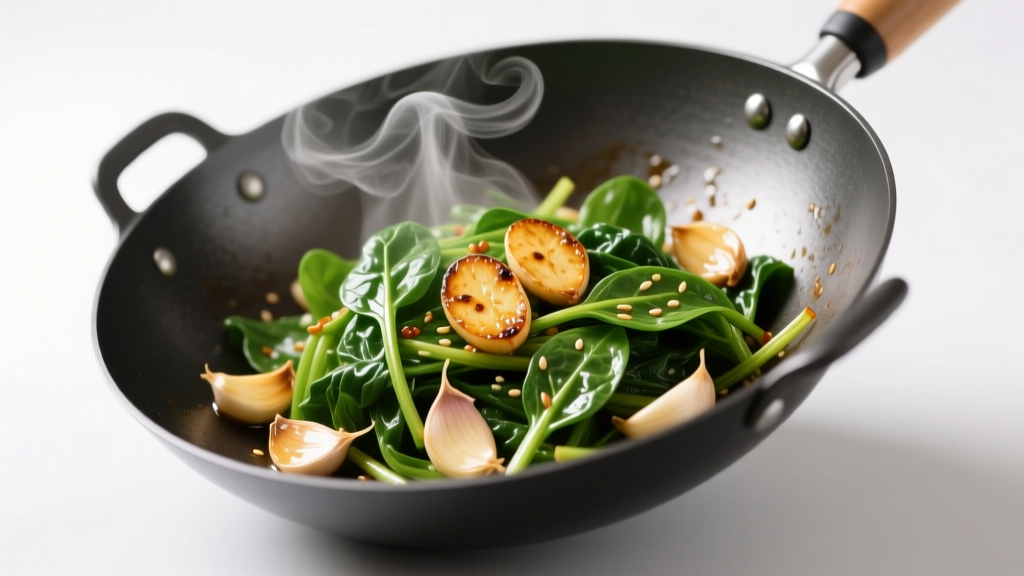 Authentic Chinese Spinach Stir-Fry: Garlic Wok Method
 Chipotle Salsa Spice Levels Explained (Actual Heat Ratings)
 Creamy Cauliflower Cheese Soup Recipe: Simple & Healthy