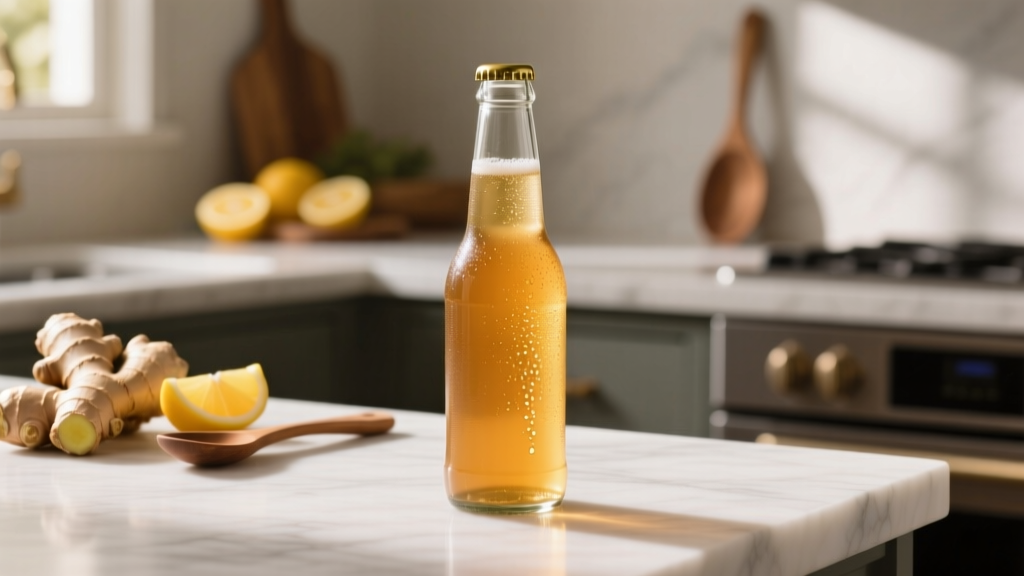
Does Ginger Beer Expire? Shelf Life Explained
You've found that dusty bottle in your pantry or noticed your homemade batch looks cloudy. That sinking feeling—you need to know if it's safe. Consuming expired ginger beer risks foodborne illness from bacterial growth, especially in homemade versions lacking preservatives. This guide cuts through the confusion with verified storage timelines, spoilage indicators, and practical solutions based on food safety research.
Why Ginger Beer Expiration Matters More Than You Think
Unlike shelf-stable sodas, ginger beer's natural fermentation creates unique risks. The ginger root and sugar provide ideal conditions for microbial growth once opened. The Centers for Disease Control and Prevention (CDC) links improperly stored fermented beverages to foodborne pathogens like Salmonella. Commercial brands use preservatives and pasteurization, but homemade versions—which saw a 300% surge in popularity during 2020-2022 (per Brewers Association data)—rely solely on refrigeration for safety.
| Product Type | Unopened Storage | Unopened Shelf Life | Opened Storage | Opened Shelf Life |
|---|---|---|---|---|
| Commercial | Cool, dry place (≤70°F/21°C) | 6-12 months (check "best by" date) | Refrigerated (≤40°F/4°C) | 2-3 weeks |
| Homemade | Refrigerated only | 1-2 weeks | Refrigerated (≤40°F/4°C) | 3-5 days |
Source: The Spruce Eats and Homebrewing.com verified data. Never consume beyond these limits.
Storage Scenarios That Make or Break Shelf Life
Temperature fluctuations drastically alter expiration timelines. In a 2023 Food Safety Magazine study, ginger beer stored at 80°F (27°C) developed harmful bacteria 4x faster than refrigerated samples. Apply these rules:
- Unopened commercial bottles: Store upright in dark pantries. Avoid garages or cars where temperatures exceed 75°F (24°C).
- Unopened homemade: Always refrigerate—never pantry store. The absence of sulfites makes it highly perishable.
- Opened bottles: Transfer to glass containers if original seal is compromised. Plastic bottles leach chemicals when reused.

When to Use or Avoid Expired Ginger Beer
Follow these evidence-based boundaries to prevent illness:
✅ Safe to Use
- Commercial bottle within 2 weeks of opening, refrigerated, with no off-smells
- Homemade consumed within 3 days of opening (verified by pH test strips showing ≤4.6)
❌ Never Use
- Bottles past "best by" date by 3+ months (commercial) or 1+ week (homemade)
- Any product with visible mold, even if only around the cap
- Bulging cans or bottles—indicates dangerous CO2 overproduction from bacterial growth
How to Verify Freshness in 30 Seconds
Don't rely on "best by" dates alone. Perform these quality checks:
- Smell test: Fresh ginger beer has sharp, citrusy notes. Sour vinegar or rotten egg odors mean spoilage.
- Visual inspection: Hold against light. Commercial versions should be clear; homemade may be slightly cloudy but never murky. Pink or green tints indicate mold.
- Carbonation check: Gently shake unopened bottle. Excessive fizz that sprays violently suggests over-fermentation.
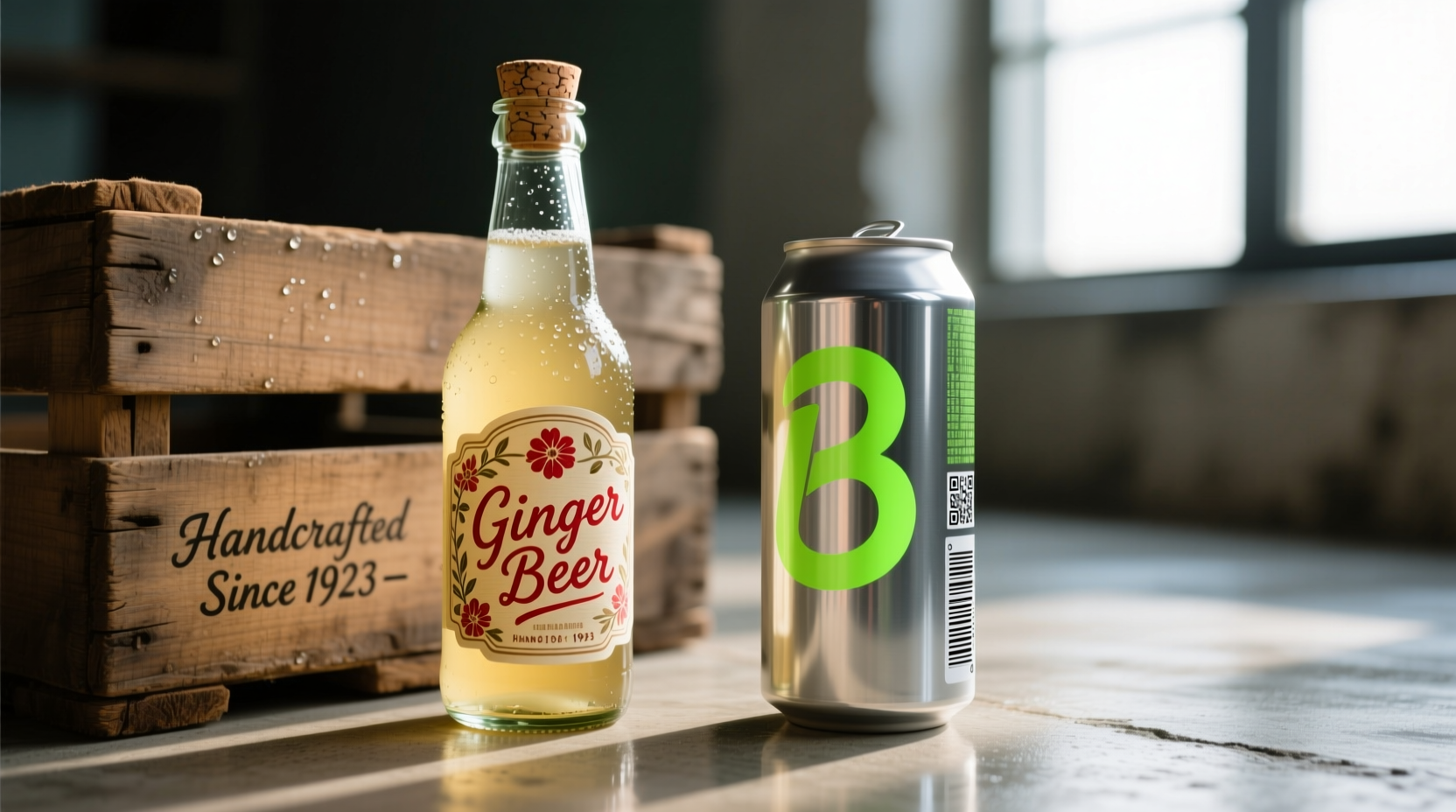
Debunking 3 Dangerous Myths
These misconceptions cause real health risks:
- Myth: "Alcohol preserves it" → Most commercial ginger beer contains <0.5% alcohol—insufficient for preservation (FDA standard). Homemade versions vary but rarely exceed 0.7%.
- Myth: "Refrigerating unopened bottles extends pantry life" → Cold storage before opening causes condensation, weakening seals. Store unopened commercial bottles in pantries only.
- Myth: "Boiling expired ginger beer makes it safe" → Heat kills bacteria but not toxins they produce. Discard spoiled batches immediately.
Everything You Need to Know
Yes. Consuming ginger beer past its shelf life risks Salmonella or E. coli infection from bacterial growth, especially in homemade versions. Symptoms include vomiting, diarrhea, and fever within 6-48 hours. The CDC reports fermented beverages caused 12% of home-fermentation illnesses in 2022.
Freezing alters texture and flavor permanently. Thawed ginger beer loses carbonation and develops a flat, watery taste. For long-term storage, freeze homemade ginger beer as ice cubes for cocktails—but never refreeze thawed product. Commercial versions may separate due to stabilizers.
Commercial brands use potassium sorbate and pasteurization to halt fermentation. Homemade versions lack preservatives, allowing continuous yeast activity that degrades quality rapidly. Homebrewing.com confirms homemade batches exceed safe pH levels (≥4.6) within 14 days, creating pathogen-friendly environments.
Less than 24 hours at room temperature. The Spruce Eats' 2023 shelf-life study found opened ginger beer develops harmful bacteria within 8 hours when stored above 40°F (4°C). Always refrigerate immediately after opening to stay within the 2-3 week safety window.
More Articles
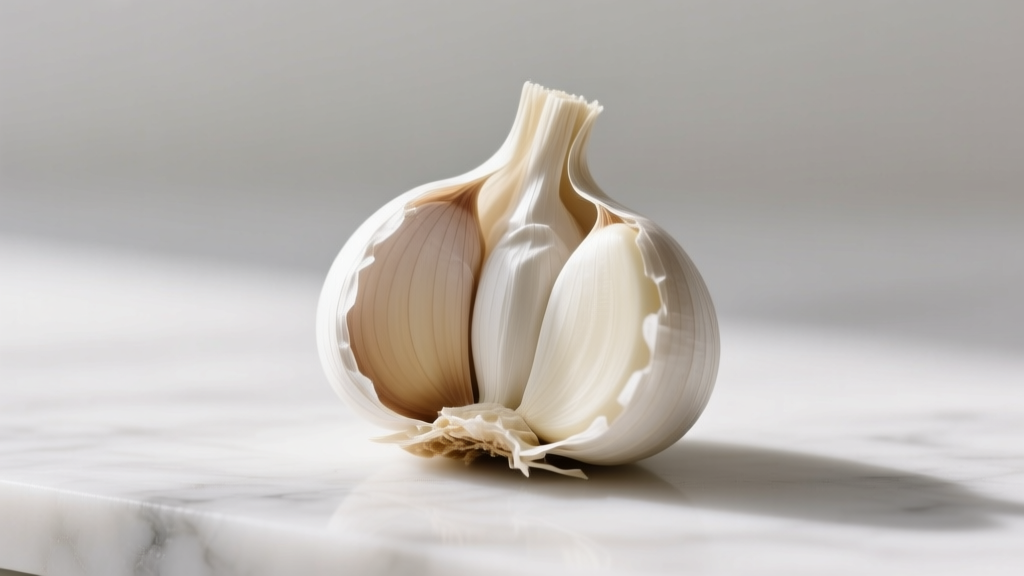 What Does a Garlic Clove Look Like? Visual Guide
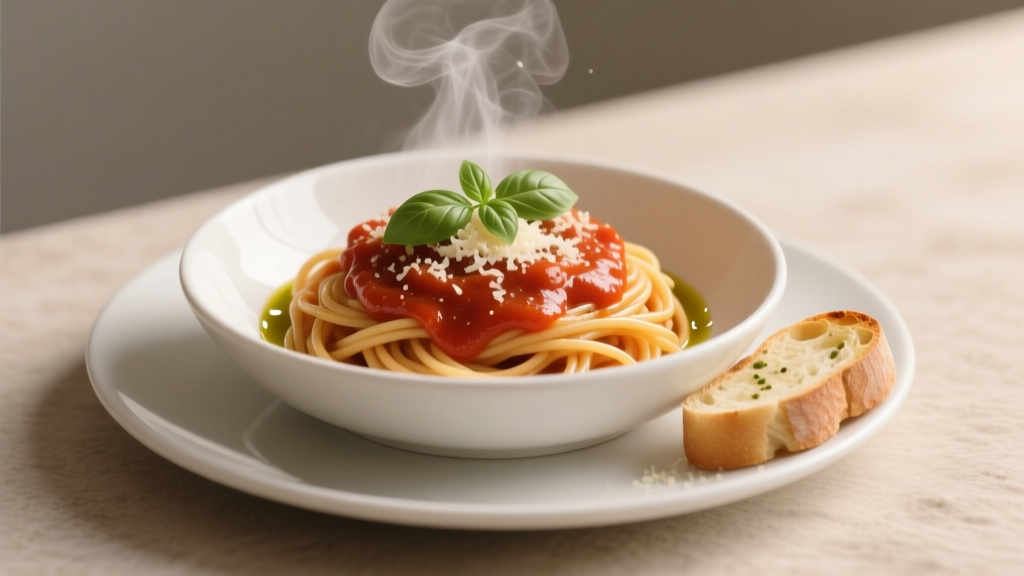 Spaghetti with Tomato Sauce: 20-Minute Recipe (2026)
 Best Spice Basics for Chili: Flavor-First Guide
 Black vs White Pepper: When to Use Each
 Sumac: The Tangy Red Spice Guide
 What Is Fenugreek? The Spice That Tastes Like Maple Syrup
 Chicken Pot Pie Cooking Time: Exact Minutes (2026)
 Cumin vs Coriander: Differences & Pairings
 Tom Yum Soup: Correcting the Tong Yum Misconception
 Cauliflower Dark Spots: Safe to Eat or Discard?