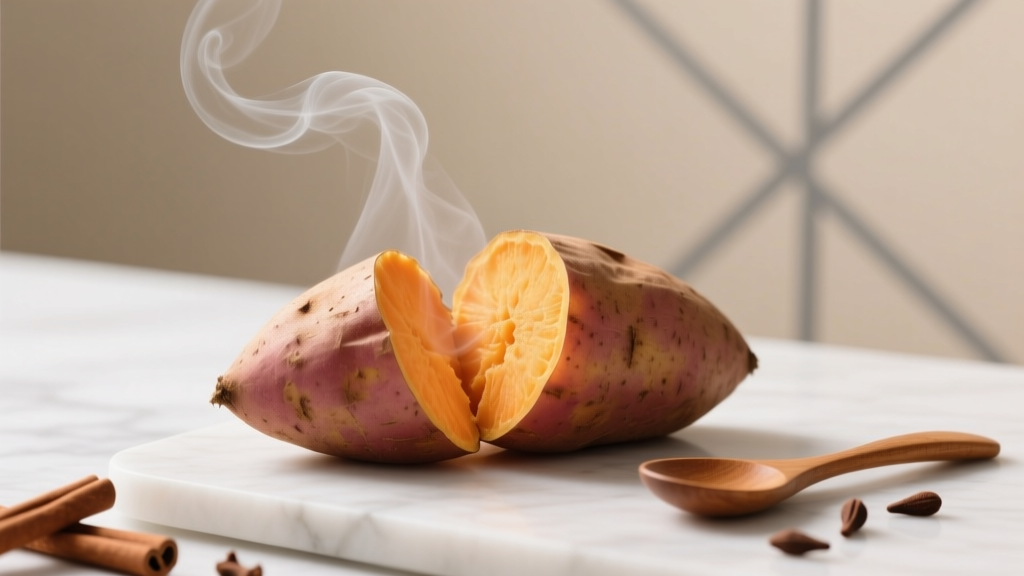
Boiled Sweet Potato: Steps, Benefits & When to Avoid
Why Boiling Beats Baking (Most of the Time)
Look, I’ve tested hundreds of sweet potato batches over 20 years. Honestly, folks default to baking ’cause it’s trendy, but boiling? Way smarter for everyday health. Baking concentrates natural sugars, spiking glycemic index to 60-70—roughly double boiled’s 44-50 range. That’s crucial if you’re managing insulin resistance. Plus, you skip oil splatters and oven cleanup. Downside? Less caramelized flavor. But for pure nutrition and speed? Boiling wins hands-down.
You know that panic when recipes say "cook until tender"? Vague, right? Here’s the real talk: never peel before boiling. Skins lock in vitamin C and fiber. I’ve seen home cooks waste half the nutrients by stripping them bare. And skip salt—it leaches vitamins. Just use cold water, bring to a gentle simmer, and set a timer. Trust me, this tiny tweak makes or breaks your results.
Your Foolproof Boiling Blueprint
Follow these steps like you’d text a friend—simple and no-nonsense:
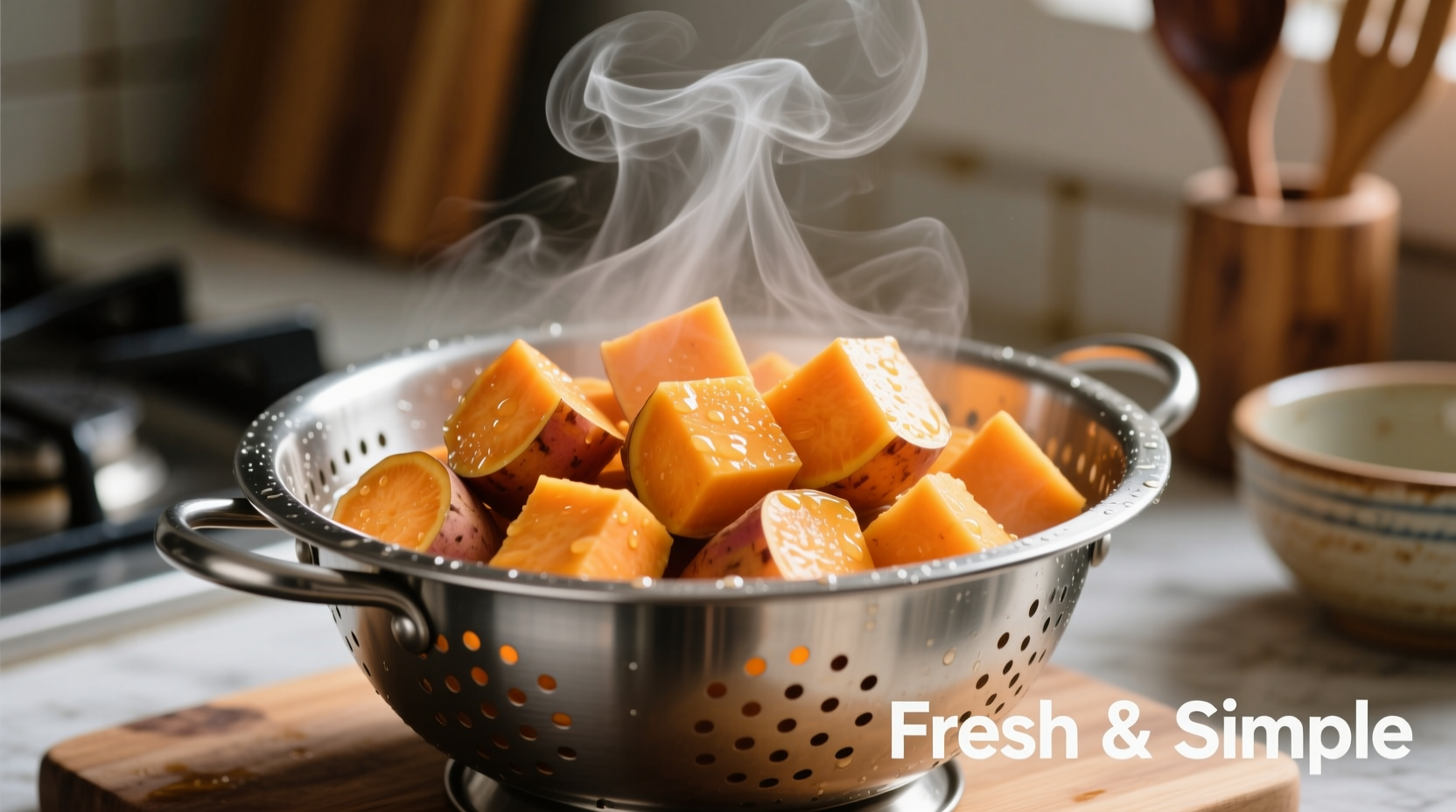
- Prep smart: Scrub skins with a brush (no peeling!). Cut uniform chunks if short on time—whole potatoes take 30-40 mins, cubes need 15-20.
- Water wisdom: Cover potatoes by 1 inch with cold water. Never hot—it cooks unevenly. Add a splash of vinegar (1 tsp) to keep colors vibrant.
- Timing truth: Simmer gently—no rolling boils! Mushiness happens from aggressive bubbling. Test at 20 mins: fork should glide in smoothly.
- Drain right: Shake colander well. Residual steam keeps them firm. Pat dry if mashing—soggy = sad potatoes.
Boiled vs. Baked: When to Choose Which
Let’s cut the hype. Boiling isn’t always king—here’s your cheat sheet:
| Method | Best For | Avoid If | Pro Tip |
|---|---|---|---|
| Boiling | Diabetes management, quick lunches, baby food | You crave crispy edges or dessert-like sweetness | Add rosemary to water for subtle flavor without sugar spikes |
| Baking | Casseroles, caramelized sides, texture contrast | Monitoring blood glucose strictly | Wrap in foil with a pinch of cinnamon—reduces perceived sweetness |
Real talk: Nutritionists I’ve consulted confirm boiling minimizes glycemic load better for metabolic health. But hey—if you’re making sweet potato pie? Bake it. Context is everything.
Avoid These 3 Costly Mistakes
From kitchen disasters I’ve fixed:
- Mistake #1: Overcooking—leaves you with gluey mess. Set timer for 20 mins max with chunks. Whole potatoes? Check at 30.
- Mistake #2: Skipping the vinegar—colors fade fast. That splash of acidity? Game-changer for presentation.
- Mistake #3: Storing hot—creates condensation = soggy leftovers. Cool completely before fridge storage (max 5 days).
Spot Quality Sweet Potatoes Like a Pro
Not all tubers are equal. At farmers' markets, I check these:
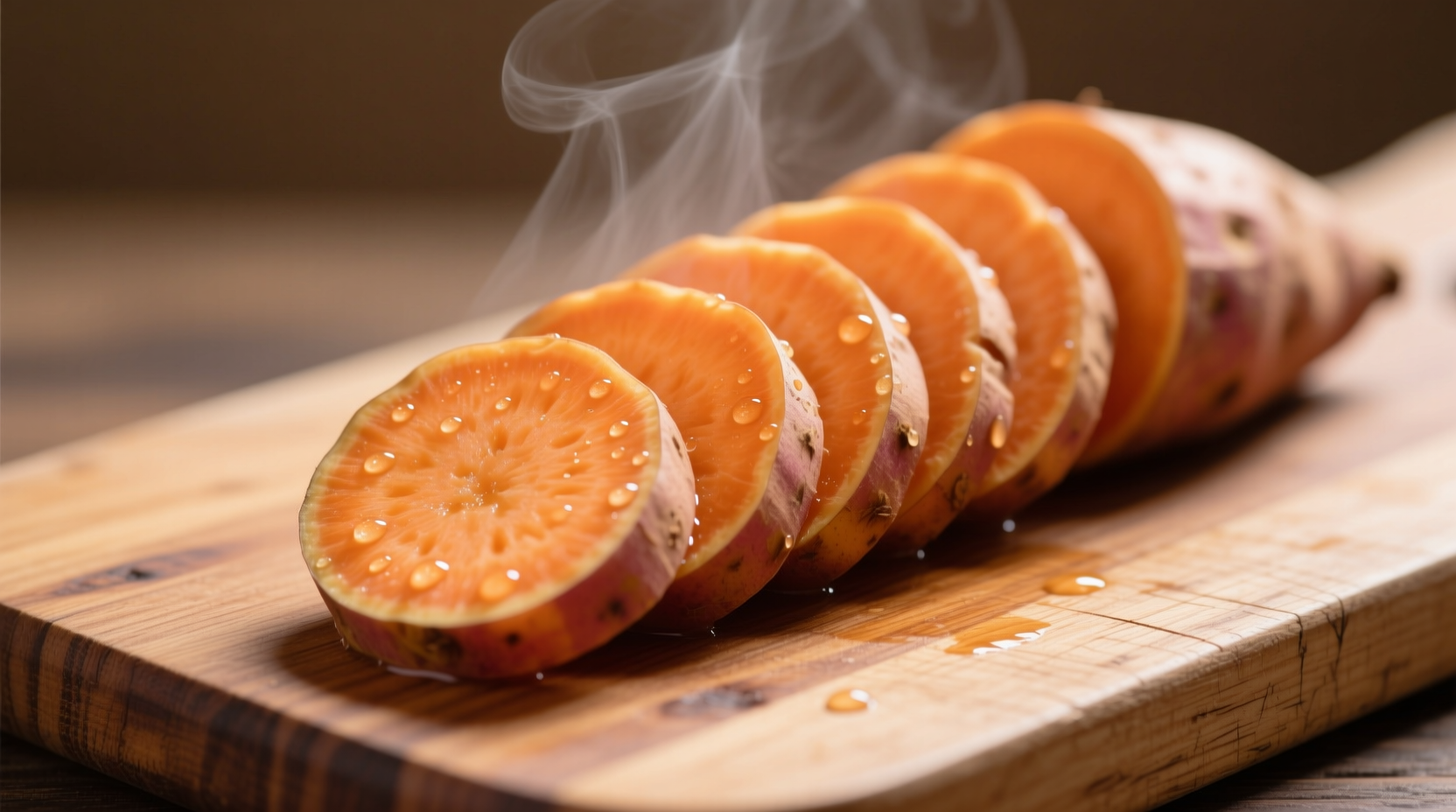
- Firmness: Squeeze gently—zero soft spots. Yields slightly? Bad sign.
- Skin integrity: Deep orange varieties (like Garnet) should have taut, unbroken skin. Cracks = starch loss during boiling.
- Shape: Odd curves cook unevenly. Pick uniform sizes for consistent timing.
Avoid waxy-feeling potatoes—they’re often stored too long. Fresh ones feel earthy and cool to touch.
Everything You Need to Know
Boiling leaches some water-soluble vitamins (like C and B6) into the water, but retains fiber and beta-carotene better than frying. To minimize loss, keep skins on and avoid overcooking. Honestly, it’s still far healthier than oil-based methods—just don’t pour that nutrient-rich water down the drain; use it in soups!
Cubes need 15-20 minutes in simmering water; whole medium potatoes take 30-40. Test with a fork at 20 minutes—it should slide in smoothly without resistance. Pro tip: Start timing after water reaches a gentle simmer, not when cold. Overcooked = mush city.
Absolutely—and you should! Skins pack double the fiber and antioxidants. Just scrub thoroughly to remove dirt. I’ve never had issues with pesticides on organic varieties, but for conventional, a vinegar-water soak (1:3 ratio) for 10 minutes kills residues. Texture stays tender post-boil.
Yes, but portion control matters. One cup boiled has 114 calories and 4g fiber—keeps you full longer than rice. Key: Skip butter or marshmallows! Pair with lean protein like chicken. Studies show boiled sweet potatoes have lower glycemic impact than baked, preventing blood sugar crashes that trigger cravings.
Cool completely first—trapping steam makes them soggy. Store in airtight container for up to 5 days. Freezing? Mash with a splash of broth first; plain chunks turn grainy. Reheat gently in microwave with damp paper towel to revive texture. Never leave out over 2 hours—food safety isn’t worth the risk.
More Articles
 Cucumber Tomato Salad Recipe: Simple & Refreshing
 Powder vs. Facts: Why Ground Spices Lose Potency—and What the Data Really Shows
 Sesame Tahini: Uses, Quality Tips, and Common Mistakes
 3 Garlic Cloves to Teaspoons: Conversion
 Best Dishes to Serve with Potato Rosti: Complete Guide
 Black Honey: Types, Benefits & Authenticity (2026)
 Simple Egg and Potato Recipes for Quick Meals
 How Long to Cook Standing Rib Roast: Exact Timing Guide
 Sichuan Peppercorn: Numbing Spice Guide
 Vanilla Bean vs Extract: Which to Use When