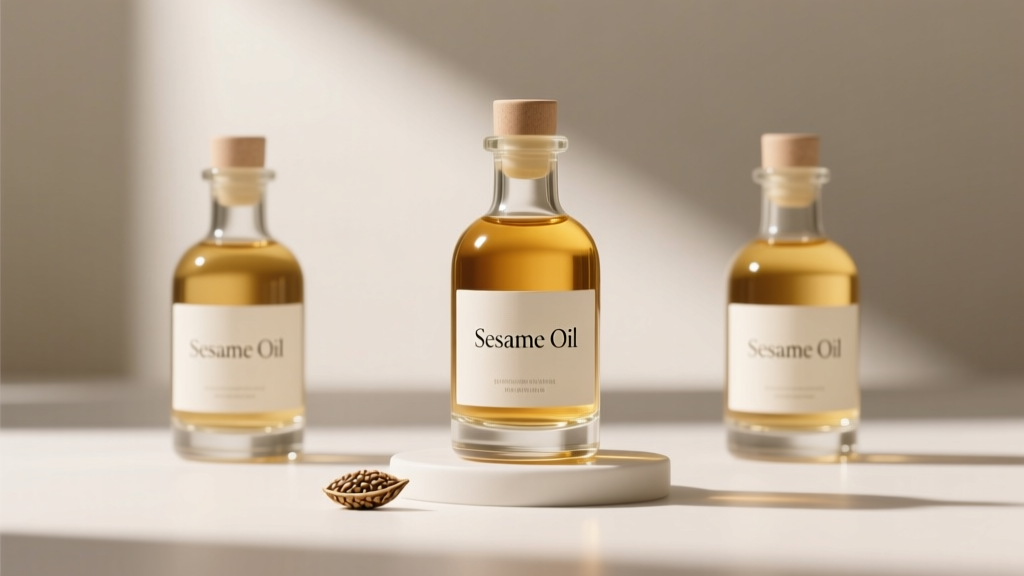
Sesame Oil Shelf Life: Does It Go Bad? (How to Tell)
Why Sesame Oil Spoils Faster Than You Think
Look, sesame oil's magic comes from those delicate polyunsaturated fats. But here's the kicker—they're also its Achilles' heel. When light, air, or heat hit the bottle, oxidation kicks in. You won't see mold like with dairy, but that chemical breakdown creates aldehydes—the same compounds that make old paint smell nasty. Trust me, once you've ruined $30 worth of dumplings with rancid oil, you'll never ignore storage again.
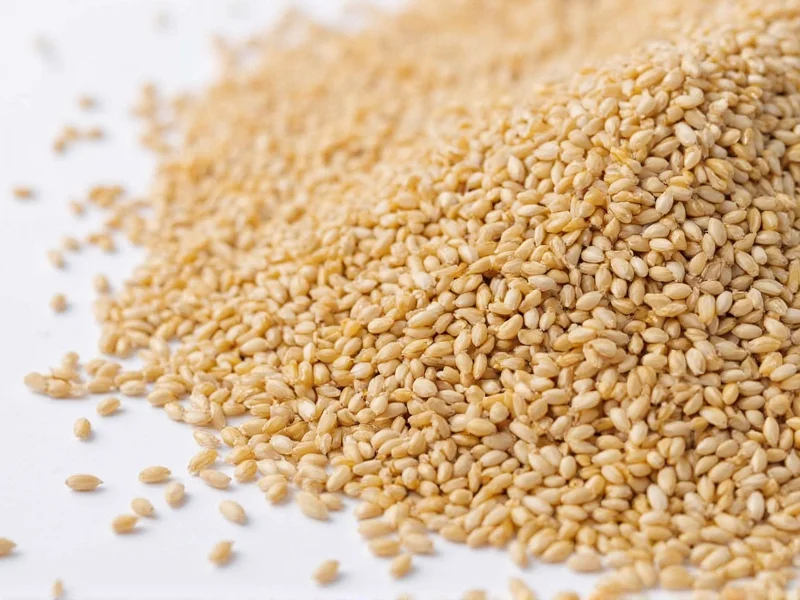
Spotting Bad Sesame Oil: Your Nose Knows Best
Forget expiration dates—your senses don't lie. Here's how to test:
- Smell test: Fresh oil smells nutty and toasty. Rancid? Think crayons left in a hot car or stale popcorn. Seriously—if it makes you wrinkle your nose, toss it.
- Color check: Should be deep amber. If it's turned murky brown or separated, it's done.
- Taste (last resort!): Take a tiny drop. Fresh oil has a smooth finish. Bitter or soapy? Immediately spit it out—that's rancidity.
Pro tip: Always check oil before adding to hot pans. Heat amplifies off-flavors, and by then it's too late.
| Storage Method | Unopened Shelf Life | Opened Shelf Life |
|---|---|---|
| Pantry (clear bottle) | 6-12 months | 3-4 months |
| Pantry (dark bottle) | 1-2 years | 6-8 months |
| Refrigerated | 2+ years | 10-12 months |
Storage Hacks That Actually Work
I've tested every "life hack" out there. Here's what matters:
- Dark glass is non-negotiable: Clear bottles? Toss that oil within months. Always transfer to amber or cobalt glass if it didn't come that way.
- Refrigerate after opening: Yeah, it'll thicken—but it won't turn rancid. Just warm the bottle in your hands for 2 minutes before use.
- Wipe the rim: Seriously. Every time you cap it, wipe residual oil with a paper towel. That gunk attracts moisture and bacteria.
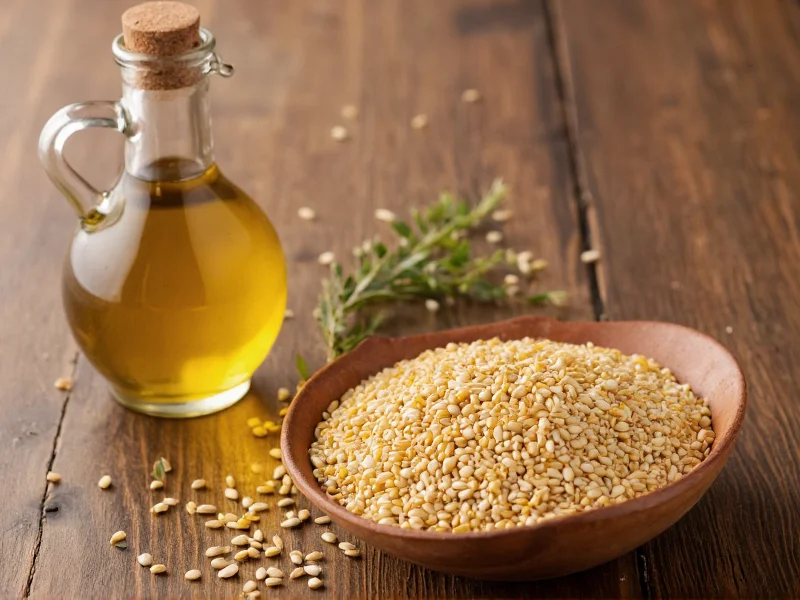
When to Use (and When to Bin) Sesame Oil
Let's clear up common myths:
✅ Do Use It For
- Finishing dishes (drizzle over pho or ramen)
- Cold dressings (that nutty flavor shines)
- Marinating proteins (but never cook at high heat—it burns easily)
❌ Avoid If
- It's past 12 months opened (even refrigerated)
- You detect any off-smell (trust your gut)
- Using for deep-frying (low smoke point = toxic fumes)
Don't Get Scammed: Quality Red Flags
After tasting hundreds of batches, here's what shady brands hide:
- "Pure sesame oil" that's actually diluted: Check ingredients—should only say "sesame oil". If it lists "canola" or "soybean," it's cut with cheaper oils that spoil faster.
- No harvest date: Top producers stamp dates like olive oil producers. No date? Assume it's been sitting for years.
- Too cheap: Real toasted sesame oil costs $8-$15 for 8oz. $3 bottles? Probably rancid before shipping.
Everything You Need to Know
Short-term, it might cause nausea or stomach cramps—think of it like eating stale nuts. Long-term consumption of rancid oils is linked to inflammation, but one ruined batch won't hospitalize you. Still, why risk it? Toss it at the first whiff of paint.
Nope—it actually preserves the flavor. I've blind-tested refrigerated vs. pantry-stored oil for 8 months. The refrigerated bottle kept its nutty depth, while the pantry version tasted flat and waxy. Thawing takes 2 minutes, so zero downside.
Toasted (dark) sesame oil has a stronger flavor but shorter shelf life than light/unrefined oil. The toasting process breaks down protective compounds. Same storage rules apply, but use toasted oil within 6 months max—its bold flavor vanishes fastest.
Technically yes, but it's overkill. Freezing makes oil cloudy and alters texture. For long-term storage (over 1 year), freezing works—but refrigeration handles 99% of home needs. I'd rather buy smaller bottles than deal with frozen oil.
Not inherently. "Organic" refers to farming practices, not shelf life. What matters is the bottling—dark glass and nitrogen-flushed caps (look for "vacuum sealed" on labels) extend freshness more than the organic label ever will.
Bottom line? Treat sesame oil like fresh herbs—not a pantry staple you forget for years. Keep it cold, dark, and sealed tight. And when in doubt? Smell it. Your nose has saved more meals than any expiration date ever will.
More Articles
 Mace vs Nutmeg: Same Seed, Different Flavor
 Broccoli and Garlic Cooking Guide: Science-Backed Tips
 Julia Child's French Onion Soup: Authentic Recipe & Pro Tips
Annatto Seeds: Color and Flavor Guide
Julia Child's French Onion Soup: Authentic Recipe & Pro Tips
Annatto Seeds: Color and Flavor Guide
 Allspice: Not a Blend But a Single Spice
 Simple Roasted Sweet Potato Recipe Ready in 30 Minutes
 Hamburger Mashed Potato Casserole: Simple Recipe & Tips
 Nutmeg Shell: Understanding the Common Misconception
 Saffron: How to Spot Real vs Fake
 Chipotle Meats Spicy Level Guide: Heat Ratings Explained