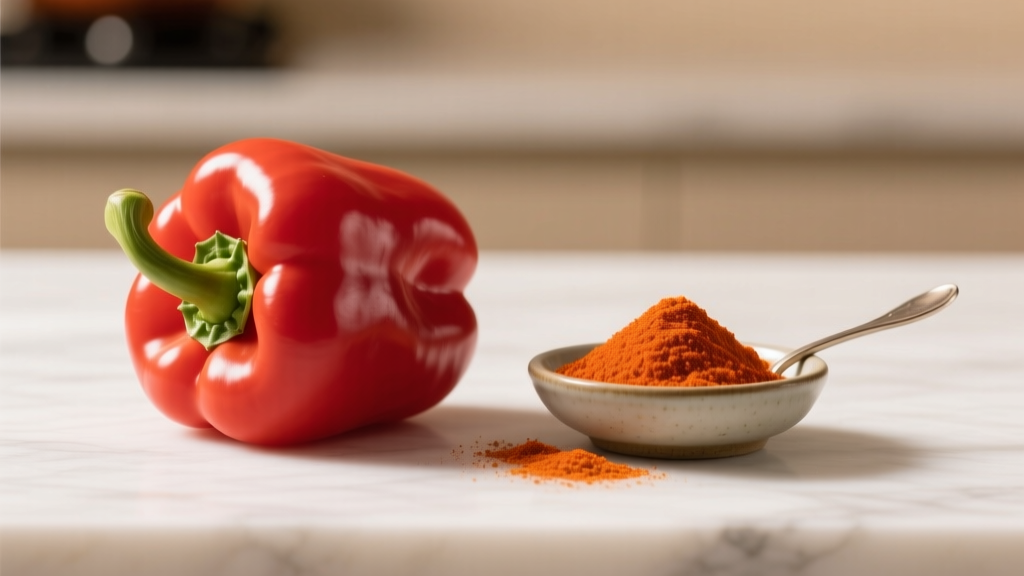
Paprika vs Bell Pepper: Same Spice or Different?
Ever ruined a dish by accidentally using paprika instead of fresh bell pepper? You're not alone. Many home cooks confuse these two because paprika often derives from bell peppers—but they're fundamentally different ingredients. This confusion causes burnt sauces, texture disasters, and wasted meals. Let's clarify exactly how they relate and when to use each.
Why the Confusion Exists (and Why It Matters)
Bell peppers (Capsicum annuum) are the colorful, crunchy vegetables in your salad. Paprika is a spice produced by drying and grinding specific Capsicum annuum varieties—often red bell peppers. But processing transforms them into distinct products. As The Spruce Eats explains, "Paprika is a spice, not a vegetable. It is produced by grinding dried peppers... while bell peppers are fresh, whole peppers eaten raw or cooked." This isn't semantics; using paprika where a recipe calls for fresh bell pepper alters moisture, flavor intensity, and texture catastrophically.
| Characteristic | Bell Pepper (Fresh) | Paprika (Ground Spice) |
|---|---|---|
| Form | Whole vegetable, high water content | Dried, ground powder |
| Nutrition (per 100g) | 31 kcal, 92% water (USDA source) | 280 kcal, low moisture (USDA source) |
| Primary Use | Eaten raw, roasted, stuffed, or in stir-fries | Seasoning for color/flavor (e.g., rubs, stews, deviled eggs) |
| Flavor Profile | Sweet, vegetal, crisp | Earthy, smoky (varies by type), intensely concentrated |
When to Use (or Avoid) Each: Practical Scenarios
Choosing wrong between these can wreck your dish. Follow these evidence-based guidelines:
✅ Use Bell Pepper When:
- You need fresh crunch (salads, crudités)
- Recipes require high moisture content (stuffed peppers, fajitas)
- Making raw salsas or relishes
✅ Use Paprika When:
- Adding deep color without extra liquid (goulash, tomato sauces)
- Creating dry rubs for meats
- Enhancing smoky notes (use smoked paprika sparingly)
🚫 Avoid Paprika If:
- The recipe specifies "1 chopped bell pepper" (paprika lacks volume/water)
- You're making dips requiring fresh texture (like pimento cheese)
- Substituting in baking recipes (alters moisture balance)
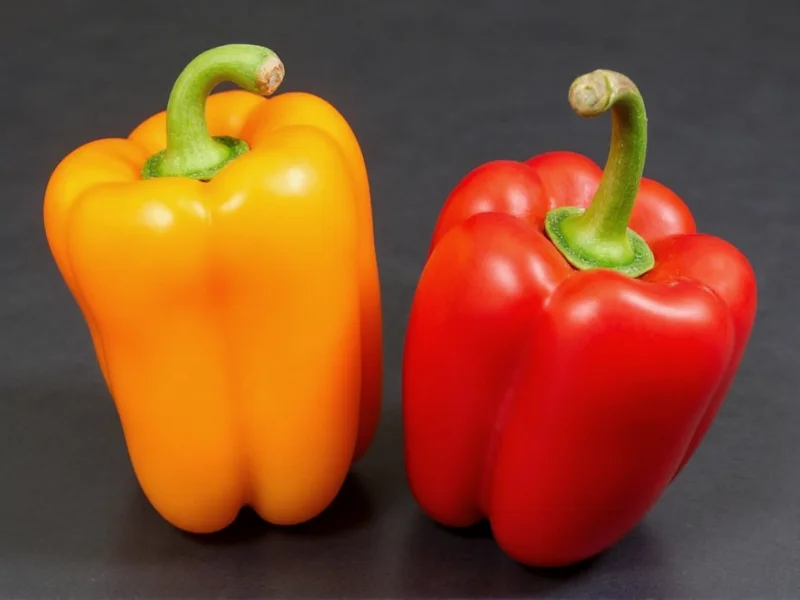
Spotting Quality Paprika (and Market Traps)
Not all paprika is made from sweet bell peppers. Lower-quality brands may use:
- Hot pepper varieties (labeled "hot paprika") causing unexpected heat
- Fillers like starch or salt (check ingredient lists)
- Faded color indicating age—fresh paprika should be vibrant red
For authentic sweet paprika, seek Hungarian or Spanish labels specifying "édesnemes" (Hungarian for sweet noble). As noted by The Spruce Eats, "Premium paprika retains bright color and fresh pepper aroma—dull or musty smells mean it's stale." Always store in opaque containers; light degrades flavor within 6 months.
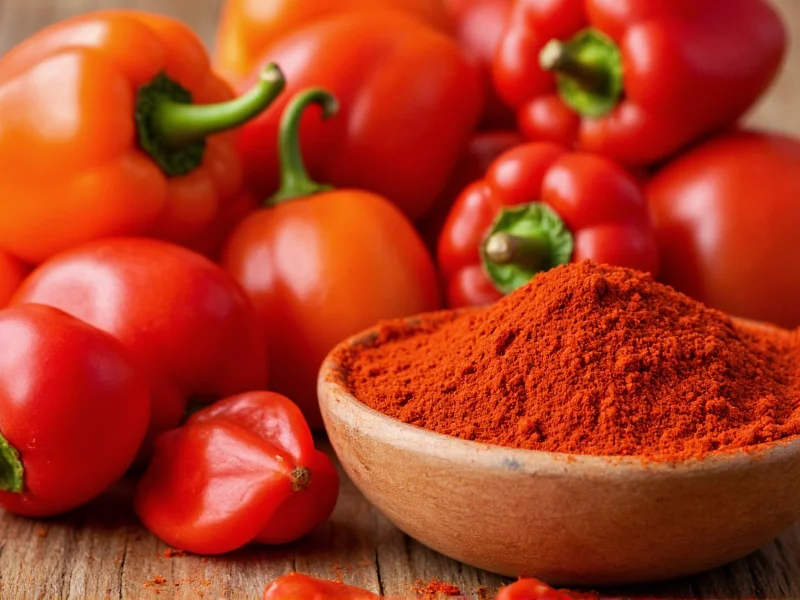
Everything You Need to Know
No. While sweet paprika often starts with red bell peppers, the drying and grinding process creates a concentrated spice with completely different culinary properties. USDA data shows paprika has 9x the calories per gram due to removed water, making it unsuitable as a direct substitute.
Rarely. For every 1 chopped bell pepper (150g), you'd need only 1-2 teaspoons of paprika—but this replaces flavor without adding moisture or texture. It works only in liquid-heavy dishes like stews. Never substitute in salads, stir-fries, or stuffed peppers where fresh pepper's structure matters.
No. Dehydration concentrates calories and certain compounds. Per USDA data, bell peppers provide vitamin C from fresh juice, while paprika offers more concentrated antioxidants but loses water-soluble vitamins. Sweet paprika contains 280 kcal/100g versus bell peppers' 31 kcal/100g due to removed water.
Keep paprika in an airtight, opaque container away from light and heat. Exposure to air or light degrades flavor compounds within 6 months. Never store above the stove. Test freshness by rubbing a pinch between fingers—if aroma is weak or musty, replace it. Properly stored, it lasts 1-2 years.
Bitterness usually means the paprika is stale or overheated. Never cook paprika above 175°F (80°C)—it burns easily. Always add it late in cooking or bloom in cool oil. If bitterness persists, your product may contain hot pepper varieties; check labels for "sweet" designation.
Understanding the paprika-bell pepper relationship prevents kitchen disasters. Remember: paprika is a processed spice derived from certain peppers, not the fresh vegetable itself. When in doubt, measure paprika in teaspoons, not cups. For authentic Hungarian dishes, seek labeled sweet paprika—but for stuffed peppers or salads, nothing replaces the crisp freshness of a whole bell pepper.
More Articles
 Cinnamon vs Cassia: Know the Difference
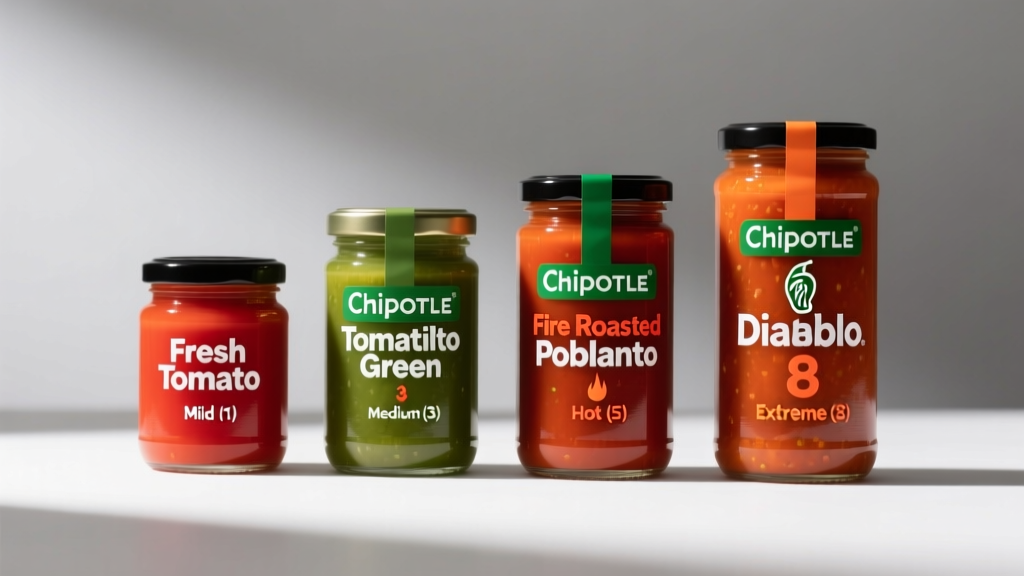 Chipotle Salsa Spice Levels Explained (Actual Heat Ratings)
 How to Repair Five Spice: A Practical Culinary Guide
 Potato vs Rice: Which Is Healthier? Nutritional Facts
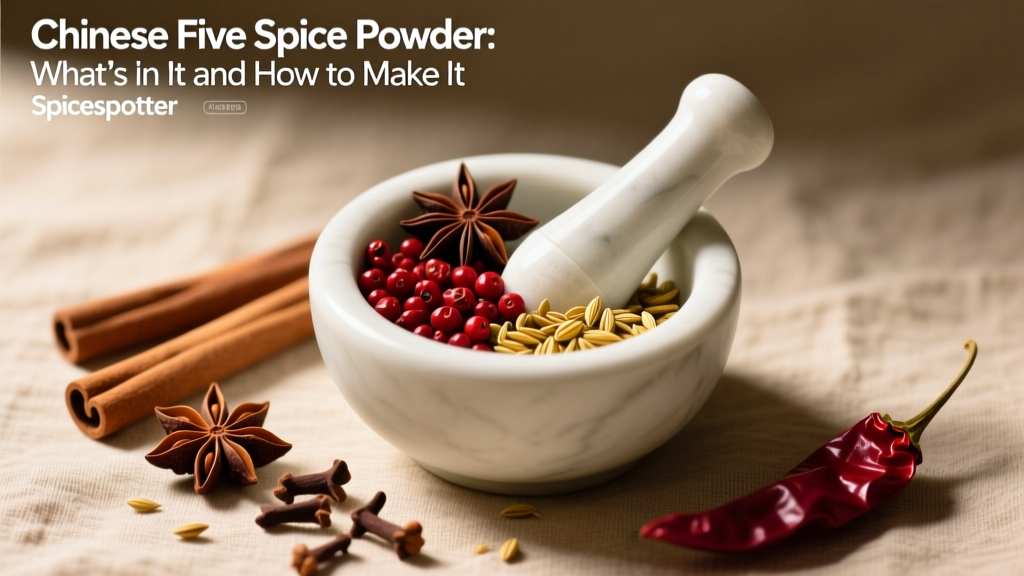 Chinese Five Spice Powder: What's in It and How to Make It
Annatto Seeds: Color and Flavor Guide
Chinese Five Spice Powder: What's in It and How to Make It
Annatto Seeds: Color and Flavor Guide
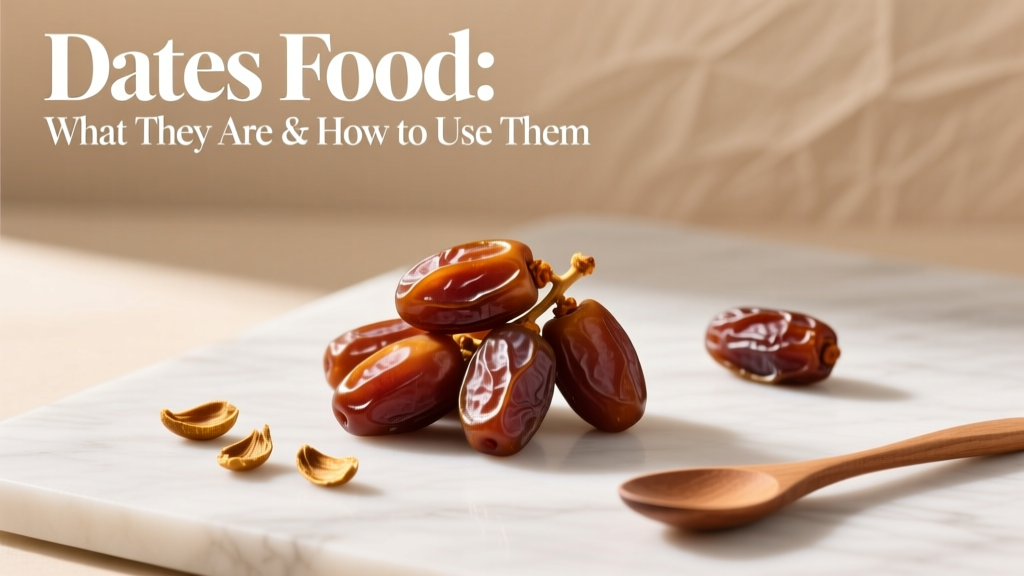 Dates Food: What They Are & How to Use Them
 Smart Kitchen Storage Ideas That Maximize Space
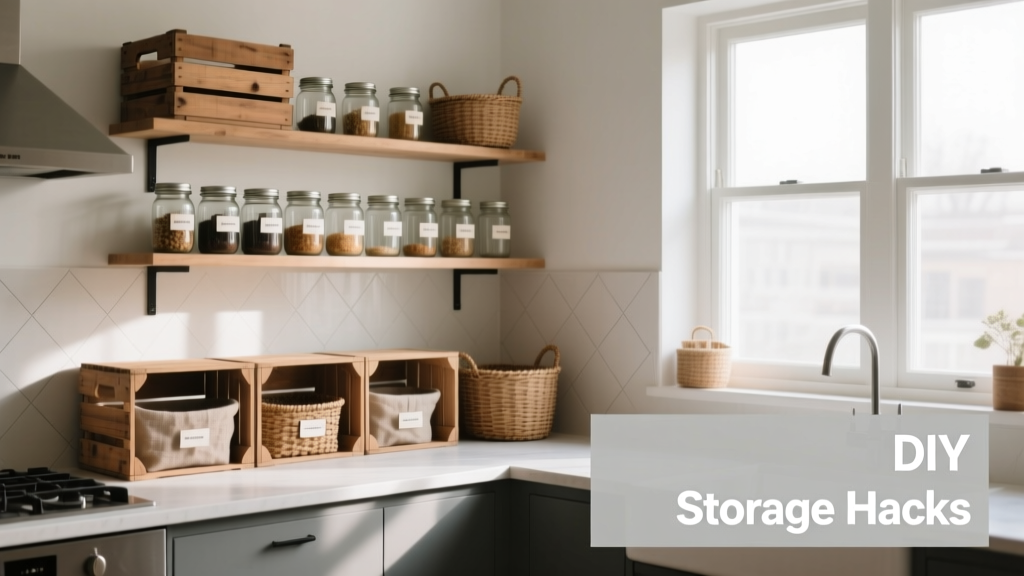 Homemade Spice Storage Ideas That Work
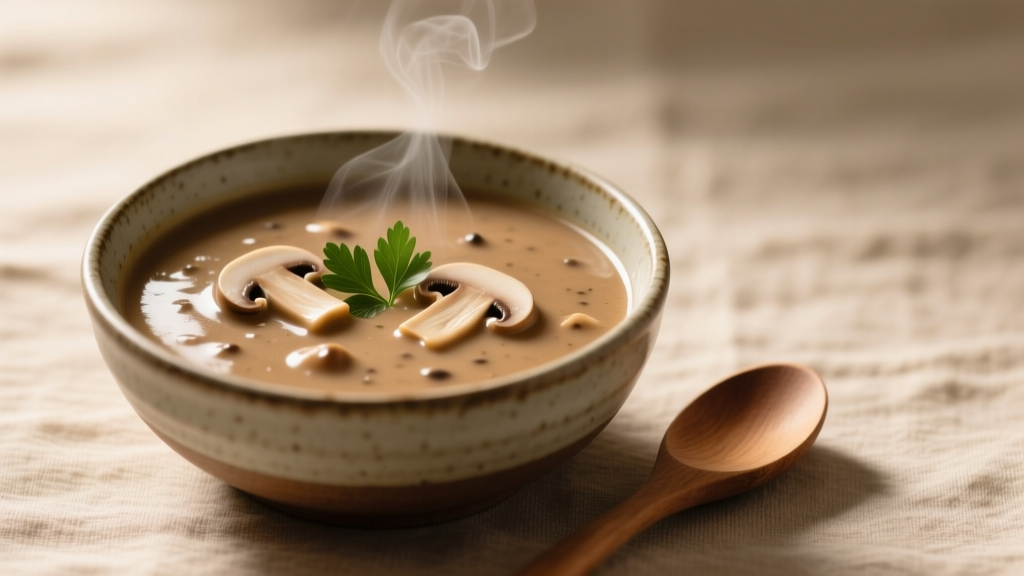 Easy Mushroom Gravy Recipe Using Cream of Mushroom Soup