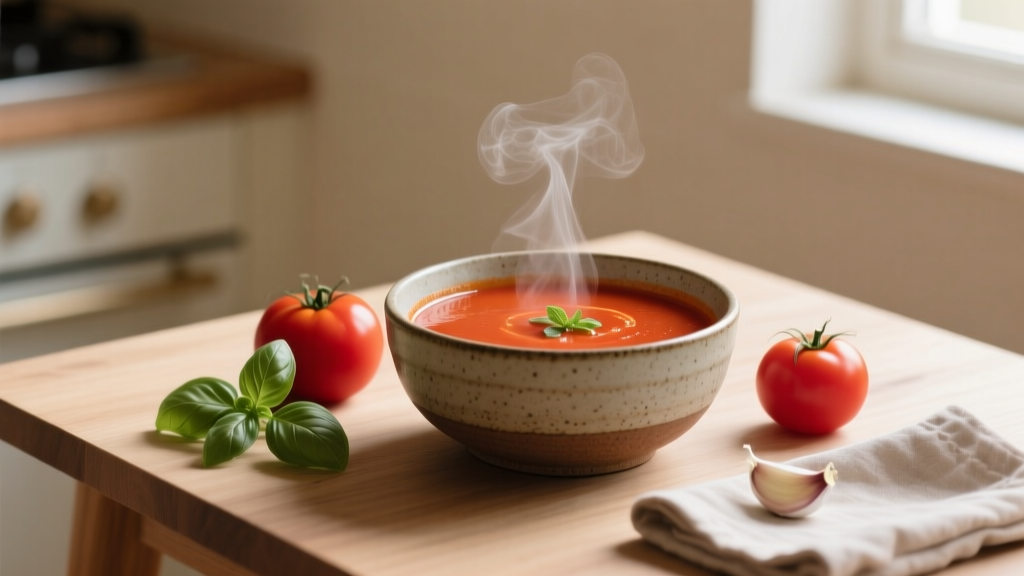
Tomato Soups: Practical Guide for Home Cooks
Why Tomato Soups Keep Showing Up in Our Kitchens
Let's be real—you're probably here because tomato soup feels like that reliable friend who shows up when you're stressed, hungry, or just need comfort food. I've made thousands of batches over 20 years, and honestly? The magic lies in its simplicity. Tomatoes bring natural sweetness and acidity, balancing perfectly with a pinch of sugar or basil. Plus, they're packed with lycopene, which your body absorbs better when cooked (per NIH research). But here's the catch: not all tomato soups are created equal. Some turn out bland or overly acidic if you skip key steps. That's where I come in.
Building Your Best Batch: No Fancy Gear Needed
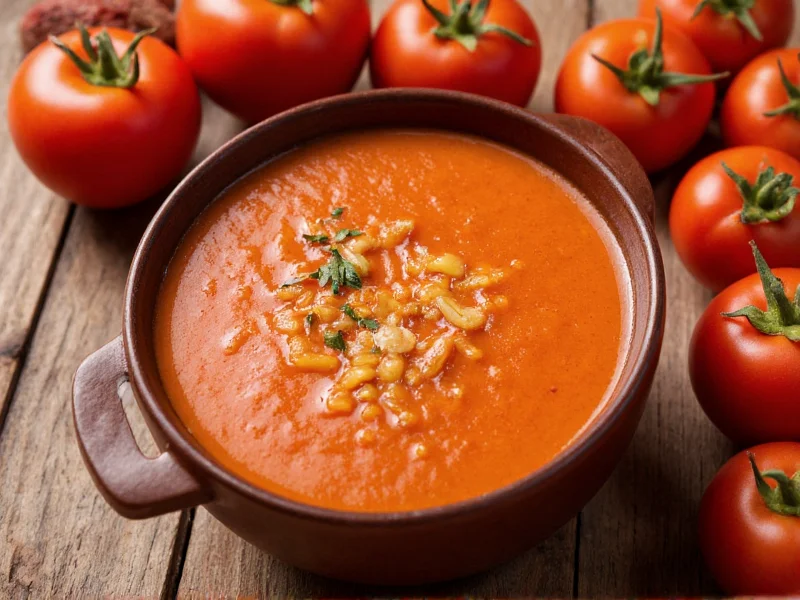
First things first—ditch the idea that you need heirloom tomatoes or a sous-vide machine. Most home cooks nail this with pantry staples. Start with 28oz of canned crushed tomatoes (look for "no salt added" versions to control sodium). Sauté onions and garlic in olive oil until soft, then add tomatoes, 2 cups veggie broth, and a bay leaf. Simmer 20 minutes. Boom, you've got depth without stress. Oh, and if you're using fresh tomatoes? Blanch them first to remove skins—it's a game-changer for smooth texture.
| Method | Time | Flavor Profile | Best For |
|---|---|---|---|
| Canned tomato base | 25 mins | Bright, consistent | Weeknight dinners |
| Fresh garden tomatoes | 40 mins | Sweeter, brighter | Summer harvests |
| Cream-based (with dairy) | 30 mins | Richer, mellow | Cold-weather comfort |
When to Reach for Tomato Soup (and When Not To)
You know that "soup weather" feeling? Tomato soup shines then—but it's not foolproof. Use it when you need a light lunch under 300 calories or want to sneak veggies into picky eaters' meals (puree carrots right in!). Avoid it if you're sensitive to nightshades—some folks get joint pain from tomatoes. Also, skip cream-based versions if you're watching saturated fat; stick to coconut milk for a dairy-free twist. Honestly, I've seen so many home cooks ruin batches by adding basil too early—it turns bitter. Toss herbs in during the last 5 minutes.
Spotting Quality: From Cans to Garden Picks
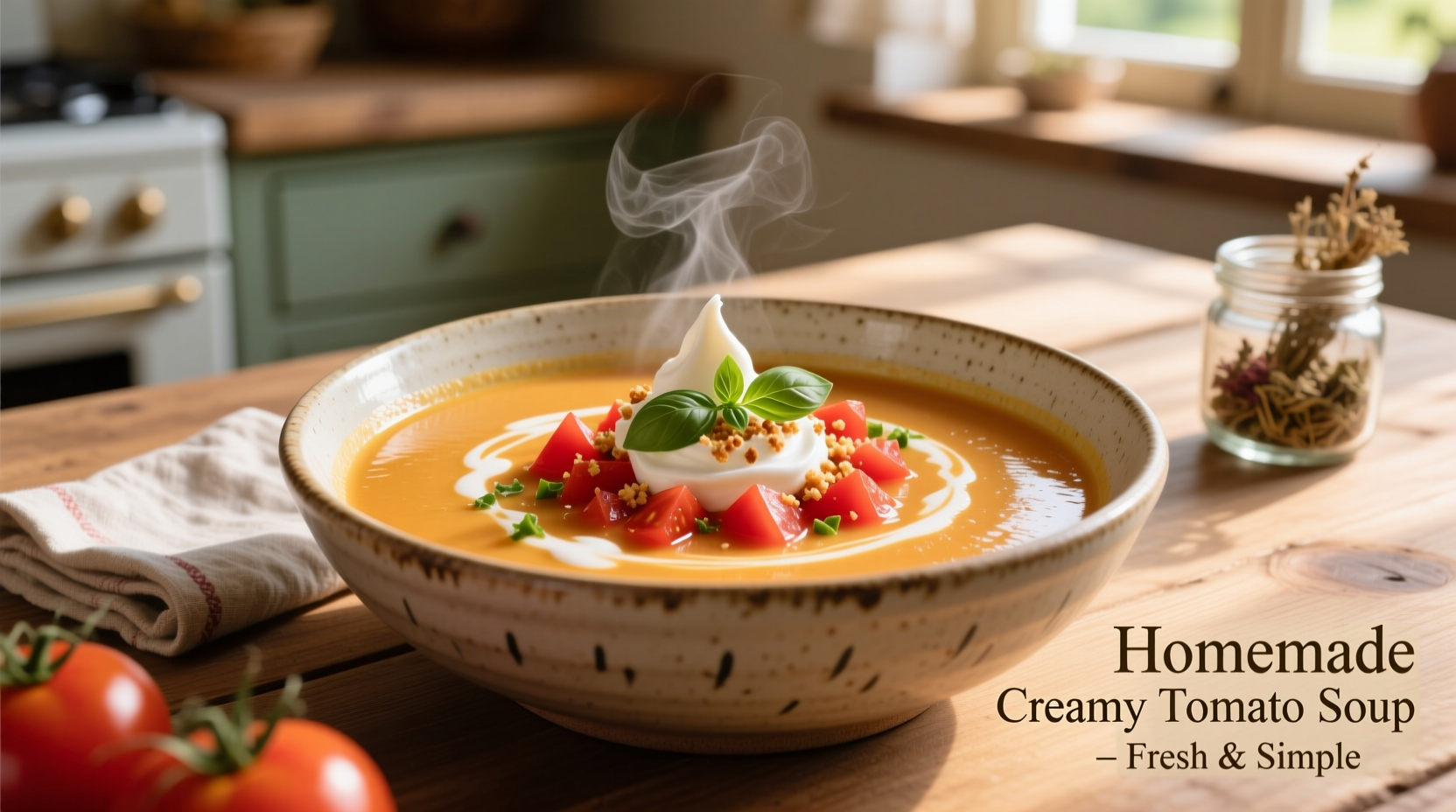
Here's where experience matters. At farmers' markets, choose tomatoes that feel heavy for their size—they're juicier. For canned goods, check the ingredient list: it should say "tomatoes, tomato juice, maybe salt." If you see "natural flavors" or "spices," that's a red flag for hidden sugar. I've tested dozens of brands, and low-sodium options from USDA-certified producers consistently taste cleaner. Pro tip: Shake the can—if it sounds hollow, the tomatoes were underripe when packed. And please, don't waste money on "premium" canned soups with cream already added; blend in your own cashew cream for better control.
Everything You Need to Know
Yes, but with caveats. Lycopene in cooked tomatoes reduces LDL cholesterol oxidation, per NIH studies. However, canned versions often contain excess sodium—aim for under 480mg per serving. Homemade soup with olive oil boosts absorption, making it more effective than store-bought high-sodium options.
Don't panic—it happens to everyone. Stir in 1/2 tsp baking soda (seriously, it neutralizes acid without changing flavor) or a grated carrot while simmering. Avoid sugar; it masks rather than balances. I learned this the hard way after ruining three batches during my catering days!
Over-relying on the can as-is. Most store-bought versions taste flat because they're designed for microwaving convenience. Elevate them by sautéing fresh garlic, adding a splash of balsamic vinegar, and finishing with fresh herbs. Trust me—it takes 5 extra minutes but transforms cheap soup into something restaurant-worthy.
Up to 4 days in an airtight container, but acidity helps preservation—unlike cream-based soups, it rarely sours quickly. Freeze portions for 3 months; just leave out dairy if planning to freeze. Fun fact: Chefs actually prefer day-old tomato soup—the flavors meld better!
More Articles
 Feta Cheese & Tomato Pasta: Authentic Greek (2026)
 Best Substitutes for Chili Paste: Practical Alternatives
 Ground Beef Potato Casserole with Cheese (2026)
 Asafoetida (Hing): Bold Flavor, Tiny Pinch
 Bitter Greens: 25 Types With Cooking Tips
 Long Green Peppers: Types, Uses & Culinary Guide
 Perfect Garlic Bread: Simple Recipe & Pro Tips
 Annatto Seeds: Natural Color and Mild Flavor
 Cloves Seasoning: Measurements, Subs & Techniques
 Shichimi Togarashi: Japan's Seven Spice