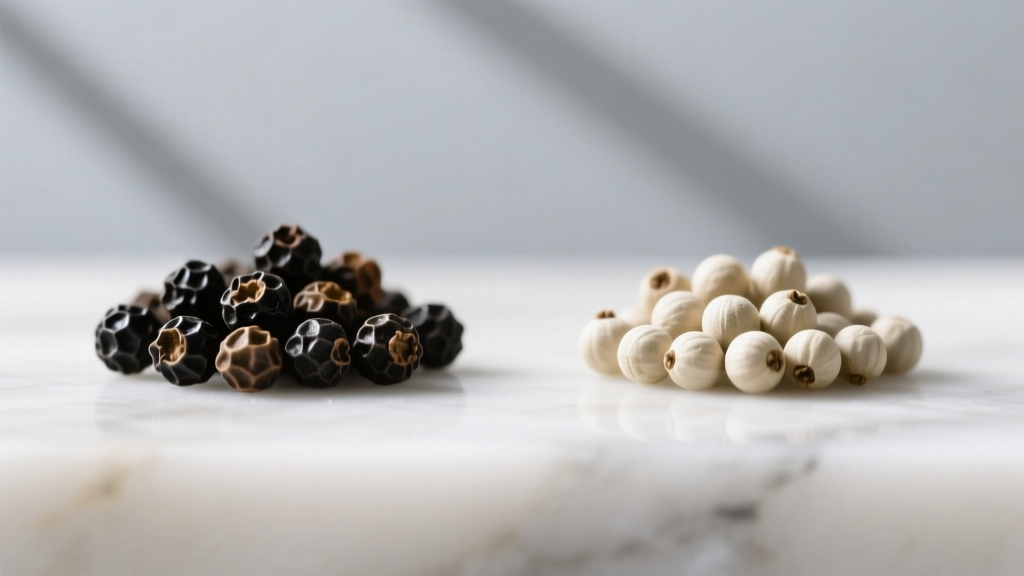
White vs Black Pepper: Key Differences & When to Use Each
Here's the thing – I've messed up more cream sauces than I care to admit by grabbing the wrong pepper jar. You know that sinking feeling when you're halfway through a delicate béchamel and suddenly spot black specks? Yeah, that's why understanding this difference matters way more than most home cooks realize.
How They're Made: It's All About Timing and Skin
Let's cut through the confusion first. Both types start as green berries on the same vine. But here's where the paths split:
| Characteristic | Black Pepper | White Pepper |
|---|---|---|
| Harvest Time | Unripe (green) berries | Fully ripe (red) berries |
| Processing | Dried with outer skin intact | Soaked 7-10 days to ferment and remove skin |
| Key Flavor Compounds | Full volatile oils + piperine | Reduced volatile oils, concentrated piperine |
| Typical Price | $$ | $$$ (more labor-intensive) |
That soaking step for white pepper? It's not just about color. As Lafayette Spices explains, fermentation breaks down the outer layer but also strips away some aromatic compounds. Honestly, this is why white pepper smells kinda funky to some people – think aged cheddar meets damp forest floor.
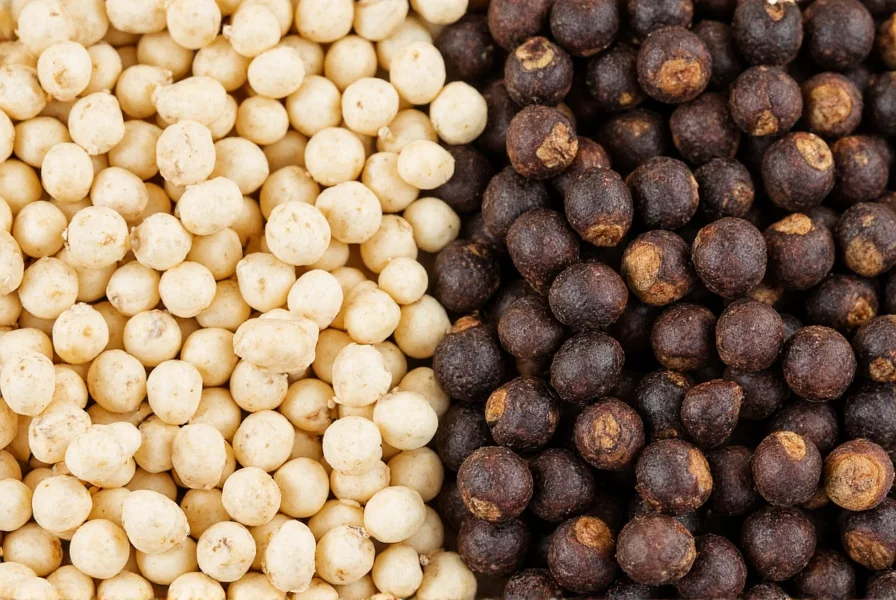
Flavor Truths Chefs Won't Always Tell You
Let's address the elephant in the kitchen: "White pepper is milder" is total nonsense. From what I've seen in 20 years, white pepper actually hits your tongue sharper because the fermentation concentrates piperine (the heat compound). But it lacks black pepper's floral, piney notes since those volatile oils wash away during soaking.
You know what really surprised me? How chefs' attitudes have shifted. Back in the 90s, white pepper was everywhere in fine dining – it was the "clean" choice for pale sauces. But now? Many top kitchens avoid it unless absolutely necessary. Why? That fermented flavor can clash with modern minimalist cooking. As one sous chef told me: "It's like using liquid smoke – sometimes perfect, but easy to overdo."
When to Reach for Which (And When to Avoid Entirely)
Here's my real-world cheat sheet based on what actually works:
- Grab black pepper when: Making anything with visible texture (steaks, roasted veggies), tomato-based dishes, or where you want complex warmth. It's your all-rounder.
- Choose white pepper only when: You're making cream/white sauces, potato puree, or chicken dishes where black specks would look weird. Seriously – this is its only essential job.
- Avoid white pepper entirely in: Delicate seafood (overpowers flavor), clear broths (adds cloudiness), or anything acidic like lemon dressings (makes it taste bitter).
Pro tip: If you're subbing one for the other, use 25% less white pepper. That sharp heat sneaks up on you.
Watch Out for Cheap Knockoffs
Here's something most blogs won't mention: white pepper gets faked way more often than black. Because it's pricier to make, unscrupulous suppliers mix in corn flour or wheat bran. And guess what? FoodNavigator reports these fillers look identical to real white pepper powder.
How to spot fakes:
- Real white pepper smells earthy but clean – if it smells like flour or cardboard, skip it
- Check the label for "100% pure" – reputable brands like Tellicherry or Lampong specify origin
- When ground, real white pepper should feel slightly gritty (not powdery smooth)
Fun fact: ScienceDirect studies show near-infrared testing catches 97% of white pepper fraud because corn flour lacks piperine compounds.
Everything You Need to Know
Nope – it's the opposite. White pepper concentrates piperine during fermentation, giving sharper initial heat. But it lacks black pepper's complex aromatic warmth. Many people think it's milder because the flavor profile is simpler.
Yes, but carefully. Use 25% less white pepper when replacing black (it's sharper). Never swap black for white in cream sauces – those specks ruin presentation. For stews or marinades? Black pepper always wins for depth.
That's actually normal – the fermentation creates earthy, aged-cheese notes. But if it tastes like wet cardboard? Either it's old (pepper loses flavor after 1 year ground) or adulterated with fillers. Buy whole white peppercorns and grind fresh.
Whole peppercorns of either type last 3-4 years in airtight containers. But ground white pepper goes stale faster than black because it lacks protective skin oils. Seriously – if you're not grinding your own, buy tiny amounts of pre-ground white pepper.
No significant nutritional difference. Both contain piperine which aids nutrient absorption. But white pepper's processing removes some antioxidants found in black pepper's skin. Honestly? Choose based on flavor needs, not health claims.
More Articles
 Authentic New Mexican Recipes: Culture, Chiles & Key Dishes
 Tubs Fine Chili: History of Culver City's Closed Restaurant
 Homemade French Onion Soup: Time-Tested Method
 Thyme Seeding: Step-by-Step Guide to Growing from Seed
 Where to Buy Black Cumin (Without the Confusion)
 Cinnamon Muffin Recipe: Triple-Layer Flavor, No Failures
 Perfect Chewy Cinnamon Cookies Recipe (No Chill Time)
 Cardamom Cooking: When & How to Use It Right
 Clover Spice? No, It's Clove Spice – Your Essential Guide
 The Ultimate Cardamom Guide: From Farm to Flavor — Storage, Substitutions, and 12 Proven Uses