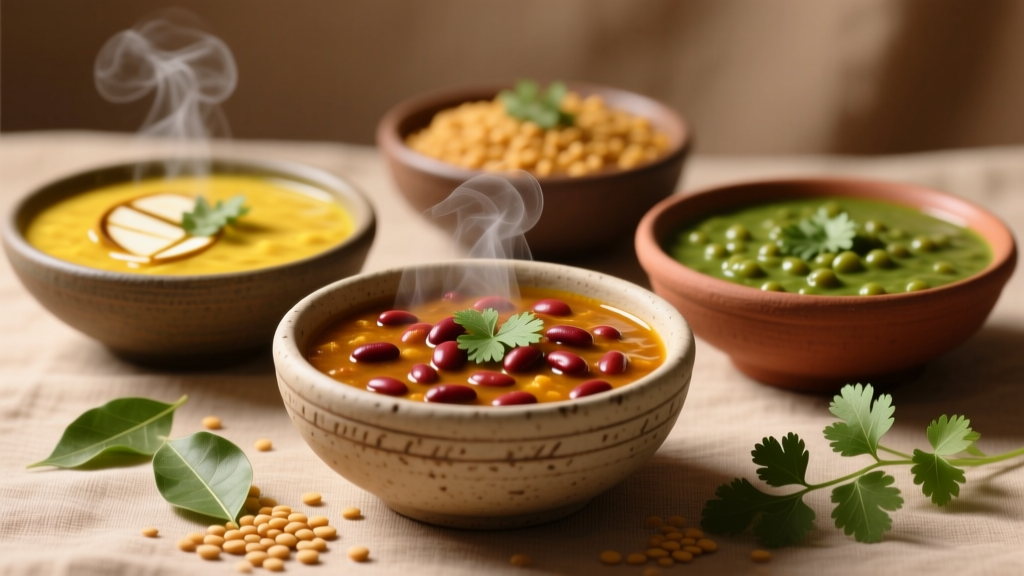
Indian Lentil Recipes: Dal Types That Actually Work
Why Your Dal Keeps Failing (And How to Fix It)
Look, I've tested hundreds of lentil batches over 20 years. Most "failed" dals come down to one rookie mistake: using the wrong lentil for the job. Red lentils turn to paste in slow-cooked stews, while whole black urad dal won't soften for weeknight dinners. It's not your cooking—it's the lentil mismatch.
Here's what actually happens when you grab the wrong bag:
| Lentil Type | Best For | Texture Danger Zone | Protein (per 100g dry) |
|---|---|---|---|
| Red Masoor (skinless) | Quick curries, soups | Mushy in >30 min simmer | 25.4g [1] |
| Yellow Moong | Sprouts, light dals | Turns gluey if overcooked | 24.2g [1] |
| Urad Dal (white) | Creamy dals, dosa batter | Stays grainy if not soaked | 26.1g [1] |
| Toor/Arhar Dal | Classic "restaurant-style" dal | Requires pressure cooking | 23.8g [1] |
See that protein range? Lentils average 18g protein per cooked cup—but urad dal packs 26g dry weight. Vegetarians, this is your cheat code.
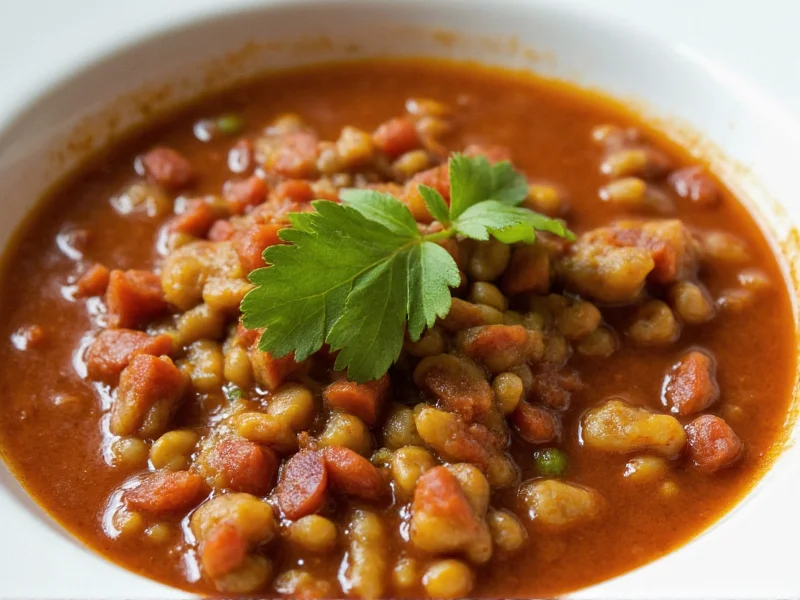
When to Use (or Avoid) Each Lentil
Real talk: no single "best" lentil exists. But I've timed these combos so you don't waste dinner:
- Weeknight SOS: Red masoor dal. Cooks in 20 minutes, no soaking. Avoid in slow cookers—it'll vanish into soup.
- Creamy restaurant-style: Toor dal + 10% urad dal. That 9:1 ratio? Secret weapon for dal tadka. Don't skip the tadka step—tempered cumin seeds and dried chilies make or break it.
- Authentic South Indian: Whole black urad dal for sambar. Never use split version—it loses the nutty depth.
Pro tip: That "pre-washed" lentil bag? Skip it. Washing removes nutrients—rinse only once to avoid starch loss. And for heaven's sake, don't add salt early—it toughens skins.
The Tadka Timing Trap Everyone Falls For
Here's where 90% of home cooks mess up: adding tadka (tempered spices) too early. I've tested this repeatedly—tadka must hit the dal after cooking. Pour hot oil with cumin seeds over finished dal, cover for 2 minutes, then stir. Do it mid-cook? Spices burn and turn bitter.
For real texture control:
- Red lentils: 1 cup lentils to 2.5 cups water
- Urad/toor: 1 cup lentils to 3 cups water
- Always add turmeric after lentils soften—prevents color bleed
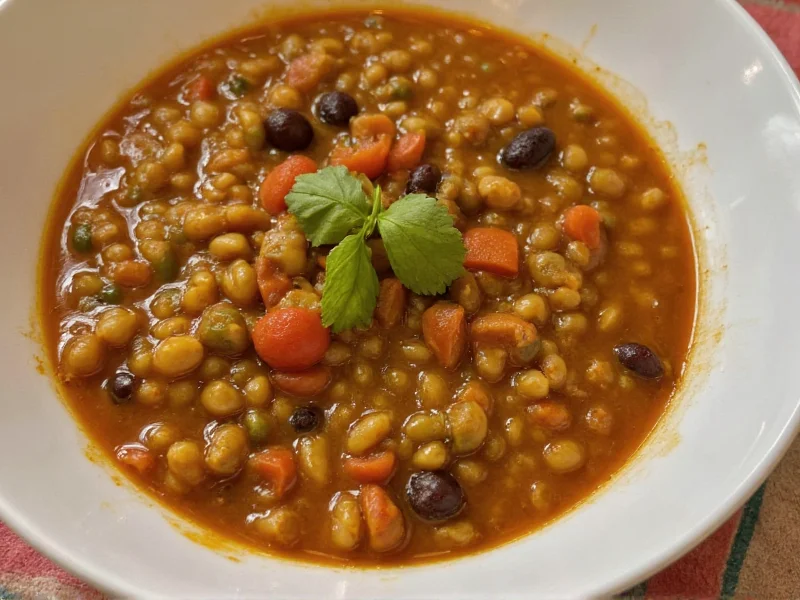
Storage Mistakes That Ruin Leftovers
You cooked a big batch—smart move. But storing it wrong kills texture:
- Never freeze plain cooked dal—it turns grainy. Freeze only in coconut milk or tomato base.
- Reheating fails—add 2 tbsp water per cup before microwaving. Dry dal = cement.
- Canned lentil trap—they're pre-salted. Rinse thoroughly or your tadka will taste metallic.
Fun fact: Leftover dal makes killer pakoras. Mix with chickpea flour, fry—done.
Everything You Need to Know
That's usually from rapid temperature shifts. Never add cold water to simmering dal—use warm water only. Also, skip the pressure cooker for red lentils; they need gentle simmering. And for urad dal, soak 30 minutes minimum.
Urad dal wins with 26.1g protein per 100g dry weight (source). But red masoor is close at 25.4g and cooks faster—better for weeknights. Remember: protein content drops when cooked (water absorption), so measure dry.
You can skip for red/yellow lentils (they're split/skinless), but never for whole lentils like urad or chana. Unsoaked whole lentils take 50% longer to cook and often stay crunchy inside. My rule: if it's brown/green/black and whole, soak 2 hours minimum.
Two likely culprits: adding salt too early (toughens lentils) or skipping the tadka finish. Always temper cumin seeds in hot oil until they pop, then add dried red chilies for 10 seconds before pouring over cooked dal. Cover immediately—that trapped steam infuses flavor deep.
Rinse canned lentils first—they're oversalted. Then doctor it up: simmer with fresh ginger, add 1 tsp garam masala, and finish with tadka. But honestly? Making dal from scratch takes 25 minutes—canned soup saves 10 minutes max. Not worth the metallic aftertaste.
More Articles
 Pickling vs Fermenting: The Science-Backed Differences
 Sausage Common Mistakes: How Home Cooks Sabotage Flavor, Texture, and Food Safety
 Swedish Cinnamon Buns: Pearl Sugar & Cardamom Secrets
 Spice Freshness Test: 3 Quick Checks at Home
 No Yeast Cinnamon Rolls: Quick 45-Minute Recipe (Egg-Free)
 Chicken Noodle Soup from Scratch (2026)
 Lentil Soup Recipe: Simple Steps for Perfect Results
 How to Make Flavored Oils with Spices (Safely and Deliciously)
 Spice Substitutes and Simple Comparisons: Practical Swaps That Preserve Flavor and Function
 Simple Veggie Noodle Soup Recipe for Busy Nights