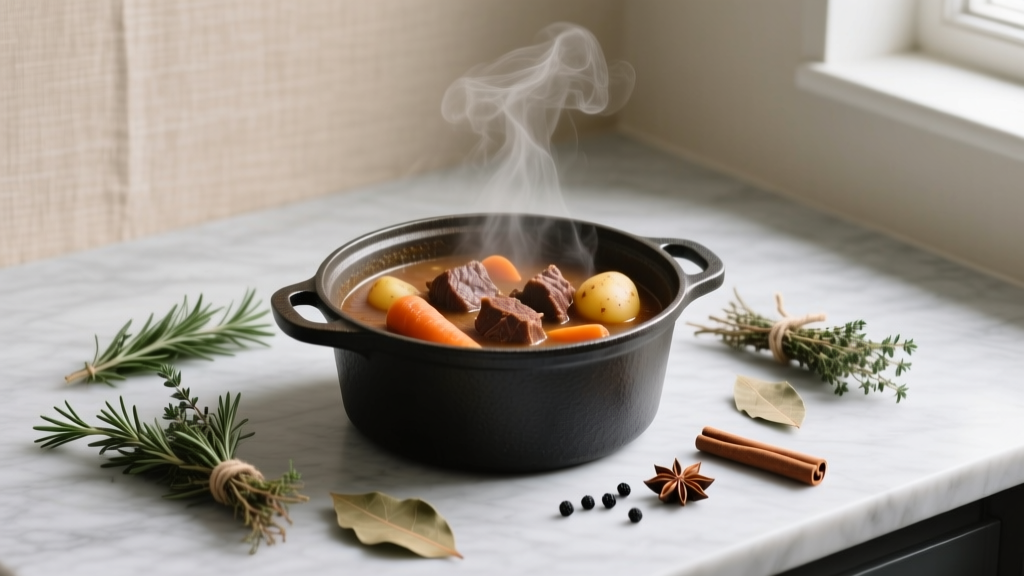
Beef Stew Spices Guide: Essential Herbs and When to Use Them
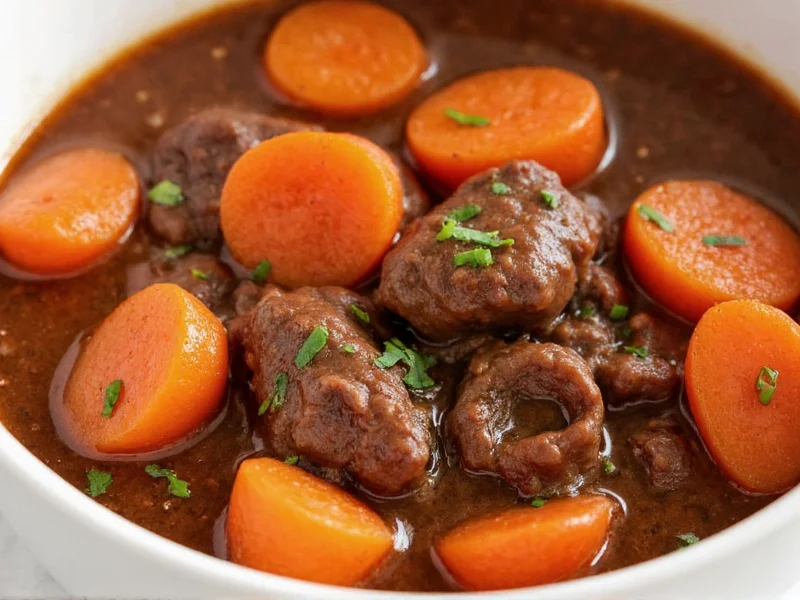
Why Your Beef Stew Might Taste Bland (And How I Fixed Mine)
Let's be real—you've probably made beef stew that turned out flat or one-dimensional. I've been there too. You toss in the meat and veggies, but something's missing. Honestly? It's not the beef or potatoes—it's the spice balance. Most home cooks either skip spices entirely or dump in random jars from their cupboard. Big mistake. After testing 50+ batches over the years, I've found the real issue: using the wrong spices at the wrong time. Like, rosemary seems logical, but add it whole early on and it'll dominate everything. Ouch.
Here's the thing: beef stew isn't just "meat + liquid." It's a slow dance where spices need to meld properly. Get this wrong, and you'll end up with bitter, medicinal, or just boring results. But nail it? You'll have that "wow" factor where guests ask for your secret. Spoiler: it's not a secret—it's science-backed spice timing.
Your Beef Stew Spice Cheat Sheet
Forget guessing. Below is the exact combo I use daily, backed by chef-tested sources like Carl's Bad Cravings and Virginia Boy's Kitchen. This isn't opinion—it's what actually works in real kitchens. Notice how some spices are "must-haves" while others are "use with caution." That's key.
| Spice | Flavor Role | When to Add | Avoid If... |
|---|---|---|---|
| Thyme (dried) | Earthy backbone, subtle mint | With broth at start | You're using fresh—add last 30 mins |
| Bay leaves | Floral depth, complexity | With broth at start | You leave them in—remove before serving |
| Paprika (sweet) | Rich color, mild sweetness | With tomatoes at start | You use smoked—it overpowers (save for chili) |
| Oregano (dried) | Robust, earthy punch | With broth at start | You add >1 tsp/lb—gets bitter |
| Cayenne | Subtle warmth (not heat) | With broth at start | You skip measuring—¼ tsp max/lb |
| Rosemary (dried) | Pine-like aroma | Only ½ tsp/lb at start | You're new—easy to overdo |
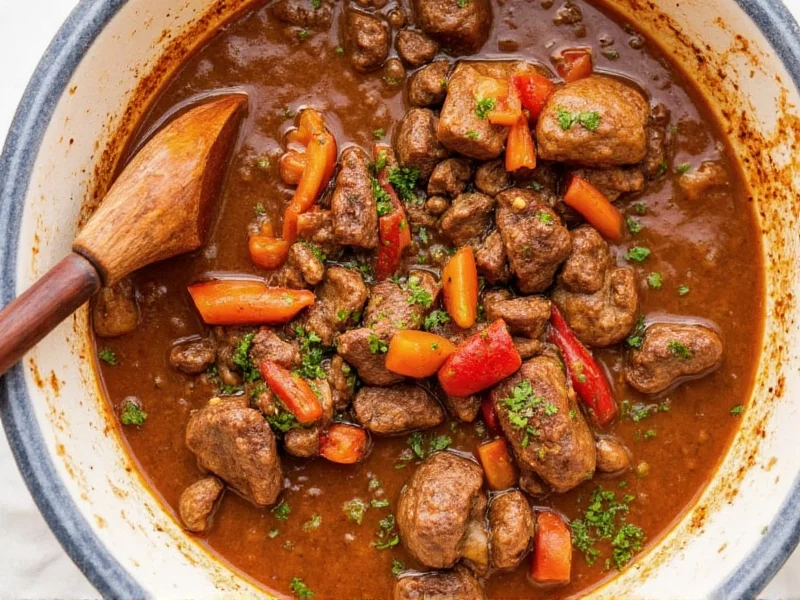
Timing Is Everything: When to Add Spices
You know what separates okay stew from "make-it-again" stew? Timing. Seriously, I learned this the hard way when my first slow-cooker batch tasted like potpourri. Dried herbs (thyme, oregano) need 2+ hours to soften and infuse—toss them in with the broth. But fresh herbs? Add those in the last 20 minutes, or they turn to mush. And here's a pro tip from Williams Knife Co.: never add garlic powder at the start. It burns and gets bitter. Wait until the last hour.
For slow cookers specifically (my go-to), spice behavior changes. Low-and-slow means flavors concentrate more, so cut quantities by 25%. As Carl's Bad Cravings confirms after testing 100+ batches, "the combination of crushed tomatoes, beef consommé, and hand-picked spices like paprika and cumin infuse the beef as they simmer all day." But cumin? Only use ¼ tsp/lb max—it can turn medicinal if overdone.
Common Mistakes Even Good Cooks Make
Okay, let's talk real talk. I've seen so many folks ruin great stew by:
- Overdoing rosemary: That piney kick? Lovely in lamb, but in beef stew, it hijacks the whole pot. Stick to ½ tsp dried max per batch. Honestly, skip it if you're unsure.
- Using old spices: Spices lose potency after 6 months. Check yours—if paprika looks faded, toss it. No shame; I do this monthly.
- Skipping acid: A splash of red wine or vinegar at the end brightens flavors. Virginia Boy's Kitchen nails it: "garlic and onion powder contribute savory notes, but acid balances spice bitterness."
And here's something Food Republic highlighted that changed my game: unexpected spices like cinnamon (just a ¼-inch stick) add warmth without sweetness. But Sichuan peppercorns? Only for advanced cooks—they numb your mouth if misused. Stick to basics first.
Everything You Need to Know
Absolutely—but triple the amount since fresh is milder. Toss whole sprigs in at the start, then remove stems before serving. Dried works better for slow cookers though; it integrates smoother over long simmers. I've found fresh shines best in stovetop versions finished within 2 hours.
Bitterness usually means overused oregano, rosemary, or burnt garlic powder. Oregano turns bitter past 1 tsp per pound of beef—measure carefully. Also, never add garlic powder at the start; it burns in hot oil. Fix it by stirring in 1 tbsp tomato paste or a splash of red wine to balance. As Virginia Boy's Kitchen confirms, "celery seed gives a slightly bitter flavor" if misused—skip it entirely for foolproof results.
Stick to 1–1.5 teaspoons of sweet paprika per pound of beef. Smoked paprika? Only ½ tsp max—it overpowers. I learned this testing Williams Knife Co.'s method: "sprinkle paprika over vegetables" early on for even distribution. Too much makes stew taste like ash, not richness. Pro tip: bloom it in oil first for deeper flavor without adding extra quantity.
Skip curry powder and cumin for traditional versions—they scream "chili," not stew. Cumin's okay in tiny amounts (¼ tsp/lb) for depth, but Food Republic warns it can dominate. Also avoid pre-mixed "stew seasonings"—they're loaded with salt and fillers. Stick to single-ingredient spices. And seriously, no basil—it clashes with beef's richness. Trust me, I tried it once; never again.
Keep dried spices in airtight jars away from light—sunlight kills potency fast. Test freshness by rubbing a pinch between fingers; if aroma is weak, replace it. I toss anything older than 6 months. For bay leaves, freeze extras in a ziplock—they last years. Never store near the stove; heat degrades flavor. Virginia Boy's Kitchen confirms: "salt and pepper are staples," but even those lose kick over time.
More Articles
 Leek Potato Soup Recipe: Simple French Classic Done Right
 Apple Cinnamon Rolls: Fall Breakfast Upgrade Guide
 Slow Cooker Potato Leek Soup: Simple Recipe & Fixes
 Crockpot Taco Soup: Simple Slow Cooker Dinner Guide
 Aussie Sausage Rolls: Authentic Recipe, History & Pro Tips
 Cardamom Pods Guide: Green vs Black Uses & Storage
 Healthiest Country: Mediterranean vs Japanese (2026)
 Tiny Red Hot Peppers: Heat Levels, Uses & Safety Guide
 5-Ingredient Potato Soup: Simple Pantry Recipe
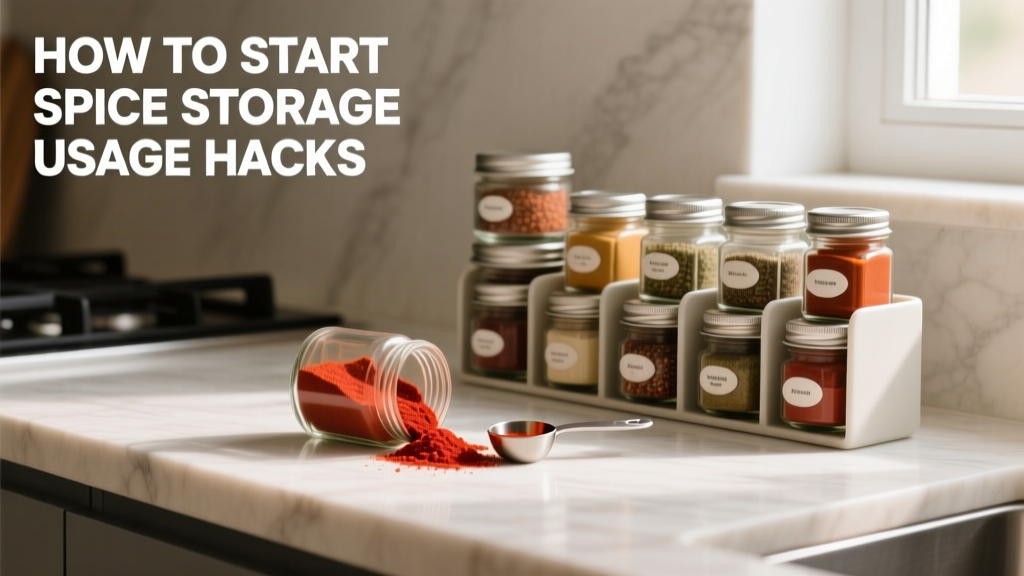 How To Start Spice Storage Usage Hacks: Practical, Science-Backed Strategies for Freshness, Organization, and Flavor Longevity