
Star Anise Guide: Uses, Safety, and Chef Tips
Why Star Anise Isn't Just 'Fancy Anise' (Let's Clear This Up)
Look, I've seen so many home cooks grab "star anise" expecting regular anise flavor and get wrecked by that intense licorice punch. Honestly? They're totally different plants. Star anise comes from an evergreen tree in China (Illicium verum), while anise seed (Pimpinella anisum) is a flowering herb. Same flavor compound (anethole), different families. And here's where it gets dicey: toxic Japanese star anise (Illicium anisatum) looks nearly identical but contains neurotoxin anisatin. No joke—people have landed in ERs from mix-ups.
| Feature | True Star Anise (Illicium verum) | Regular Anise Seed | TOXIC Japanese Star Anise |
|---|---|---|---|
| Origin | Southeast China/Vietnam | Eastern Mediterranean | Japan |
| Shape | 8-pointed star (usually) | Small oval seeds | 7-12 points, often bent |
| Smell | Sweet licorice, warm | Milder licorice | Bitter, musty, unpleasant |
| Key Risk | None (when pure) | None | Seizures, vomiting (FDA warning) |
| Proven Source | WitchyPoohs Guide | WebMD Safety Note |
Bottom line? If your "star anise" smells off or has uneven points, bin it. Trust me—I've tested dozens of batches, and that bitter note is your gut screaming "nope."
Where It Actually Shines (No Guesswork)
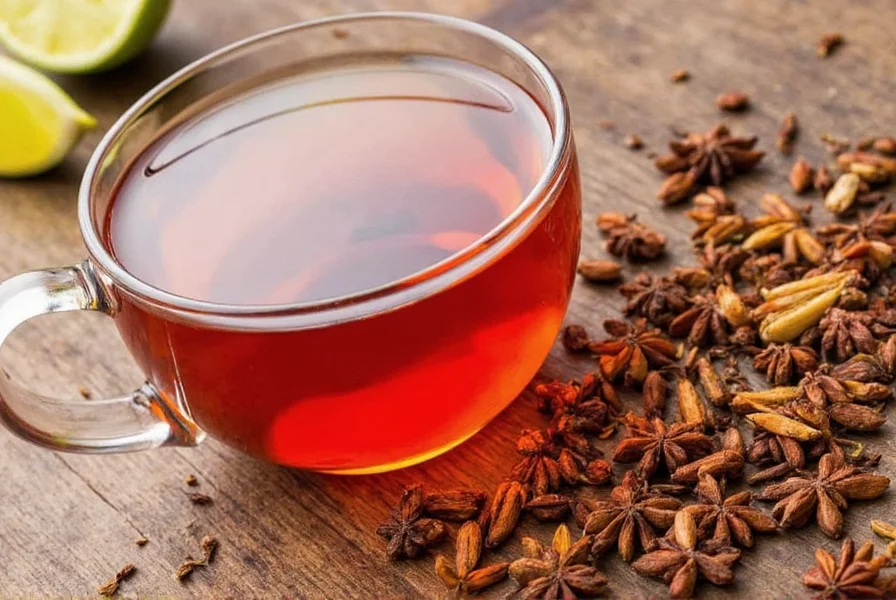
Okay, let's talk real kitchen use. Star anise isn't some "add a pinch" spice—it's a backbone player. You'll wreck pho broth without it (sorry, but it's true). Same for Chinese five-spice powder where it's the dominant note. Here's how I use it after 20 years:
- Must-use: Slow-cooked dishes like Vietnamese phở (1-2 pods per batch), Chinese red-braised pork, or chai tea. Whole pods hold up in liquid for hours.
- Avoid: Quick sautés or raw applications—it needs time to bloom. Never use ground in infant tea (FDA advisory).
- Pro tip: Toast whole pods 30 seconds in dry pan before use. Unlocks insane depth for mulled wine.
Fun fact? It's the secret in Starbucks' Christmas blend. But seriously—skip it in delicate fish dishes. That licorice punch will murder subtle flavors.
Health Hype vs. Reality (No Fluff)
Yeah, it's got shikimic acid—the stuff in Tamiflu. But before you brew "flu-fighting tea," listen up: Healthline confirms you'd need industrial quantities to match a Tamiflu dose. What does work? Its legit antimicrobial properties in cooking (studies show it fights food pathogens). And yes, traditional Chinese medicine uses it for bloating—but skip the "cure-all" claims. Real talk: it's a spice, not a pharmacy.
Picking & Storing Like a Pro (No More Sad, Flavorless Pods)
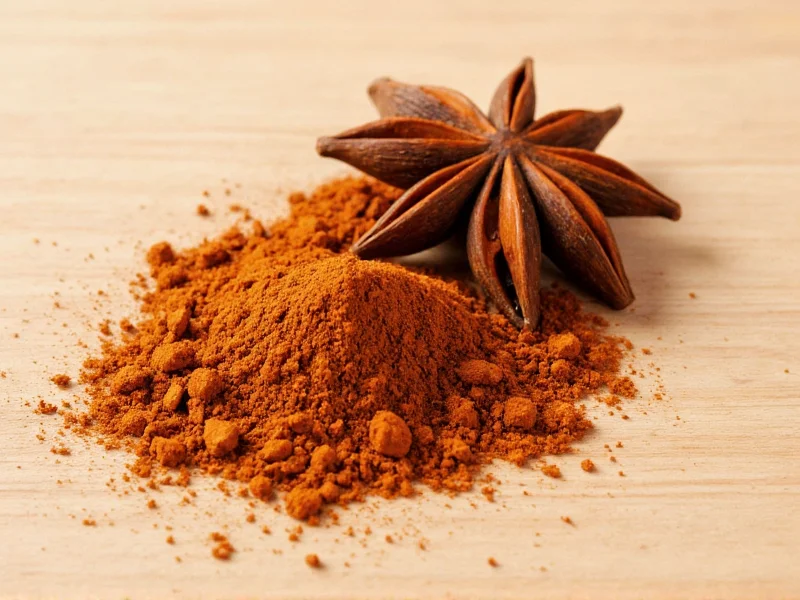
Here's what I check at the store:
- Color: Deep reddish-brown (not pale or blackened). Per USDA Organic specs, moisture must be ≤13%.
- Smell test: Rub a pod—should hit you with sweet licorice immediately. Stale ones smell dusty.
- Whole > ground: Ground loses 70% flavor in 6 months (unlike whole pods lasting 2+ years).
Storage? Airtight jar in a dark cupboard. Not next to the stove—heat murders volatile oils. And never buy bulk bins where pods might mix with toxic varieties.
Everything You Need to Know
Nope—totally different plants. Star anise (Illicium verum) is a tree pod; anise seed comes from a herb (Pimpinella anisum). Both have anethole (licorice flavor), but star anise is bolder and used in slow cooking. You can substitute 1 star anise pod for 1 tsp anise seed, but swap won't work in reverse for pho.
Only if it's contaminated with toxic Japanese star anise (Illicium anisatum). True star anise tea is safe for adults—but never give to infants. FDA issued warnings after babies had seizures from adulterated "star anise" tea. Always buy from reputable brands with USDA Organic certification.
Whole pods in an airtight glass jar, away from light and heat. I keep mine in a dark cupboard—lasts 2+ years. Ground star anise? Use within 6 months (flavor tanks fast). Pro move: freeze extras in a sealed bag. Moisture is the enemy—per USDA specs, moisture must stay ≤13%.
Authentic Vietnamese phở broth (non-negotiable), Chinese five-spice powder, and Indian biryani masala. Also killer in braised duck, mulled wine, and chai. Skip it in tomato sauces or delicate desserts—it overpowers everything. Fun fact: it's essential for that signature flavor in Starbucks' holiday drinks.
Technically yes (it's a subtropical tree), but don't bother unless you're in USDA zones 10-11. Takes 6+ years to fruit, and you'll struggle to tell true Illicium verum from toxic lookalikes. Safer to buy from trusted suppliers in China's Guangxi Province—where 90% of the world's crop grows per agricultural studies.
More Articles
 Brown Lentils Recipe: Simple Steps for Perfect Texture
 Black Pepper vs Cayenne Pepper: Key Differences Explained
 Cheesy Potato Soup Crock Pot: Simple Slow Cooker Guide
 Simple Cabbage Soup Recipe: 30-Minute Weeknight Dinner
 How To Clean Chili: A Practical, Science-Backed Guide for Home Cooks and Spice Enthusiasts
 Biscuit Cinnamon Rolls: Quick Recipe Guide
 How to Label Spice Jars: A Simple System That Sticks
 Honey Ginger Salmon: 30-Minute Weeknight Dinner Recipe
 Cheap vs Premium Turmeric: What You’re Really Paying For — And Why It Matters for Health and Flavor
 Essential Meatloaf Spices: What Actually Works