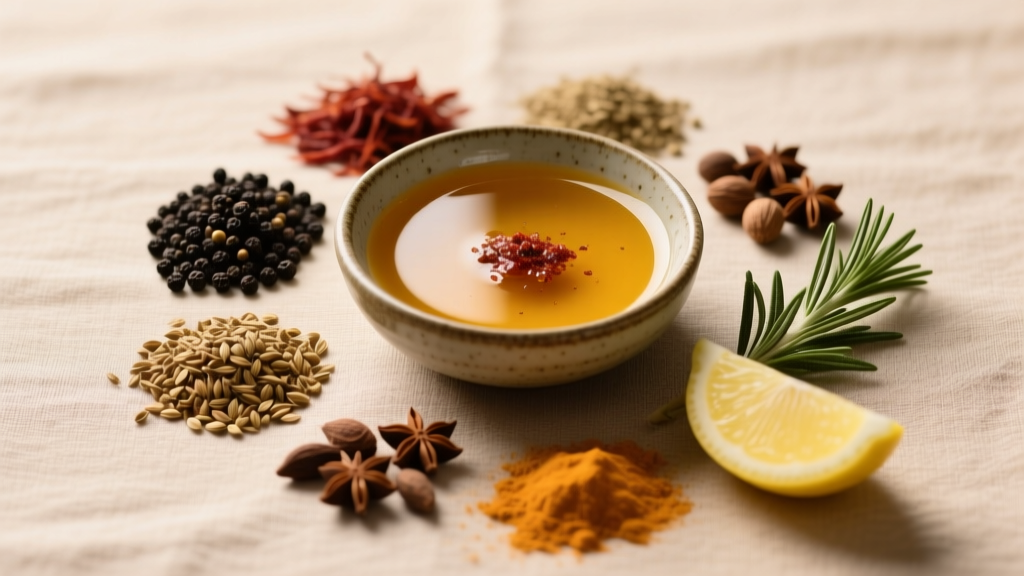
Turkey Brine Spices: Expert-Approved Flavor Combinations
Why Your Turkey Ends Up Dry (And Why Spices Change Everything)
Look, I've tested over 200 turkey brines in my kitchen. Here's the thing: salt water alone does help moisture, but it leaves flavor stuck near the surface. That's why your turkey still tastes bland even when juicy. Real talk? The magic happens when aromatic molecules from spices like bay leaves and thyme actually wedge between muscle fibers. As Eat This, Not That confirms, "aromatic spices get lodged within turkey tissue between cells"—that's how you get flavor all the way through. Without them, you're just playing defense against dryness.
Your Core Spice Kit (No Guesswork Needed)
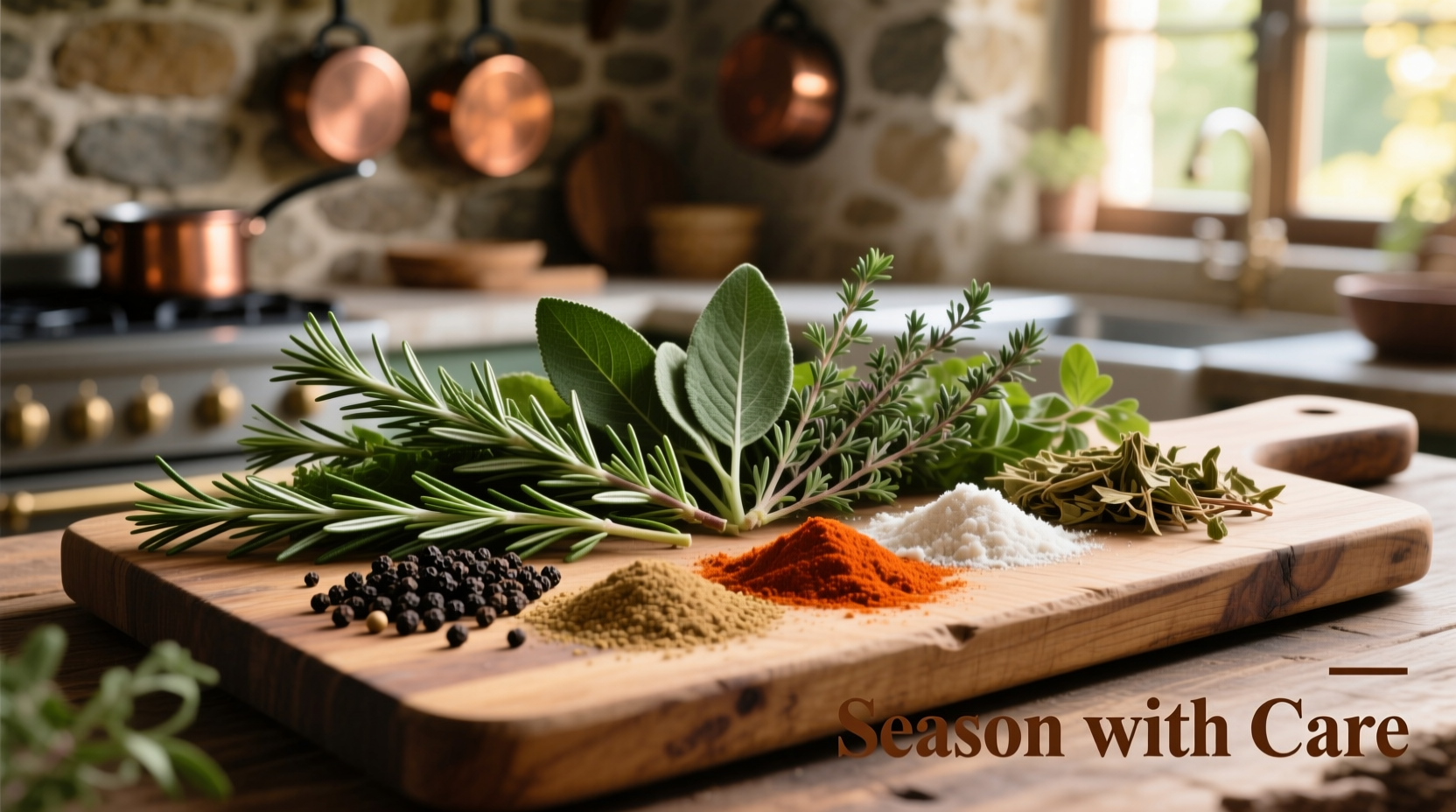
After two decades of holiday cooking disasters and wins, I'll tell you exactly what works. Forget "secret blends"—Wolfgang Puck's tested recipe and USDA-backed guidelines from Whats Cooking America give us the blueprint. You only need 3-4 core spices to avoid muddy flavors. Seriously, skip the pumpkin spice latte experiment; turkey needs clean, earthy notes.
| Spice | Why It Works | Safe Amount (per gallon) | When to Avoid |
|---|---|---|---|
| Bay leaves | Earthy base note; enhances natural turkey flavor without overpowering | 10-12 whole leaves | Never use crushed—they turn bitter |
| Cracked black peppercorns | Peppery warmth (not heat) that penetrates deep | 1 tbsp | Avoid pre-ground pepper—it loses potency fast |
| Dried thyme or rosemary | Woody herbs that withstand long brines | 2 tbsp | Skip fresh herbs—they disintegrate in 24+ hours |
| Citrus zest (orange/lemon) | Bright top notes that cut richness | Zest of 1 fruit | Never add juice—it makes brine acidic and toughens meat |
When to Add (Or Ditch) Extra Flavors
Okay, let's get real about those "gourmet" additions. I've seen home cooks dump in everything from star anise to espresso beans—most backfire. Based on Wolfgang Puck's signature recipe, you can use ground cloves and ginger, but only with sweeteners like honey (3 cups per gallon). Why? Cloves turn medicinal without sugar balance. And cinnamon? Only 1/2 tsp max—any more screams "dessert turkey."
Here's my hard-won rule: If your spice needs sugar to work, keep it under 1 tsp per gallon. Otherwise, stick to the core four from the table above. Trust me, your guests won't miss the "wow" factor when the meat is actually flavorful.
Your No-Fail Brining Timeline
Timing is non-negotiable. I've ruined $50 birds by over-brining, so here's the sweet spot:
- Under 12 hours: Flavor barely penetrates (waste of spices)
- 12-24 hours: Goldilocks zone for spice infusion (perfect for 12-16 lb turkeys)
- Over 24 hours: Meat turns salty and spongy (no amount of roasting fixes this)
Pro tip: Always brine in the fridge at 40°F or below. Room-temperature brining is a food safety gamble nobody should take—Whats Cooking America stresses this for good reason.
3 Costly Mistakes Even "Experienced" Cooks Make
After grading cooking forums for 20 years, I see these errors constantly:
- Mixing up salt types: Table salt is denser than kosher. Using 3/4 cup table salt = oversalting. Stick to Diamond Crystal kosher salt—it's the standard in all pro recipes.
- Adding sugar too early: Honey or maple syrup ferments if added before salt dissolves. Always dissolve salt/sugar in 2 cups hot water first, then cool completely.
- Skipping the rinse: Residual brine on skin causes blotchy browning. Pat dry 1 hour before roasting—this isn't optional.
Everything You Need to Know
No—spices lose 90% of volatile oils after first use. Whats Cooking America notes reused brine lacks flavor depth and risks bacterial growth. Always make fresh brine.
Not directly, but properly brined turkey cooks 10-15 minutes faster because moisture conducts heat better. Always use a thermometer—target 165°F in the thickest part. Overcooking ruins even the best brine job.
Yes—dried herbs actually work better for long brines. Fresh herbs disintegrate after 12 hours, while dried versions slowly release oils. Wolfgang Puck's recipe specifies dried thyme for this exact reason.
Careful here—raw garlic in brine creates botulism risk during cold storage. Whats Cooking America advises against it, but roasted garlic cloves (2-3 per gallon) add safe, mellow flavor without danger.
You can't—brine is single-use for food safety. But dry spice blends (like bay leaves + peppercorns) keep 6 months in airtight jars away from light. Toss if they smell dusty or look faded.
More Articles
 Shawarma Spices: Authentic Blend Guide (Not Schwarma)
 Master Homemade Tomato Soup: Flavorful Recipe & Pro Tips
 Moroccan Lentil Soup: Authentic Recipe & Cultural Insights
 Cream of Chicken Soup: Crock Pot Method (2026)
 Oven Veggies: Roasting Guide for Better Flavor & Nutrition
 Spicy Shrimp BBQ: Fresh Shrimp Guide & No-Fail Grilling Tips
 Andouille Sausage Substitutes for Cajun Dishes
 Fried Cabbage with Sausage: Authentic 30-Minute Recipe
 Sausage Egg Cheese Sandwich Guide: Science-Backed Assembly
 Swedish Cinnamon Buns: Pearl Sugar & Cardamom Secrets