Is Parsley Spicy? The Truth for Home Cooks
Why Everyone Thinks Parsley Might Be Spicy (And Why They're Wrong)
Let's be real—you've probably tossed parsley into a salsa or chili expecting a kick, right? Happens all the time. I've seen it in home kitchens for 20 years: folks confuse "herb" with "spice" because both season food. But here's the tea: spices come from bark, seeds, or roots (like cumin or cinnamon), often packing heat. Herbs like parsley grow on leafy plants and stay refreshingly mild. Honestly, parsley's "peppery" rep? It's just a subtle earthy note—not actual spice. Think of it like black pepper's distant cousin who skipped the heat gene.
Herb vs. Spice: The Quick Reality Check
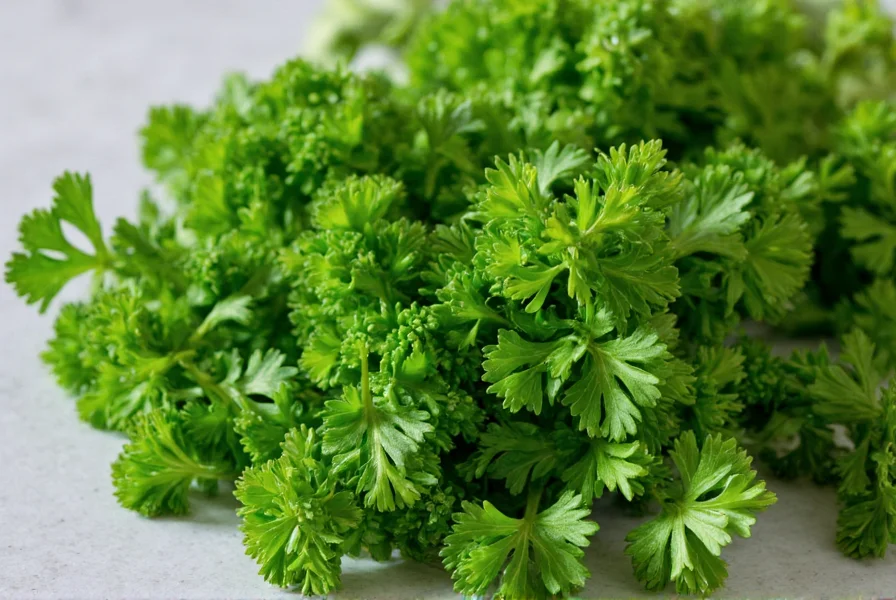
Okay, let's clear this up once and for all. Calling parsley "spicy" is like calling water "sparkling"—it misses the point entirely. I dug into culinary databases and trusted sources like Spade to Fork, which confirms: "Curly parsley is very mild compared to flat leaf parsley and has a grass-like flavor." Flat-leaf? "Bold, fresh and aromatic"—not fiery. Meanwhile, Sonshine Kitchen nails it: parsley has "a more peppery taste with a hint of earthy tones," but crucially adds that this "is different from spicy." See the gap? Peppery ≠ spicy. Got it?
| Plant | Flavor Profile | Heat Level (Scoville) | Best For |
|---|---|---|---|
| Parsley (flat-leaf) | Fresh, grassy, earthy hint | 0 (no capsaicin) | Garnishes, tabbouleh, pesto |
| Cumin (spice) | Earthy, smoky | 0 (but feels warm) | Tacos, chili, stews |
| Cayenne (spice) | Sharp, intense heat | 30,000–50,000 | Hot sauces, Cajun rubs |
| Black pepper | Pungent, sharp | 100–500 (mild "heat") | Finishing steaks, soups |
When to Use Parsley (and When to Skip It)
So you're cooking dinner and wondering: "Does this need parsley?" Here's my no-BS guide from decades of tweaking recipes:
✅ Use parsley when: You want freshness without overwhelming heat. Think Mediterranean salads, lemon-dill fish, or as a last-minute garnish on creamy soups. Flat-leaf shines in gremolata (that zesty lemon-parsley mix for osso buco), while curly looks pretty on plating. Pro tip: Toss it in after cooking—heat kills its delicate flavor.
❌ Avoid parsley when: You're building actual heat. If your dish needs kick—like buffalo wings or kimchi—parsley just waters it down. Also skip it in spice-heavy rubs; it clashes with smoked paprika or ghost pepper flakes. Fun fact: I once saw a chef dump parsley into mole sauce... total flavor trainwreck. Stick to cilantro for those scenarios.
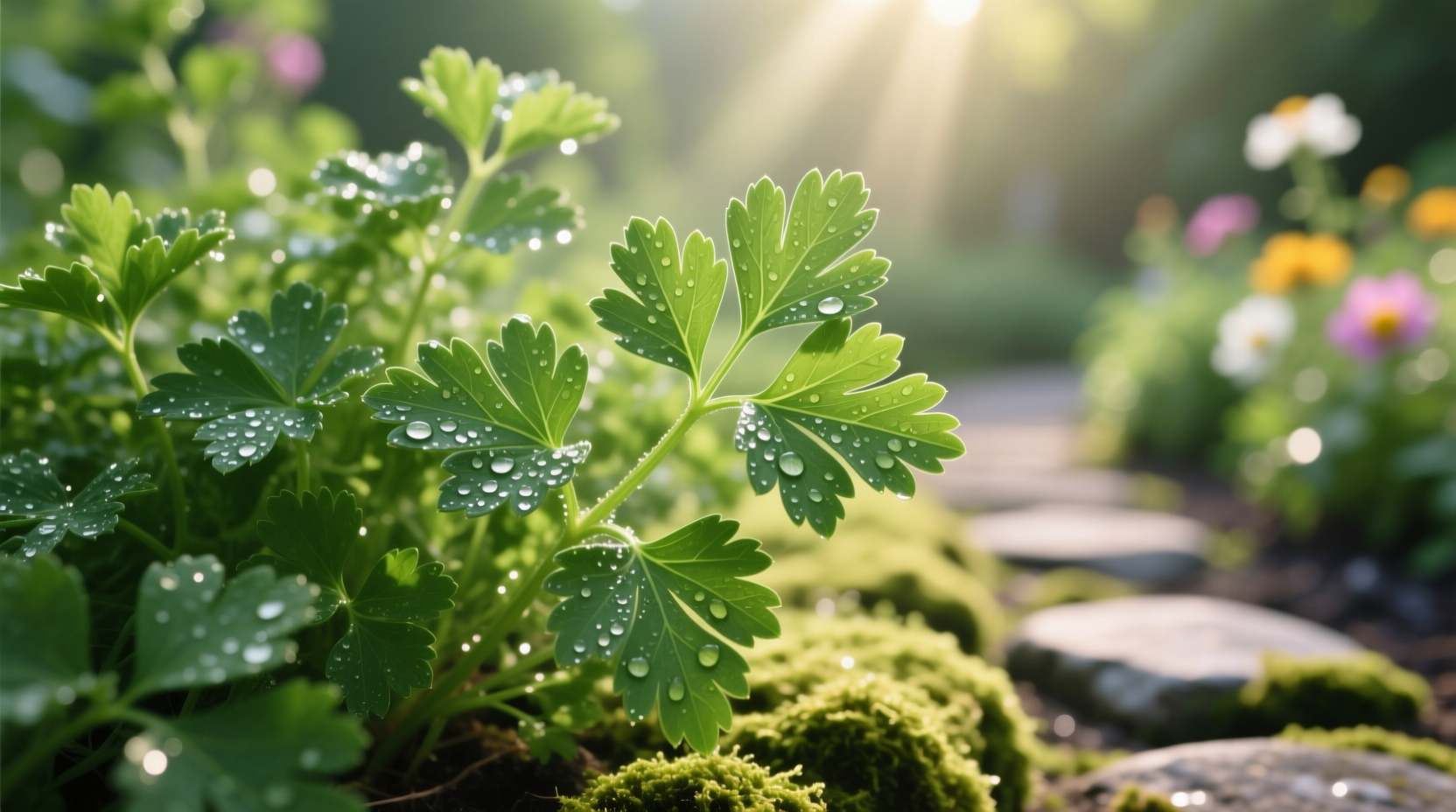
Flat-Leaf vs. Curly: Which One Won't Let You Down?
Alright, let's settle the parsley wars. Flat-leaf (Italian parsley) has deeper flavor—think basil's chill cousin—so it holds up in cooked dishes like pasta sauces. Curly? Super mild, almost like celery leaves, perfect for garnishing without stealing the show. But neither brings heat. Seriously, if you're hunting spice, check your paprika stash. And heads-up: dried parsley? Tastes like dusty grass. Fresh is non-negotiable for real flavor.
Common Mistakes That Make Parsley Taste "Off"
Here's where things go sideways: People treat parsley like cilantro (totally different vibe) or assume it adds depth to spicy curries (nope—it fades). Worst offender? Cooking it too long. Simmer parsley for 10+ minutes and you get bitter, muddy notes. Just chop it raw and sprinkle on top. Also, don't confuse it with culantro—a Latin American herb that's actually spicy-hot. Seen that mix-up ruin salsa verde more times than I can count.
Everything You Need to Know
No way. Parsley has zero capsaicin (the compound that makes chilies hot). Its "peppery" note is a mild earthy flavor, like the aftertaste of black pepper—but not spicy. If you need heat, reach for cayenne or jalapeños instead.
Sure, but sparingly. It adds freshness to balance heat—like in ceviche or spicy lentil soup—but never contributes spice itself. Overdo it, and the mild parsley flavor gets lost. Stick to garnishing at the end.
Treat it like flowers: Trim stems, place in a glass of water, cover loosely with a bag, and refrigerate. Change water every 2 days. Dried parsley? Skip it—it loses 90% of flavor. Fresh lasts 1-2 weeks this way.
Cilantro works for freshness (but tastes citrusy, not earthy). For cooked dishes, try chervil or celery leaves. Avoid mint or basil—they're too bold. And never substitute spicy herbs like oregano; they'll dominate your dish.
Absolutely. It's packed with vitamin K and antioxidants. Unlike spicy foods, it won't irritate sensitive stomachs—great for digestion. But no, it won't boost metabolism like cayenne. Think of it as a nutritional sidekick, not a firestarter.
Bottom line? Parsley's your go-to for bright, clean flavor—not heat. Use it right, and it elevates dishes without burning your tongue. Mess it up, and you're left wondering why your "spicy" stew tastes like lawn clippings. Keep it fresh, add it late, and never call it spicy again.
More Articles
 DIY Chef Ideas: Practical, Budget-Savvy Kitchen Hacks You Can Build Today
 Ground Beef & Cream of Mushroom Soup (2026)
 Cardamom Cooking: When & How to Use It Right
 Roasted Cauliflower Soup: Creamy Without Cream
 Cayenne Pepper Seeds: Planting Guide & Heat Insights
 How to Label Spice Jars: A Simple System That Sticks
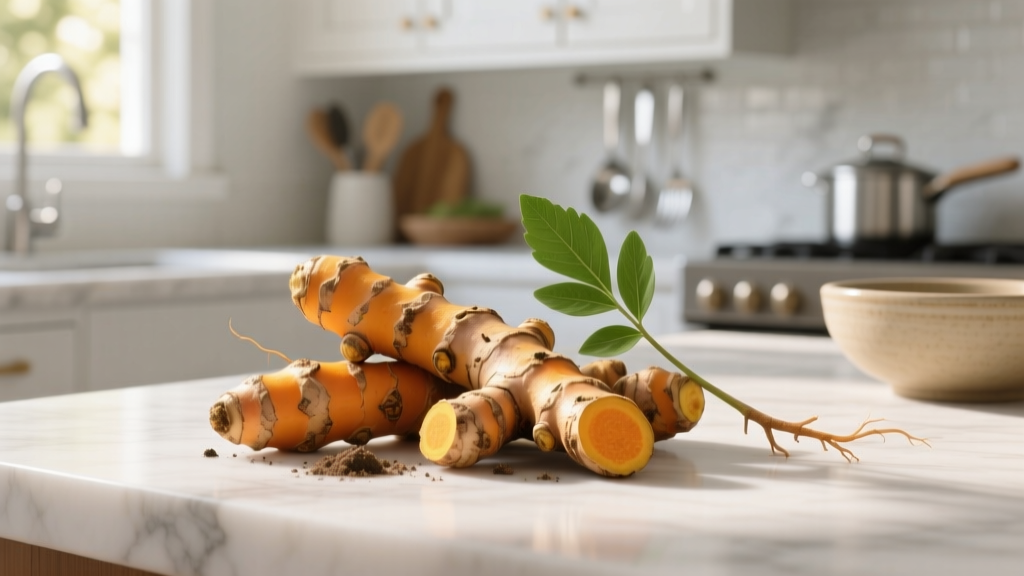 Turmeric Roots: Your Practical Guide to Fresh Turmeric
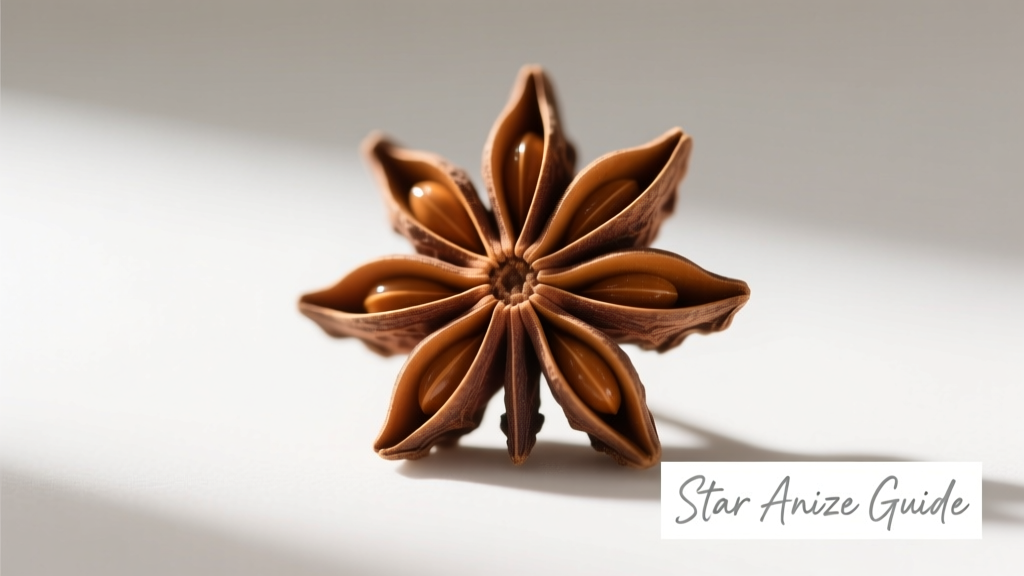 Star Anise Guide: Uses, Safety, and Chef Tips
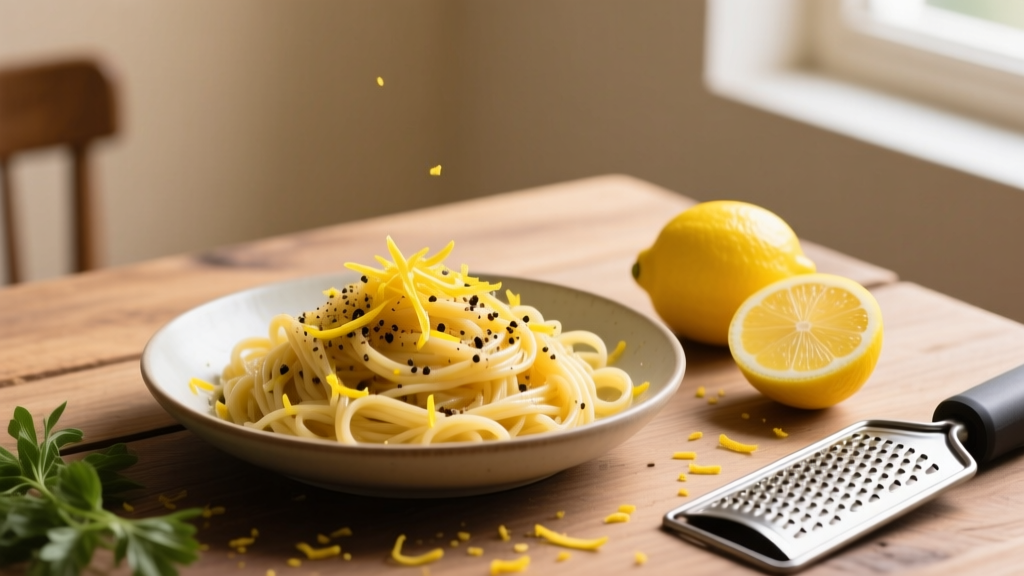 Lemon Pepper Pasta: Why Fresh Zest Beats Juice Every Time
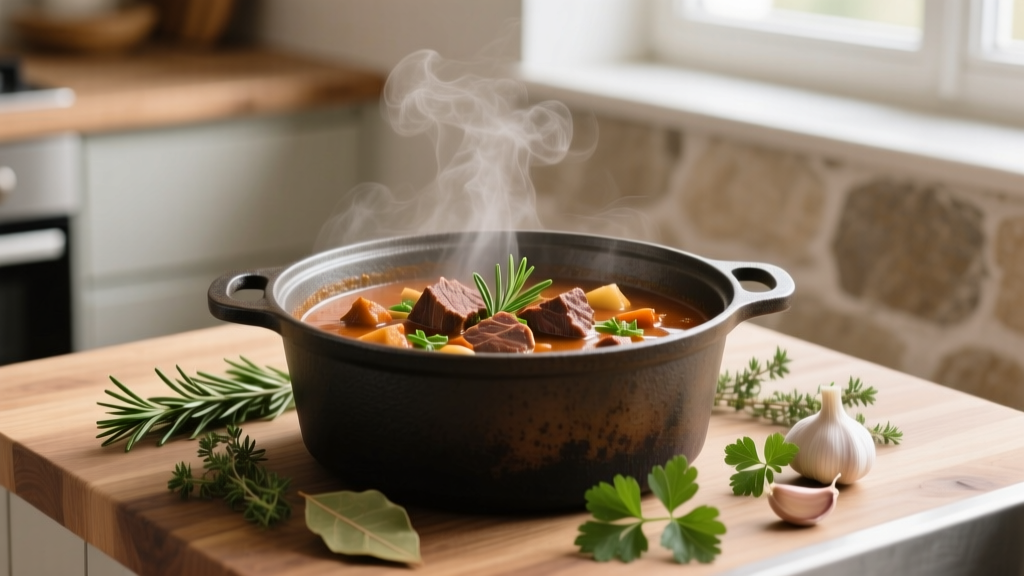 Essential Herbs to Perfect Your Beef Stew