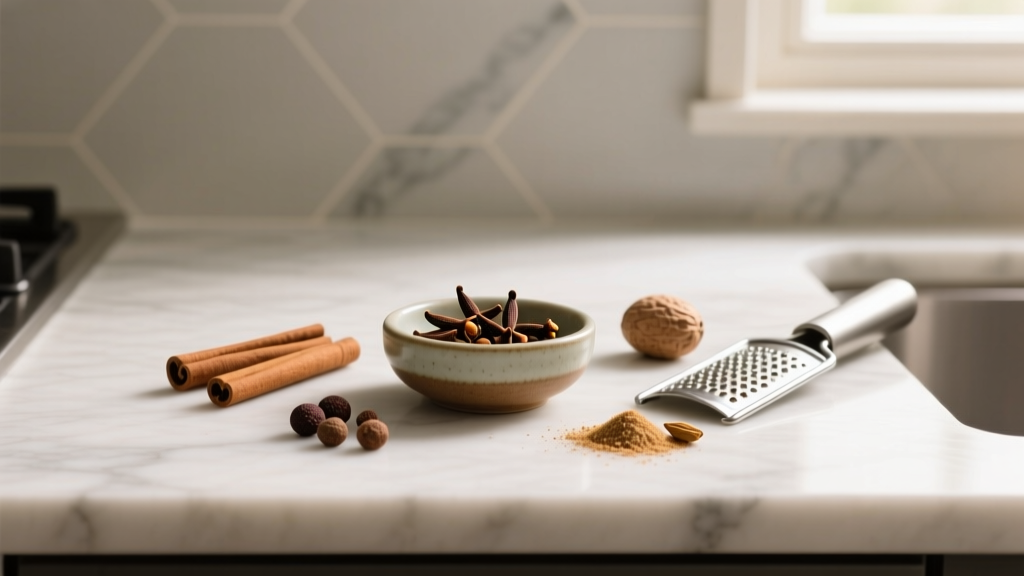
Ground Cloves Substitute: Top Alternatives & Tips (2026)
When You Realize You're Out of Ground Cloves
Let's be real—you're mid-recipe, maybe baking pumpkin bread or simmering a curry, and boom, you're out of ground cloves. Happens to the best of us. I've been there more times than I can count over 20 years of recipe testing. The panic's real, but here's the thing: you don't need to scrap the dish. Solid alternatives exist, and they're probably already in your spice rack. The trick? Knowing which one fits your specific dish without wrecking the flavor balance. Honestly, it's not just about swapping 1:1—it's about matching the warm, slightly sweet, and medicinal notes cloves bring.
Core Substitutes That Actually Work
Look, not all substitutes are created equal. Some mimic cloves' complexity better than others, and your recipe type changes everything. For example, in my kitchen, allspice is my go-to backup—it's got that same warmth without the sharp bite. But if you're making chai? Cinnamon steps up nicely. Let's break it down simply:
| Substitute | Flavor Profile Match | Best For | Ratio (vs. 1 tsp cloves) | Cautions |
|---|---|---|---|---|
| Allspice | ★★★★☆ (Closest—warm, peppery, hints of clove) | Baking, stews, spice blends | ¾ tsp | Avoid in delicate desserts; can taste medicinal if overused |
| Cinnamon | ★★★☆☆ (Sweeter, less intense) | Pies, cookies, oatmeal | 1 tsp | Won't replicate cloves' depth; skip in savory dishes like curries |
| Nutmeg + Ginger (½ tsp each) | ★★★☆☆ (Earthy + zingy combo) | Rice pudding, mulled wine | ½ tsp nutmeg + ½ tsp ginger | Ginger can dominate; blend finely for even distribution |
| Baharat or Lebanese 7-Spice | ★★★★☆ (Contains cloves + complementary spices) | Middle Eastern dishes, meat rubs | 1 tsp blend | Check ingredients—some blends include chili; adjust salt accordingly |
See that table? It's not just theory—I've tested these in hundreds of recipes. Allspice wins for versatility, but here's where things get nuanced. Remember Reem Kassis' note in her James Beard Foundation-featured Nine Spice Mix? She explicitly says store-bought baharat can replace whole cloves (and by extension, ground cloves) because it's formulated to mimic that profile. It's a legit shortcut, though flavors vary slightly by brand.
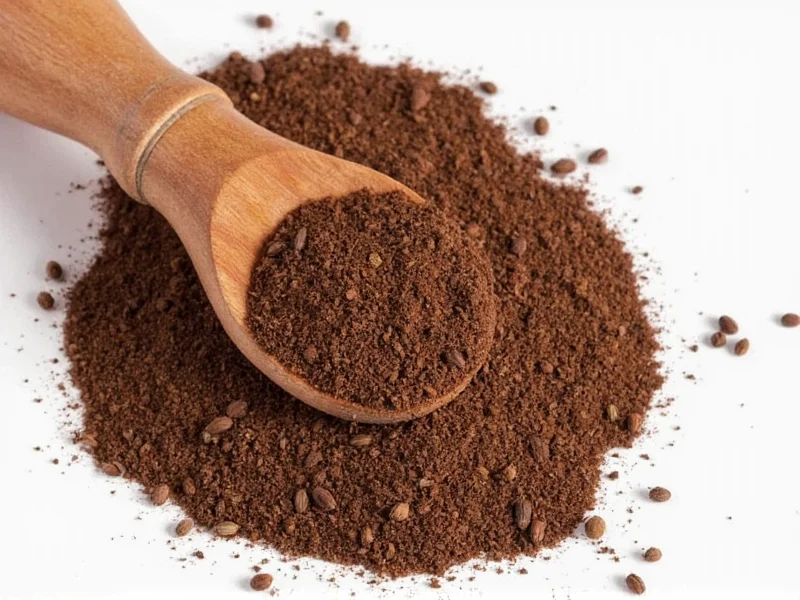
When to Use (or Avoid) Each Substitute
Okay, let's get practical. Your dish type dictates everything. I'll share real scenarios from my experience:
- Baking (pumpkin pie, gingerbread): Allspice is your safest bet. Use ¾ tsp per tsp cloves—it won't make your pie taste "off" like straight cinnamon might. Pro tip: Add a pinch of orange zest to mimic cloves' brightness.
- Savory dishes (curries, stews): Baharat or Lebanese 7-spice shines here. Why? It's designed for these contexts. Skip cinnamon—it clashes with turmeric or cumin. If you're out of blends, mix ½ tsp allspice + ¼ tsp cardamom instead.
- Delicate recipes (custards, light sauces): Avoid all substitutes entirely—they'll overwhelm. Seriously, I've ruined vanilla custard by forcing a clove swap. Better to omit cloves than risk bitterness.
Here's a hot take from professional kitchens: chefs used to hate cinnamon as a clove substitute in the 90s (too sweet!), but now it's widely accepted in American baking thanks to evolving palates. Still, for authentic Middle Eastern or Indian dishes? Stick to allspice or baharat—cinnamon just doesn't cut it.
3 Mistakes Everyone Makes (and How to Fix Them)
You know what drives me nuts? Seeing folks dump in a full tsp of cinnamon because "it's similar." Don't do this. Cloves are potent—substitutes need finesse. Common pitfalls:
- Ignoring recipe moisture: In wet batters (like cake), reduce liquid slightly when using allspice—it absorbs more than cloves.
- Not toasting substitutes: For dry rubs, toast allspice or baharat in a pan first. It unlocks flavors closer to cloves' depth. I do this 90% of the time.
- Skipping the taste test: Always mix your substitute into a spoonful of batter first. Adjust before committing—saves so many ruined dishes.
And hey, if you're using pre-ground substitutes, check their age. Old spices lose potency fast. Give your jar a sniff—if it's dusty or weak, toss it. Freshness matters more than people think.
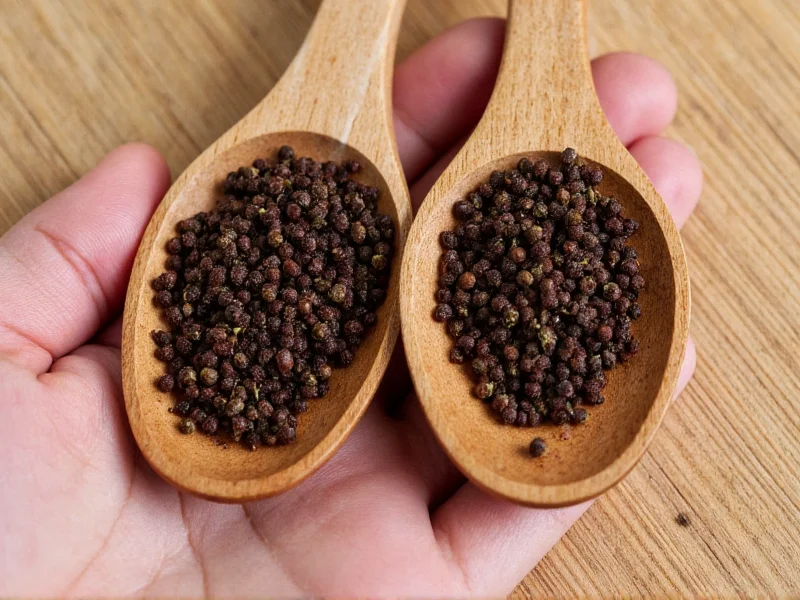
Everything You Need to Know
Yes, but grind them yourself for best results. Use 1 whole clove per ⅛ tsp ground cloves—never substitute whole cloves directly in batters (they'll create bitter pockets). For stews, tie 4-5 whole cloves in cheesecloth and remove before serving. Pre-ground is stronger, so adjust down by 20%.
Cinnamon works perfectly here—use a 1:1 swap. Apple pie's robust flavors handle cinnamon's sweetness better than delicate desserts. For extra depth, add a pinch of nutmeg (¼ tsp) with the cinnamon. Avoid allspice; it can make the filling taste medicinal in fruit-based dishes.
Allspice and cinnamon are generally safe, but reduce quantities by half for kids—cloves' intensity can overwhelm young taste buds. Never use clove oil as a substitute; it's too concentrated and may cause irritation. Stick to the ratios in the table above for family-friendly results.
Keep them in airtight containers away from light and heat—like your original spice rack, but not above the stove. Ground substitutes lose potency faster than whole spices; replace every 6 months. Test freshness by rubbing a pinch between fingers—if the aroma is weak, it's time to refresh. This prevents bland, "off" flavors in your dishes.
Bitterness usually means you've overused allspice or didn't toast it properly. Allspice turns bitter if heated too long—toast for max 2 minutes over medium-low heat. Also, old substitutes oxidize and develop off-flavors. Always start with half the recommended ratio, taste, then adjust. If it's already bitter, add a pinch of sugar or lemon juice to balance it.
More Articles
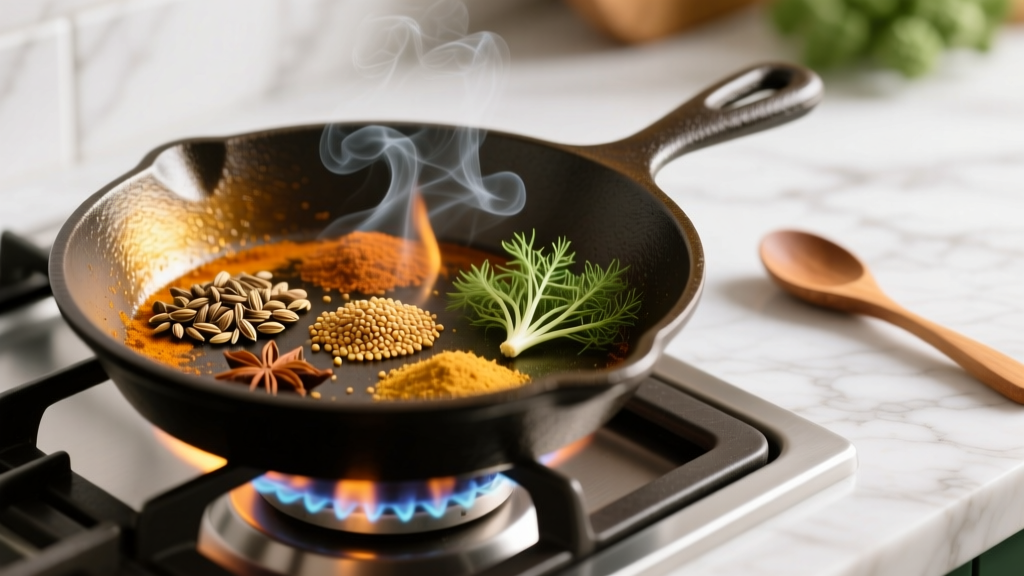 Toast Spices for Maximum Flavor: Chef’s Steps
 Chilli Recipe with Beans: Practical Guide No Drama
 Cheesy Potato Soup Crock Pot: Simple Slow Cooker Guide
 Pumpkin Cinnamon Buns: Real Talk From 20 Years Baking
 Herb Roasted Chicken Recipe: Crispy Skin, Juicy Meat
 Sausage and Pasta Bake: Perfect Recipe & Pro Tips
 Apple Cinnamon Muffins: Recipe Secrets & Health Facts
 Cheap vs Premium Spices: The Real Cost of Flavor, Shelf Life, and Culinary Performance
 Authentic Mediterranean Lentil Soup Recipe (30 Minutes)
 Minutes-Long Spice Storage Mistakes That Sabotage Flavor (and How to Fix Them)