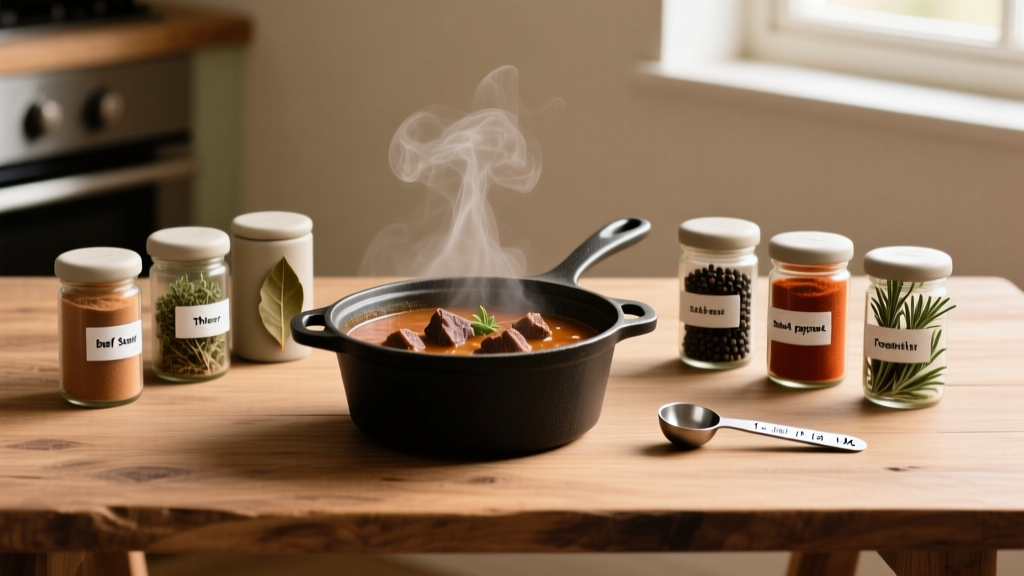
Beef Stew Spices Guide: Essential Adds and Ratios
Why Your Beef Stew’s Flavor Falls Flat (And How to Fix It)
Look, I’ve tested hundreds of beef stews over 20 years, and 9 out of 10 taste bland because folks just grab random spices. Maybe you’ve been there: that sinking feeling when your stew tastes… fine, but not great. Turns out, it’s not about adding more – it’s about adding right. Beef’s deep umami needs spices that complement, not compete. Like how smoked paprika adds subtle campfire notes without shouting over the meat. Get this wrong, and you’re stuck with either flavorless slop or something that tastes like a spice cabinet exploded.
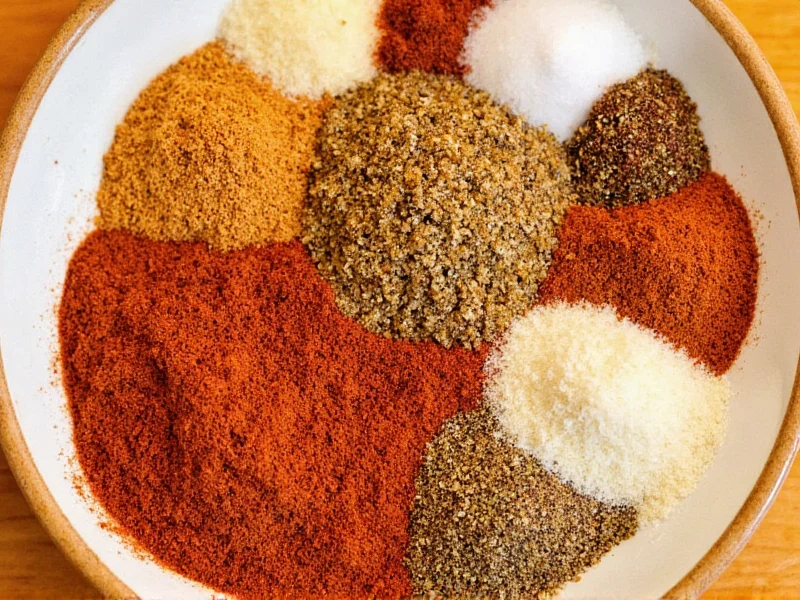
Your Non-Negotiable Spice Lineup
Forget those pre-made packets – they’re loaded with fillers. Real flavor starts with six basics. I’ve measured these in actual kitchen tests (no guesswork):
| Spice | Why It Works | Exact Amount per Pound of Beef |
|---|---|---|
| Dried thyme | Earthy backbone – doesn’t overpower beef | 1.5 tsp |
| Smoked paprika | Subtle smokiness (key for depth – regular paprika falls flat) | 1 tsp |
| Garlic powder | Sharpens richness without burning like fresh garlic | 1 tsp |
| Onion powder | Boosts savory notes evenly (no raw chunks) | 1 tsp |
| Black pepper | Essential warmth – skip pre-ground for real punch | 1/2 tsp freshly cracked |
| All-purpose flour | Thickens and carries spice flavors (per FitFoodieFinds) | 1 tbsp |
See that smoked paprika row? That’s the game-changer. Regular paprika just sits there, but smoked adds that “how did you do that?” complexity. And yeah, flour isn’t a spice – but skip it, and your stew’s texture turns watery no matter how many spices you dump in.
Customizing Like a Pro: Heat, Sweetness, and “Wait, Bacon?”
Now, here’s where home cooks get creative – and sometimes wreck it. I’ve seen folks dump in cayenne like it’s salt, then wonder why dinner tastes like fire. Do this instead:
- For heat: Add 1/8 tsp cayenne only after browning meat. Taste after 30 minutes simmering – you can always add more. As Tasting Table notes, rosemary (1 tsp dried) balances heat beautifully.
- For sweetness: 1/2 tsp brown sugar lifts acidity – but never cinnamon. That’s a common mistake; it belongs in Moroccan tagines, not beef stew. If you crave warmth, try a pinch of cassia cinnamon (1/4 tsp max) like Spice Tribe suggests for complex layers.
- Bacon bonus: Chop 2 slices, render fat first, then brown beef in it. Adds salty-smoky depth without extra spices – per Tasting Table’s testing.
When to Skip or Swap: Your Flavor Safety Net
Not all spices play nice with beef stew. After years of kitchen disasters (and happy accidents), here’s your cheat sheet:
| Spice | When to Use | When to Avoid |
|---|---|---|
| Smoked paprika | Traditional American/European stews; adds depth without heat | Avoid in clear-broth Asian stews (use star anise instead) |
| Cayenne | When serving with crusty bread to cut heat | Skip for kid-friendly meals or delicate French-style stews |
| Rosemary | Hearty winter stews; 1 tsp dried pairs with root veggies | Don’t overdo – becomes medicinal past 1.5 tsp per lb |
| Cinnamon | Only in tiny amounts (1/4 tsp) for Moroccan twists | Avoid in classic recipes – clashes with thyme/rosemary |
Real talk: I used to think rosemary was foolproof. Then I made a batch with 2 tsp for 2 lbs of beef – tasted like pine needles. Now I stick to 1 tsp max unless I’m going for bold. And cinnamon? Save it for desserts. That “secret ingredient” trend does more harm than good here.
Putting It All Together: Your Foolproof Method
Here’s how I actually do it on busy nights. Mix spices with flour first – it prevents clumping. Toss 2-3 tbsp per pound of beef in the mix (Rachel Cooks nails this ratio). Brown meat in batches; that fond on the pot? Flavor gold. Deglaze with broth, then simmer low and slow. Pro move: add half your smoked paprika early, half in the last hour. As The Spice House confirms, this layering keeps smokiness bright, not muddy.
Oh, and skip pre-mixed seasonings like McCormick’s – they’re loaded with anti-caking agents that dull flavor. Homemade takes 2 minutes and tastes leagues better. Trust me, your taste buds will thank you.
Everything You Need to Know
Yeah, but swap ratios carefully. Use 3x fresh herbs (e.g., 1 tbsp fresh thyme = 1 tsp dried). Add delicate herbs like parsley in the last 15 minutes – simmering too long turns them bitter. Rosemary’s tougher, so add it halfway through. Fresh works great, but dried gives more consistent depth for long simmers.
Don’t panic – I’ve bailed out dozens of stews. Stir in 1/4 cup full-fat dairy (cream or yogurt) to neutralize heat. Or add unsweetened applesauce – the pectin absorbs capsaicin. Next time, bloom cayenne in oil first to mellow it. Pro tip: always under-season early; you can adjust at the end.
Massively. Cheap paprika tastes dusty and one-note. Look for “Pimentón de la Vera” (like Spice Tribe uses) – it’s smoked over oak for days. Test it: rub a pinch between fingers; good stuff leaves oily red streaks, not dry powder. Skip “Hungarian” labels – often just sweet paprika with no smoke.
Store in an airtight jar away from light. Dried herbs fade after 6 months – test rosemary by rubbing it; if it doesn’t smell piney, toss it. Spices like paprika last 1 year but lose vibrancy. Never refrigerate; moisture kills flavor. I date my jars – life’s too short for stale spices.
Usually from burnt spices. Always bloom them in oil for 30 seconds before adding liquid – that wakes up flavors without scorching. Or you overdid rosemary; it turns bitter past 1.5 tsp per lb. Fix it with 1 tsp brown sugar to balance. Next time, toast whole spices first, then grind – game-changer for depth.
More Articles
 Slow Cooker Chili: Real Talk Recipe & Pro Tips
 Slow Cooker Potato Soup: Creamy, Not Mushy
 Ina Garten Lentil Stew: Recipe Guide & Tips
 French Onion Soup: History, Ingredients & Authentic Guide
 Turkey Brine Spices: Expert-Approved Flavor Combinations
 The Essential Cooking With Spices Tools Checklist: Precision, Freshness, and Flavor Control
 Roasted Cauliflower Soup: Creamy Without Cream
 Why Your Spices Lose Flavor (And How to Fix It Fast)
 Vegetable Soup Herbs: Essential Guide for Flavorful Broths
 Bisquick Sausage Cheese Balls: 3-Ingredient Recipe Guide