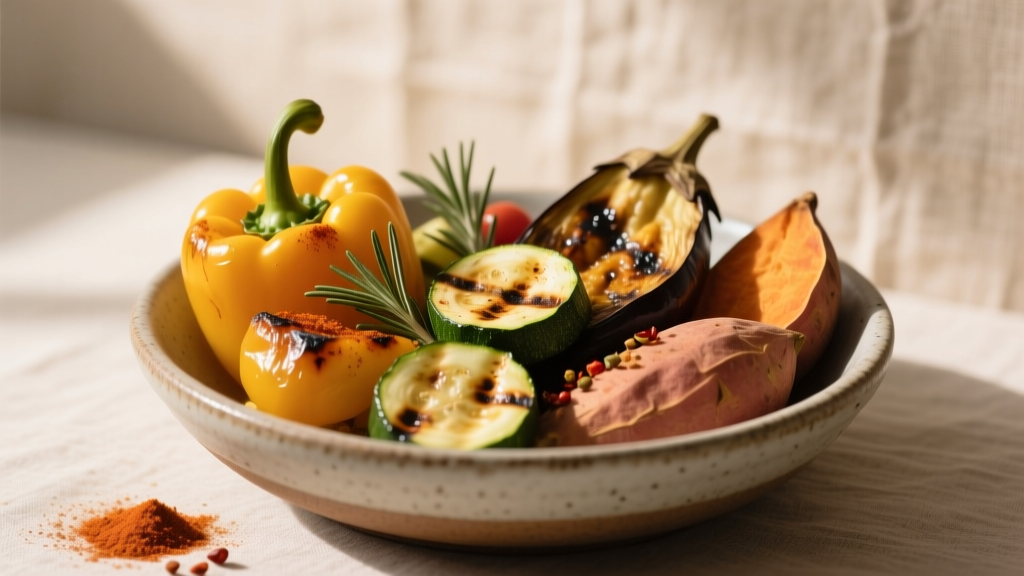
Roasted Vegetable Spices: Flavor Without Burning
Why Your Roasted Veggies Taste Bland (And How Spices Fix It)
Let's be real—you've probably tossed veggies in the oven only to pull out sad, flavorless sticks. Happens to everyone, right? I've roasted enough trays over 20 years to know the culprit: wrong spices or bad timing. See, high heat caramelizes sugars but destroys delicate flavors. That's why throwing in dried basil or oregano feels like a waste—it just turns bitter and smoky. Honestly, it's not your fault; most guides skip the why. But here's the kicker: certain spices actually thrive under roasting heat, unlocking nutty, sweet notes you can't get raw. Think of it like coffee beans—roasting transforms them.
Spice Lineup: Your Go-To Squad for Roasting
You know those "everything but the kitchen sink" spice blends? Skip 'em. For roasted veggies, less is more. I've tested hundreds of combos, and these four are dead simple but transformative. Toss 'em with oil-coated veggies before roasting—oil carries flavor and prevents scorching. Oh, and always measure: eyeballing leads to salt bombs or ghost flavors.
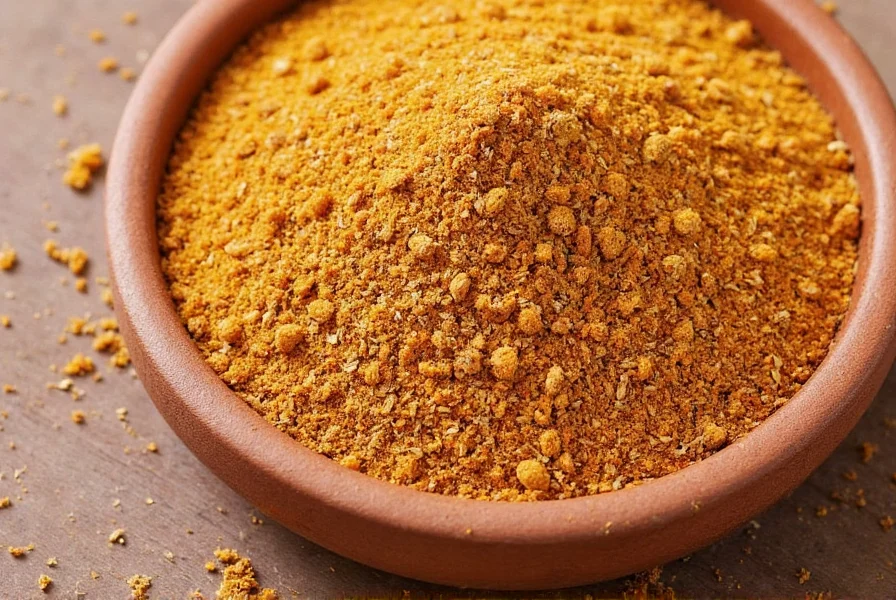
Cumin: The Earthy Game-Changer
Don't knock it 'til you try it on sweet potatoes or carrots. Toasted cumin seeds (not powder!) add a warm, nutty depth that balances sweetness. Seriously, it’s the secret behind those "how’d you do that?" roasted roots. But here’s the pro tip: never add it straight to dry veggies—it’ll burn. Always mix with oil first. Works magic at 400°F+.
Rosemary: For When You Want "Wow"
Fresh rosemary sprigs (yes, whole!) are your friends here. Tuck them between potatoes or squash—they infuse oil slowly without turning bitter. Dried? Only if you crush it finely and use half the amount. Trust me, I’ve ruined batches by overdoing dried rosemary; it gets woody. Stick to sturdy veggies like beets or parsnips. Avoid delicate zucchini—it overpowers.
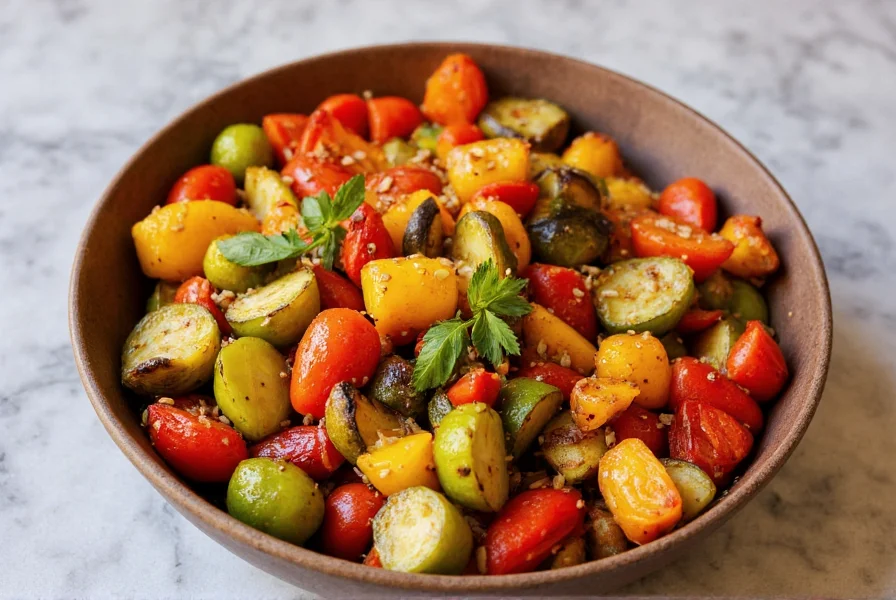
When to Use (Or Ditch) These Spices
Not all veggies play nice with all spices—this trips up even seasoned cooks. I’ve seen rosemary murder a tray of asparagus, so let’s break it down:
| Spice | Best With | When to Avoid | Why It Fails |
|---|---|---|---|
| Cumin | Sweet potatoes, carrots, cauliflower | Zucchini, mushrooms | Overpowers mild flavors; turns muddy |
| Rosemary | Potatoes, squash, beets | Asparagus, green beans | Burns quickly; makes veggies bitter |
| Smoked Paprika | Peppers, onions, eggplant | Broccoli, leafy greens | Clashes with earthy notes; tastes artificial |
| Thyme | Root veggies, tomatoes, Brussels sprouts | Raw salads (obviously!) | Loses flavor if added too late |
See that "why it fails" column? That’s from real kitchen disasters. Like, smoked paprika on broccoli—it’s a no-go because broccoli’s sulfur notes fight the smoke, creating off-flavors. Learned that the hard way during a holiday dinner. And thyme? Always add it before roasting; it needs time to mellow. Tossing it in at the end just gives you piney, raw bites.
Avoid These Rookie Mistakes
You might think "more spice = more flavor," but nope. Overloading causes two big issues:
- Burnt spices: Fine powders like garlic powder scorch at 350°F. Stick to coarse grinds or seeds.
- Oil separation: Too much spice repels oil, so veggies steam instead of roast. Keep ratios tight—1 tsp per pound max for strong spices like cumin.
Also, never mix wet and dry spices pre-roast. Adding lemon zest or vinegar before baking makes veggies soggy. Save acids for after roasting—they brighten flavors without messing up texture. I swear by this trick for roasted carrots.
Your Simple Roasting Cheat Sheet
Follow this like a recipe, and you’ll nail it every time:
- Toss veggies in 1 tbsp oil per pound (avocado or olive).
- Add spices to the oil, not directly to veggies.
- Spread in a single layer—crowding = steaming.
- Roast at 400–425°F until edges char (20–35 mins).
- Finish with acid (lemon juice or balsamic) after pulling from oven.
For extra credit: add a pinch of flaky salt after roasting. It sticks better and boosts spice notes without saltiness. Game changer.
Everything You Need to Know
Yes, but only sturdy fresh herbs like rosemary or thyme sprigs. Toss whole sprigs with veggies—they release flavor slowly without burning. Avoid delicate fresh herbs (basil, cilantro); they blacken in minutes. Dried versions of those? Skip 'em entirely for roasting.
Stick to 1–2 teaspoons total per pound of veggies. Strong spices (cumin, smoked paprika) need just 1 tsp; milder ones (thyme) can handle 2 tsp. Overdoing it causes bitterness—learned this after a bitter eggplant batch. Always measure; "a handful" never works.
Fine powders like garlic powder, onion powder, or cayenne scorch around 350°F. Seeds (cumin, fennel) or coarse herbs (rosemary) are safer—they take longer to burn. Pro move: toast seeds in dry pan first to deepen flavor without oven risks.
Most retain benefits—cumin's antioxidants actually increase with roasting. But heat-sensitive compounds (like in fresh garlic) degrade. For max nutrition, add raw spices like turmeric after roasting with a fat (avocado oil) to boost absorption.
Keep them in airtight containers away from light and heat—not above the stove! Whole spices (seeds) last 2–3 years; ground spices fade in 6–12 months. Test freshness: rub a pinch between fingers—if scent is weak, toss it. Stale spices = bland veggies, no surprise there.
More Articles
 Ground Beef & Cream of Mushroom Soup (2026)
 Chicken On A Budget: Smart, Flavorful, and Nutritious Meals for Under $2.50 Per Serving
 Making Crab Soup: Fresh Techniques & Ingredient Truths
 Proven Steak Seasoning Guide for Grilling (No Guesswork)
 Foolproof and Fresh Compared: A Science-Backed Breakdown of Spice Storage Methods That Actually Work
 Black Cumin vs Cumin: Stop the Confusion Now
 Sausage Balls with Bisquick: 4-Ingredient Recipe (2026)
 Honey Chipotle Wings: Oven Recipe Without Burnt Glaze
 Beef Stew Spices Guide: Proven Blends for Rich Flavor
 Brown Sugar vs Granulated Sugar: Key Differences & Uses