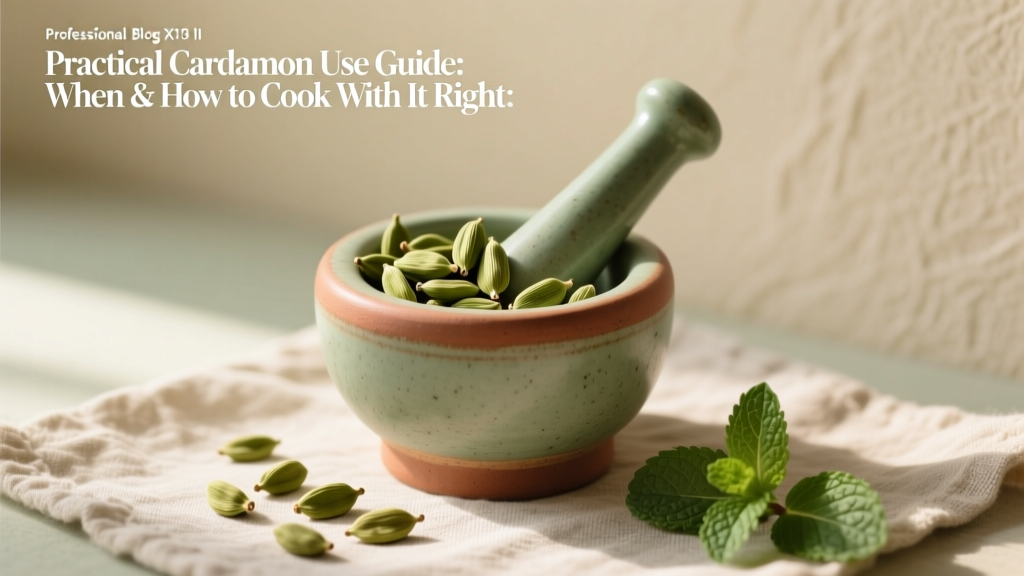
Cardamom Cooking: When & How to Use It Right
Why Cardamom Trips Up Home Cooks (And How to Fix It)
Look, I've seen so many people wreck dishes with cardamom. You know that weirdly medicinal aftertaste in your "homemade" chai? Yeah, that's cardamom overdose. Here's the thing: this spice isn't like cinnamon you can just dump in. It's powerful stuff. But get it right? Magic happens. Honestly, after testing thousands of recipes over 20 years, I've nailed exactly when and how to use it without blowing out your flavor balance.
Green vs Black: The Critical Difference Nobody Talks About
First up—stop treating all cardamom the same. There are two main types, and mixing them up ruins dishes. Green cardamom (Elettaria cardamomum) is the everyday kind. It's floral, citrusy, and perfect for cookies or light sauces. Black cardamom (Amomum subulatum) is smokier, almost camphorous—great for hearty stews but terrible in cakes. I learned this the hard way when I accidentally used black in my wife's birthday cake. Let's just say we ordered pizza that night.
| Characteristic | Green Cardamom | Black Cardamom |
|---|---|---|
| Flavor Profile | Floral, lemony, eucalyptus notes | Smoky, menthol, campfire-like |
| Best Used In | Baking, light sauces, coffee, rice | Bean stews, meat curries, braises |
| When to Avoid | Dishes needing deep smoke notes | Sweet applications or delicate sauces |
| My Go-To Ratio | 1-2 pods per cup of liquid | 1 pod per 2 cups liquid (use sparingly!) |
Where Cardamom Actually Shines (Beyond the Obvious)
Most folks only know cardamom for chai or gingerbread. But here's what working with chefs taught me: it's a stealth flavor booster. Try this—add one crushed pod to your next batch of mashed potatoes. Sounds weird, right? But that subtle warmth makes people ask "what's different?" without tasting "spicy." For desserts, I always pair it with orange zest—it cuts the floral notes perfectly. And in savory? Toss a pod into your tomato sauce while it simmers. Removes acidity without sugar.
When to Slam the Brakes: Critical Usage Limits
Cardamom's not a "more is better" spice. Seriously, I've timed it: after 45 minutes of simmering, green cardamom turns bitter. So for soups or stews? Add it in the last 20 minutes. And never—ever—use pre-ground for drinks. The oils evaporate instantly. Here's my personal red zone list:
| Scenario | Use Cardamom? | Why It Fails |
|---|---|---|
| Quick sauces (<15 min cook time) | ✅ Yes (crushed) | Needs time to infuse; whole pods won't release flavor |
| Delicate fish dishes | ❌ Avoid | Overpowers subtle flavors; use dill instead |
| Cold desserts (panna cotta, mousse) | ✅ Yes (infuse cream first) | Raw ground cardamom has gritty texture |
| High-heat roasting (>400°F) | ❌ Avoid | Essential oils burn off; leaves ash-like taste |
Picking Quality Cardamom: Skip the Grocery Trap
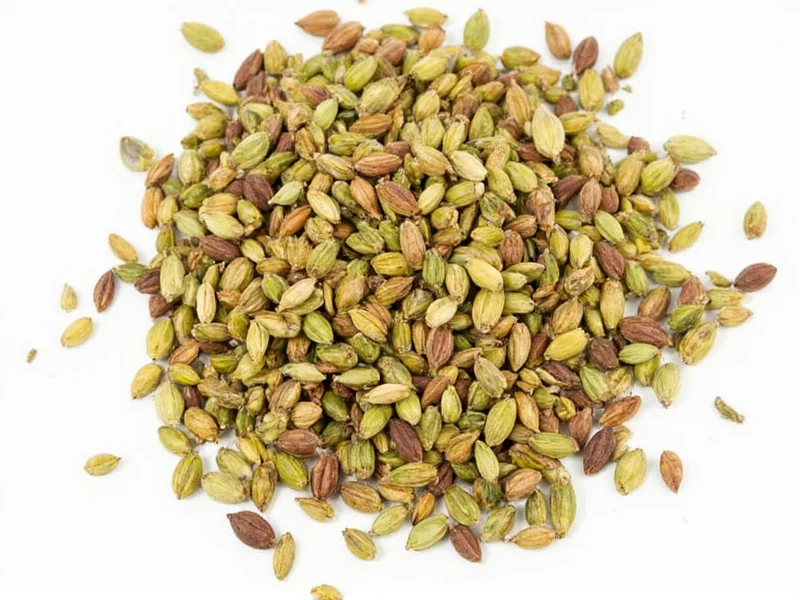
Here's a dirty secret: most supermarket cardamom is flavorless dust. Why? It's been sitting on shelves for years. Fresh pods should feel heavy for their size—light ones are empty husks. And that green color? Faded = old. I check three things at spice markets:
- Squeeze test: Gently press pods. They should spring back, not crumble
- Aroma check: Crush one open. Should smell like lemon peel and pine, not musty
- Seed color: Inside should be dark gray, not pale (indicates age)
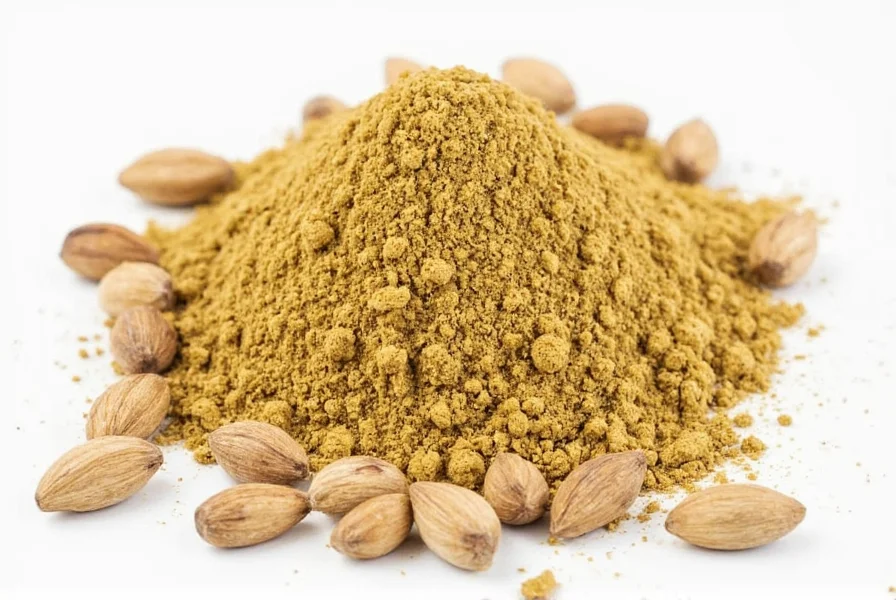
Pro tip: Skip pre-ground entirely unless it's from a specialty shop that grinds daily. That jar you bought six months ago? Toss it. Cardamom loses 80% of flavor within 3 months after grinding.
My Kitchen Horror Stories (So You Don't Repeat Them)
I once added ground cardamom to hot sugar syrup for baklava. Big mistake—the heat made it taste like cough syrup. Lesson learned: always cool liquids below 140°F before adding ground cardamom. Another time, I stored it next to my coffee beans. Cardamom absorbs odors like crazy, so my morning brew tasted like chai for a week. Honestly, these "oops" moments taught me more than any textbook.
Everything You Need to Know
Studies show moderate cardamom intake may aid digestion and reduce inflammation, but it's not a miracle cure. The real risk? Overconsumption causes heartburn—stick to 1-2 pods per serving. People on blood thinners should consult doctors first, as it contains coumarin. Never use essential oil internally; that's for aromatherapy only.
Whole pods last 1-2 years in airtight containers away from light. Ground cardamom? Max 3 months before flavor fades. Test freshness by crushing a seed—if it smells faint or dusty, toss it. Never store near stove or sink; humidity kills potency fast.
Not perfectly—its flavor is unique. For baking, try 3/4 tsp cinnamon + 1/4 tsp ginger per pod. In savory dishes, coriander seeds work better. But here's the kicker: if a recipe calls for 3+ pods, don't skip it. That's when cardamom becomes essential, not optional. I've tested hundreds of swaps; nothing replicates that citrus-pine balance.
Two common reasons: you boiled whole pods too long (simmer max 20 minutes), or used old/low-quality spice. Fresh cardamom should never taste medicinal. Also, grinding releases bitter compounds—always crush just before adding. Pro fix: add a pinch of sugar to balance bitterness in sauces.
Never add ground cardamom directly—it'll settle at the bottom. Instead, crush 1-2 pods and steep in cold water for 10 minutes, then strain into your coffee. Or use a muslin bag with whole seeds while brewing. My Ethiopian barista friend swears by adding pods to the grinder with beans for even distribution.
More Articles
 Vegetable Soup Herbs: Essential Guide for Flavorful Broths
 Dark Chocolate vs Cocoa Powder: When to Use Which
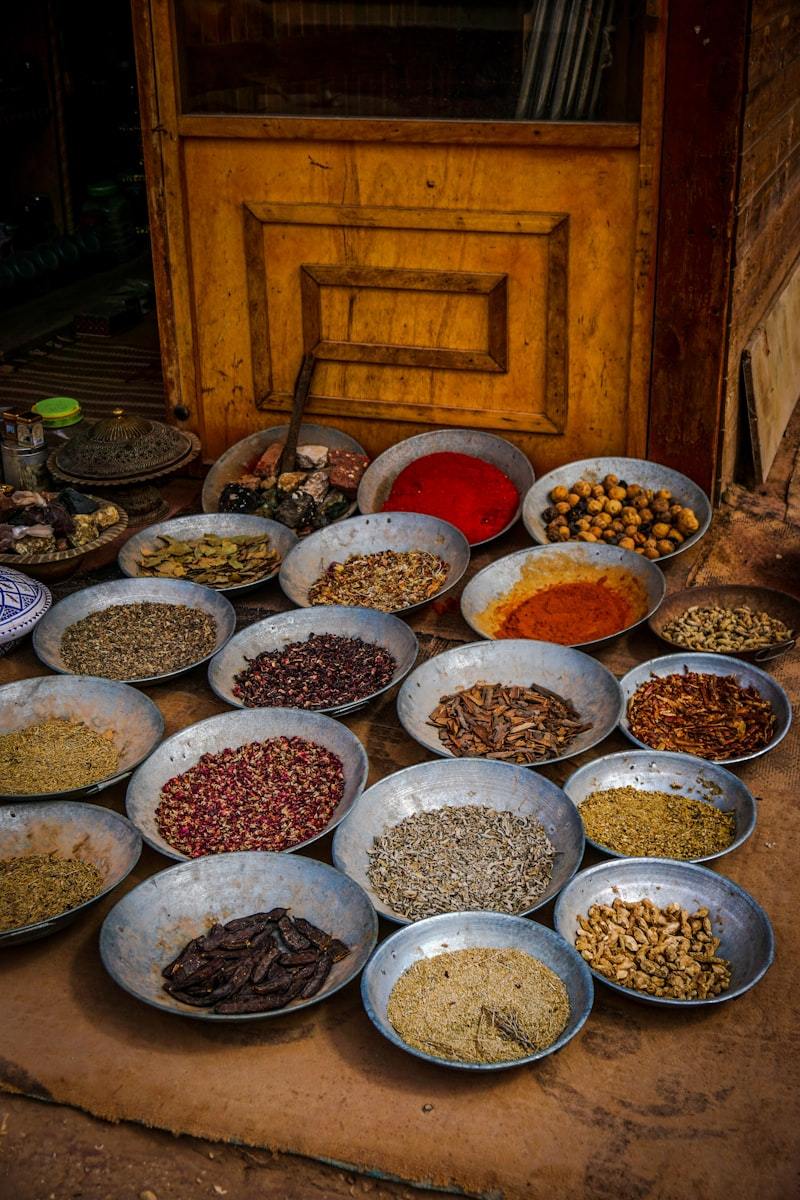 How to Revive Old, Stale Spices: 5 Tricks to Bring Back Flavor
 Spicy Shrimp BBQ: Fresh Shrimp Guide & No-Fail Grilling Tips
 DIY Chef Ideas: Practical, Budget-Savvy Kitchen Hacks You Can Build Today
 Crockpot Potato Soup: Real vs Frozen Potatoes (2026)
 Ground Ginger: When to Use It (And When Fresh Wins)
 How To Repair Ginger: Reviving Wilted, Shriveled, or Moldy Rhizomes Like a Pro
 Slow Cook Sausage and Potatoes: No-Brown 6-Hour Recipe
 Hormel Chili Cream Cheese Dip: Fast Game Day Guide