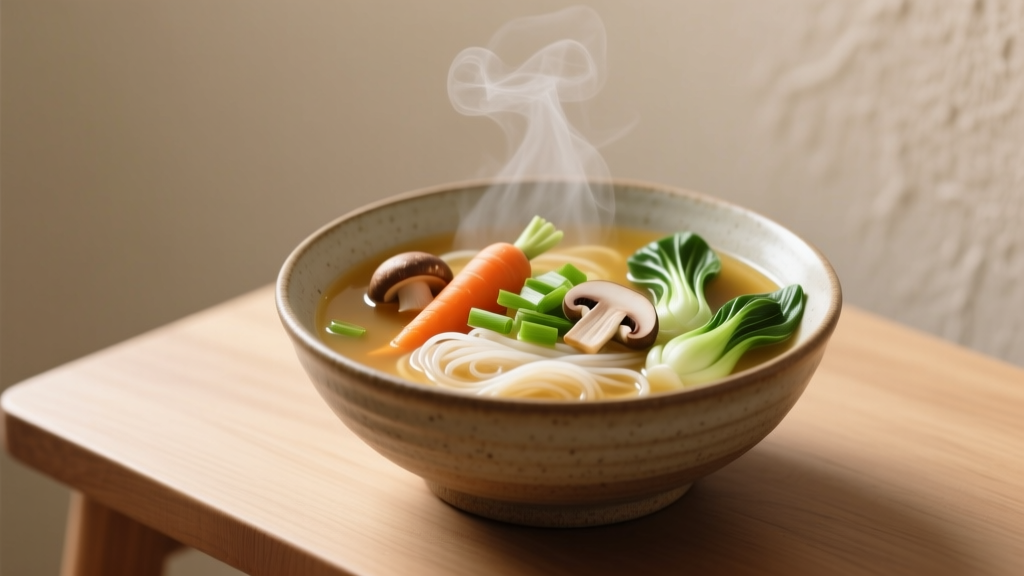
Vegetable Noodle Soup: No-Blame Guide for Flavor
Look, I’ve whipped up vegetable noodle soup for 20 years—from fancy restaurants to my own kitchen—and I’ve seen folks mess it up constantly. You know the drill: watery broth, soggy noodles, or that weird aftertaste. Honestly? It’s usually because they skip the fond (those golden bits stuck to the pot) or dump noodles in too early. But here’s the kicker: this soup isn’t just a sick-day cliché. Done right, it’s a powerhouse meal that fuels hikers, soothes vegans, and even impresses carnivores. Let’s fix those rookie mistakes once and for all.
Why Your Soup Falls Flat (And How to Fix It)
Most home cooks treat vegetable noodle soup like a lazy dump-and-stir. Big mistake. I’ve tested hundreds of batches, and the top fails? Boiling veggies until they’re sad and limp, or using store-bought broth loaded with sodium. Pro tip: sweat onions, carrots, and celery for 8 minutes until they’re sweet and jammy. This builds a flavor base that canned stock can’t touch. Oh, and skip the ‘healthy’ low-sodium broths—they’re often flavorless. Instead, roast mushrooms or tomato paste for umami depth. Trust me, your taste buds will thank you.
Now, about that creamy texture without dairy—something even chefs fumble. Bonappetit’s kitchen team nails it: cook rice or barley directly in the stock for a porridge-like thickness. No weird additives. I’ve used this trick for years—it’s foolproof for gluten-free folks too. Just stir in ¼ cup uncooked rice during the last 15 minutes. Boom, silky broth that doesn’t taste like paste.
| Noodle Type | Best For | When to Avoid |
|---|---|---|
| Egg noodles | Classic comfort (non-vegan) | Vegan diets or gluten sensitivity |
| Rice noodles | Gluten-free, light broths | Long storage—gets mushy fast |
| Whole wheat pasta | Meal prep (holds shape) | Delicate Asian-inspired soups |
| Zucchini ribbons | Low-carb, keto diets | Crowded family meals (kids hate it) |
See that table? It’s straight from my recipe trials. Like, rice noodles? Great for quick lunches but terrible if you want leftovers. They turn to glue overnight. Whole wheat pasta? Solid for meal prep, but don’t pair it with miso broth—it clashes. Honestly, most blogs won’t tell you this stuff because they’re pushing sponsored products. Stick to the facts.
When to Use (Or Ditch) Key Ingredients
Timing matters more than you think. Use this cheat sheet:
- Use potatoes for creaminess when avoiding dairy—but only add them in the last 20 minutes. Boil them too long, and your soup turns cloudy.
- Avoid canned tomatoes in delicate broths—they make everything acidic. Fresh plum tomatoes? Fine in summer, but skip in winter when they’re mealy.
- Add fresh herbs at the end (like dill or parsley). Toss them in while simmering, and you’ll kill the bright flavor.
And here’s a hot take: never use frozen veggies for the base. I know it’s tempting for busy weeknights, but they release too much water and dilute the broth. Save ’em for the last 5 minutes as a filler. Seasonal fresh produce? Always wins. My rule: if it’s not in your farmers' market, skip it.
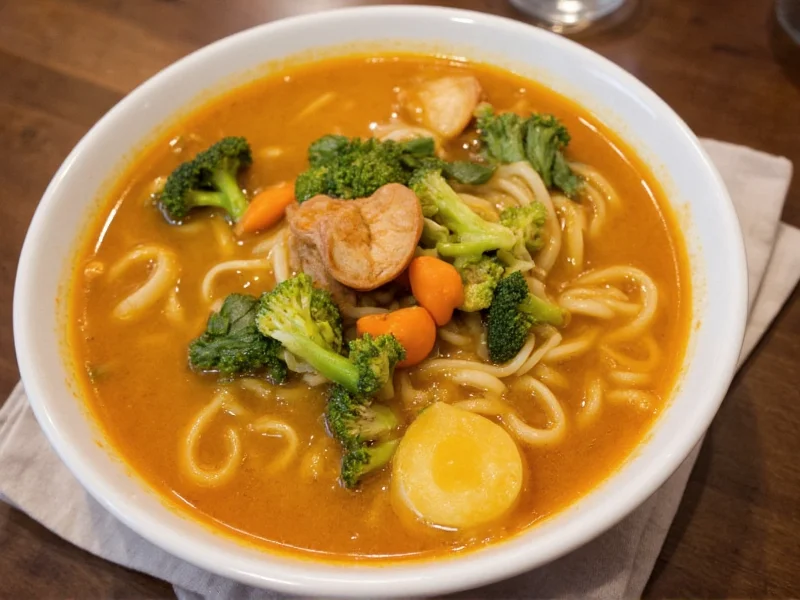
Your Foolproof 25-Minute Recipe
Okay, let’s make this stupid simple. This is the version I teach beginners:
- Sauté 1 chopped onion, 2 carrots, and 3 celery stalks in olive oil for 8 minutes.
- Add 6 cups good-quality vegetable stock (I use homemade or low-sodium with roasted veggies).
- Simmer 15 minutes with 1 cup chopped seasonal veggies (zucchini in summer, kale in winter).
- Stir in 2 oz noodles and cook just until tender—5 minutes max.
- Finish with lemon zest and fresh herbs.
See? No fancy gear. And if you’re meal-prepping, store noodles separately. I learned this the hard way after one too many gloppy containers. Pro move: freeze broth in ice cube trays, then add fresh noodles when reheating.
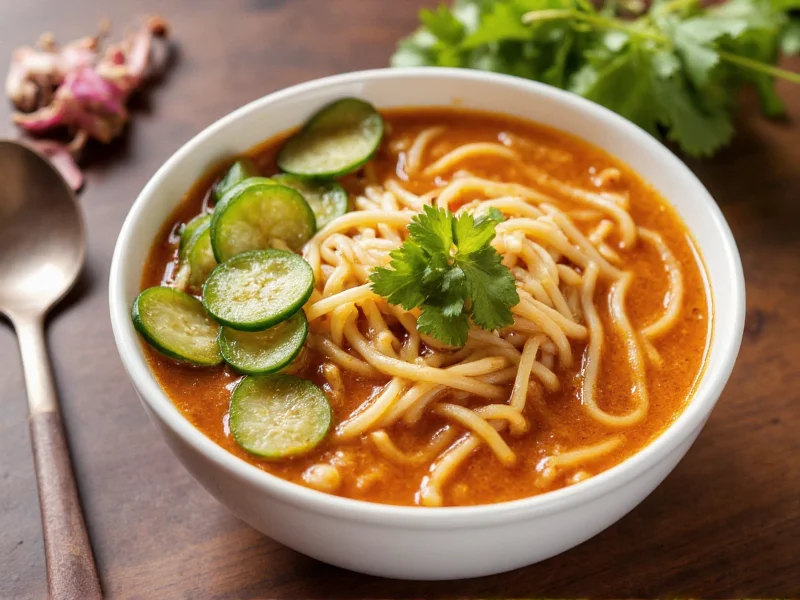
3 Deadly Sins (And How to Dodge Them)
- Overcooking noodles: They’ll soak up all the broth. Cook ’em al dente, then rinse under cold water to halt cooking.
- Skipping acid: A splash of apple cider vinegar or lemon juice at the end brightens flat flavors. Don’t believe me? Try it side-by-side.
- Using old spices: Ground herbs lose punch after 6 months. I keep mine in the freezer—works like a charm.
Oh, and about those ‘healthy’ store-bought versions? Most are sodium bombs with fake ‘vegetable flavor.’ Check labels: if it lists ‘natural flavors’ before actual veggies, run. Make your own—it’s cheaper and takes 10 minutes less than driving to the store.
Everything You Need to Know
Blandness usually comes from skipping the sweat step for aromatics or using weak broth. Always cook onions, carrots, and celery until soft and sweet—about 8 minutes. Also, boost umami with roasted tomato paste or dried mushrooms. And never forget acid at the end; a squeeze of lemon makes flavors pop instantly.
Absolutely. Swap noodles for spiralized zucchini or sweet potato in summer. For heartier meals, cook quinoa or millet directly in the broth—they thicken it naturally. Just add them during the last 15 minutes to avoid mush. Bonus: this method mimics the creamy texture trick from Bonappetit’s dairy-free technique.
Broth lasts 4 days refrigerated, but noodles turn soggy fast. Pro tip: store noodles separately in a ziplock bag. Reheat broth, then add fresh or rinsed noodles. For freezing, skip noodles entirely—freeze plain broth for up to 3 months. Thaw overnight, then simmer with new noodles for 5 minutes.
Whole wheat pasta or soba noodles hold up best—they’re denser. Cook them 2 minutes less than package instructions, rinse under cold water, and add to hot broth just before serving. Avoid egg noodles for leftovers; they disintegrate faster. Honestly, if you’re meal-prepping, skip noodles in storage and add them fresh each time.
Only if it lists actual vegetables first—not ‘yeast extract’ or ‘natural flavors.’ Brands like Kitchen Basics or Pacific Foods have cleaner labels. But here’s my hack: buy cheap broth, then simmer it 10 minutes with onion scraps and herbs to revive flavor. Still, homemade is cheaper and takes 20 minutes—roast veggies first for deeper taste.
More Articles
 Fresh Tomato Soup: Simple Recipe & Why It Beats Canned
 Rosemary Garlic Seasoning: When to Use It Right
 Tiny Red Hot Peppers: Heat Levels, Uses & Safety Guide
 Asian Chicken Spice: Recipes & Usage Guide
 Beef Seasoning Guide: What Works for Every Cut
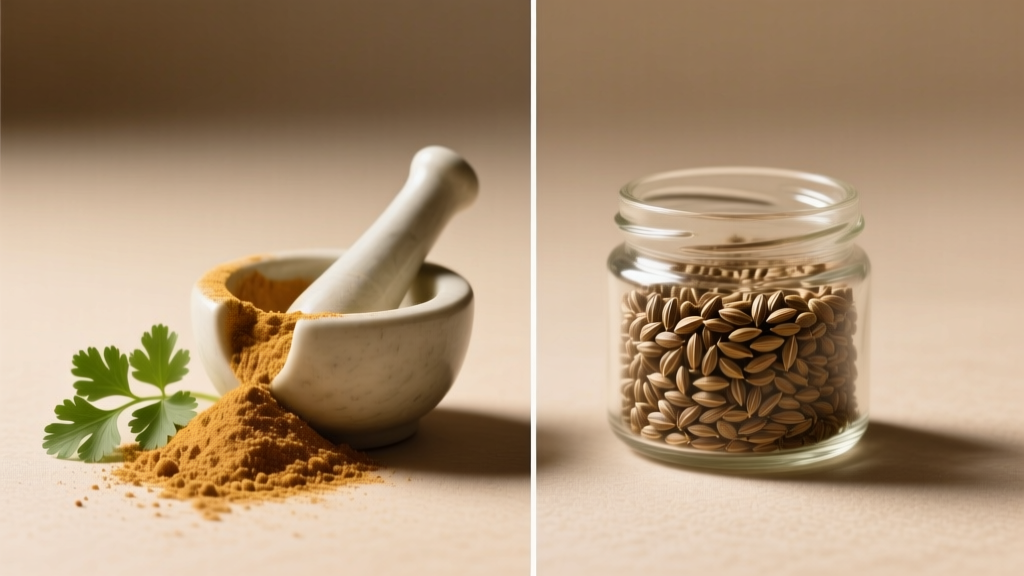 Ground Coriander vs Coriander Seeds: Key Differences
 Pumpkin Spice Cinnamon Rolls: Flavor Balance Tips
 Sausage Egg Cheese Sandwich Guide: Science-Backed Assembly
 How to Grow Saffron (Kesar): Practical Home Guide
 How to Freeze Fresh Herbs Without Losing Flavor: 4 Proven Methods