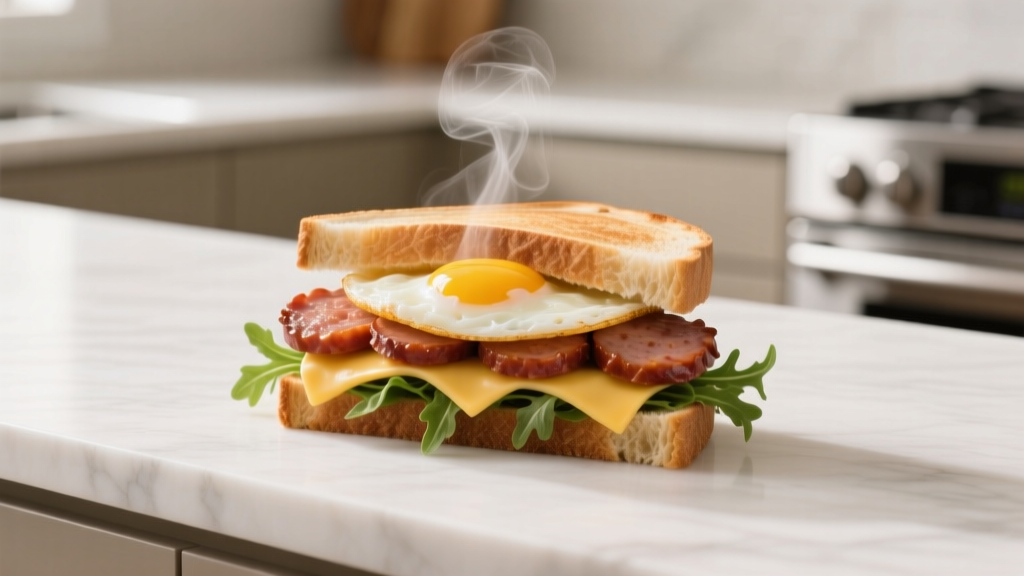
Sausage Egg Cheese Sandwich Guide: Science-Backed Assembly
Why This Trio Dominates American Breakfast Counters
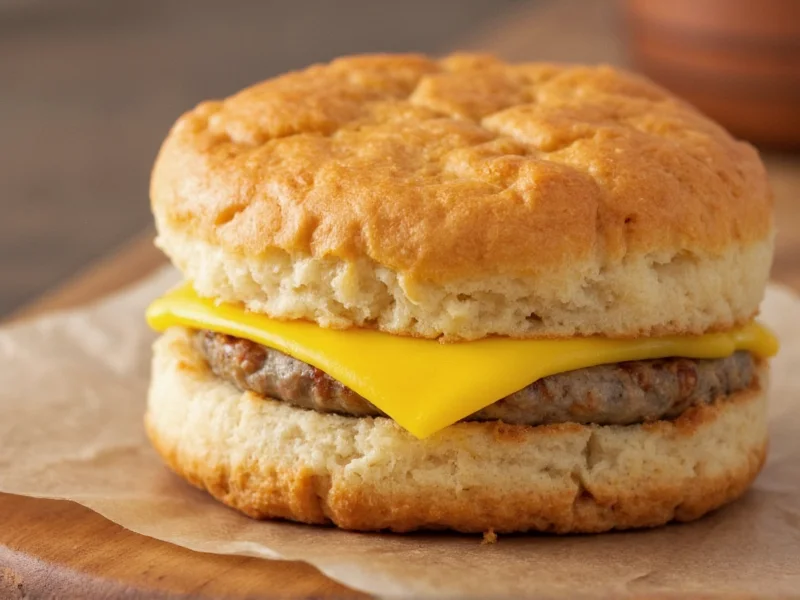
Let's be real—you've grabbed this sandwich during a rushed morning. There's zero magic here, just smart food science working behind the scenes. That greasy paper bag wrapper? It's doing you a favor. Sausage fat needs to render out properly. When it does, two things happen: first, the meat gets that craveable crisp edge; second, that fat coats the bread just enough to block egg moisture from turning it to mush. I've seen too many home cooks skip pre-cooking sausage, then wonder why their biscuit collapses.
Cheese isn't just glue—it's a moisture regulator. American cheese melts at lower temps (around 130°F) than cheddar (150°F), which is why diners default to it. That quick melt seals the egg layer before steam escapes. Pro move? Place cheese directly on the hot sausage patty before adding the egg. The residual heat creates an instant adhesive layer. You know those sad sandwiches where ingredients slide out? Nine times out of ten, they skipped this step.
| Cheese Type | Melts At | Salt Level | Best For |
|---|---|---|---|
| American (singles) | 130°F | High | Diner-style speed builds |
| Sharp Cheddar | 150°F | Medium | Flavor-focused versions |
| Pepper Jack | 145°F | Medium-High | Adding subtle heat |
| Swiss | 135°F | Low | Croissant builds (less salt clash) |
When to Build This (and When to Bail)
Honestly? This isn't a "healthy" breakfast—it's a functional one. If you're hauling equipment to a job site or facing a 14-hour shift, that protein-fat combo keeps you full. But here's where I see people mess up:
- Avoid if watching sodium: One standard diner sandwich hits 1,200mg+ sodium (USDA FoodData Central). That's half your daily limit before 9am.
- Skip with heart concerns: Pork sausage averages 30g fat per patty. Turkey sausage drops this to 8g but often adds sodium. No free lunches here.
- Never attempt with wet ingredients: Adding tomatoes or avocado? Layer them outside the cheese barrier. I learned this the hard way during a catering gig—soggy disaster.
Look, I get it—sometimes you need fuel, not a salad. But rotate this with veggie scrambles. Your arteries will thank you long-term.
Pro Tips That Actually Matter
After 20 years testing breakfast builds, here's what separates decent from diner-perfect:
- Sausage prep is non-negotiable: Cook patties 3-4 minutes per side. You want visible browned edges but not blackened. That Maillard reaction = flavor foundation.
- Egg texture depends on bread: Scrambled eggs on biscuits? Too messy. Fried eggs (over-medium) work better. For croissants? Scrambled with a splash of milk holds shape.
- Cheese placement fixes 80% of failures: Melt it directly on hot meat, not cold bread. Cold surfaces cause uneven melting and oil separation.
Common Mistakes Even "Foodies" Make
Let's call out the elephant in the kitchen. That viral "gourmet" version with brie and arugula? Total trainwreck for handheld eating. Brie oozes out at 77°F—your car dashboard will liquefy it before the first bite. And don't get me started on avocado substitutions. Healthy? Sure. Functional breakfast sandwich? Nope.
Another myth: "Breakfast sausage is healthier than regular." Not really. Both average 250-300 calories per patty (USDA). The "breakfast" label just means finer grind and more sage. Save yourself the confusion—check fat content, not the name.
Everything You Need to Know
Yes, but freeze components separately. Toasted biscuits get stale fast when layered. Wrap sausage patties and egg portions in parchment paper, stack with cheese slices between. Reheat in skillet: 2 minutes per side gets everything hot without drying out. Never microwave assembled sandwiches—they turn gummy.
Diners use two tricks you're probably missing: First, they melt cheese directly onto hot sausage patties so it seeps into crevices. Second, they toast bread longer—creating a moisture-resistant crust. At home, press assembled sandwiches in a panini press for 60 seconds. That light compression makes all the difference.
Marginally. USDA data shows 4oz turkey sausage has 8g fat vs pork's 30g, but adds 500mg sodium for preservation. If heart health is your goal, lean pork sausage (check labels for "97% lean") beats salty turkey versions. Always prioritize lower sodium over fat content for cardiovascular impact.
English muffins win for home cooks. Their nooks and crannies create natural grease channels. Biscuits work but require extra toasting—3 full minutes in a dry skillet. Croissants? Only if you eat immediately. Their layers trap steam, turning them soggy within 10 minutes. Pro tip: Brush cut sides with melted butter before toasting for extra moisture resistance.
You can, but it'll leak like crazy. Cheese isn't just flavor—it's the critical moisture barrier. If avoiding dairy, spread 1/4 tsp dijon mustard on the bread first. The vinegar content repels water-based egg liquids better than mayo. Still not ideal, but the least messy dairy-free option I've tested.
More Articles
 Cabbage Potato Soup: History, Recipe & Common Mistakes
 BBQ Ribs Guide: How to Make Tender, Smoky Ribs at Home
 Powder vs. Quick: A Practical, Science-Backed Comparison of Two Essential Spice Forms
 How to Make Flavored Oils with Spices (Safely and Deliciously)
 Sourdough Cinnamon Rolls: Active Starter Method (No Yeast)
 Steak Seasoning Guide: Dried Herbs That Complement Beef
 How to Grate Ginger: No-Peel Method and Tool Guide
 Salt and Pepper Shrimp: Crispy Wok & Pepper Secrets
 Rosemary and Pepper: Flavor Pairing Science
 Sausage Breakfast Ideas: Smarter Casseroles & Sodium Swaps