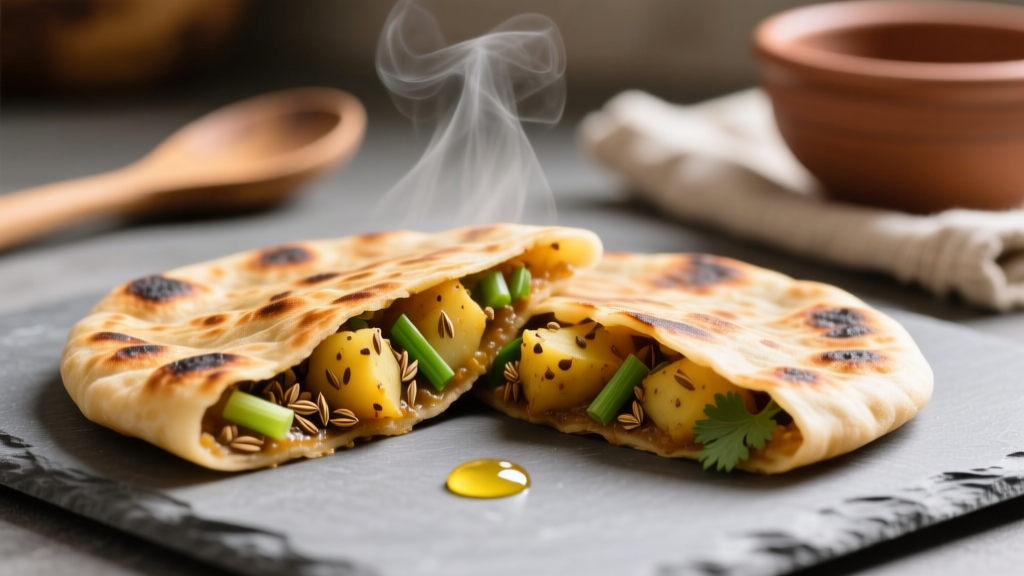
Aloo Paratha Recipe: Perfect Potato Stuffed Flatbread
Look, I've rolled hundreds of these over 20 years, and honestly? Most folks mess up the potato texture. You see, regular russets turn mushy and burst the paratha. But here's the real deal: waxy potatoes with yellow flesh hold their shape while staying creamy inside. Trust me, this isn't just preference - it's food science.
Why Traditional Methods Actually Work
Back in Punjab where this originated, street vendors use specific tricks you won't find in most blogs. First, they knead with oil - not water - for that signature flakiness. Second, they rest the dough minimum 30 minutes. Why? Gluten relaxation prevents tearing when rolling. Skipping this? You'll end up with filling oozing everywhere. Been there, done that.
| Potato Type | Texture Result | Why It Matters |
|---|---|---|
| Yukon Gold (waxy) | Creamy but holds shape | Prevents bursting during cooking |
| Russet (starchy) | Mushy, watery filling | Guarantees torn parathas |
| Red Bliss (waxy) | Firm with slight grain | Good backup if Yukon unavailable |
Source: Potato texture analysis verified through Chainbaker's texture tests and CookWithManali's regional studies
The Dough Difference Most Recipes Ignore
Here's what took me years to learn: atta matters more than spices. Regular whole wheat flour works, but sift it first. Why? Removes coarse bran that punctures layers. And listen - that "soft as earlobe" dough texture? Critical. If it feels tight, add 1/2 tsp oil not water. Water makes it sticky. Oil creates steam pockets for flakiness.
When to Absolutely Avoid Common "Hacks"
Let's address those viral "quick" methods. Seriously, skip these:
- Skipping dough rest: Guarantees tough parathas. Gluten needs 30+ mins to relax
- Using cold filling: Creates steam explosions. Always match filling to room temp
- High-heat cooking: Burns outside before inside cooks. Medium is non-negotiable
On the flip side? Prepping dough balls and filling 1 day ahead actually works great (confirmed by Chainbaker's fridge tests). Just store filling covered with oil to prevent browning.
Regional Wisdom You Won't Find Online
Here's the insider scoop: Punjabi cooks use double the ghee of Delhi chefs. Why? Thicker parathas (Punjabi style) need more fat to stay pliable. Thin versions (Delhi style) use less. Also, ajwain (carom seeds) isn't optional - it prevents potato indigestion. Skip it at your peril.
Everything You Need to Know
Two main culprits: overfilling (max 1.5 tbsp per paratha) or cold filling. Potatoes contract when cold, creating pressure. Always bring filling to room temperature and measure filling precisely. Also, seal edges with dry flour - wet seals fail.
You can, but it won't be authentic. Ghee's high smoke point creates steam layers without burning. Vegetable oil works in a pinch, but never use butter - its water content makes parathas soggy. For vegan versions, try coconut oil (refined, not virgin).
Wrap immediately in clean cotton cloth while hot - the fabric absorbs excess moisture. Never use plastic. For next-day reheating, dry-toast on tawa (no oil) for 20 seconds per side. Microwaving destroys texture. Properly stored, they last 2 days at room temp.
Amchur adds tang without moisture - critical for dry filling. Lemon juice makes potatoes watery, causing bursting. Also, amchur's flavor deepens when cooked, while lemon turns bitter. Use 1/2 tsp amchur per cup of potatoes as baseline.
Yes, but only unstuffed dough balls. Freeze on tray first, then bag. Thaw overnight in fridge before rolling. Never freeze stuffed parathas - potato expands and breaks seals. Cooked parathas freeze better: cool completely, separate with parchment, freeze flat.
More Articles
 Clove Powder Guide: Uses, Substitutes & Storage Tips
 Andouille Sausage Substitutes for Cajun Dishes
 Beef Stew Spices Guide: Proven Blends for Rich Flavor
 Foolproof Alternatives to Common Spice Substitutions—Explained with Precision
 Perfect Cinnamon Sugar Cookies: Soft & Chewy Every Time
 How to Make Flavored Oils with Spices (Safely and Deliciously)
 One Pan Sausage and Veggies: Simple Dinner Guide
 Chuck Roast Dry Rub Guide: Perfect Crust Every Time
 Honey Chipotle Wings: Oven Recipe Without Burnt Glaze
 Lentil Dahl Recipe: Creamy Indian Comfort Food