Marinara Sauce Ingredients: Authentic vs Americanized
Look, I've tested over 50 "marinara" sauces in my kitchen over 20 years, and here's the brutal truth: what you're buying at the store is usually impostor sauce. That gloppy, onion-heavy jar? Not marinara. Real marinara should taste like a sun-drenched Naples harbor—fresh, sharp, and clean. Let's cut through the confusion.
The Fisherman's Secret (No, It's Not Fish)
Honestly, the biggest myth I hear is "marinara must have seafood." Total misunderstanding. As Mia Emilia explains, Neapolitan fishermen created this sauce because their ingredients had to survive days at sea. Olive oil doesn't spoil, tomatoes were canned, garlic kept pests away. They'd toss this quick sauce over fresh catch—but the sauce itself? Pure plant-based simplicity.
Why Your "Marinara" Tastes Wrong (The Onion Trap)
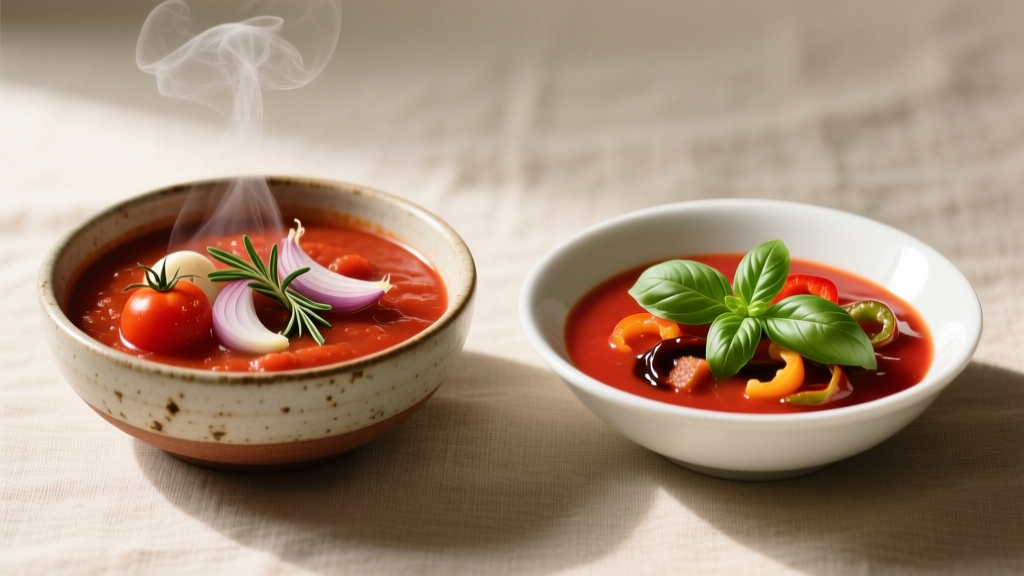
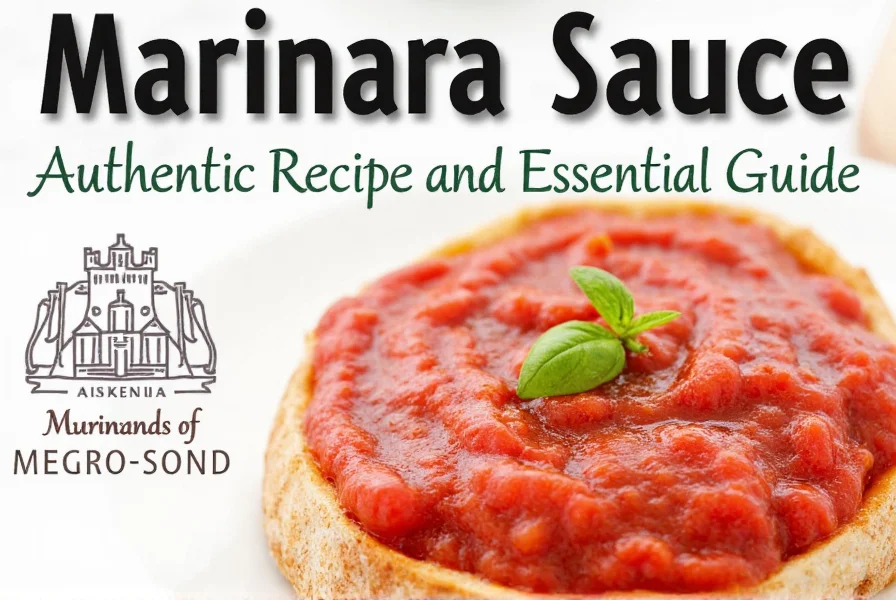
See, American brands butchered this sauce by adding sofrito—that onion-carrot-celery base used in ragù. But authentic marinara skips it entirely. Why? Because onions turn muddy when simmered, killing the bright tomato flavor. As WebstaurantStore confirms, true marinara needs just: crushed tomatoes, garlic, olive oil, and herbs. Period. Sugar? Absolutely not—that's a hack for cheap tomatoes.
| Authentic Marinara | American "Marinara" |
|---|---|
| San Marzano tomatoes (DOP certified) | Generic tomato puree |
| Garlic only (minced) | Onions + garlic + sometimes carrots |
| Extra-virgin olive oil | Cheaper oils (like canola) |
| Fresh oregano/basil | Dried herbs + sugar |
| 20-30 minute simmer | Hours of cooking |
When to Use (and When to Run)
Here's the thing: authentic marinara shines with delicate flavors. Use it for:
- Seafood pasta (like spaghetti alle vongole)
- Bruschetta topping
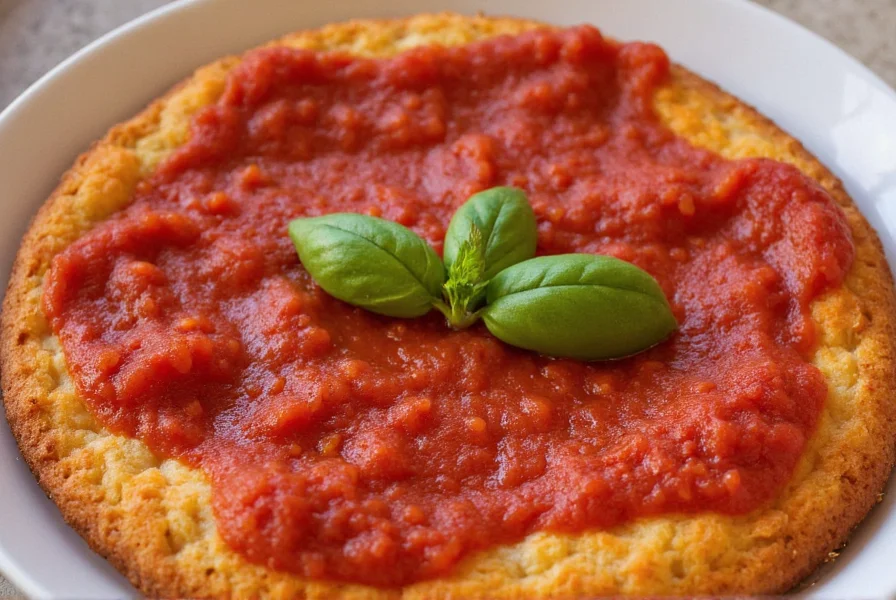
- Pizza base (thin layer only!)
Avoid it when:
- Cooking with meat (that's ragù territory)
- Need a sweet sauce (arrabbiata handles spice better)
- Using low-quality canned tomatoes (it'll taste acidic)
Spot Fakes Like a Pro
Walk into any grocery store, and you'll see "marinara" labels hiding traps. My field test:
- Check the first ingredient: Must be "tomatoes" or "crushed tomatoes." If it's "tomato puree" or "tomato paste," it's diluted.
- Hunt for onions: Any mention of "onion" or "sofrito"? Fake. Real marinara lists garlic only.
- Sugar alert: Added sugar means they're masking poor tomatoes. Skip it.
- Look for DOP: Authentic San Marzano cans have "Pomodoro San Marzano dell'Agro Sarnese-Nocerino DOP"—that blue seal matters.
Pro tip: That $4 "gourmet" jar with 12 ingredients? It's arrabbiata pretending to be marinara. Stick to 4 ingredients max.
Everything You Need to Know
Because Neapolitan fishermen needed non-perishable ingredients; onions spoil faster at sea. The sofrito base (onion/carrot/celery) is for meat-based ragù, not marinara. Onions also muddy the bright tomato flavor—real marinara should taste clean and acidic.
No—that's an American shortcut for low-quality tomatoes. Authentic San Marzano tomatoes have natural sweetness. If your sauce tastes acidic, you're using bad tomatoes or overcooking it. Simmer max 30 minutes to preserve freshness.
In the fridge: 4 days max (the garlic flavor intensifies unpleasantly after). Freeze it for 3 months—use ice cube trays for single servings. Never store in metal pots; it reacts with the acid.
Absolutely—and preferred! Fresh tomatoes lack concentrated flavor. Use DOP-certified San Marzano cans (like La Valle or Mutti). Avoid "tomato sauce" or "paste"; crushed or whole peeled tomatoes are ideal. That copper pot in photos? It prevents metallic taste but isn't essential.
Overcooking. Marinara isn't ragù—it simmers 20-30 minutes max. Longer turns tomatoes bitter. Also, adding herbs too early kills their freshness. Toss in basil right before serving. And for heaven's sake, skip the onion.
More Articles
 How to Grow Ginger Root Indoors: Step-by-Step Guide
 Powder vs. Quick: A Practical, Science-Backed Comparison of Two Essential Spice Forms
 Cinnamon Raisin Biscuits: Homemade Guide & Nutrition Facts
 Easy Soup Recipes for Busy Days: 5 Quick Soups (2026)
 Healthy Chicken Noodle Soup Recipe: Nutrition-Focused Guide
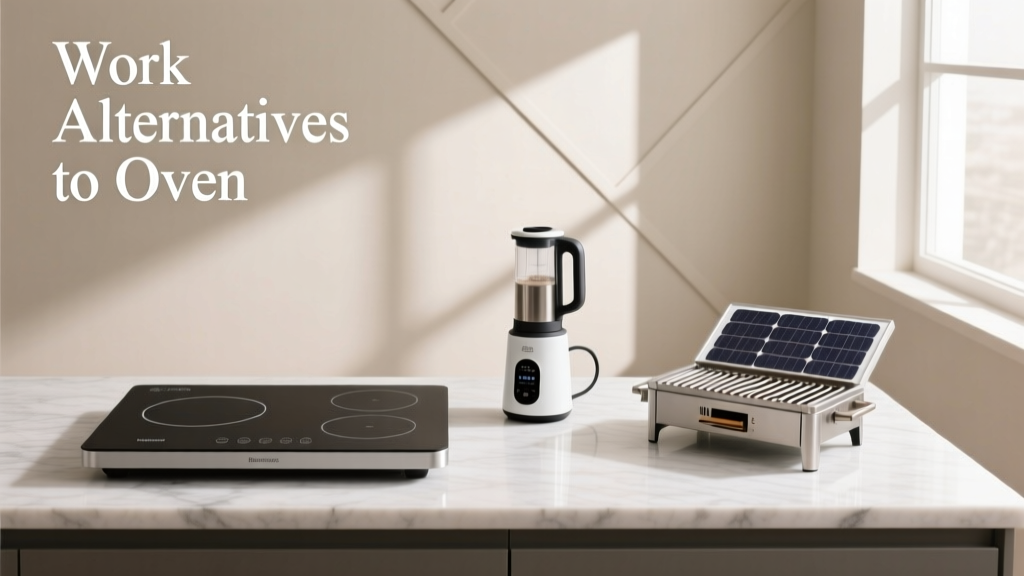 7 Reliable Work Alternatives to Oven Cooking (With Real-World Performance Data)
 Lemon Pepper Pasta: Why Fresh Zest Beats Juice Every Time
 Turkish Red Lentil Soup: The Authentic Breakfast Staple
 Beef Stew Spices Guide: Essential Adds and Ratios
 Growing Ginger Root: Your Step-by-Step Home Guide