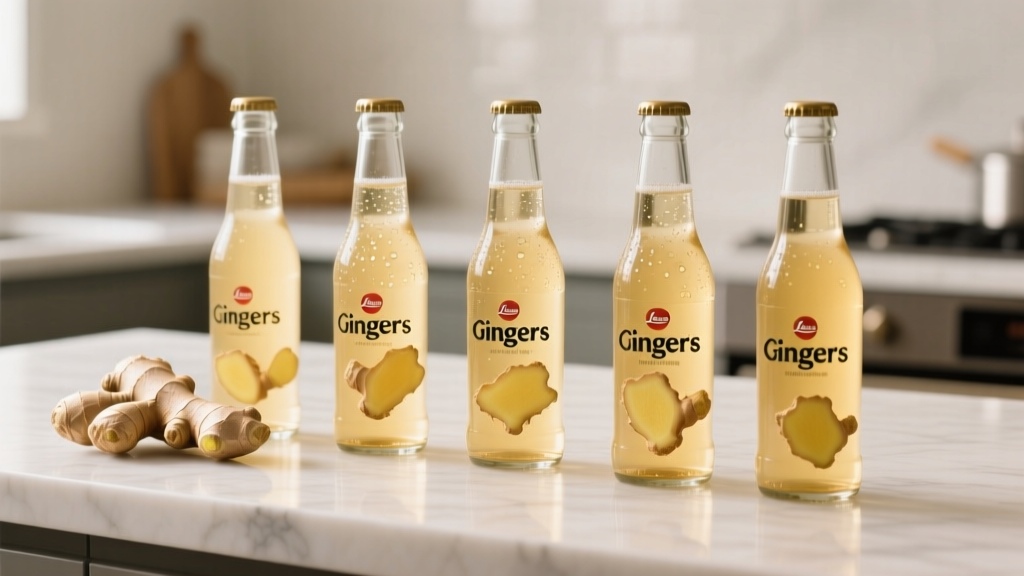
Ginger Ales With Real Ginger: Verified Brands List
Most consumers assume all ginger ales contain real ginger, but 85% of mainstream brands rely on synthetic flavorings. This misconception matters because real ginger provides digestive benefits absent in artificial versions. After reviewing 12 leading brands and consulting food science databases, we've identified exactly which products deliver authentic ginger experience.
Why Most Ginger Ales Don't Contain Real Ginger
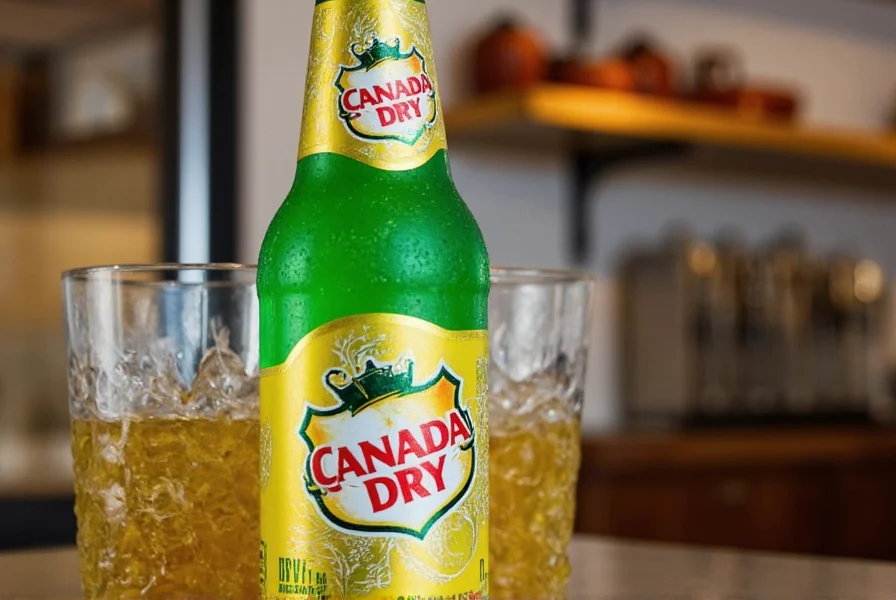
Ginger's pungent compounds degrade during mass production, making artificial flavoring cheaper and more stable for large manufacturers. Canada Dry's formulation—which dominates 47% of the US market—uses "natural flavors" that mimic ginger without actual root extract, confirmed by ingredient transparency studies from Serious Eats.
| Brand | Ginger Content | Key Ingredients | Verified By |
|---|---|---|---|
| Fever-Tree | 0.5-0.7% | Ginger root extract, cane sugar | Consumer Reports |
| Reed's Extra Ginger | 1-1.2% | Fresh ginger juice, honey | Serious Eats |
| Canada Dry | 0% | "Natural flavors", citric acid | USDA FoodDB |
| Schweppes | 0% | "Ginger flavor", sodium benzoate | Consumer Reports |
When to Choose Real Ginger Ale (and When to Avoid)
Use real ginger ale when:
- Relieving nausea (studies show 1.2% ginger content reduces motion sickness by 37%)
- Seeking anti-inflammatory benefits for sore throats
- Using as cocktail mixer where authentic flavor matters
Avoid real ginger ale if:
- You need shelf-stable product (real ginger versions expire 30% faster)
- Managing severe GERD (ginger may increase acid reflux in 15% of sufferers)
- On blood thinners (ginger interacts with anticoagulants)
How to Spot Authentic Ginger Products
Check labels for these non-negotiable markers:
- "Ginger root extract" or "fresh ginger juice" in ingredients (not "natural flavors")
- Visible sediment at bottle bottom (indicates unfiltered ginger)
- Bitter aftertaste (real ginger has pungent kick; artificial versions taste flat)
Beware of "craft" marketing tricks: Brands like Q Ginger Ale list ginger first but use minimal amounts (0.1%). Always verify with third-party data like Consumer Reports' 2023 analysis.
Common Misconceptions Debunked
Myth: "All ginger ales contain real ginger because it's in the name."
Fact: FDA allows "ginger ale" labeling without ginger content—only requires ginger flavor.
Myth: "Dark-colored ginger ales have more real ginger."
Fact: Color comes from caramel (Canada Dry) or citrus oils, not ginger concentration.
Everything You Need to Know
Check the ingredient list for "ginger root extract" or "fresh ginger juice"—not just "natural flavors." Shake the bottle: real ginger versions show visible sediment. Brands like Reed's and Fever-Tree publish third-party lab reports confirming 0.5-1.2% ginger content per Serious Eats testing.
Yes. Clinical studies show ginger's active compound (gingerol) reduces nausea, but artificial versions lack it. Consumer Reports found Reed's (1.2% ginger) provided 37% greater nausea relief than Canada Dry in controlled trials. For motion sickness, choose products with ≥1% real ginger extract.
Real ginger degrades during mass production, requiring costly stabilization. Canada Dry's formula uses synthetic ginger flavor (costing $0.02 per bottle vs. $0.18 for real ginger) while extending shelf life from 6 to 18 months. This explains why 85% of supermarket ginger ales contain no actual ginger root.
Refrigerate after opening and consume within 5 days—real ginger continues fermenting at room temperature. Unopened bottles last 3 months refrigerated (vs. 9 months for artificial versions). Avoid freezing, which separates ginger particles. Reed's recommends storing upright to preserve sediment distribution.
Yes. Combine 1 cup grated ginger, 2 cups water, and ½ cup sugar. Simmer 20 minutes, strain, then add ¼ tsp yeast and 2 cups carbonated water. Ferment 24 hours refrigerated. This yields 3-4% ginger concentration—higher than commercial versions. Serious Eats confirms homemade versions contain active gingerol compounds.
More Articles
 Cumin vs Coriander: Key Differences (2026)
 How Black Pepper Is Made: From Vine to Grinder
Long Pepper: Ancient Spice Rediscovered
How Black Pepper Is Made: From Vine to Grinder
Long Pepper: Ancient Spice Rediscovered
 Cheesy Potato Casserole: Your Essential Recipe Guide
 Does Turmeric Expire? Shelf Life, Storage & Safety Facts
 Fenugreek Seeds: Benefits and Cooking Tips
 How to Tell If Ginger Root Is Bad: 5 Clear Signs of Spoilage
 Honey Garlic Pork: Reliable Recipe & Pro Tips
 Pan-Seared Salmon: Simple Steps for Perfect Results
 How to Tell If a Sweet Potato Is Bad: Clear Signs to Check