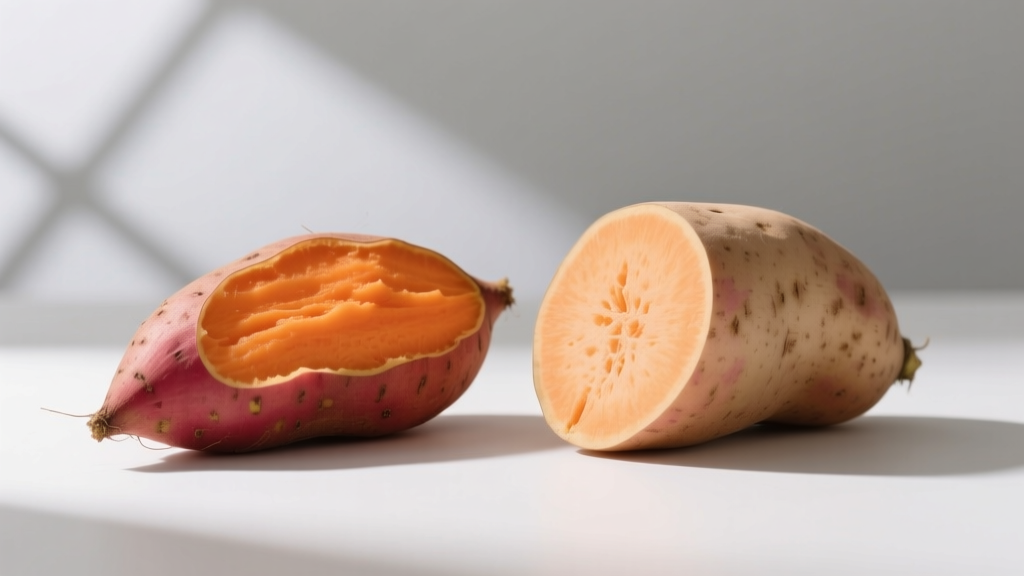
Japanese Sweet Potato vs Sweet Potato: Key Differences
When you're standing in the produce aisle trying to decide between Japanese sweet potatoes and regular sweet potatoes, the choice isn't just about color—it affects your entire cooking experience. Understanding these differences helps you select the right variety for your recipe and achieve perfect results every time.
What Makes Japanese Sweet Potatoes Different?
Despite the similar name, Japanese sweet potatoes (Ipomoea batatas cultivar 'Beni Azuma' or 'Okinawan') and regular sweet potatoes (Ipomoea batatas cultivar 'Beauregard' or 'Jewel') belong to the same species but have distinct characteristics developed through selective breeding in different regions.
Japanese sweet potatoes, often called satsumaimo in Japan, originated in Central America but were cultivated extensively in Japan and Okinawa. Regular sweet potatoes have been developed primarily in the United States and are what most Americans consider "sweet potatoes."
Visual and Physical Differences
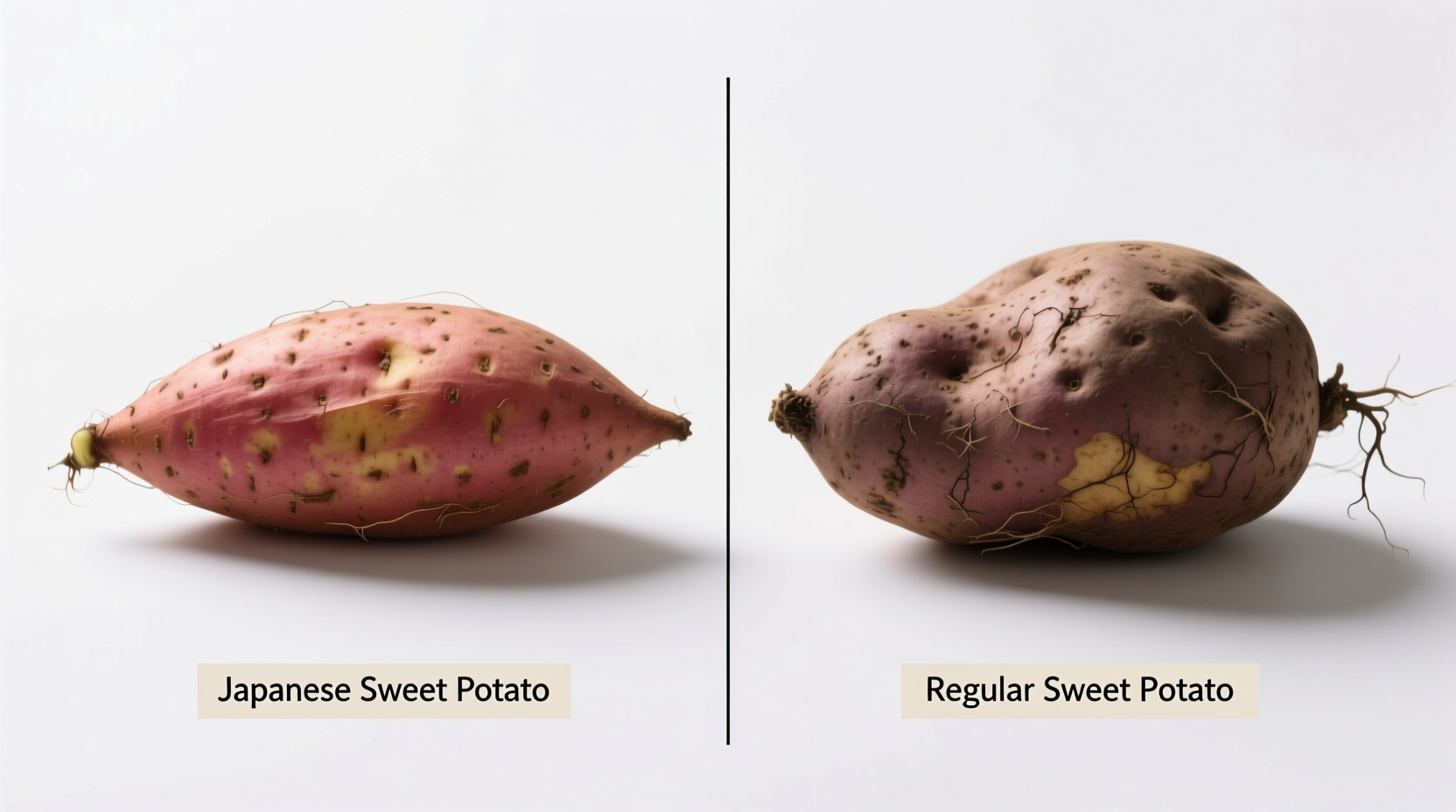
The most immediate way to tell these varieties apart is by appearance:
- Japanese sweet potatoes: Deep purple or reddish-brown skin with creamy white to pale yellow flesh that turns golden when cooked
- Regular sweet potatoes: Light brown or copper skin with vibrant orange flesh (though white-fleshed varieties also exist)
When raw, Japanese sweet potatoes feel denser and heavier for their size compared to regular sweet potatoes, which often have a slightly softer texture.
Nutritional Comparison: What the Numbers Reveal
Both varieties offer impressive nutritional profiles, but with some meaningful differences that might influence your choice based on dietary needs:
| Nutrient (per 100g) | Japanese Sweet Potato | Regular Sweet Potato |
|---|---|---|
| Calories | 86 kcal | 86 kcal |
| Carbohydrates | 20g | 20g |
| Dietary Fiber | 3g | 3g |
| Sugar | 4.2g | 4.2g |
| Vitamin A | 0 IU | 14,187 IU |
| Vitamin C | 12mg | 2.4mg |
| Glycemic Index | 48 | 70 |
Source: USDA FoodData Central (Accessed September 2023)
This nutritional comparison reveals a crucial difference: regular sweet potatoes contain significant amounts of beta-carotene (which converts to vitamin A), giving them their orange color and making them a nutritional powerhouse for eye health. Japanese sweet potatoes lack this compound but offer a lower glycemic index, making them a better option for blood sugar management.
Taste and Texture: How They Perform in Your Kitchen
The flavor and texture differences become most apparent when cooking:
- Japanese sweet potatoes: Develop a naturally sweeter, almost chestnut-like flavor when cooked. Their texture is drier and more mealy, similar to a russet potato, making them excellent for roasting and mashing without becoming soggy.
- Regular sweet potatoes: Offer a more familiar sweet potato flavor with earthy notes. They have higher moisture content, creating that classic moist, tender texture perfect for pies, casseroles, and soups.
Chef Antonio Martinez of the Culinary Institute of America notes: "The starch composition differs significantly between these varieties. Japanese sweet potatoes have more complex carbohydrates that break down into sugars more gradually during cooking, creating that distinctive nutty sweetness without becoming cloying."
Culinary Applications: When to Use Each Variety
Understanding these differences helps you select the right potato for your cooking needs:
Best Uses for Japanese Sweet Potatoes
- Roasting: Their lower moisture content creates beautifully caramelized edges
- Mashing: Creates a light, fluffy texture without becoming gluey
- Grilling: Holds shape better due to denser texture
- Japanese-style preparations: Perfect for traditional dishes like satsumaimo no kinton
Best Uses for Regular Sweet Potatoes
- Baking: Moist texture works well in pies and breads
- Boiling: Retains moisture for soups and stews
- Casseroles: Creates that classic sweet potato casserole texture
- Smoothies: Blends easily into creamy beverages
Storage and Shelf Life Considerations
Both varieties require similar storage conditions but have slightly different shelf lives:
- Store in a cool, dark, well-ventilated place (not the refrigerator)
- Japanese sweet potatoes typically last 2-3 weeks
- Regular sweet potatoes last 3-5 weeks
- Never store near onions, which accelerate sprouting
According to the University of California Cooperative Extension, Japanese sweet potatoes are more susceptible to chilling injury if stored below 50°F (10°C), while regular sweet potatoes can tolerate slightly cooler temperatures.
Can You Substitute One for the Other?
Substitution depends on your recipe's requirements:
- When substitution works: In roasted vegetable medleys or simple baked preparations where texture differences matter less
- When to avoid substitution: In recipes relying on specific moisture content (like pies with Japanese sweet potatoes or dry roasted dishes with regular sweet potatoes)
- Adjustment tip: If substituting Japanese for regular sweet potatoes, add 1-2 tablespoons of liquid per cup of potato. When substituting regular for Japanese, reduce liquid by the same amount.
Seasonal Availability and Sourcing
While both are available year-round in most markets, their peak seasons differ:
- Japanese sweet potatoes: Most abundant October through March
- Regular sweet potatoes: Widest selection September through January
When selecting, look for firm potatoes without soft spots, bruises, or sprouts. The skin should be smooth and free of cuts. Japanese sweet potatoes often have a slightly rougher skin texture compared to regular varieties.
Common Questions About Sweet Potato Varieties
More Articles
 Lowest Carb Potato: Yukon Gold vs Sweet Potato Facts
 Chia Seeds in Coffee: Benefits, Methods & Science-Backed Guide
 What Spices to Put in Chili: Top 7 Must-Haves & Expert Tips
 Calories in 1 Tsp Chia Seeds: Exact Count & Nutrition Facts
 Paprika vs. Bell Pepper: Are They the Same Spice or Just Distant Cousins?
 Why Coriander Tastes Like Soap: Science & Solutions
 How Long Cooked Sweet Potato Lasts in Fridge: 3-5 Days
 Crispy Air Fryer Potato Chips: Simple Homemade Recipe
 Honey Pearl Grapes: Complete Guide to the Sweet Specialty Variety
 Baked Cauliflower Dishes: Crispy Tips & Common Mistakes