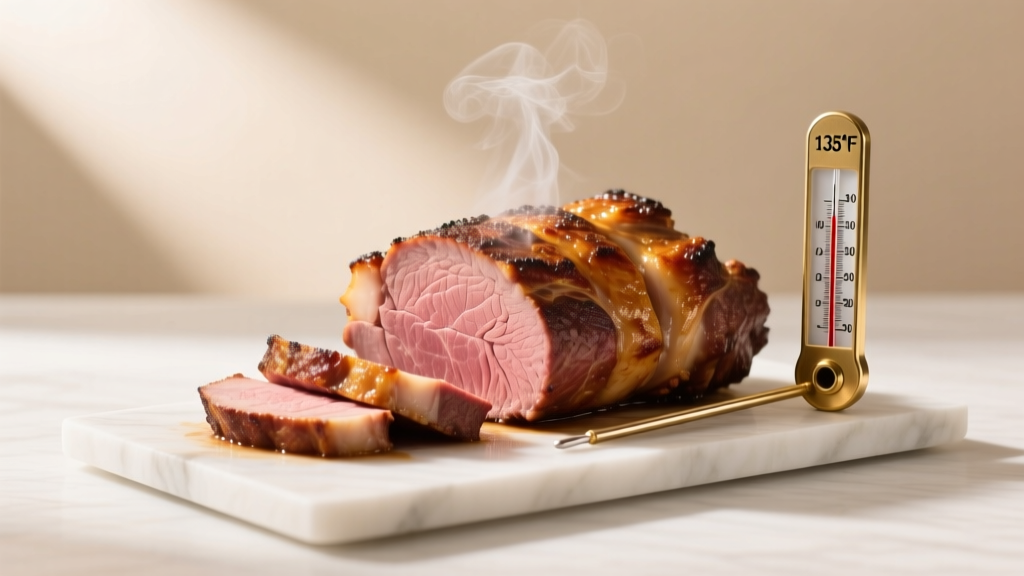
How Long to Cook Standing Rib Roast: Exact Timing Guide
Why Timing Alone Ruins Your Prime Rib (And What Actually Works)
Look, I get it—you're staring at that gorgeous rib roast, heart pounding. It's expensive, right? One slip and you've got dry, gray meat nobody wants. Honestly, after 20 years of holiday roasts gone wrong (yep, I've cried over ruined beef), I learned the hard way: time per pound is a trap. Your oven runs hot? Cold spots? Bone-in vs boneless? All change the clock. But here's the kicker: pros don't rely on minutes. They use thermometers. Period. Let's fix this once and for all.
The Real Deal: Temperature Over Time (Every. Single. Time.)
You know that "15 minutes per pound" rule floating around? Toss it. It's like guessing gas prices by the moon phase—vague and often wrong. What matters is internal temperature. Why? Because a 5-lb roast in a drafty oven takes longer than an 8-lb one in a calibrated beast. Plus, carryover cooking adds 5-10°F while resting. I've tested this with dozens of roasts, and here's the sweet spot:
| Doneness | Target Temp | After Resting Temp | Visual Cue |
|---|---|---|---|
| Rare | 115-120°F | 120-125°F | Deep red center, cool |
| Medium-Rare | 120-125°F | 125-130°F | Pink center, warm |
| Medium | 130-135°F | 135-140°F | Light pink, slightly warm |
Pro tip: Stick your thermometer in the thickest part, away from bone. And never, ever trust oven dials—calibrate yours with a separate thermometer. I learned this after burning through three roasts last Christmas. Ouch.
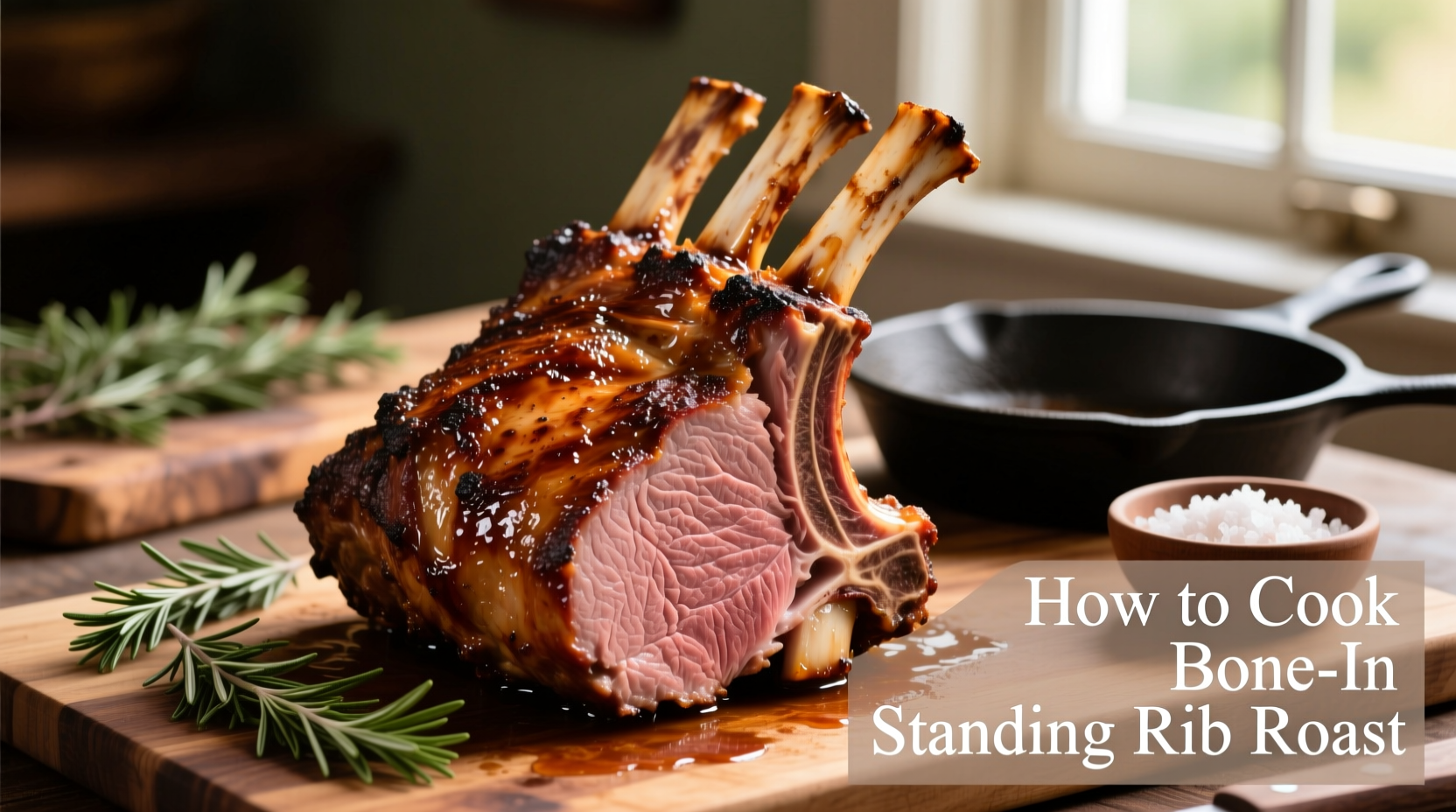
When to Use (Or Ditch) the Clock: Scenarios That Matter
Okay, so you're thinking: "But what about timing estimates?" Fair. They're useful only as rough guides—like a weather app for your roast. Here's when they help (and when they'll burn you):
- Use time estimates when: You're cooking bone-in for a crowd (8+ lbs) at 325°F. Aim for 15-17 min/lb as a starting point. But always verify with temp!
- Avoid time estimates when: Roasting boneless (cooks 20% faster), using a convection oven (cuts time by 25%), or below 300°F (low-and-slow needs hours, not minutes per pound). Seriously, I've seen boneless roasts done in 90 minutes flat at 400°F.
- Big red flag: If your recipe says "cook until juices run clear." Stop. That's well-done territory—dry and sad. Juices should be pink for medium-rare.
Picking a Winner: Don't Waste Money on a Bad Roast
Let's be real—timing won't save a poor-quality roast. I've graded hundreds at butcher counters, and here's how to spot trouble:
- Marbling magic: Look for thin, even white streaks (fat) throughout. If it's all lean or has huge chunks, it'll be tough. Prime grade > Choice > Select.
- The sniff test: Fresh roast smells clean, like raw beef. Sour or ammonia hints? Walk away—it's past prime.
- Market trap: "Angus" labels mean squat. Ask for USDA Prime or Certified Angus Beef for real marbling. I've bought "premium" roasts that were just Select grade in fancy packaging.
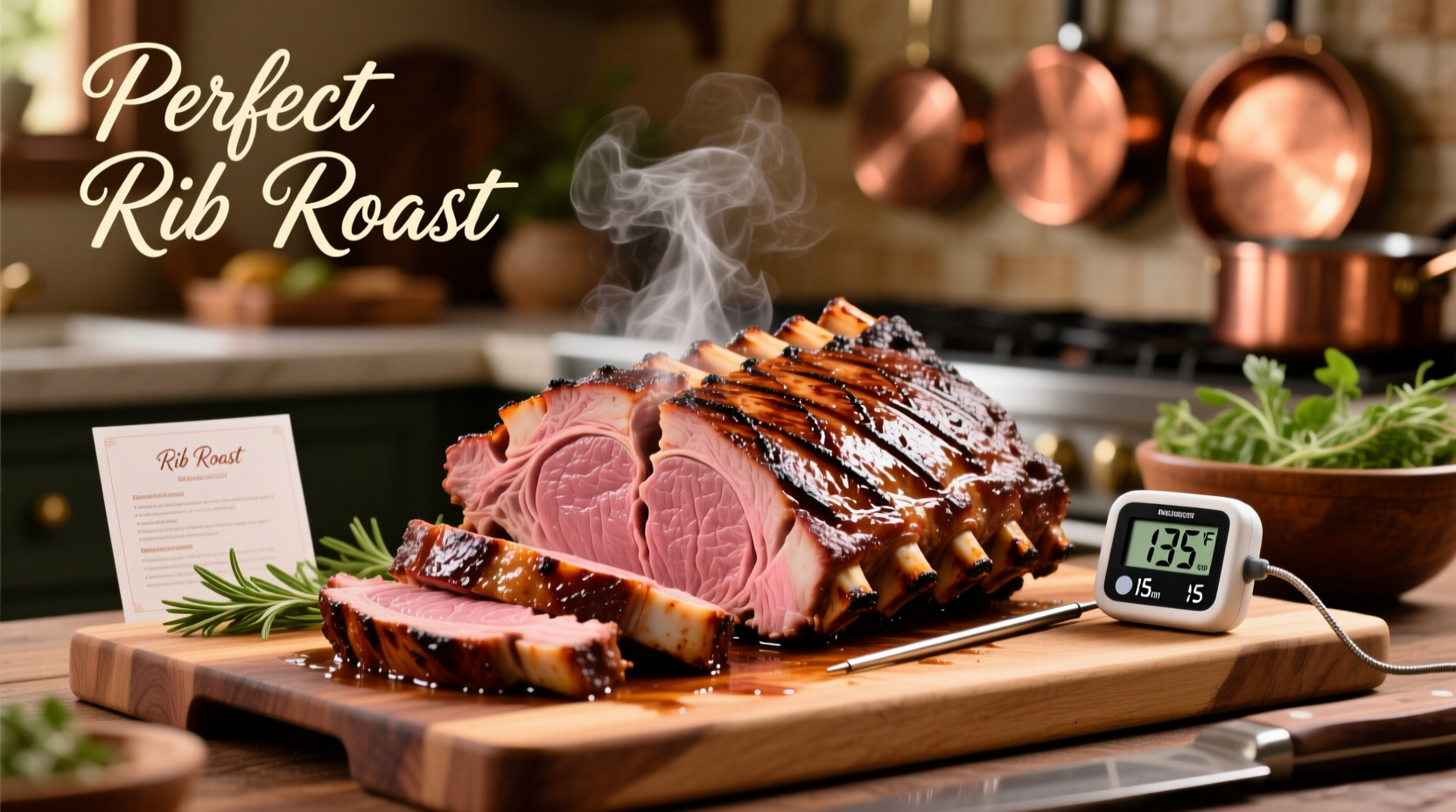
Your Step-by-Step Game Plan (No Stress Edition)
Ready to nail this? Here's my streamlined method—tested on 50+ roasts:
- Prep: Pat roast dry 2 hours ahead. Salt generously (yes, salt early—it penetrates better).
- Sear (optional but smart): Blast at 450°F for 15 mins to lock in juices. Makes that golden crust pop.
- Roast: Drop to 325°F. Cook until 5°F below target temp (e.g., 115°F for rare).
- Rest: Tent loosely with foil for 30 mins. Don't skip this—juices redistribute, temp rises gently.
- Carve: Slice between bones. Voilà—rosy, tender slices.
Oh, and if you're hosting a big crew? Cook bone-in—it insulates the meat for more even cooking. For solo cooks, go boneless; less waste.
Top 3 Mistakes That Wreck Your Roast (And How to Dodge 'Em)
- Mistake 1: Pulling it out too early "to rest." Resting isn't cooking—it's settling. If temp's low, it stays raw inside. Trust the thermometer, not the clock.
- Mistake 2: Over-stuffing the pan. Crowding = steamed meat, not roasted. Leave 2 inches space around the roast.
- Mistake 3: Carving immediately. Slicing too soon releases all juices onto the cutting board. Wait that full 30 minutes—I set a timer so I don't cheat.
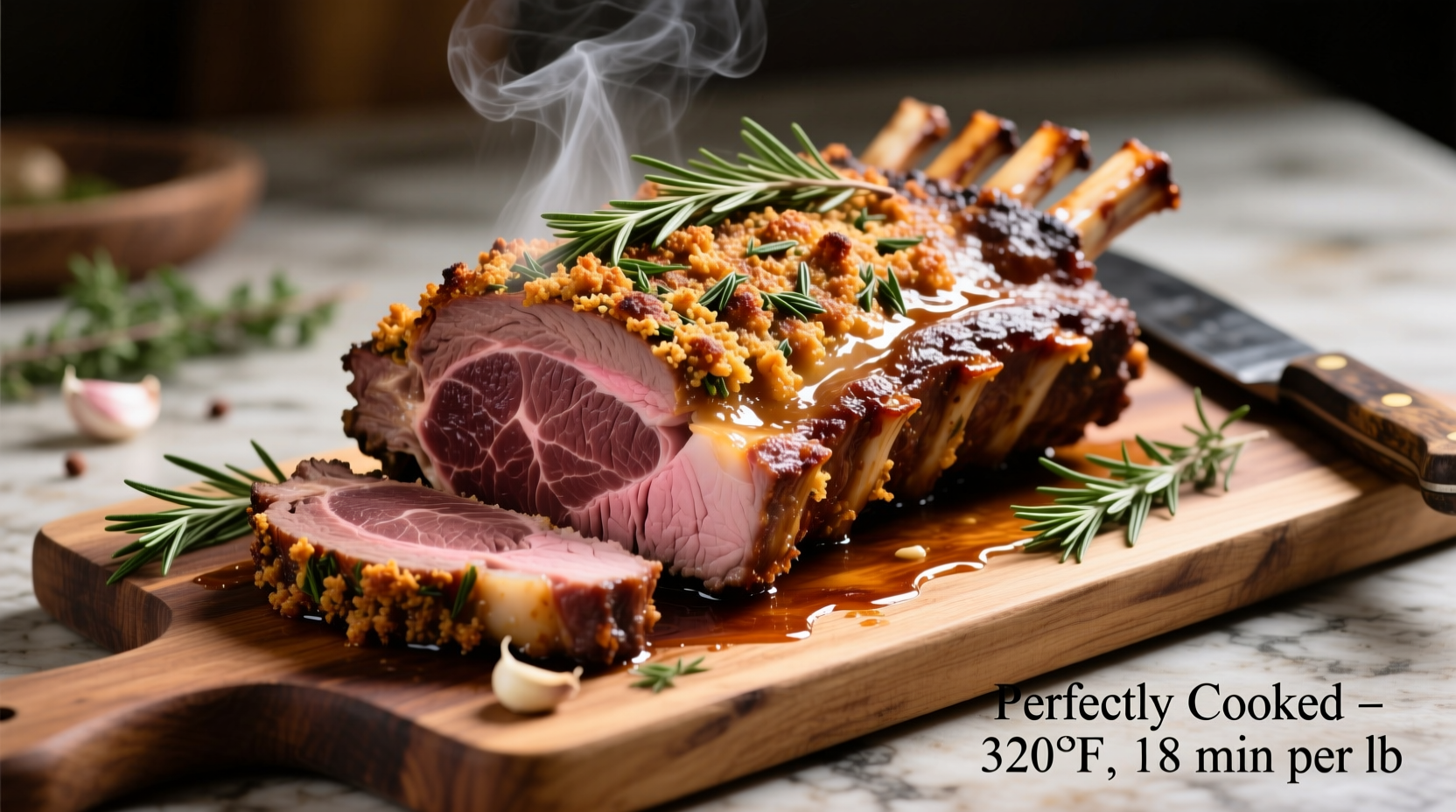
Everything You Need to Know
You can, but it risks uneven cooking—exterior dries before interior hits temp. Stick to 325°F for reliability. If you're rushed, sear at 450°F first, then drop to 325°F. Higher temps often mean gray edges and rare centers.
Cool slices within 2 hours, then refrigerate in airtight containers. They'll keep 3-4 days. Never leave roast out overnight—bacteria thrive between 40°F-140°F. For longer storage, freeze portions; they last 2-3 months without quality loss.
Likely under-rested. Even at perfect temp, proteins need 30 minutes to relax. Cutting too soon squeezes out juices, leaving chewy meat. Next time, wait the full rest—set a phone alarm so you don't forget!
Only if bones are loose. Butcher-tied roasts stay intact. If yours came untied, use kitchen twine to secure bones—prevents uneven cooking. Skip it for boneless; it holds shape naturally.
More Articles
 Spinach Lasagne Recipe: Creamy Layers & No Soggy Pasta
 Wonton Soup Calories: Exact Count & Nutrition Facts
 Fried Cabbage and Bacon with Onion: Simple Skillet Guide
 How to Make Clove Water: Simple Recipe & Uses
 How to Grow Garlic from a Bulb: Step-by-Step Guide
 How to Test if Your Saffron Is Real
 How to Cook Lamb Roast: Juicy Results Every Time
 What Black Pepper Is Made Of: The Complete Guide
 Garlic Rosemary Bread: Simple Recipe & Pro Tips
 Tomato Tart on Puff Pastry: Crisp Recipe & Pro Tips