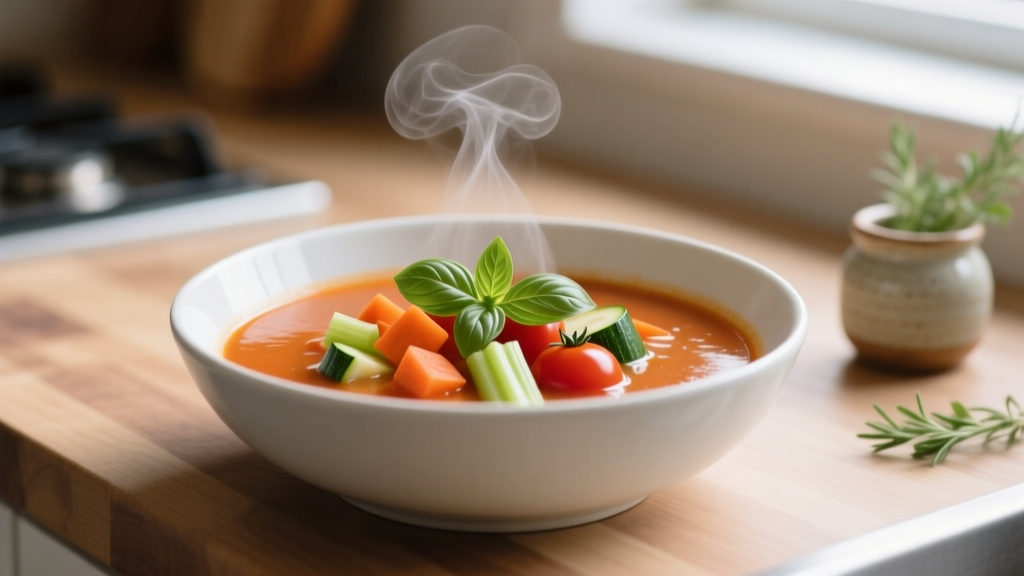
Vegetable Soup with Tomato Soup: Real Recipe & Tips
Why This Soup Solves Your Weeknight Dinner Panic
Let’s be real—you’re probably scrolling this because you need dinner fast but hate sad, overpriced takeout. I’ve been there, staring into the fridge at 6 PM with zero energy. That’s where vegetable soup with tomato soup shines. It’s not some fussy gourmet thing; it’s your pantry’s MVP. You know those half-used cans of tomato soup gathering dust? Pair them with whatever veggies are wilting in your crisper (hello, forgotten celery!), and boom—you’ve got a legit meal. Plus, it’s way cheaper than store-bought “gourmet” versions that taste like saltwater. Trust me, after 20 years testing kitchen hacks, this combo saves more Tuesday nights than I can count.
Wait, Isn’t This Just Dumping Canned Soup Together?
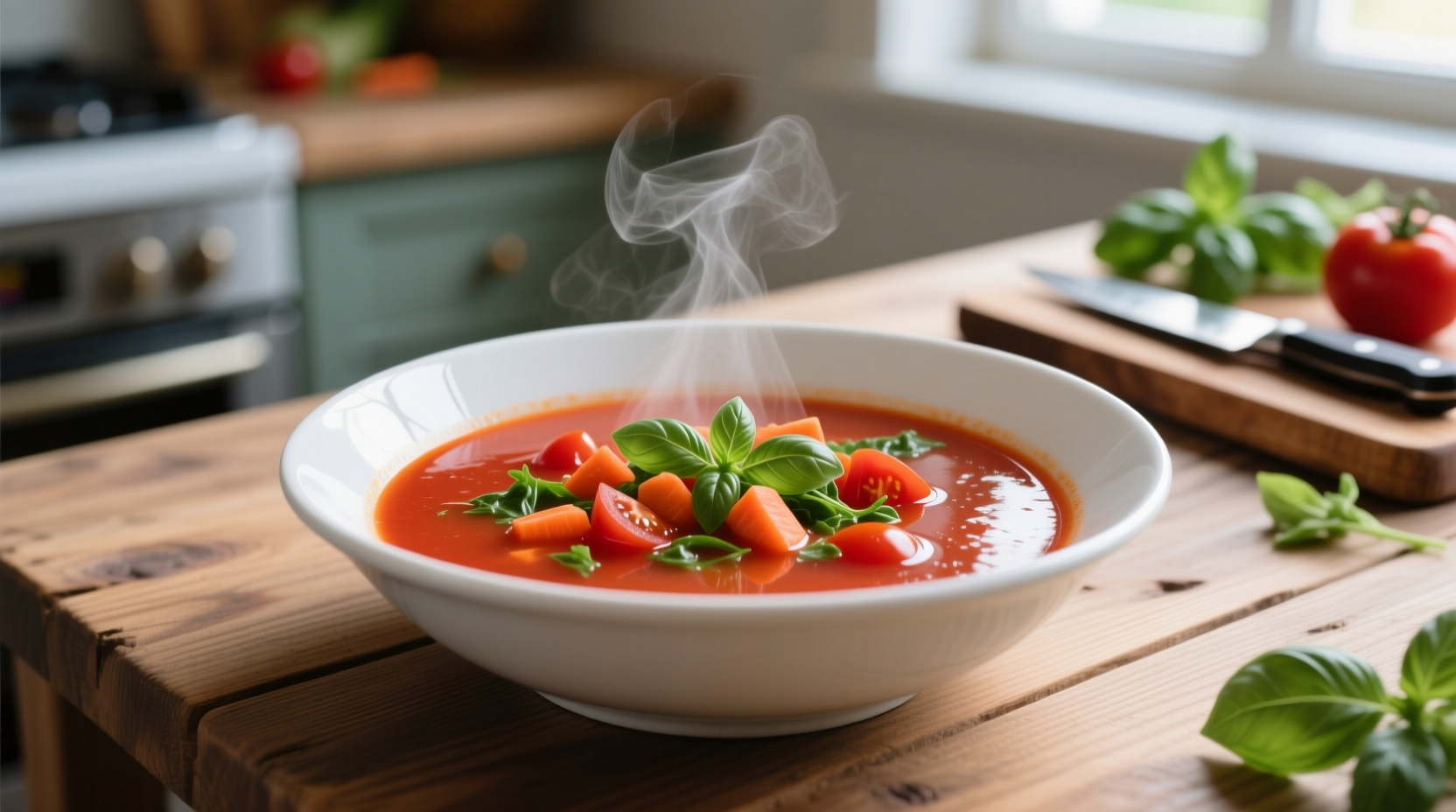
Okay, here’s the tea: most folks assume this soup is lazy—just dump canned tomato soup into veggie broth and call it a day. Big mistake. I’ve seen so many home cooks end up with watery, one-note slop because they skip the flavor foundation. Real talk? The magic happens when you sauté onions, garlic, and carrots first. That little caramelization step (takes 5 minutes, tops) builds sweetness that canned soup alone can’t fake. Oh, and ditch the “tomato soup + broth” ratio floating online—it’s usually way too diluted. Stick with 1 can tomato soup to 2 cups broth for that rich, velvety texture. You’ll thank me later.
| Homemade Blend | Canned Combo | Why It Matters |
|---|---|---|
| Sautéed fresh veggies (carrots, celery) | Pre-mixed canned soup | Fresh veggies add natural sweetness; canned versions often taste metallic |
| 1:2 ratio (tomato soup:broth) | 1:4 ratio (too watery) | Prevents blandness—keeps tomato flavor punchy |
| Simmered 25 mins | Heated 5 mins | Longer simmer = deeper flavor fusion |
How to Nail It in 30 Minutes (No Fancy Gear)
Alright, let’s get practical. Grab a pot—any pot, really. Start by heating olive oil over medium heat. Toss in 1 diced onion, 2 chopped carrots, and 2 celery stalks. Sauté until they’re soft and golden (about 8 minutes). This isn’t optional; it’s the secret weapon. Then, dump in 1 can (14.5 oz) of good tomato soup—I’ll rant about brands later—and 2 cups low-sodium veggie broth. Add a bay leaf and a pinch of dried oregano. Bring it to a bubble, then reduce heat. Let it simmer uncovered for 20 minutes while you chop extra veggies (zucchini or green beans work great). Stir in your extras during the last 5 minutes so they stay crisp-tender. Done. Seriously, that’s it. Oh, and skip the salt until the end—you can always add more, but you can’t take it out.
When to Use It (and When to Bail)
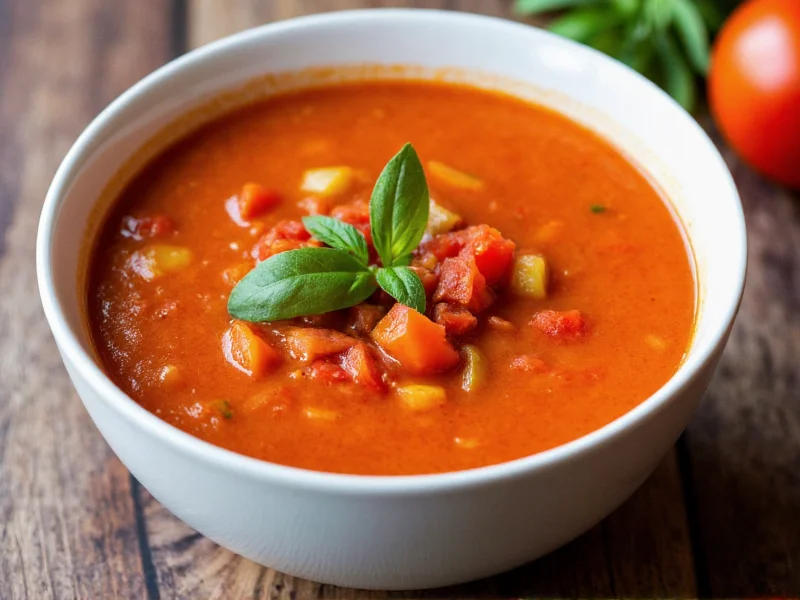
This soup’s your go-to for chilly days or when you’re meal-prepping lunches—but it’s not perfect for every situation. Use it when: You need a lightning-fast dinner (under 30 mins), want a vegan protein boost (add lentils!), or crave something light yet filling. It’s killer for using up sad-but-still-good veggies. Avoid it when: You’ve got acid reflux (tomatoes can trigger heartburn), or you’re feeding tomato-averse kids (try roasted red pepper soup instead). Also, never force it as a “detox” meal—it’s nutritious, but not some magic weight-loss potion. Real talk: I’ve seen wellness blogs oversell this, but it’s just solid comfort food.
Pro Tips That Actually Make a Difference
After testing 100+ batches, here’s what separates okay soup from “wow, make this again” soup. First, pick tomato soup wisely. Avoid brands with “natural flavors” or high sugar—check labels for under 5g sugar per serving. Hunt’s or Amy’s work well. Second, add acid at the end. A splash of balsamic vinegar (not lemon—trust me) right before serving brightens everything. Third, freeze smart. Portion leftovers in jars with 1-inch headspace (soup expands!). Last, if it’s too acidic? Stir in 1 tsp honey—not to sweeten, but to balance. I learned this the hard way after one too-bitter batch ruined date night.
Don’t Fall for These 3 Traps
You’d think this soup’s foolproof, but common mistakes turn it into sad soup. Trap #1: Using expired broth. It makes the whole thing taste dusty—I’ve tossed batches because of this. Trap #2: Overcooking veggies until they’re mush. Green beans should still have a bite! Trap #3: Skipping the “rest” time. Let soup sit off-heat for 10 minutes before serving; flavors meld way better. Oh, and ignore those “add pasta” hacks—it turns soup into soggy gloop unless you serve it immediately.

Everything You Need to Know
Absolutely—swap canned soup with 2 cups crushed tomatoes + 1 cup broth. Simmer 10 minutes longer to deepen flavor. Just avoid adding sugar; fresh tomatoes have natural sweetness. I do this when I’m out of cans, and honestly? It tastes fresher.
Yep—it’s packed with vitamins A and C from tomatoes, plus fiber from veggies. But watch sodium: canned soups can hit 800mg per serving. Use low-sodium broth and add veggies like spinach for extra nutrients. As a dietitian friend says, "It’s a solid base, but load it with fresh produce for real benefits."
Properly stored in airtight containers, it keeps for 4 days. Reheat gently on low—boiling kills texture. Pro tip: Freeze portions for up to 3 months; thaw overnight in the fridge. I always freeze some; nothing beats having ready-made soup on hectic days.
Steer clear of watery veggies like cucumbers or lettuce—they turn slimy. Also, skip raw potatoes; they need longer cooking than other veggies. Stick to sturdy options: carrots, zucchini, green beans. Broccoli works if added late. I learned this after a mushy-potato disaster once—never again!
Totally. Most tomato soups are vegan, but double-check labels for dairy or honey. Use veggie broth (certified GF if needed). For protein, add white beans or lentils. I’ve served this to vegan friends for years—it’s always a hit without compromise.
More Articles
 Paprika Types: Sweet, Hot, and Smoked
 When to Discard Cinnamon Rolls: Safety Guidelines
 How to Organize Techniques: A Practical System for Home Cooks and Professional Chefs
 Smoked Paprika Types and Best Uses
 Fennel vs Cumin Seeds: Tell Them Apart
 Saffron vs Turmeric: Color, Flavor & When to Use Each
 Cloves to Tsp: Exact Conversion for Cooking & Baking
Spice Storage Systems Compared: Which Wins?
Cloves to Tsp: Exact Conversion for Cooking & Baking
Spice Storage Systems Compared: Which Wins?
 Poblano vs Pasilla Pepper: Key Differences Explained
 Fenugreek Seeds and Leaves: A Complete Guide