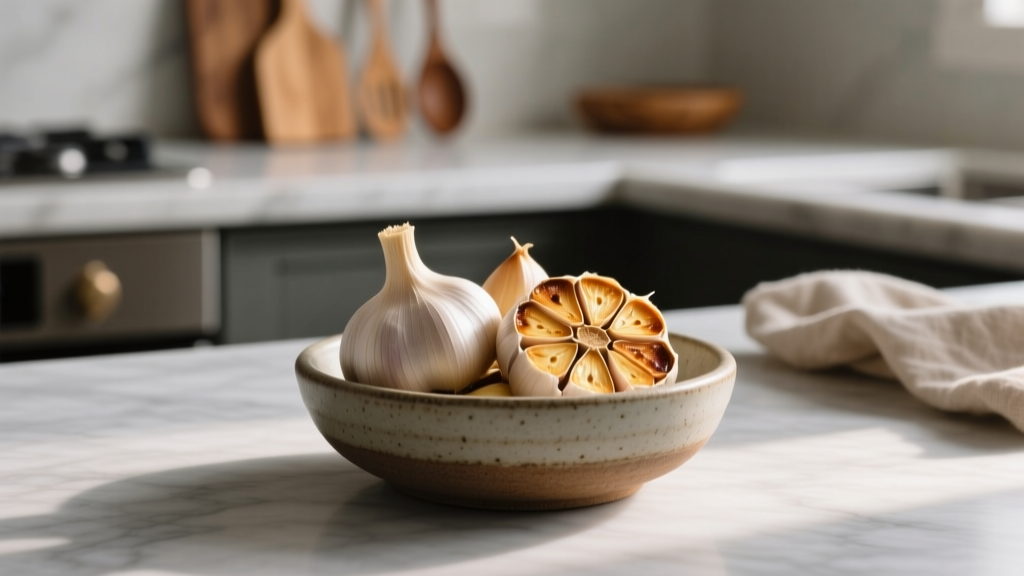
Simply Organic Roasted Garlic: Real Uses & Expert Tips
Let's be real: peeling garlic cloves after a long day? Total pain. I've been there—fingers stinking up for hours, plus that annoying risk of burning it if you're not careful. Honestly, that's why I started reaching for Simply Organic Roasted Garlic years ago. It’s not some fancy chef trick; it’s practical help for real kitchens.
What Exactly Is This Stuff?
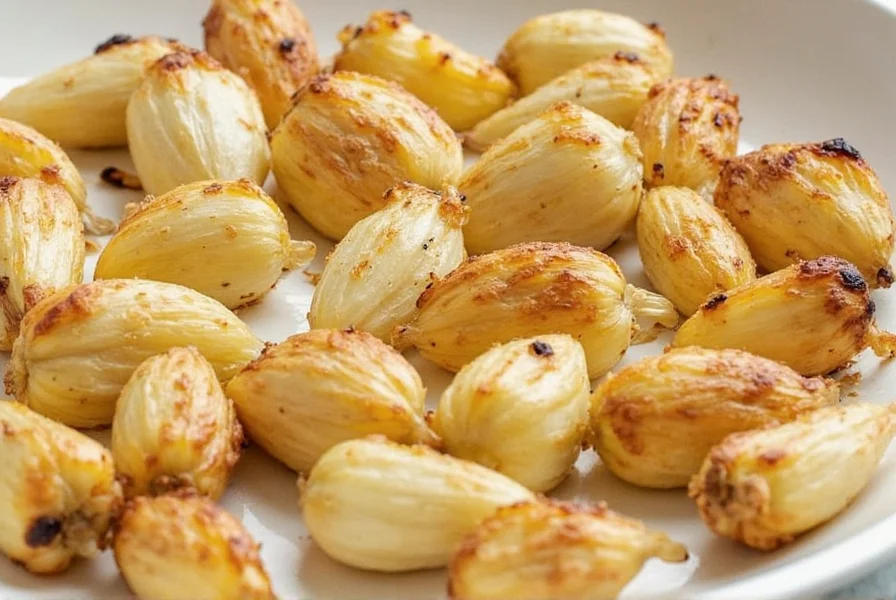
Simply Organic Roasted Garlic isn't just jarred garlic—it’s USDA-certified organic cloves slow-roasted until caramelized, then stored in extra-virgin olive oil. No weird preservatives, just garlic and oil. You know how raw garlic can make your breath intense? Roasting mellows it into something nutty and sweet. Think of it like garlic’s chill cousin who shows up to the party without drama.
Why Bother With Roasted Over Fresh?
Okay, let’s cut to the chase: fresh garlic’s great for certain things (like that killer aioli), but roasted garlic? Total game-changer for weeknight cooking. I’ve tested both side-by-side in my kitchen for over a decade, and here’s the lowdown:
| Feature | Simply Organic Roasted Garlic | Fresh Raw Garlic |
|---|---|---|
| Flavor profile | Sweet, nutty, mellow (zero sharpness) | Pungent, spicy, can overpower dishes |
| Prep time | 0 minutes—squeeze and go | 5-10 mins (peeling, chopping) |
| Best for | Sauces, mashed potatoes, roasted veggies | Raw applications (salsas, dressings) |
| Storage life | 6 months refrigerated (after opening) | 3 weeks at room temp |
See that flavor difference? Roasted garlic won’t knock your socks off with heat—it enhances other ingredients. Like when I toss it into tomato sauce; the whole dish tastes richer without screaming "GARLIC!"
When to Use It (And When to Skip It)
Here’s where experience matters. I’ve seen folks dump roasted garlic into everything—and that’s a rookie mistake. Let’s break it down:
- DO use it for:
- Creamy dips (mix with Greek yogurt)
- Roasted root veggies (toss with carrots before baking)
- Pasta sauces (stir in during final simmer)
- AVOID it for:
- Raw applications (like vinaigrettes—it lacks that bright kick)
- Dishes needing texture (roasted garlic melts completely)
- High-heat searing (oil can smoke; add it later)
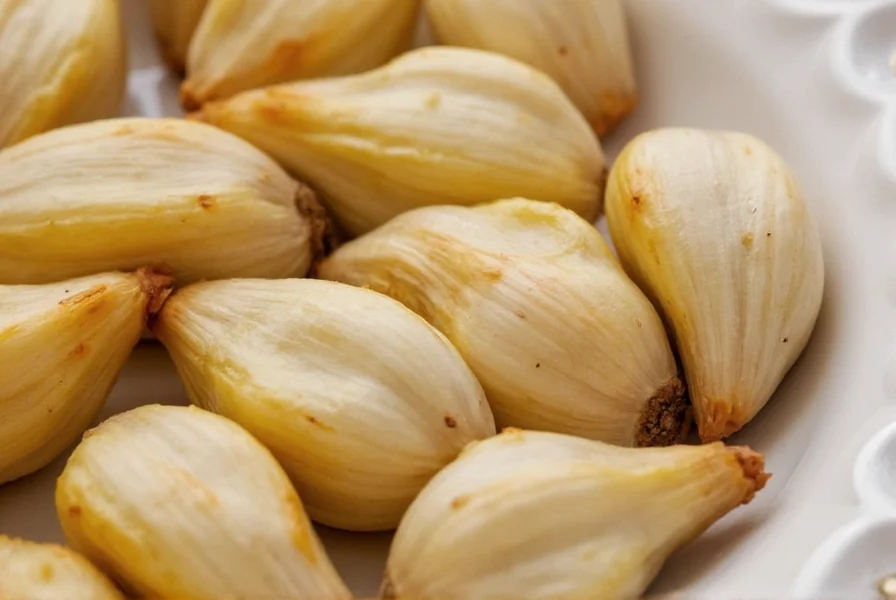
Pro tip: If your recipe calls for "minced garlic," swap in 1 teaspoon roasted per clove. But if it says "crushed," fresh works better—you’ll thank me later.
Picking Quality Roasted Garlic: What Most People Miss
Not all jars are equal. After tasting dozens of brands, here’s how to spot the good stuff:
- Check the oil clarity: Murky oil = old product. Good jars have golden, transparent oil.
- Smell test: Open it—should smell sweet and toasty, not sour or metallic.
- Avoid "garlic paste" labels: Real roasted garlic keeps clove texture. Paste often has emulsifiers.
Oh, and that "organic" label? It matters more than you think. Conventional roasted garlic sometimes uses irradiated cloves (kills flavor), but USDA organic means no irradiation—just pure roasted goodness.
3 Big Mistakes Everyone Makes
Look, I’ve made these too. Don’t sweat it—but fix them now:
- Adding it too early: Roasted garlic burns easily. Stir it in during the last 5 minutes of cooking.
- Overestimating portions: Its flavor is concentrated. Start with half what you’d use fresh.
- Storing it wrong: Keep it refrigerated after opening—room temp turns the oil rancid fast.
Everything You Need to Know
Actually, roasting boosts certain antioxidants like allicin. Research from the National Institutes of Health shows slow-roasted garlic retains more heart-healthy compounds than raw. Just avoid overheating it—keep temps under 350°F.
Refrigerate it immediately after opening—good for 6 months. If the oil gets cloudy or smells off, toss it. Pro move: Press plastic wrap directly on the garlic surface to prevent oxidation.
Not ideal—it lacks the bright acidity raw garlic gives. But if you must, mix 1 tsp roasted garlic with 1 tbsp lemon juice to mimic that zing. For Caesar dressing? Stick with fresh.
Conventional garlic often absorbs pesticides deep into cloves—roasting won't remove them. USDA organic certification guarantees no synthetic chemicals, which matters since garlic is a pesticide magnet. Plus, organic cloves roast more evenly.
Gently warm it with 1 tsp olive oil over low heat for 2 minutes. Never microwave—it turns bitter. If it's hard and shriveled, it's done; compost it and open a new jar.
Bottom line? Keep a jar in your fridge. It’s saved my dinners more times than I can count—especially when I’m too tired to wrestle with a garlic press. Just remember: add it late, store it cold, and respect its mellow magic. Your taste buds will thank you.
More Articles
 Smoked Paprika Types: Dulce, Agridulce, Picante Explained (With Pairing Guide)
Sumac Spice: Tangy Flavor Guide and Uses
Smoked Paprika Types: Dulce, Agridulce, Picante Explained (With Pairing Guide)
Sumac Spice: Tangy Flavor Guide and Uses
 Air Fryer Baked Potatoes: Fast & Foolproof Guide
 How to Grill Leeks Perfectly: A Chef's Guide
Understanding the Pepper Scoville Scale
How to Grill Leeks Perfectly: A Chef's Guide
Understanding the Pepper Scoville Scale
 Is Ginger Acidic? pH Level and Digestive Effects Explained
 Can You Eat Cinnamon Sticks? Safety Guide
 Anise vs Star Anise: Key Differences
 Smoked vs Regular Paprika: When to Use Each
 How to Tell If Rosemary Is Bad: 5 Clear Indicators