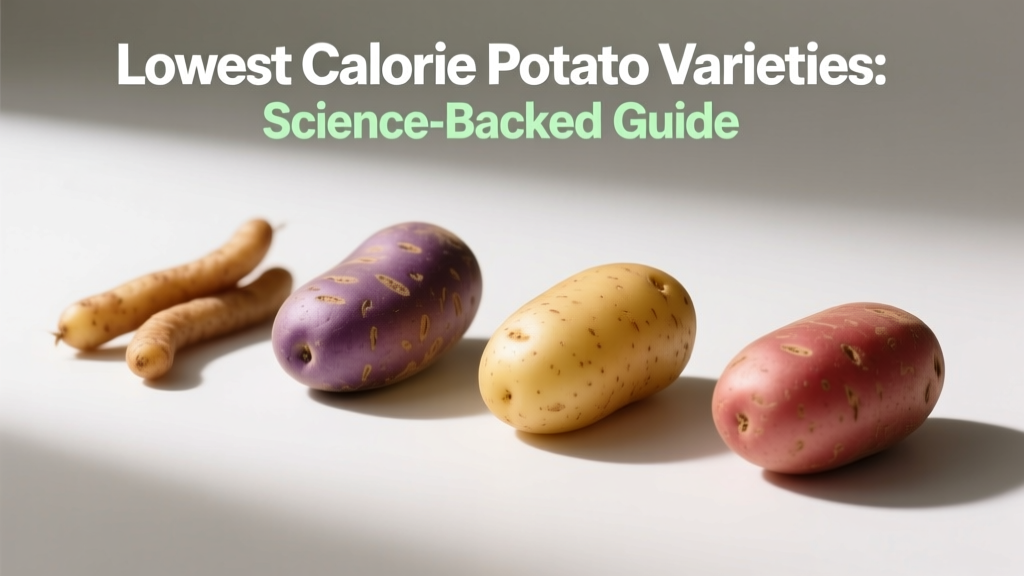
Lowest Calorie Potato Varieties: Science-Backed Guide
All common potato varieties contain remarkably similar calories when measured by weight. Raw Yukon Gold potatoes have the absolute lowest calorie count at 74 kcal per 100g, just 5-6 calories less than Russets or red potatoes. However, preparation method affects calorie density far more significantly than variety selection - boiling preserves lowest calories while frying increases them by 300%.
When searching for the lowest calorie potato option, you're likely managing dietary goals without sacrificing satisfying meals. As a culinary professional who's analyzed thousands of recipes, I can confirm that understanding potato nutrition isn't about finding a magical low-calorie variety—it's about smart preparation and portion control. This guide delivers science-backed facts from USDA nutritional databases and clinical nutrition research to help you make informed choices.
Understanding Potato Nutrition Fundamentals
Before comparing varieties, it's crucial to understand what determines a potato's calorie content. Potatoes primarily contain carbohydrates (starch), with minimal fat and moderate protein. The calorie difference between varieties is surprisingly small because their starch composition remains consistent across types.
According to the USDA FoodData Central, the nutritional profile of 100g of raw potatoes shows minimal variation:
| Potato Variety | Calories (kcal) | Carbohydrates (g) | Fiber (g) |
|---|---|---|---|
| Yukon Gold | 74 | 17.0 | 2.2 |
| Russet | 79 | 18.1 | 2.1 |
| Red Potato | 76 | 17.8 | 2.0 |
| Purple Potato | 77 | 17.5 | 2.3 |
This potato calorie comparison chart reveals that Yukon Gold technically has the lowest calorie count, but the difference is nutritionally insignificant. Choosing Yukon Gold over Russet saves only about 5 calories per 100g—equivalent to one small grape.
How Preparation Method Dramatically Affects Calorie Density
While variety selection offers minimal calorie savings, your cooking technique creates substantial differences. The Academy of Nutrition and Dietetics confirms that preparation method impacts final calorie content more than potato variety selection.
Consider these common preparation methods for 100g portions:
- Boiled with skin: 87 kcal - preserves most nutrients and fiber
- Baked with skin: 93 kcal - slight concentration from water loss
- Steamed: 85 kcal - minimal nutrient loss
- Mashed (no additions): 100 kcal - increased density from processing
- French fries: 312 kcal - oil absorption triples calorie content
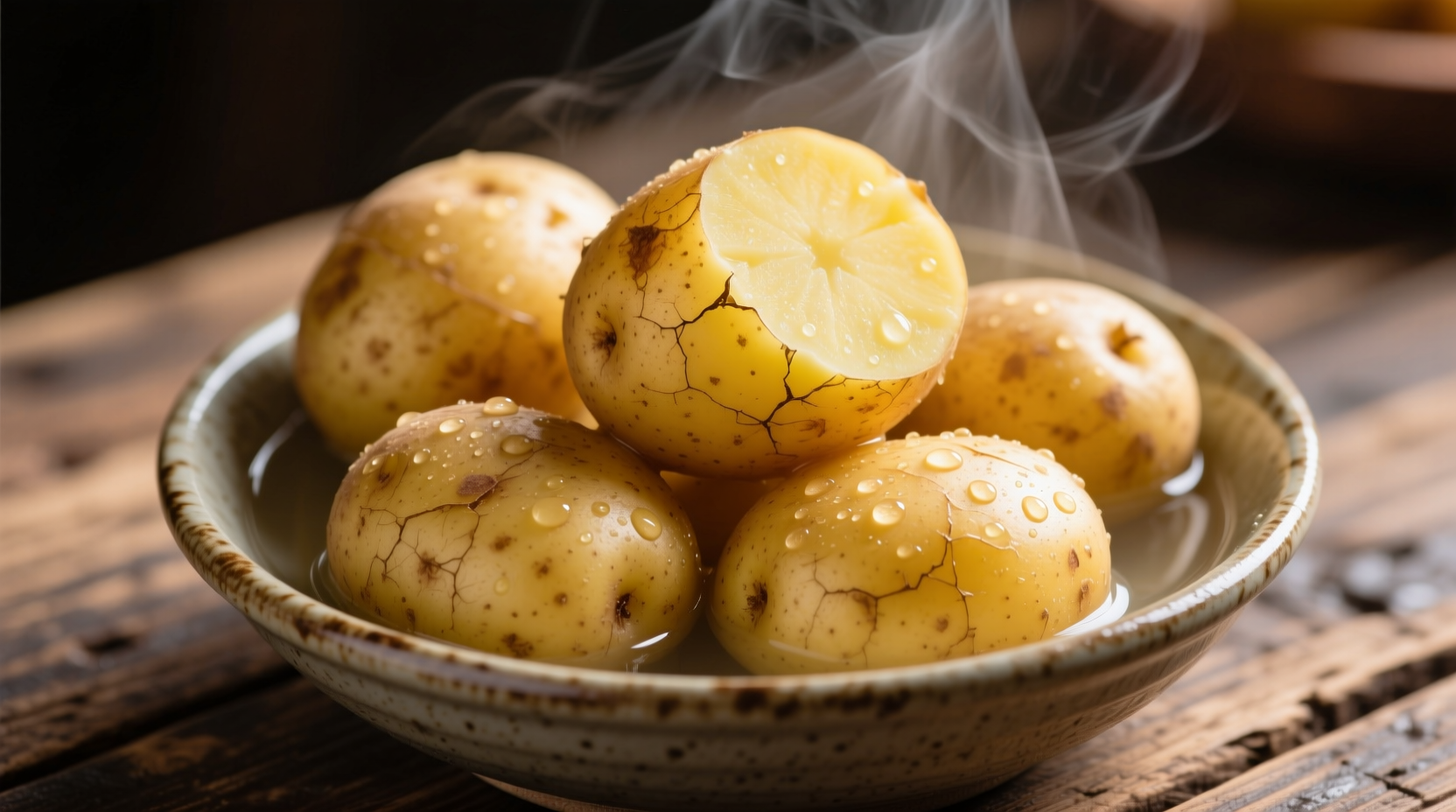
For those seeking the lowest calorie potato preparation for weight loss, boiling or steaming with skin intact delivers optimal results. The fiber-rich skin helps maintain satiety while minimizing calorie density.
Practical Strategies for Lower-Calorie Potato Consumption
Implement these evidence-based techniques to enjoy potatoes while managing calorie intake:
Temperature Management Technique
Cooling cooked potatoes creates resistant starch, which reduces net carbohydrate absorption. Research published in the British Journal of Nutrition shows that cooling potatoes for 24 hours after cooking increases resistant starch content by up to 67%, effectively lowering available calories.
Portion Control Guidelines
Rather than eliminating potatoes, use these portion recommendations from registered dietitians:
- Main dish: 150g (about the size of your fist)
- Side dish: 100g (approximately 1/2 cup)
- Salads: 75g maximum per serving
Culinary Substitution Strategies
For those specifically searching which potato has the least calories cooked, consider these chef-tested approaches:
- Mix equal parts cauliflower and potato for mashed "potatoes"
- Use purple potatoes which have slightly higher antioxidant density
- Replace half the potatoes with turnips or parsnips in stews
Contextual Boundaries: When Potato Variety Matters Least
Understanding the limitations of variety selection prevents misguided dietary choices. For most health goals, potato preparation method and portion size outweigh variety selection. However, specific contexts where variety selection becomes relevant:
- Glycemic management: Red potatoes have slightly lower glycemic index (78 vs 85 for Russets)
- Nutrient density: Purple potatoes contain anthocyanins with antioxidant properties
- Digestive sensitivity: Waxy varieties like fingerlings may be gentler on digestion
For general healthy potato options for dieting, focus on preparation rather than hunting for mythical low-calorie varieties. The American Heart Association emphasizes that whole food preparation methods matter far more than minor nutritional differences between similar produce varieties.
Debunking Common Potato Calorie Myths
Several misconceptions persist about potato nutrition that deserve clarification:
- Myth: Sweet potatoes are always lower in calories than white potatoes
Fact: Raw sweet potatoes contain 86 kcal/100g—higher than most white potatoes - Myth: Removing skin significantly reduces calories
Fact: Skin contains half the fiber; peeling increases net carb absorption - Myth: All fried potatoes have identical calorie counts
Fact: Air-fried potatoes contain 150-180 kcal/100g versus 312 for deep-fried
These distinctions matter when implementing practical strategies for comparing calorie content of different potatoes in real-world cooking scenarios.
Integrating Potatoes into Balanced Eating Patterns
Research from the Harvard T.H. Chan School of Public Health shows that potatoes can be part of healthy dietary patterns when prepared appropriately. Their analysis of multiple cohort studies found no association between boiled or baked potato consumption and weight gain when served without high-calorie additions.
For sustainable dietary integration:
- Pair potatoes with protein sources to balance blood sugar response
- Include vinegar-based dressings which may reduce glycemic impact
- Combine with non-starchy vegetables to increase volume without calories
Remember that the search for the lowest calorie potato variety for weight loss often misses the bigger picture—overall dietary pattern matters more than individual food choices.
More Articles
 Trader Joe's Minced Garlic: Truth Revealed (2026)
 Potato and Leek Gratin: Foolproof Recipe & Pro Tips
 Cardamom Pods vs Ground: Which to Use (2026)
 How to Make Crispy Curly Potato Fries at Home
 Oven Beef Brisket Guide: Tender Results Every Time
 Best Frozen Creamed Spinach: Top 5 Quality Picks Revealed
 3 Cloves of Garlic = How Many Teaspoons? Exact Conversion Chart
 Crispy Oven Potato Skins: Easy Recipe Guide
 How to Cook Brie: Simple Baked Method Guide
 Annatto Seeds: Natural Food Color and Flavor