Sesame Tahini: Uses, Quality Tips, and Common Mistakes
What Tahini Actually Is (And Why It's Not Just Sesame Paste)
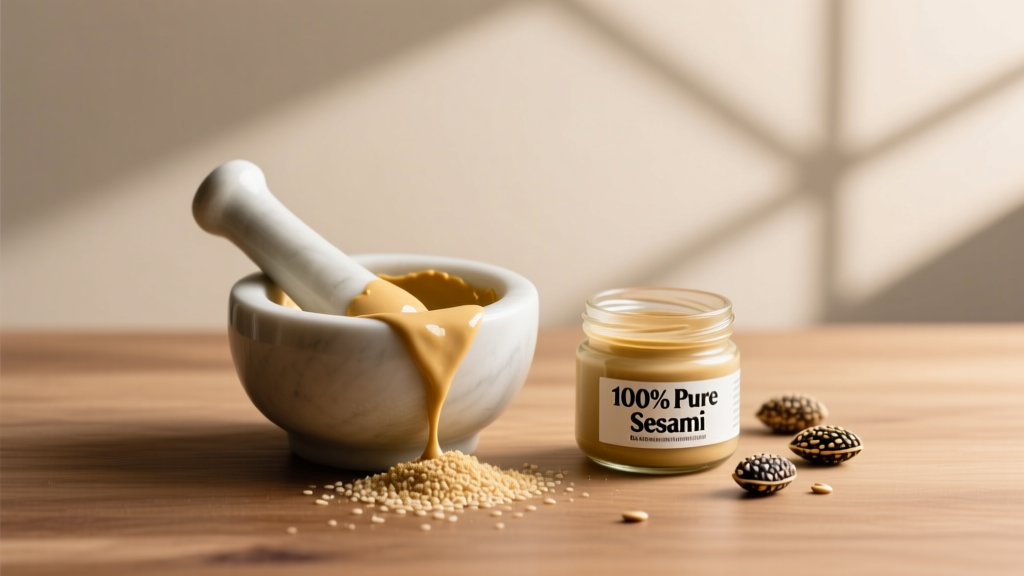
Okay, let's clear this up right away—tahini isn't just smashed-up sesame seeds. The magic happens when hulled sesame seeds get toasted before grinding. That toasting? Total game-changer. It creates that nutty, slightly bitter complexity you can't get from raw seeds. I've seen folks confuse it with Chinese sesame paste (which uses untoasted seeds and often has oil added), but authentic tahini? Pure ground sesame, period. It originated in the Levant centuries ago—think Lebanon, Israel, Palestine—where it's as common as olive oil in pantries.
Why Your Pantry Needs This Stuff (Beyond Hummus)
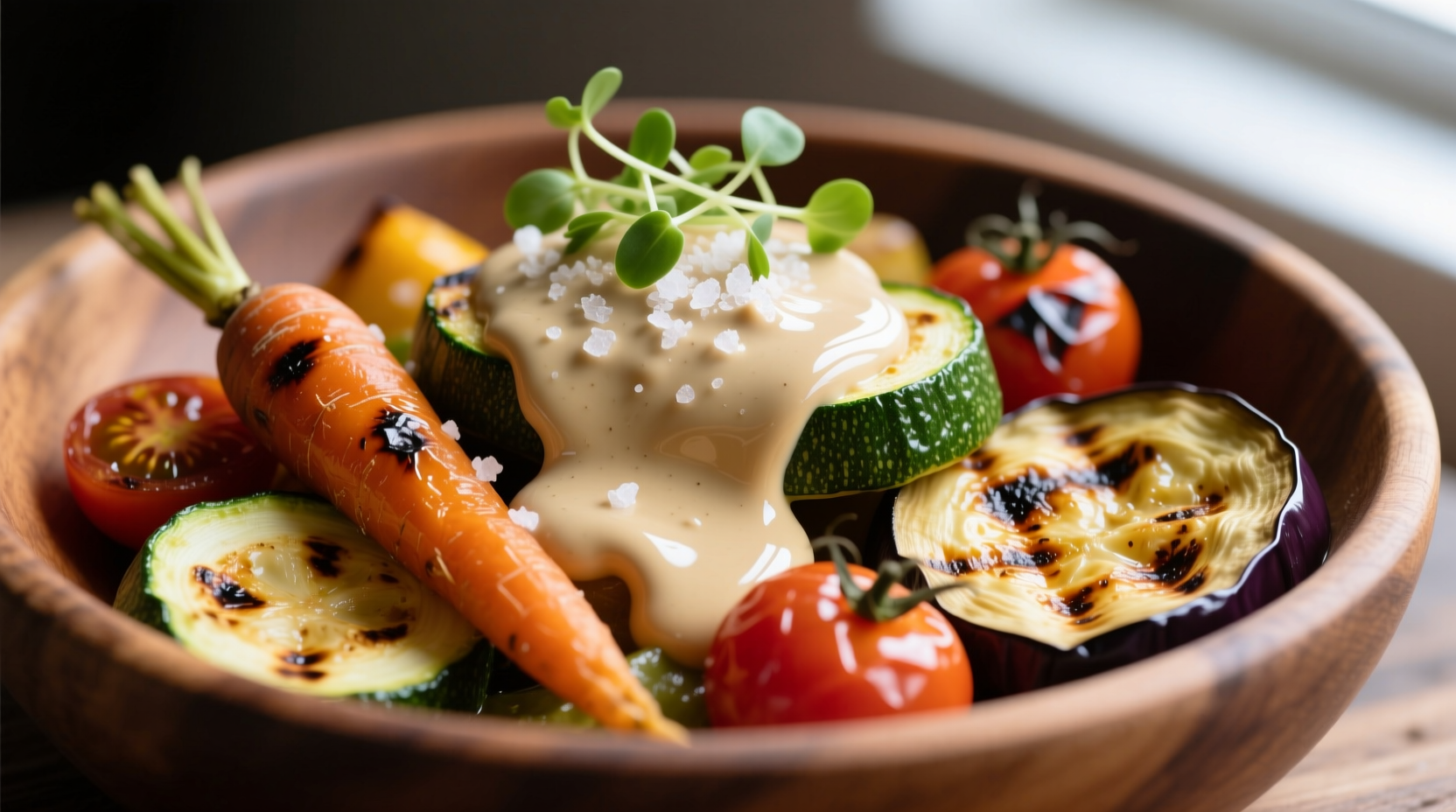
Honestly, if you're still just using tahini for hummus, you're missing out. It's crazy versatile—like a culinary Swiss Army knife. Need a creamy salad dressing without dairy? Whisk tahini with lemon and water. Making roasted veggies boring? A tahini drizzle wakes them right up. Even in desserts! I've used it in halva and cookies for that subtle nutty depth. Nutritionally, it's packed with healthy fats and calcium—though let's be real, we're not eating it for health perks alone. That rich, savory flavor? Unbeatable.
| Feature | Authentic Tahini | Low-Quality Imposters |
|---|---|---|
| Ingredients | 100% sesame seeds | Sesame + sunflower oil, sugar, preservatives |
| Texture | Smooth but pourable (stir well!) | Stiff like peanut butter or watery |
| Color | Creamy beige to light brown | Dark brown (over-toasted) or gray (rancid) |
When Tahini Shines (And When to Skip It)
Let's talk real talk about where tahini works and where it flops. Use it when:
- You're making Mediterranean dips or dressings (hello, easy lemon-tahini sauce)
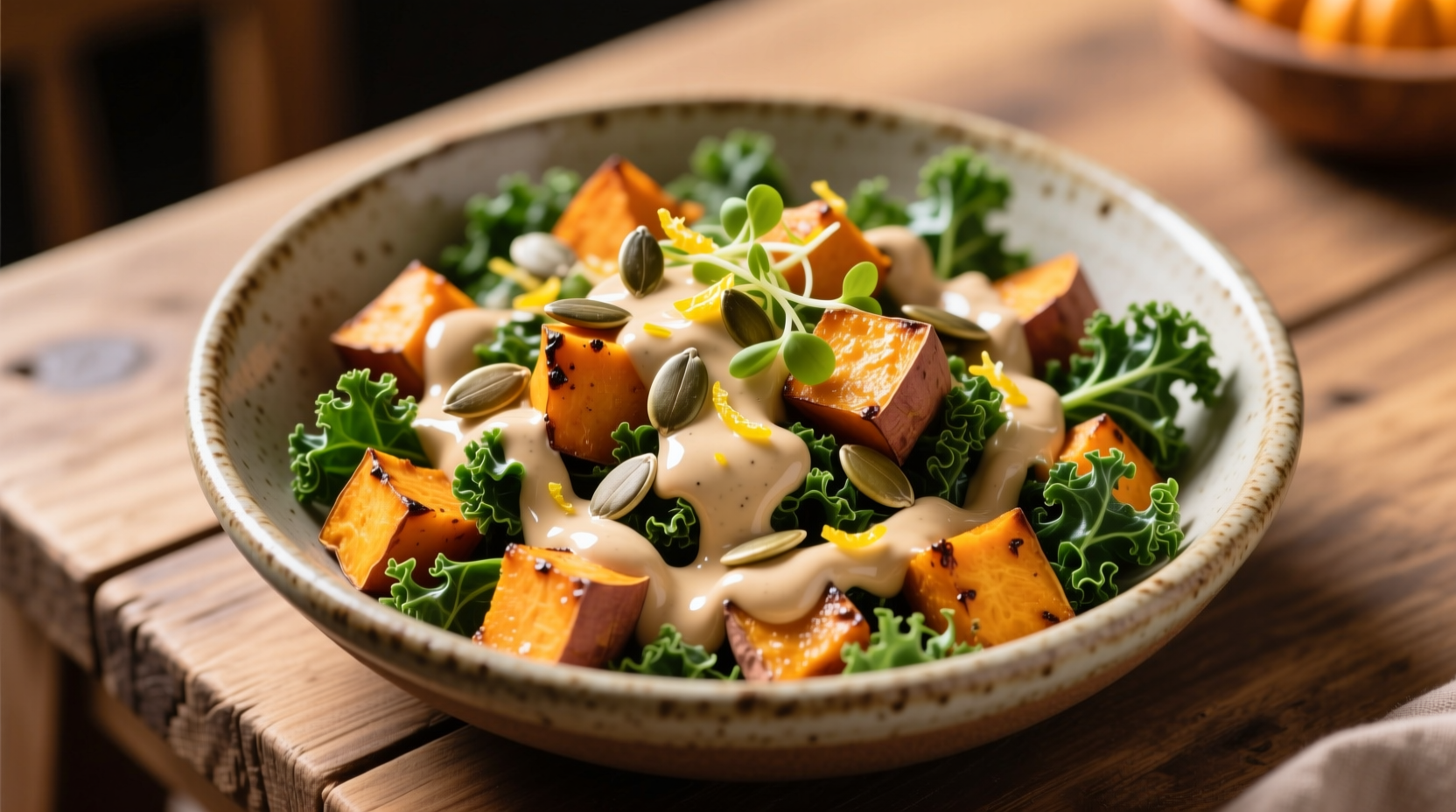
- Roasting sturdy veggies like cauliflower or sweet potatoes
- Need a vegan binder for burgers or meatballs
- Substituting for nut butters in sandwiches (flavor profile's all wrong)
- Using high-heat frying (it burns around 350°F)
- Serving folks with sesame allergies (yep, it's a top-9 allergen now)
Avoiding Classic Tahini Blunders
I've ruined more tahini than I care to admit—here's how not to join my club. First, separation isn't a flaw—it's natural! Just stir like crazy until smooth. Second, never refrigerate unopened jars. The cold makes it seize up into concrete. Once opened? Still keep it in the pantry unless you live somewhere super humid. Third, bitterness means trouble—either the seeds were over-toasted or it's gone rancid (sniff test: should smell nutty, not paint-like). Oh, and if your dressing clumps? Add liquid slowly while whisking—not all at once.
Everything You Need to Know
Bitterness usually means one of two things: the sesame seeds were over-toasted during production, or the tahini has gone rancid. Check the smell—rancid tahini smells like old paint. Always store in a cool, dark place and use within 3 months of opening. Quality brands like Soom or Seed + Mill rarely have this issue.
Yes and no. Tahini is sesame-based, not nut-based, so it's technically safe for tree nut allergies. But here's the catch: sesame is now a top-9 allergen in the US, and cross-contamination happens in facilities that process nuts. Always check labels for "may contain nuts" warnings. If you have a severe allergy, stick to brands with dedicated sesame-only facilities.
Don't panic—separation is totally normal! Just stir vigorously with a spoon until the oil reincorporates. For stubborn cases, warm the jar in hot water for 5 minutes first. Pro move: store the jar upside-down for 24 hours before opening to redistribute oil naturally. Never pour out the oil—that's where the flavor lives!
Huge difference! Middle Eastern tahini uses hulled toasted sesame seeds for a mild, creamy profile. Chinese sesame paste (like in dan dan noodles) uses unhulled raw seeds—making it darker, thicker, and intensely bitter. They're not interchangeable. Check labels: authentic tahini lists only "sesame seeds," while Chinese versions often include oil.
More Articles
 Spaghetti with Tomato Sauce: 20-Minute Recipe (2026)
Asafoetida (Hing): Cooking Guide
Spaghetti with Tomato Sauce: 20-Minute Recipe (2026)
Asafoetida (Hing): Cooking Guide
 Oats Cooking Ratios & Timing for Perfect Oatmeal
 What Spices to Put in Chili: Top 7 Must-Haves & Expert Tips
 What Are Sesame Seeds? Definition, Types, Uses & Benefits
 Bitter Greens: 25 Types With Cooking Tips
 How To Repair Foolproof
 4 Basic Types of Spices: A Beginner's Classification Guide
 How to Tell If Honey Is Bad: 5 Clear Warning Signs
 Sweet Potato vs Potato: When to Use Which (2024 Guide)